Sustainable Meal Planning 2026: Reduce Your Carbon Footprint by 20%
New Trends in Sustainable Meal Planning for 2026: Reducing Your Carbon Footprint by 20% Through Food Choices
The year 2026 is upon us, and with it comes a heightened global awareness of our environmental impact. One of the most significant yet often overlooked areas where individuals can make a substantial difference is through their daily food choices. Sustainable meal planning has evolved beyond a niche concept; it’s now a mainstream movement, driven by innovative trends and a collective desire to protect our planet. This comprehensive guide will delve into the exciting new trends in sustainable meal planning for 2026, offering actionable strategies to help you reduce your carbon footprint by a remarkable 20% through conscious food decisions.
Our food system accounts for a significant portion of global greenhouse gas emissions, from agricultural practices and transportation to processing and waste. By adopting sustainable meal planning principles, we can collectively mitigate these impacts. This isn’t just about eating less meat; it encompasses a holistic approach to how we source, prepare, and consume our food. Get ready to transform your kitchen, your plate, and your planet.
The Urgent Need for Sustainable Meal Planning in 2026
The statistics are stark. According to recent environmental reports, the food sector contributes roughly one-quarter of global greenhouse gas emissions. This includes emissions from land-use change, agricultural production (livestock, fertilizers, energy use), food processing, packaging, transport, retail, and waste disposal. With a growing global population, the pressure on our food systems is only increasing. The good news is that individuals have immense power to influence change through their daily dietary habits. By embracing sustainable meal planning, we can collectively push for more eco-friendly food production and consumption patterns.
In 2026, the emphasis is no longer solely on individual action, but on collective impact. Governments, corporations, and communities are increasingly recognizing the importance of sustainable food systems. However, the most direct and immediate impact often begins at home. Your decision to opt for locally grown produce, reduce food waste, or choose plant-based proteins sends a clear signal to the market and contributes directly to a healthier planet. This guide aims to empower you with the knowledge and tools to make those impactful choices, guiding you toward reducing your personal carbon footprint by 20% through mindful eating.
Trend 1: Hyper-Local and Ultra-Seasonal Sourcing
One of the most significant shifts in sustainable meal planning for 2026 is the intensified focus on hyper-local and ultra-seasonal sourcing. This goes beyond simply buying from your local farmers’ market; it involves a deeper connection to where your food comes from and understanding its journey to your plate.
The Rise of Community-Supported Agriculture (CSA) 2.0
CSAs have been around for a while, but in 2026, they’re experiencing a renaissance. CSA 2.0 models often incorporate advanced technology for better communication, personalized subscription boxes, and even direct-to-consumer delivery services that minimize packaging and transportation. These models allow consumers to directly support local farmers, ensuring fresher produce and a drastically reduced carbon footprint associated with long-haul transportation.
Gardening and Foraging: Reconnecting with Nature’s Bounty
A growing number of households are embracing home gardening, even in urban environments. Rooftop gardens, vertical farms, and community garden plots are becoming increasingly popular. Foraging for wild edible plants, where safe and legal, is also gaining traction, offering a direct and zero-carbon way to supplement one’s diet. These practices not only provide fresh, organic food but also foster a deeper appreciation for nature and food production cycles, making sustainable meal planning a more engaging and educational experience.
Understanding Food Miles and Carbon Labels
In 2026, consumers are more educated about ‘food miles’ – the distance food travels from farm to plate. Many products now feature transparent carbon labels, indicating the environmental impact of their production and transportation. This transparency empowers consumers to make informed choices, prioritizing foods with lower carbon footprints. When planning your meals, actively seek out these labels and choose products that demonstrate a commitment to sustainability.
Trend 2: The Dominance of Plant-Forward and Flexitarian Diets
While veganism and vegetarianism continue to grow, the most impactful trend in 2026 for reducing carbon footprint through food is the widespread adoption of plant-forward and flexitarian diets. This approach emphasizes plant-based foods while allowing for occasional consumption of meat and dairy, making it more accessible and sustainable for a broader population.
Protein Alternatives Go Mainstream
Beyond traditional tofu and tempeh, 2026 sees an explosion of innovative plant-based protein alternatives. Fungi-based proteins (mycoprotein), cultured meat (though still nascent for widespread consumption, it’s making strides), and a wider variety of legume-based products are readily available. These alternatives often require significantly less land, water, and emit fewer greenhouse gases compared to conventional animal agriculture, making them a cornerstone of sustainable meal planning.
Embracing Biodiversity in Plant-Based Eating
The focus isn’t just on eating plants, but on eating a diverse range of plants. Ancient grains like teff and fonio, heirloom varieties of vegetables, and a wider array of pulses are being celebrated for their nutritional value and lower environmental impact. Monoculture farming can deplete soil health and reduce biodiversity, so diversifying our plant-based diets supports more resilient and sustainable agricultural practices.
Creative Plant-Based Meal Prep
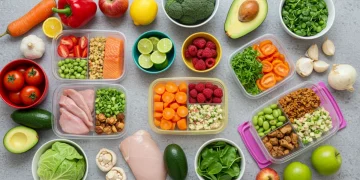
Meal prepping has become an art form in 2026, especially for plant-forward diets. Online communities and apps offer vast resources for creating delicious, balanced, and varied plant-based meals for the week. This not only saves time but also helps in reducing impulse purchases and food waste, critical components of effective sustainable meal planning.
Trend 3: Drastically Reducing Food Waste
Food waste remains a monumental problem, with an estimated one-third of all food produced globally going uneaten. In 2026, there’s a renewed and intensified commitment to minimizing food waste at every level, from farm to fork. Reducing food waste is one of the most direct ways to lower your carbon footprint, as it prevents the emissions associated with production, transportation, and decomposition in landfills.
Smart Kitchen Appliances and AI-Powered Inventory
Kitchen technology in 2026 is smarter than ever. Refrigerators with internal cameras and AI-powered inventory systems can track expiration dates, suggest recipes based on available ingredients, and even generate smart shopping lists. These innovations make it easier than ever to avoid forgotten produce and expired items, streamlining your sustainable meal planning efforts.

Embracing ‘Root-to-Stem’ and ‘Nose-to-Tail’ (Plant Edition) Cooking
Chefs and home cooks alike are embracing the philosophy of using every edible part of an ingredient. ‘Root-to-stem’ cooking involves utilizing vegetable scraps that might traditionally be discarded, such as broccoli stems, carrot tops, and beet greens, in creative and delicious ways. This maximizes the nutritional value and minimizes waste. For those who still consume some animal products, the ‘nose-to-tail’ approach emphasizes using all parts of the animal, reducing waste and honoring the resource.
Composting and Food Waste Recycling
Composting has become a standard practice in many households and communities. Advanced composting systems, including indoor electric composters, make it easier to divert food scraps from landfills. Many cities in 2026 also offer robust food waste recycling programs, turning organic waste into valuable resources like compost and biogas. Integrating composting into your routine is a simple yet powerful step in your sustainable meal planning journey.
Trend 4: Regenerative Agriculture and Ethical Sourcing
Beyond simply local and seasonal, consumers in 2026 are increasingly demanding food produced through regenerative agricultural practices. This approach focuses on improving soil health, biodiversity, and ecosystem services, actively sequestering carbon from the atmosphere rather than just minimizing emissions.
Understanding Regenerative Labels
Look for certifications and labels that indicate regenerative farming practices. These labels signify that the food you’re purchasing was grown in a way that actively enhances the environment, rather than merely sustaining it. This includes practices like no-till farming, cover cropping, and rotational grazing for animal products, all of which contribute to healthier soils and a reduced carbon footprint.
Fair Trade and Ethical Labor Practices
Sustainable meal planning in 2026 also extends to the social and economic aspects of food production. Consumers are more aware of the importance of fair trade and ethical labor practices throughout the food supply chain. Choosing products that ensure fair wages and safe working conditions for farmers and laborers is an integral part of a truly sustainable food system. This holistic view of sustainability ensures that your food choices benefit both the planet and its people.
Trend 5: Water Conservation in Food Choices
While often overshadowed by carbon emissions, water scarcity is another critical environmental challenge. In 2026, sustainable meal planning increasingly incorporates considerations for the ‘water footprint’ of food.
High Water-Use Foods vs. Low Water-Use Foods
Certain foods, particularly some animal products and specific crops like almonds and avocados when grown in arid regions, have a significantly higher water footprint. Becoming aware of these differences allows you to make more water-conscious choices. For instance, opting for pulses and grains that require less water to grow, or choosing animal products from regions with abundant water resources, can make a difference.
Reducing Water in Food Preparation
Beyond sourcing, consider water usage in your kitchen. Simple actions like using less water to wash vegetables (a quick rinse instead of letting the tap run), steaming instead of boiling, and reusing cooking water (e.g., pasta water for sauces) can collectively save significant amounts of water over time. These small adjustments are easy to integrate into your daily sustainable meal planning.
Trend 6: Sustainable Packaging and Zero-Waste Shopping
The packaging industry is undergoing a revolution in 2026, with a strong push towards sustainable and zero-waste solutions. Your choices in the grocery store aisle can significantly impact your overall carbon footprint.
Innovations in Biodegradable and Edible Packaging
Expect to see more innovative packaging solutions, from fully compostable materials derived from plant starches to even edible packaging for certain food items. These advancements aim to eliminate plastic waste and reduce the environmental burden of single-use containers.
Bulk Shopping and Refill Stations
Zero-waste stores and bulk sections in conventional supermarkets are expanding, offering a wide array of products from grains and spices to oils and cleaning supplies, all available for purchase in reusable containers. Embracing bulk shopping is a highly effective way to reduce packaging waste and is a key element of modern sustainable meal planning.
Crafting Your 20% Carbon Footprint Reduction Plan
Achieving a 20% reduction in your food-related carbon footprint by 2026 is an ambitious yet entirely attainable goal. Here’s a step-by-step guide to help you implement these trends into your sustainable meal planning:
Step 1: Audit Your Current Food Choices
Before you can reduce, you need to understand. For one week, track everything you eat and where it comes from. Note down meat consumption, processed foods, and any food waste. This audit will highlight your biggest areas for improvement.
Step 2: Prioritize Plant-Forward Meals
Aim to increase your plant-based meals by at least 2-3 days a week if you currently eat meat daily. Experiment with new recipes and protein alternatives. Even reducing red meat consumption by half can significantly lower your carbon footprint.
Step 3: Embrace Local and Seasonal Produce
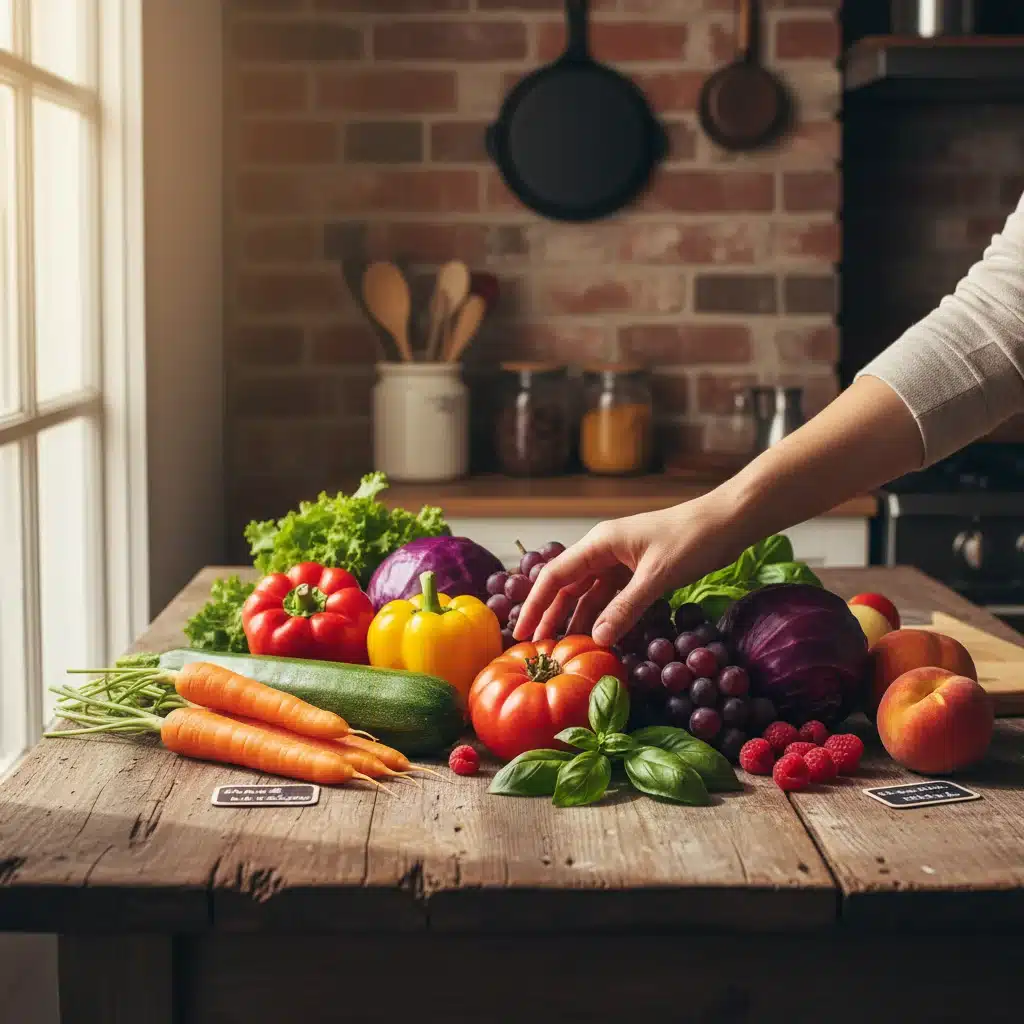
Make regular visits to farmers’ markets or sign up for a CSA. Plan your meals around what’s in season in your region. This not only reduces food miles but often means fresher, more flavorful ingredients.
Step 4: Master Food Waste Reduction
- Plan Ahead: Create detailed meal plans and shopping lists to avoid overbuying.
- Smart Storage: Learn how to properly store fruits and vegetables to extend their shelf life.
- Creative Cooking: Use scraps for stocks, smoothies, or fermented foods.
- Compost: Set up a composting system for unavoidable food waste.
Step 5: Choose Sustainable Products
Look for products with carbon labels, fair trade certifications, and those that support regenerative agriculture. Opt for minimal or sustainable packaging. Bring your own reusable bags and containers when shopping.
Step 6: Conserve Water in the Kitchen
Be mindful of water usage during cooking and cleaning. Choose ingredients with lower water footprints when possible.
Step 7: Educate Yourself and Advocate
Stay informed about new developments in sustainable food systems. Share your knowledge and experiences with friends and family. Support policies and businesses that are committed to environmental stewardship.
The Ripple Effect: Beyond Your Plate
Your commitment to sustainable meal planning extends far beyond your own kitchen. As more individuals adopt these practices, it creates a powerful ripple effect:
- Market Demand: Increased demand for sustainable products encourages more farmers and businesses to adopt eco-friendly practices.
- Innovation: Consumer interest drives innovation in plant-based alternatives, sustainable packaging, and food waste solutions.
- Policy Change: A more environmentally conscious populace can influence policy makers to enact regulations that support sustainable food systems.
- Community Building: Farmers’ markets, CSAs, and community gardens foster stronger local communities and connections to food sources.
By making conscious choices about what you eat, you are not just nourishing your body; you are nurturing the planet. The trends for 2026 in sustainable meal planning offer exciting opportunities to make a tangible difference. Embrace them, experiment with them, and become a part of the solution.
Looking Ahead: The Future of Sustainable Eating
As we move further into the decade, the landscape of sustainable eating will continue to evolve. Expect even more personalized nutrition plans based on individual health needs and environmental impact assessments. Advances in vertical farming and controlled-environment agriculture will bring fresh produce closer to urban centers, further reducing food miles. The integration of blockchain technology may enhance transparency in the food supply chain, allowing consumers to trace the exact journey and environmental impact of their food from farm to fork.
The rise of ‘upcycled’ foods, made from ingredients that would otherwise be discarded (e.g., bread crusts into beer, fruit pulp into snacks), will also become more prevalent. These innovations, coupled with a growing global consciousness, paint a hopeful picture for the future of food. Your role in this future is paramount. Every decision you make in your sustainable meal planning contributes to this larger, positive transformation.
Conclusion: Your Plate, Your Planet, Your Power
The journey towards a 20% reduction in your food-related carbon footprint by 2026 through sustainable meal planning is an empowering one. It’s a journey that combines culinary creativity with environmental responsibility. By embracing hyper-local sourcing, prioritizing plant-forward diets, drastically reducing food waste, supporting regenerative agriculture, conserving water, and choosing sustainable packaging, you become an active participant in building a healthier, more resilient planet.
Remember, every meal is an opportunity to make a difference. Start small, be consistent, and celebrate your progress. The collective impact of individual choices is immense. Let 2026 be the year you transform your approach to food, making it a powerful force for positive environmental change. Your plate holds the power to shape a sustainable future.