Master Your 2026 Meal Schedule: A Step-by-Step Guide to Healthy Eating
As we step further into 2026, the focus on personal well-being, health, and efficiency continues to grow. One of the most impactful areas where we can make significant improvements is our eating habits. A well-structured 2026 meal schedule is not just about losing weight or gaining muscle; it’s about fostering consistent, healthy eating every day, leading to improved energy, better mood, and long-term health benefits. This comprehensive guide will walk you through a step-by-step approach to creating and maintaining an optimal meal schedule that fits your lifestyle and helps you achieve your wellness goals for 2026 and beyond.
Many of us struggle with inconsistent eating, often due to busy schedules, lack of planning, or simply not knowing where to start. The good news is that with a strategic approach, anyone can master their 2026 meal schedule. This isn’t about restrictive diets; it’s about building sustainable habits that nourish your body and mind. By the end of this article, you’ll have all the tools and insights needed to transform your relationship with food and make healthy eating a seamless part of your daily routine.
Understanding the Importance of a Consistent 2026 Meal Schedule
Why is having a consistent meal schedule so crucial? The human body thrives on routine. When you eat at regular intervals, your metabolism functions more efficiently, your blood sugar levels remain stable, and you’re less likely to experience energy crashes or intense cravings. This consistency is a cornerstone of effective weight management, improved digestion, and enhanced cognitive function. For your 2026 meal schedule to be truly effective, it needs to be predictable and reliable.
Furthermore, a structured meal plan helps in making healthier food choices. When you know what you’re going to eat and when, you’re less likely to grab unhealthy convenience foods or overeat due to extreme hunger. It takes the guesswork out of daily nutrition, allowing you to focus on nutrient-dense options that fuel your body optimally. In 2026, with the myriad of distractions and demands on our time, a pre-planned meal schedule becomes an invaluable asset for maintaining health.
Beyond the physical benefits, a consistent eating pattern can significantly reduce stress. The mental load of constantly deciding what to eat, shopping for ingredients on the fly, and worrying about nutritional intake can be exhausting. A well-thought-out 2026 meal schedule liberates you from this daily burden, freeing up mental space for other important aspects of your life.
Step 1: Assess Your Current Eating Habits and Lifestyle for 2026
Before you can build an optimal 2026 meal schedule, you need to understand your starting point. Take a week to observe and record your current eating habits. What time do you typically eat? What kinds of foods do you consume? How often do you snack? What are your busiest times of the day, and how do they impact your meals?
Consider your lifestyle in 2026. Are you working from home, commuting, or traveling frequently? Do you have specific dietary restrictions or preferences (e.g., vegetarian, vegan, gluten-free)? Do you exercise regularly, and if so, when? All these factors will influence the practicality and sustainability of your new meal schedule. Be honest with yourself about your current habits, as this self-awareness is the first critical step towards positive change for your 2026 meal schedule.
- Track your meals: Use a journal or an app to log everything you eat and drink for 5-7 days. Note the time, food item, portion size, and how you felt afterward.
- Identify patterns: Look for recurring themes. Are you skipping breakfast? Do you tend to snack heavily in the afternoon? When do you feel most energized or sluggish?
- Analyze your schedule: Pinpoint times when you’re most likely to make unhealthy choices due to lack of time or convenience. These are your ‘danger zones’ that your 2026 meal schedule needs to address.
- Consider your goals: What do you want to achieve with this new meal schedule? Weight loss, muscle gain, improved energy, better digestion, or simply more consistent healthy eating? Your goals will shape your entire plan.
Step 2: Define Your Nutritional Needs and Goals for Your 2026 Meal Schedule
With a clear understanding of your current habits, the next step is to define what your body needs. This involves calculating your approximate caloric requirements and understanding the balance of macronutrients (proteins, carbohydrates, fats) that will support your 2026 goals.
There are many online calculators that can estimate your Basal Metabolic Rate (BMR) and Total Daily Energy Expenditure (TDEE) based on your age, gender, weight, height, and activity level. These numbers provide a good starting point for determining your caloric intake. If you have specific health conditions or complex dietary needs, consulting with a registered dietitian or nutritionist is highly recommended to tailor your 2026 meal schedule precisely.
Macronutrient Breakdown:
- Proteins: Essential for muscle repair, growth, and satiety. Aim for lean sources like chicken, fish, beans, lentils, tofu, and Greek yogurt.
- Carbohydrates: Your body’s primary energy source. Focus on complex carbohydrates such as whole grains (oats, brown rice, quinoa), fruits, and vegetables.
- Healthy Fats: Crucial for hormone production, nutrient absorption, and brain health. Include sources like avocados, nuts, seeds, olive oil, and fatty fish.
Your 2026 meal schedule should prioritize whole, unprocessed foods. Minimize intake of added sugars, unhealthy fats, and highly processed items. Think about incorporating a variety of colors into your plate to ensure a broad spectrum of vitamins and minerals. Your nutritional goals for 2026 should be realistic and sustainable, focusing on long-term health rather than quick fixes.
Step 3: Structure Your Meal Timings and Frequency for 2026
Now, let’s get down to the structure of your 2026 meal schedule. This is where you decide how many meals you’ll eat and at what times. While there’s no one-size-fits-all answer, most people benefit from 3 main meals and 1-2 snacks, spaced every 3-4 hours.
Consider your natural hunger cues and energy levels. Do you feel hungry shortly after waking up, or do you prefer to wait a bit for breakfast? When do you typically experience an afternoon slump that could be mitigated by a healthy snack? Your 2026 meal schedule should work with your body’s natural rhythms.
Typical Meal Timing Suggestions:
- Breakfast: Within 1-2 hours of waking up (e.g., 7:00 AM – 9:00 AM)
- Mid-morning Snack (optional): 2-3 hours after breakfast (e.g., 10:00 AM – 11:00 AM)
- Lunch: 3-4 hours after breakfast or mid-morning snack (e.g., 12:00 PM – 1:00 PM)
- Mid-afternoon Snack (optional): 2-3 hours after lunch (e.g., 3:00 PM – 4:00 PM)
- Dinner: 3-4 hours after your last snack, ideally 2-3 hours before bedtime (e.g., 6:00 PM – 7:00 PM)
Remember, flexibility is key. Your 2026 meal schedule might need adjustments based on your work commitments, exercise routine, or social events. The goal is consistency, not rigidity. If you exercise, consider timing your meals to support your workouts – a pre-workout snack for energy and a post-workout meal for recovery are often beneficial.
Step 4: Plan Your Meals and Snacks for the Week
This is the core of creating your 2026 meal schedule. Dedicate some time each week (e.g., Sunday afternoon) to plan out all your meals and snacks for the upcoming days. This proactive approach saves time, reduces stress, and ensures you have healthy options readily available.
Tips for Effective Meal Planning:
- Choose a Theme: Sometimes, having a theme for each day (Meatless Monday, Taco Tuesday, Fish Friday) can make planning easier and more fun.
- Batch Cooking: Prepare larger quantities of staples like cooked grains (quinoa, brown rice), roasted vegetables, and lean proteins (chicken breast, hard-boiled eggs) that can be used in multiple meals throughout the week. This is a game-changer for any effective 2026 meal schedule.
- Utilize Leftovers: Plan dinners that yield leftovers for lunch the next day. This is a simple and efficient way to ensure you have a healthy lunch without extra effort.
- Variety is Key: While consistency in timing is good, vary your food choices to ensure you get a wide range of nutrients. Don’t eat the exact same thing every day unless you genuinely enjoy it and it meets all your nutritional needs.
- Healthy Snack Prep: Portion out nuts, seeds, chopped vegetables with hummus, or fruit into individual containers for easy grab-and-go options.
- Ingredient Overlap: Look for recipes that use similar ingredients to minimize waste and simplify your grocery list.
- Keep it Simple: Especially when starting, don’t overcomplicate your meals. Simple, wholesome ingredients prepared in straightforward ways are often the most effective.
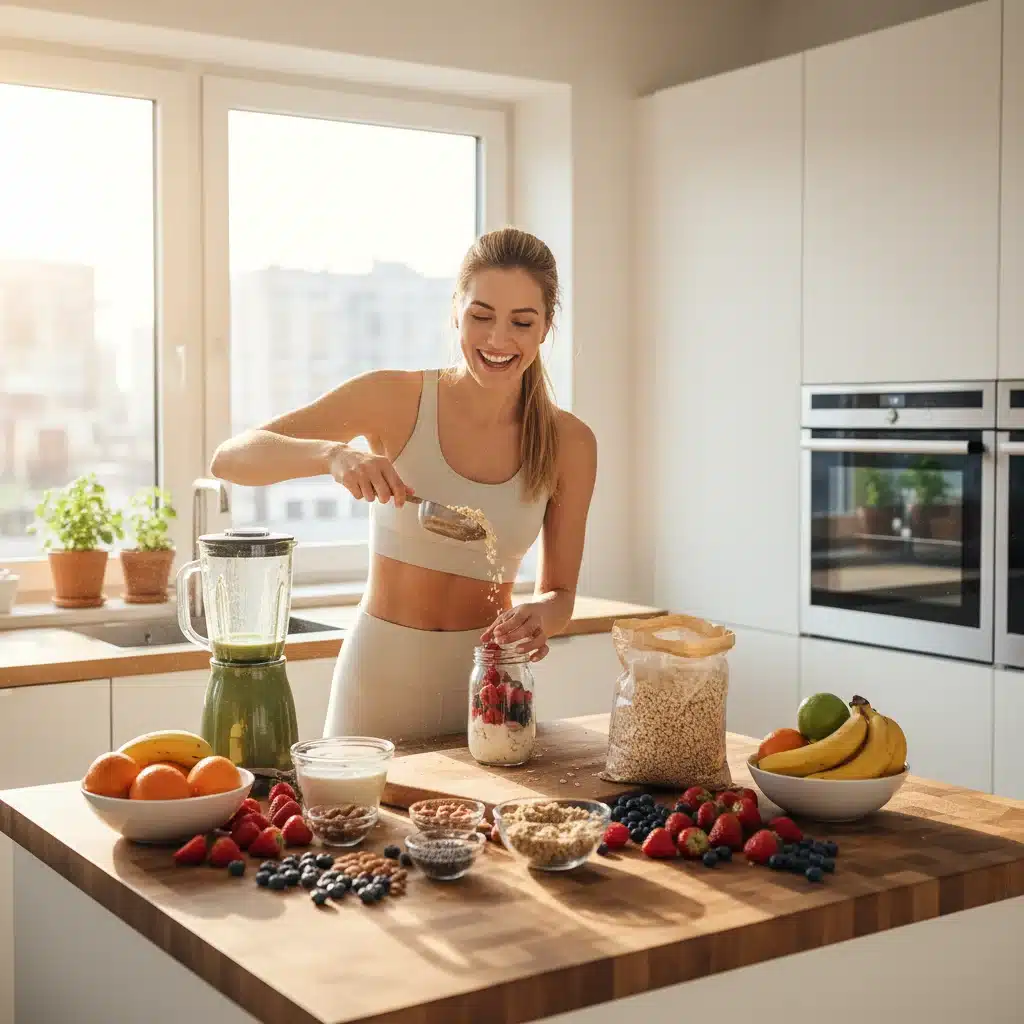
When planning your 2026 meal schedule, think about balance. Each main meal should ideally contain a source of lean protein, complex carbohydrates, healthy fats, and plenty of vegetables. For snacks, aim for a combination of protein and fiber to keep you feeling full and satisfied.
Step 5: Grocery Shopping and Meal Preparation for Your 2026 Meal Schedule
Once your meal plan is complete, create a detailed grocery list. Stick to your list when shopping to avoid impulse buys and ensure you have all the necessary ingredients. Consider online grocery delivery or pickup services to save time and prevent distractions in the store.
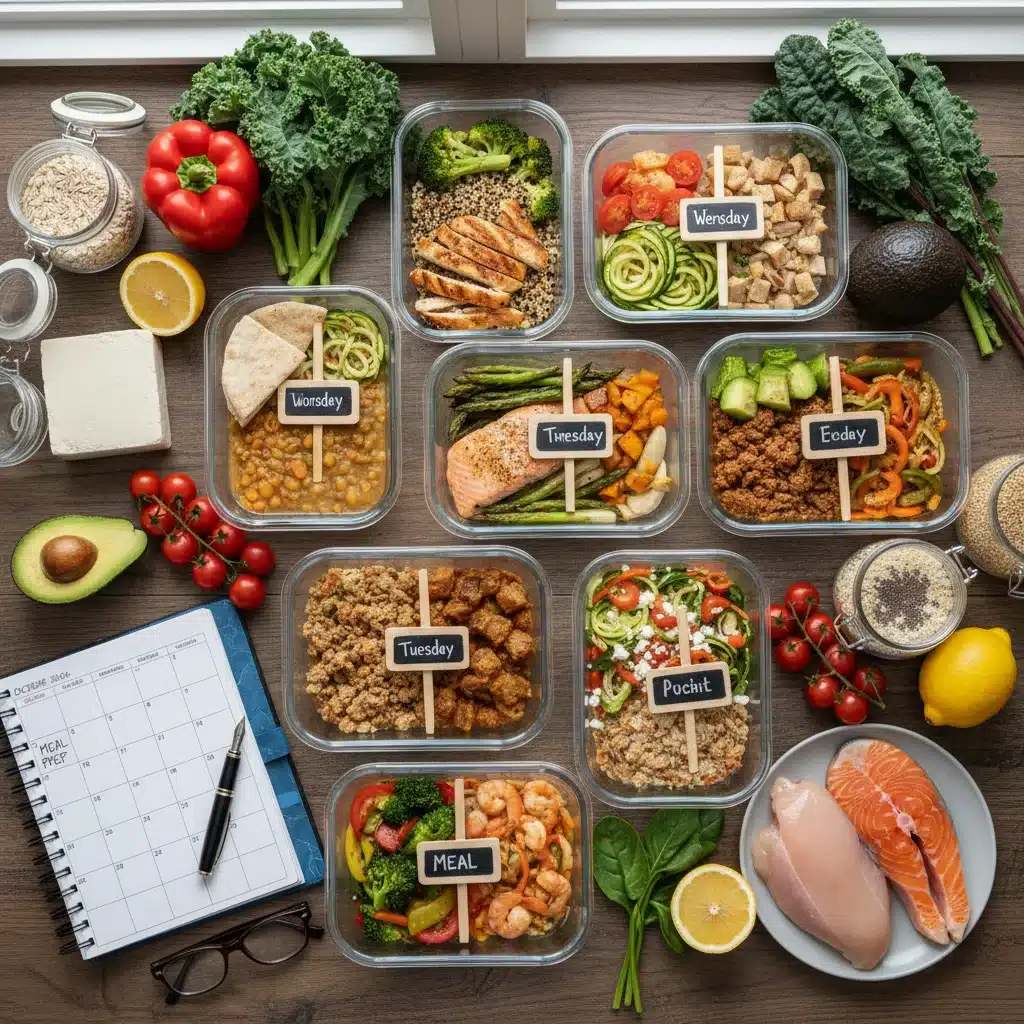
Meal preparation, or ‘meal prepping,’ is the secret weapon for a successful 2026 meal schedule. Dedicate a few hours on a specific day (e.g., Sunday) to wash, chop, cook, and portion your food for the week. This upfront investment of time will pay dividends throughout your busy week.
Effective Meal Prep Strategies:
- Wash and Chop Produce: Prepare all your fruits and vegetables in advance so they’re ready to grab for snacks or add to meals.
- Cook Grains and Proteins: Cook a large batch of quinoa, brown rice, chicken, or lentils.
- Assemble Components: For salads, keep dressings separate until serving to prevent sogginess. For stir-fries, chop all vegetables and store them together.
- Portion Control: Divide your prepared meals into individual containers. This makes grabbing a healthy lunch or dinner incredibly easy and helps with portion control, a crucial aspect of your 2026 meal schedule.
- Stock Your Pantry: Keep a well-stocked pantry with staples like canned beans, whole grains, nuts, seeds, and healthy oils. This ensures you always have basic ingredients on hand.
Remember, the goal of meal prep for your 2026 meal schedule is to make healthy eating as convenient as unhealthy eating. The more prepared you are, the less likely you are to deviate from your plan.
Step 6: Stay Hydrated and Mindful Eating Practices in 2026
While focusing on your 2026 meal schedule, don’t forget the importance of hydration. Water is vital for virtually every bodily function, including metabolism, nutrient transport, and temperature regulation. Aim to drink at least 8 glasses of water a day, and more if you’re active or in a hot climate. Keep a reusable water bottle with you to encourage consistent hydration.
Beyond what and when you eat, how you eat is equally important. Incorporate mindful eating practices into your 2026 meal schedule:
- Eat Slowly: Give your body time to register fullness. It takes about 20 minutes for your brain to receive signals from your stomach.
- Chew Thoroughly: Aids digestion and allows you to savor your food.
- Eliminate Distractions: Avoid eating in front of screens (TV, phone, computer). Focus on your meal.
- Listen to Your Body: Eat when you’re hungry and stop when you’re comfortably full, not stuffed.
- Appreciate Your Food: Take a moment to acknowledge where your food comes from and the effort involved in preparing it.
Mindful eating enhances the enjoyment of your meals and helps you develop a healthier relationship with food, complementing your structured 2026 meal schedule.
Step 7: Adapt and Adjust Your 2026 Meal Schedule
No 2026 meal schedule is set in stone. Life happens, and your needs will change. Regularly review your meal plan. Is it working for you? Are you feeling energized and satisfied? Are you consistently meeting your goals?
Be prepared to make adjustments. If you find certain meals aren’t practical, swap them out. If your activity levels change, adjust your caloric intake. If you get bored with certain foods, introduce new recipes. The key to long-term success with your 2026 meal schedule is its adaptability.
Don’t be discouraged by occasional slip-ups. One unhealthy meal or day doesn’t derail your entire plan. Simply get back on track with your next meal. Consistency over time is what matters most for your 2026 meal schedule.
Troubleshooting Common Challenges:
- Lack of Time: Focus on simpler meals, batch cooking, and pre-cut ingredients.
- Cravings: Ensure your meals are balanced with protein and fiber. Keep healthy snacks readily available.
- Social Events: Plan ahead. Eat a healthy snack before going out, or choose healthier options when dining with others. Don’t let social occasions completely disrupt your 2026 meal schedule, but allow for flexibility.
- Boredom: Experiment with new recipes, spices, and cooking methods. Explore different cuisines.
Benefits of an Optimized 2026 Meal Schedule
Adopting a consistent and healthy 2026 meal schedule brings a multitude of benefits that extend far beyond just nutrition:
- Improved Energy Levels: Stable blood sugar means no more afternoon slumps. You’ll feel more energetic and focused throughout the day.
- Better Weight Management: Consistent portions and nutrient-dense foods help in achieving and maintaining a healthy weight.
- Enhanced Mental Clarity: A well-nourished brain functions better, leading to improved concentration and cognitive performance.
- Reduced Stress: Eliminates the daily ‘what to eat’ dilemma, freeing up mental space.
- Better Digestion: Regular eating patterns can improve gut health and reduce digestive discomfort.
- Stronger Immune System: A consistent intake of vitamins and minerals supports a robust immune response.
- Financial Savings: Meal planning and home cooking often lead to less eating out and reduced grocery waste.
- Sustainable Healthy Habits: It builds a foundation for long-term healthy living, making nutritious choices second nature.
By prioritizing your 2026 meal schedule, you are making an investment in your overall health and well-being, an investment that will yield significant returns in every aspect of your life.
Embracing Technology for Your 2026 Meal Schedule
In 2026, technology offers numerous tools to support your meal planning efforts. From meal planning apps to smart kitchen gadgets, there are resources to make the process even smoother:
- Meal Planning Apps: Apps like MyFitnessPal, Cronometer, Mealime, or PlateJoy can help track food intake, suggest recipes, generate grocery lists, and even help you adhere to your 2026 meal schedule.
- Smart Kitchen Appliances: Slow cookers, instant pots, and air fryers can simplify cooking, allowing for easy batch meals with minimal hands-on time.
- Online Grocery Services: As mentioned, these can save significant time and help you stick to your grocery list, preventing impulse buys.
- Fitness Trackers: Many wearables integrate with nutrition apps, giving you a holistic view of your energy expenditure and intake, helping fine-tune your 2026 meal schedule.
Leverage these resources to streamline your process and make adherence to your 2026 meal schedule as effortless as possible. The goal is to integrate these tools into your routine to support, not complicate, your healthy eating journey.
Conclusion: Your Path to a Healthier 2026 Meal Schedule
Optimizing your 2026 meal schedule is a transformative journey that empowers you to take control of your health and well-being. It’s a commitment to consistent, healthy eating every day, built on a foundation of self-awareness, thoughtful planning, and adaptable strategies. By following the steps outlined in this guide – assessing your habits, defining nutritional needs, structuring timings, planning meals, preparing proactively, staying hydrated, practicing mindful eating, and adapting as needed – you are setting yourself up for success.
Remember, this isn’t about perfection; it’s about progress. Start small, be patient with yourself, and celebrate every healthy choice you make. Your 2026 meal schedule is a dynamic tool that will evolve with you. Embrace the process, and enjoy the profound benefits of feeling more energized, focused, and vibrant throughout 2026 and for years to come. Make this the year you truly master your nutrition and unlock your full potential.