Spring 2026 Meal Plan: Reduce Food Waste & Save Money
In an era where sustainability and mindful living are at the forefront of global conversations, the kitchen remains a powerful starting point for impactful change. As we look towards Spring 2026, the opportunity to refine our culinary habits and embrace more eco-conscious practices is more relevant than ever. One of the most significant areas where we can make a difference is by tackling food waste. Globally, an astonishing amount of food is lost or wasted every year, contributing to economic losses and environmental strain. But what if we could turn this challenge into an opportunity for savings, creativity, and better health? This comprehensive guide will show you exactly how to craft a sustainable Spring Meal Planning strategy that aims to reduce your food waste by a significant 20%.
The concept of Spring Meal Planning is not just about organizing your weekly menu; it’s a holistic approach that integrates seasonal eating, smart shopping, efficient cooking, and ingenious food preservation techniques. By focusing on fresh, in-season produce, we not only gain access to ingredients at their peak flavor and nutritional value but also support local economies and reduce the environmental footprint associated with long-distance transportation. Moreover, a well-thought-out meal plan acts as a powerful deterrent against impulse purchases and forgotten groceries, directly combating the root causes of food waste in our homes.
Our goal for Spring 2026 is ambitious yet entirely achievable: a 20% reduction in food waste. This isn’t just a number; it represents tangible savings in your grocery budget, a lighter burden on landfills, and a more efficient, joyful kitchen. Throughout this article, we will delve into practical strategies, provide actionable tips, and inspire you with delicious recipes tailored to the abundance of spring. Get ready to transform your kitchen into a hub of sustainability, where every ingredient is cherished, and every meal is a step towards a greener future.
The Environmental and Economic Impact of Food Waste
Before we dive into the ‘how-to,’ it’s crucial to understand the ‘why.’ The scale of food waste is staggering. According to the Food and Agriculture Organization of the United Nations (FAO), roughly one-third of the food produced globally for human consumption is lost or wasted each year. This isn’t just about uneaten food; it encompasses the vast resources—water, land, energy, and labor—used to produce, process, transport, and sell it. When food ends up in landfills, it decomposes without oxygen, producing methane, a potent greenhouse gas far more impactful than carbon dioxide over a 20-year period.
From an economic perspective, food waste hits our wallets directly. Every discarded item represents money thrown away. For an average household, this can amount to hundreds, if not thousands, of dollars annually. By implementing effective Spring Meal Planning strategies, you’re not just being environmentally responsible; you’re also making a significant financial saving. Imagine what you could do with an extra 20% of your grocery budget!
The journey to reducing food waste starts with awareness. Understanding where and why food is wasted in your home is the first step. Is it forgotten leftovers? Over-purchasing? Or perhaps a lack of knowledge about proper storage and preservation? This guide will equip you with the tools to identify these patterns and implement lasting solutions, making your Spring Meal Planning efforts truly impactful.
Embracing Seasonal Eating: The Core of Spring Meal Planning
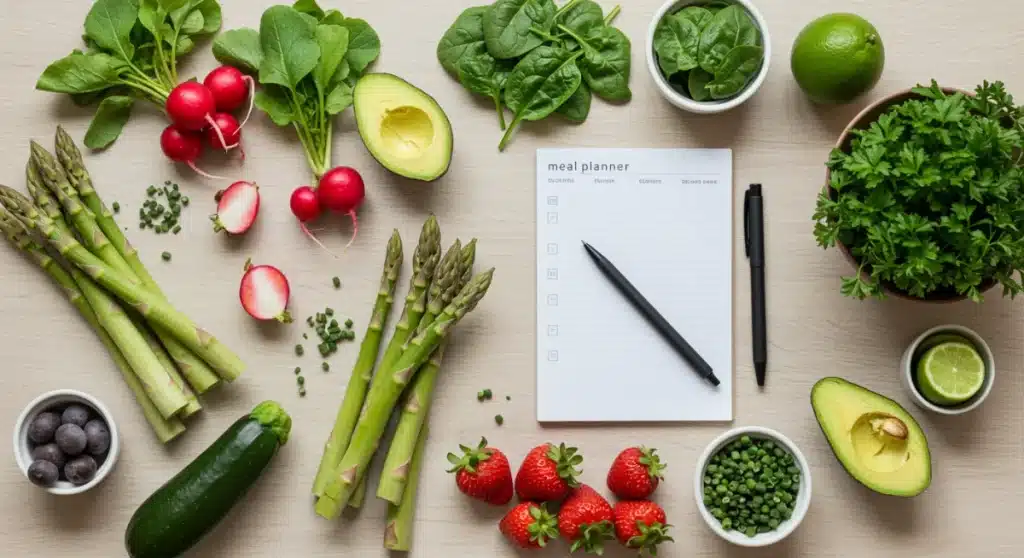
The foundation of an effective and sustainable Spring Meal Planning strategy lies in embracing seasonal eating. Spring, a season of renewal and growth, brings with it an abundance of fresh, vibrant produce. Think crisp asparagus, tender leafy greens like spinach and arugula, sweet peas, crunchy radishes, and juicy strawberries. Eating seasonally offers a multitude of benefits:
- Peak Flavor and Nutrition: Produce harvested in season is at its freshest, most flavorful, and often most nutritious state. It hasn’t traveled long distances or been stored for extended periods, preserving its quality.
- Cost-Effectiveness: When produce is in season, it’s typically more abundant and therefore cheaper. This directly contributes to your goal of saving money while reducing waste.
- Environmental Benefits: Buying local, seasonal produce reduces the carbon footprint associated with transportation and storage. It also supports local farmers and agricultural practices.
- Variety and Culinary Inspiration: Seasonal eating encourages you to experiment with new ingredients and recipes, keeping your meals exciting and diverse.
Key Spring Ingredients to Incorporate into Your Spring 2026 Meal Plan:
- Vegetables: Asparagus, artichokes, peas, radishes, spinach, lettuce, kale, broccoli, cauliflower, carrots, new potatoes, leeks, spring onions.
- Fruits: Strawberries, rhubarb, cherries (late spring), apricots (late spring).
- Herbs: Mint, parsley, chives, dill, cilantro.
By prioritizing these ingredients, your Spring Meal Planning will naturally align with sustainability goals and provide delicious, healthy meals.
The Art of Smart Shopping: Preventing Waste Before It Starts
One of the biggest culprits of food waste is over-purchasing or buying items that ultimately go unused. Smart shopping is a critical component of successful Spring Meal Planning. It requires a bit of foresight and discipline, but the rewards are significant.
1. Create a Detailed Shopping List:
Before you even step foot in the grocery store, create a meticulous shopping list based on your Spring Meal Planning. Factor in every meal, including breakfasts, lunches, dinners, and snacks. Double-check your pantry and refrigerator to avoid buying duplicates of items you already have. This simple step can drastically cut down on impulse buys and ensure you only purchase what you need.
2. Plan Meals Around Existing Ingredients:
Before planning new meals, take stock of what you already have. Do you have leftover cooked chicken? Can those wilting carrots be turned into a soup? Integrate these items into your Spring Meal Planning to ensure nothing goes to waste. This ‘use-it-up’ mentality is a cornerstone of food waste reduction.
3. Be Mindful of Portion Sizes:
When shopping, consider the portion sizes for your household. Buying in bulk might seem cost-effective, but if you can’t consume it all before it spoils, it becomes wasteful. Adjust quantities based on your family’s actual consumption.
4. Check Expiration Dates:
Always check expiration or ‘best by’ dates, especially on perishable items. Choose products with later dates if you don’t plan to use them immediately. Remember that ‘best by’ dates often refer to quality, not safety, but it’s still a good indicator of freshness.
5. Shop Your Pantry First:
Before making your shopping list, ‘shop’ your own pantry, fridge, and freezer. This ensures you’re using up older items and prevents them from expiring or going bad. This is a crucial step in effective Spring Meal Planning.
Effective Food Storage and Preservation Techniques
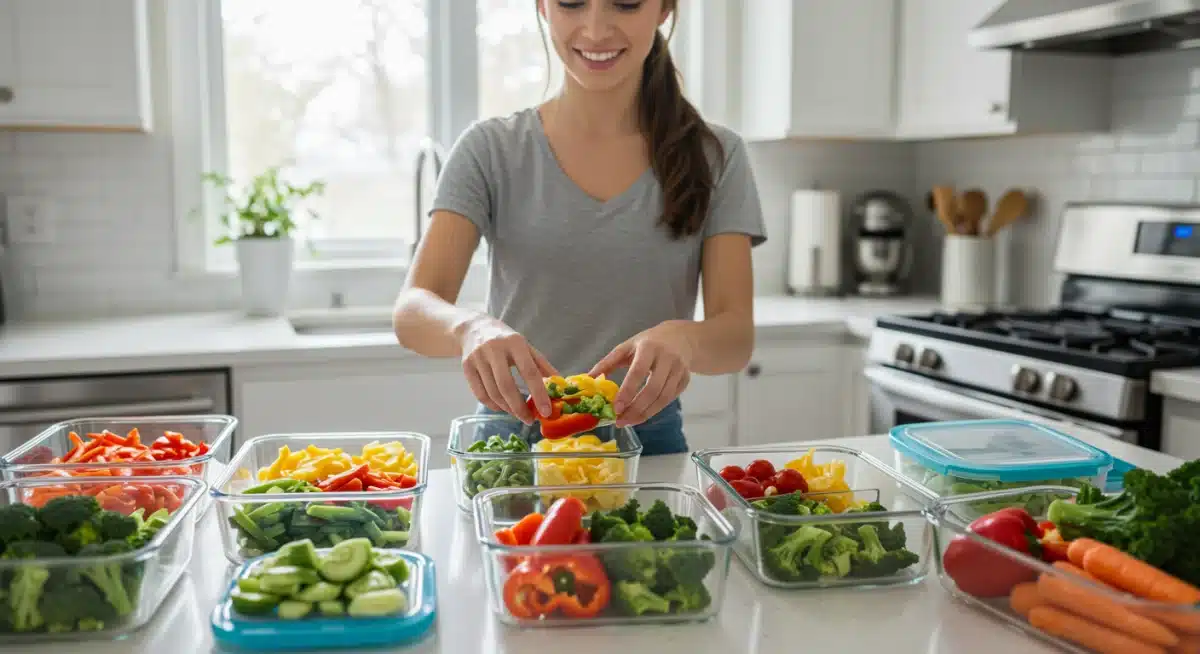
Even with meticulous Spring Meal Planning and smart shopping, food can still go to waste if not stored properly. Mastering food storage and preservation is key to extending the life of your ingredients and leftovers.
Refrigerator Storage Tips:
- Crisper Drawers: Use your refrigerator’s crisper drawers correctly. The high-humidity drawer is best for leafy greens and delicate vegetables, while the low-humidity drawer suits fruits and vegetables that emit ethylene gas (e.g., apples, pears) which can ripen other produce faster.
- Herbs: Store fresh herbs like bouquets in a glass of water on the counter (for basil) or in the fridge (for parsley, cilantro), covered loosely with a plastic bag.
- Berries: Wash berries right before eating. Store them unwashed in their original containers or in a shallow container lined with a paper towel to absorb moisture.
- Leftovers: Store cooked leftovers in airtight containers in the refrigerator and consume them within 3-4 days. Labeling with the date cooked can be helpful.
Freezing for Longevity:
Freezing is an excellent way to preserve seasonal bounty and prevent waste. Many spring ingredients freeze beautifully:
- Blanched Vegetables: Asparagus, peas, and spinach can be blanched and then frozen for later use in soups, stir-fries, or casseroles.
- Fruit: Strawberries and other berries can be frozen whole or sliced for smoothies, desserts, or sauces.
- Herbs: Chop herbs and freeze them in olive oil in ice cube trays. These herb cubes are perfect for sautéing or adding to sauces.
- Cooked Meals: Batch cook meals from your Spring Meal Planning and freeze individual portions for quick, healthy dinners on busy nights.
Other Preservation Methods:
- Pickling: Radishes, carrots, and even asparagus can be pickled for a tangy, long-lasting snack or condiment.
- Dehydrating: Consider dehydrating fruits or vegetables for healthy snacks or to add to your pantry staples.
Crafting Your Spring 2026 Meal Plan: A Weekly Template
Now, let’s put it all together. Here’s a template to guide your Spring Meal Planning, focusing on minimizing waste and maximizing flavor. Remember to adapt this to your dietary preferences and available ingredients.
Week 1: Fresh & Green Focus
- Monday: Asparagus and Pea Risotto (use leftover asparagus ends in a vegetable broth for the risotto).
- Tuesday: Spinach and Feta Stuffed Chicken Breast with a side of roasted new potatoes.
- Wednesday: Leftover Risotto for lunch. Dinner: Quick Radish and Cucumber Salad with grilled salmon.
- Thursday: Lentil Soup with wilted kale (use any slightly past-its-prime kale).
- Friday: Homemade Pizza with spring onions, cherry tomatoes, and fresh mozzarella.
- Saturday: Strawberry Spinach Salad with grilled chicken.
- Sunday: Roast Chicken (plan to use leftovers for Monday’s lunch). Side: Steamed asparagus and carrots.
Week 2: Berry & Root Abundance
- Monday: Chicken Salad Sandwiches (using Sunday’s leftover chicken) with a side of carrot sticks.
- Tuesday: Sweet Pea and Mint Pasta with a light lemon sauce.
- Wednesday: Leftover Pasta for lunch. Dinner: Sheet Pan Roasted Root Vegetables (carrots, new potatoes, leeks) with sausages.
- Thursday: Strawberry Rhubarb Crumble for dessert. Dinner: Quick Shrimp Scampi with a side of sautéed spinach.
- Friday: Black Bean Burgers with a side of coleslaw (use outer cabbage leaves for fermentation or stock).
- Saturday: Farmer’s Market Inspiration: Create a meal based on the freshest finds.
- Sunday: Spring Vegetable Frittata (use any remaining odds and ends of vegetables).
This template showcases how diverse and exciting Spring Meal Planning can be while consciously integrating seasonal ingredients and minimizing waste. Each meal is designed to utilize ingredients efficiently, often creating opportunities for leftovers or repurposing components.
Creative Ways to Use Leftovers and Scraps
Even with the best Spring Meal Planning, you might find yourself with small amounts of leftovers or vegetable scraps. Don’t let these go to waste! Embrace creativity in the kitchen.
1. Transform Leftovers:
- Roast Vegetables: Leftover roasted vegetables can be added to frittatas, omelets, or blended into a soup.
- Cooked Grains: Extra rice or quinoa can become the base for a quick fried rice, a grain bowl, or added to a salad.
- Cooked Meat: Shredded chicken or beef can be used in tacos, sandwiches, or added to pasta dishes.
2. Embrace the ‘Scraps’:
- Vegetable Stock: Keep a bag in your freezer for vegetable scraps (onion peels, carrot tops, celery ends, herb stems). Once full, use them to make a flavorful homemade vegetable stock.
- Leafy Green Stems: Broccoli stems can be peeled and finely chopped for stir-fries or slaws. Kale stems can be blended into smoothies.
- Citrus Peels: Zest citrus fruits before juicing. The zest can be dried for seasoning or candied.
- Bread Crumbs: Stale bread can be easily turned into breadcrumbs for coating, toppings, or thickening sauces.
- Fruit Scraps: Overripe fruit can be blended into smoothies, made into fruit leather, or used for jams and jellies.
By adopting these practices, you’ll find that ‘waste’ becomes a valuable resource, further enhancing your sustainable Spring Meal Planning efforts.
Advanced Strategies for a 20% Food Waste Reduction
To truly hit our 20% reduction target, we need to go beyond basic meal planning and adopt some more advanced strategies.
1. Implement a ‘First In, First Out’ (FIFO) System:
Just like in commercial kitchens, arrange your pantry and refrigerator so that older items are at the front and newer items are at the back. This encourages you to use ingredients before they expire, a simple yet highly effective strategy for Spring Meal Planning.
2. Conduct a Weekly Food Waste Audit:
At the end of each week, take a moment to observe what food, if any, you’ve thrown away. Was it forgotten leftovers? Spoiled produce? Identifying patterns will help you adjust your Spring Meal Planning and shopping habits for the following week. This self-assessment is crucial for continuous improvement.
3. Master the Art of ‘Ugly’ Produce:
Don’t shy away from fruits and vegetables that might look a little imperfect. Often, these ‘ugly’ produce items are just as delicious and nutritious as their picture-perfect counterparts, and sometimes even cheaper. Supporting ‘ugly’ produce initiatives helps reduce waste at the farm level.
4. Embrace Fermentation:
Fermentation is an ancient preservation technique making a comeback. Consider making your own sauerkraut from cabbage, kimchi, or lacto-fermented pickles from cucumbers and radishes. These not only extend the life of vegetables but also introduce beneficial probiotics to your diet, adding another dimension to your Spring Meal Planning.
5. Utilize Technology:
There are numerous apps designed to help with meal planning, grocery lists, and even tracking inventory in your pantry. Some apps can even suggest recipes based on ingredients you already have, further supporting your goal of reducing waste.

The Ripple Effect: Beyond Your Kitchen
Your efforts in sustainable Spring Meal Planning and food waste reduction don’t just benefit your household; they contribute to a larger movement. By consciously making choices that minimize waste, you are:
- Reducing your carbon footprint: Less food in landfills means less methane gas.
- Conserving resources: Every item of food saved means less water, land, and energy are wasted in its production.
- Supporting sustainable agriculture: By choosing seasonal and local, you encourage farming practices that are better for the environment.
- Inspiring others: Your actions can influence friends, family, and community members to adopt similar practices.
The journey to a 20% reduction in food waste by Spring 2026 is an exciting one, filled with learning, creativity, and delicious discoveries. It’s a testament to the power of small, consistent changes leading to significant positive impact. Your Spring Meal Planning will become a cornerstone of your sustainable lifestyle.
Conclusion: A Sustainable and Savory Spring Ahead
Crafting a Spring Meal Planning strategy focused on reducing food waste by 20% for Spring 2026 is more than just a culinary challenge; it’s a commitment to a more sustainable, economical, and flavorful way of life. By embracing seasonal ingredients, practicing smart shopping, mastering food storage, and creatively utilizing every part of your produce, you’ll not only achieve your waste reduction goal but also discover a deeper appreciation for the food you eat.
The benefits extend far beyond your kitchen: a lighter environmental footprint, significant financial savings, and the joy of knowing you’re contributing to a healthier planet. As the vibrant colors and fresh flavors of spring emerge, let them inspire you to embark on this rewarding journey. Your kitchen is a powerful place for change, and with these strategies, your Spring Meal Planning will lead the way to a more mindful and delicious future. Here’s to a Spring 2026 filled with less waste, more flavor, and greater sustainability!