Zero-Waste Meal Planning 2025: Your Guide for American Households
Implementing zero-waste meal planning for American households in 2025 involves strategic food purchasing, efficient storage, and creative utilization of ingredients to minimize environmental impact and maximize nutritional value.
Embarking on zero-waste meal planning for the average American household in 2025 is more than just a trend; it’s a practical, impactful shift towards a more sustainable and economically savvy lifestyle. This comprehensive guide will walk you through every essential step, from mindful grocery shopping to creative leftover utilization, ensuring your kitchen contributes less to landfills and more to your well-being. By adopting these strategies, you’ll not only reduce food waste but also save money, eat healthier, and streamline your daily routine.
Understanding the Zero-Waste Philosophy in Your Kitchen
The core principle of zero-waste meal planning revolves around minimizing the amount of trash sent to landfills, particularly food-related waste. This extends beyond just composting to include conscious consumption, reducing packaging, and maximizing the lifespan of every ingredient. For American households, this means re-evaluating long-standing habits and embracing new, more sustainable approaches to food management.
Adopting a zero-waste mindset in the kitchen requires a holistic approach that considers the entire food lifecycle, from procurement to disposal. It’s about making intentional choices that benefit both your household and the planet, recognizing that every small change contributes to a larger positive impact. This philosophy encourages a deeper connection with your food, fostering appreciation for its journey and minimizing its environmental footprint.
Why embrace zero-waste meal planning?
- Environmental impact reduction: Less food waste means fewer greenhouse gas emissions from landfills.
- Financial savings: Buying only what you need and using everything you buy significantly cuts down grocery bills.
- Healthier eating: Focusing on whole, unprocessed ingredients often leads to more nutritious meals.
- Streamlined kitchen: An organized pantry and fridge, free from forgotten items, makes cooking more efficient.
Ultimately, understanding the zero-waste philosophy means recognizing the interconnectedness of our food choices with environmental health, personal finance, and overall well-being. It’s a journey of continuous learning and adaptation, leading to a more mindful and sustainable way of living.
Step 1: The Art of Mindful Grocery Shopping
Mindful grocery shopping is the cornerstone of effective zero-waste meal planning. It’s about being intentional with every item you bring into your home, reducing impulse buys, and prioritizing unpackaged or minimally packaged goods. This step sets the stage for minimizing waste from the very beginning of your food journey.
Before even stepping into the store, a well-thought-out shopping list is crucial. This list should be based on your meal plan for the week, taking into account ingredients you already have on hand. Always bring reusable bags, produce bags, and containers for bulk items to avoid single-use plastics.
Strategic shopping habits for 2025
- Plan your meals thoroughly: Know exactly what you’ll cook for each meal to avoid buying unnecessary items.
- Check your pantry first: Before making your list, take inventory of what you already have to prevent duplicates and ensure older items are used.
- Shop in bulk: Utilize bulk sections for grains, nuts, seeds, and spices, bringing your own reusable containers.
- Prioritize local and seasonal: Farmer’s markets often offer unpackaged produce and support local economies, reducing transportation emissions.
Mindful shopping also involves selecting items with less packaging, opting for glass or metal over plastic whenever possible. This preventative measure is far more effective than trying to manage waste once it’s already in your home. By being a discerning consumer, you actively participate in reducing demand for wasteful packaging.
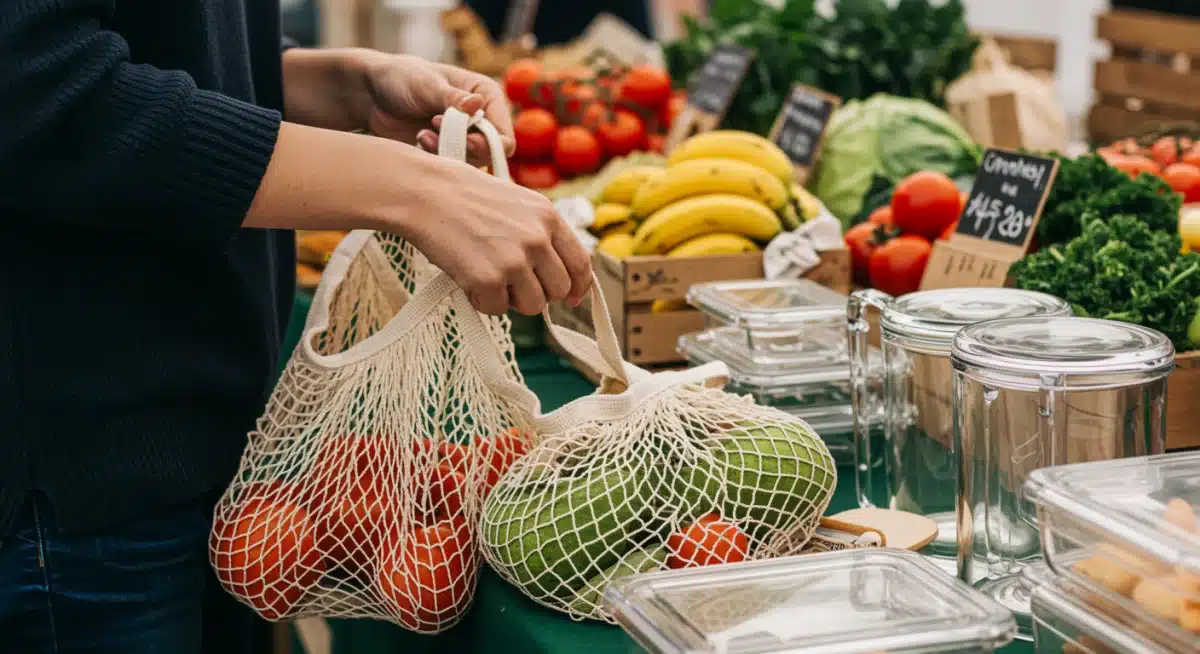
Don’t be afraid to ask store clerks about packaging alternatives or if certain items can be purchased without unnecessary wrapping. Your voice as a consumer holds power and can encourage businesses to adopt more sustainable practices. Remember, every shopping trip is an opportunity to make a positive impact.
In conclusion, mindful grocery shopping is about preparation, awareness, and making conscious choices that align with your zero-waste goals. It’s the first and arguably most critical step in preventing waste from entering your kitchen.
Step 2: Efficient Meal Planning and Ingredient Utilization
Once you’ve mastered mindful shopping, the next crucial step is efficient meal planning combined with smart ingredient utilization. This involves creating a meal schedule that not only meets your nutritional needs but also ensures every purchased ingredient serves multiple purposes, minimizing waste and maximizing flavor.
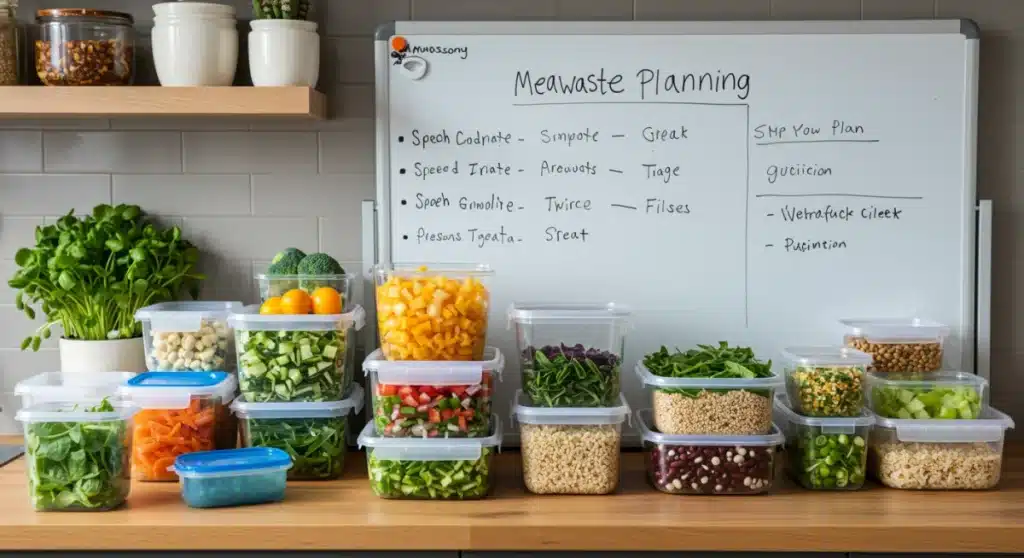
Start by outlining your meals for the week, considering breakfasts, lunches, dinners, and snacks. Look for recipes that share common ingredients, allowing you to buy larger quantities of one item and use it in several dishes. This approach, often called ‘ingredient batching,’ is highly effective for reducing waste.
Maximizing ingredient potential
- Theme nights: Dedicate nights to certain ingredients (e.g., ‘Taco Tuesday’ using leftover roasted vegetables).
- Cook once, eat twice (or thrice): Prepare larger batches of staple ingredients like grains, roasted vegetables, or proteins to use in different meals throughout the week.
- Ingredient repurposing: Plan how one ingredient can transform. For example, roasted chicken can become chicken salad, then chicken broth.
Consider the versatility of ingredients. A bunch of carrots can be used for a stir-fry, then grated into a salad, and finally, their peels can contribute to a vegetable broth. This multi-stage use ensures no part of the ingredient goes to waste. It requires a bit of creativity but quickly becomes second nature.
Furthermore, planning meals around what’s in season not only offers the freshest flavors but also often reduces costs and packaging. Seasonal produce tends to be more abundant and therefore more affordable, encouraging diverse and healthy eating habits. Regularly checking your pantry and fridge for items nearing their expiration date and incorporating them into your immediate meal plans is also vital.
In essence, efficient meal planning and ingredient utilization are about foresight and flexibility. It’s about seeing the full potential of your groceries and orchestrating them into a delicious, waste-free week of meals.
Step 3: Smart Food Storage and Preservation Techniques
Proper food storage and preservation are critical components of zero-waste meal planning, extending the life of your ingredients and preventing spoilage. Even the most carefully planned purchases can become waste if not stored correctly. This step focuses on optimizing your pantry, fridge, and freezer to keep food fresh for as long as possible.
Investing in quality reusable containers is a game-changer. Glass jars, silicone bags, and airtight containers are excellent for storing leftovers, prepped ingredients, and bulk purchases. Labeling everything with dates is also essential to keep track of freshness and avoid forgotten items.
Advanced preservation for longevity
- Blanching and freezing: Extend the life of vegetables by blanching them briefly before freezing.
- Pickling and fermenting: Turn excess produce into delicious, probiotic-rich items like pickles or kimchi.
- Dehydrating: Preserve fruits, herbs, or even vegetable scraps for snacks or future cooking.
Understanding the optimal storage conditions for different types of food is also key. For example, some fruits and vegetables release ethylene gas that can ripen others prematurely, so storing them separately is important. Root vegetables often prefer cool, dark places, while leafy greens benefit from being stored in damp cloths in the fridge.
Freezing is an underutilized superpower in the zero-waste kitchen. Almost anything can be frozen: bread, cooked grains, sauces, soups, and even many fruits and vegetables. By freezing items nearing their end, you buy yourself more time to use them and significantly reduce potential waste. This technique is particularly useful for batch cooking or when you find a great deal on produce.
Ultimately, smart food storage is about creating a system that works for your household, allowing you to easily access and utilize your ingredients before they spoil. It’s an investment in time and organization that pays dividends in reduced waste and fresher food.
Step 4: Transforming Leftovers and Scraps into New Delights
One of the most creative and rewarding aspects of zero-waste meal planning is learning to transform leftovers and food scraps into entirely new, delicious dishes. This not only prevents food from going to waste but also encourages culinary innovation and reduces the need for new ingredients.
Instead of viewing leftovers as merely reheated meals, think of them as building blocks for future creations. A simple roasted chicken can become taco filling, then soup, then a flavorful broth from the bones. This iterative approach to cooking maximizes every part of an ingredient.
Creative uses for common scraps
- Vegetable scrap broth: Collect onion skins, carrot tops, celery ends, and herb stems to make a nutritious homemade vegetable broth.
- Stale bread croutons or breadcrumbs: Don’t toss stale bread; toast it for croutons or process it into breadcrumbs.
- Citrus peels for zest or cleaner: Zest citrus peels for flavor, or infuse them in vinegar for an all-natural cleaning solution.
- Coffee grounds as fertilizer: Used coffee grounds are excellent for acid-loving plants in your garden.
Embrace the challenge of ‘fridge foraging,’ where you assess what’s left and brainstorm meal ideas around those ingredients. This can lead to surprisingly delicious and resourceful meals, such as frittatas made from leftover roasted vegetables, or stir-fries incorporating various small amounts of protein and vegetables.
Consider dedicating one meal a week to ‘clean out the fridge’ day, where you use up all the bits and bobs before your next grocery shop. This ensures nothing is forgotten and encourages a flexible approach to cooking. This practice also helps maintain an organized and efficient kitchen, ready for the next cycle of meal planning.
By transforming leftovers and scraps, you not only reduce your household’s waste but also develop a more intuitive and creative approach to cooking, turning potential waste into culinary triumphs.
Step 5: Composting and Recycling: The Final Zero-Waste Frontier
Even with the most diligent meal planning and ingredient utilization, some organic waste is inevitable. This is where composting becomes a vital component of a truly zero-waste meal planning strategy. Composting diverts food scraps from landfills, where they would produce harmful methane gas, and instead transforms them into nutrient-rich soil amendment.
For American households, composting options vary. You might have access to municipal composting services, local community composting drop-offs, or you can start a backyard compost pile or an indoor worm bin. Each method effectively returns organic matter to the earth, completing the sustainable food cycle.
Composting and recycling essentials
- Understand what’s compostable: Generally, fruit and vegetable scraps, coffee grounds, tea bags, and eggshells are excellent for compost. Avoid meat, dairy, and oily foods in home composts.
- Set up a convenient collection system: A small countertop bin with a lid makes collecting scraps easy before transferring them to your main compost.
- Recycle packaging properly: Ensure all recyclable packaging from your groceries is cleaned and sorted according to local guidelines.
Beyond composting, proper recycling of any unavoidable packaging is also crucial. Familiarize yourself with your local recycling rules, as they can vary significantly. Rinse containers, flatten cardboard, and separate materials as required to ensure they are actually recycled and not sent to landfills due to contamination.
Educating yourself and your household members on proper waste separation is an ongoing process. Regularly review what goes into which bin to minimize errors and maximize the effectiveness of your composting and recycling efforts. This final step is about taking responsibility for the waste that cannot be prevented or repurposed.
By diligently composting and recycling, you close the loop on your food consumption, ensuring that even the last bits of your meals contribute positively to the environment rather than burdening it.
| Key Step | Brief Description |
|---|---|
| Mindful Shopping | Plan meals, check pantry, use reusable bags, and buy in bulk to prevent waste. |
| Efficient Planning | Utilize ingredients creatively across multiple meals, reducing the need for new purchases. |
| Smart Storage | Store food properly using reusable containers and preservation techniques to extend freshness. |
| Composting & Recycling | Divert unavoidable food scraps to compost and properly recycle packaging to close the loop. |
Frequently Asked Questions About Zero-Waste Meal Planning
The primary benefit is a significant reduction in food waste, which saves money, decreases environmental impact by lowering landfill contributions, and often leads to healthier eating habits through more intentional food choices and preparation. It fosters a more sustainable lifestyle.
Begin by planning your meals for just a few days, checking your pantry before shopping, and bringing reusable bags to the store. Focus on buying unpackaged produce and consider one or two bulk items to start. Small, consistent steps build momentum.
Key tools include reusable produce bags, glass jars and airtight containers for storage, a good set of knives for efficient prep, and a compost bin (either countertop or outdoor). These items help minimize waste and organize your ingredients effectively.
Absolutely. By planning meals meticulously, buying only what you need, utilizing all parts of ingredients, and reducing food spoilage, you significantly cut down on grocery expenses. Less waste directly translates to more money in your pocket over time.
Unavoidable food scraps like vegetable peels and coffee grounds should be composted. This diverts them from landfills and transforms them into nutrient-rich soil. Explore municipal composting services, community drop-offs, or start a home composting system.
Conclusion
Adopting zero-waste meal planning for your American household in 2025 is a journey that offers profound benefits, extending beyond just reducing waste. It cultivates a deeper appreciation for food, encourages culinary creativity, and fosters a more sustainable lifestyle. By integrating mindful shopping, efficient planning, smart storage, creative repurposing, and responsible composting, you can significantly minimize your environmental footprint while enjoying healthier, more economical meals. Embrace these steps, and transform your kitchen into a hub of sustainability and innovation.