Optimal Hydration Strategies for US Sports Performance 2026
The Science of Hydration for US Sports Performance: A 2026 Review of Electrolyte Balance and Fluid Intake
In the demanding world of US sports, where milliseconds and marginal gains can define victory, the role of hydration often takes center stage. Beyond simply quenching thirst, proper hydration is a sophisticated science, intricately linked to an athlete’s physiological function, cognitive performance, and overall resilience. As we look towards 2026, advancements in sports science continue to refine our understanding of optimal US sports hydration strategies, moving beyond generic recommendations to highly personalized approaches. This comprehensive review delves into the critical components of electrolyte balance, fluid intake, and the evolving methodologies that are shaping the future of athletic performance in the United States.
The human body, approximately 60% water, relies on this vital fluid for virtually every bodily process. From regulating body temperature and lubricating joints to transporting nutrients and removing waste products, water is indispensable. For athletes, these functions are amplified under the stress of intense training and competition. Dehydration, even at mild levels (as little as 1-2% body weight loss), can significantly impair performance, leading to decreased endurance, reduced strength, impaired decision-making, and an increased risk of heat-related illnesses. Therefore, mastering US sports hydration is not just about avoiding adverse effects; it’s about unlocking peak potential.
The Foundational Pillars of US Sports Hydration
Effective hydration for US athletes hinges on two primary pillars: adequate fluid intake and maintaining electrolyte balance. While seemingly straightforward, the nuances within each are profound and require careful consideration.
Fluid Intake: Quantity, Timing, and Type
The volume of fluid an athlete needs is highly individualized, influenced by factors such as body size, activity intensity and duration, environmental conditions (temperature, humidity), and individual sweat rates. General guidelines often suggest pre-hydrating, hydrating during activity, and rehydrating post-activity. However, 2026 approaches emphasize a more precise, data-driven methodology.
Pre-Exercise Hydration
Starting an exercise session well-hydrated is crucial. Athletes should aim to consume 5-10 ml of fluid per kg of body weight 2-4 hours before exercise. This allows sufficient time for absorption and for any excess fluid to be excreted, preventing the need for frequent urination during activity. Water is generally sufficient, but for longer or more intense sessions, a small amount of sodium (e.g., a pinch of salt or a sports drink) can aid fluid retention.
During Exercise Hydration
This is where the greatest variability exists. The goal is to prevent excessive dehydration (defined as >2% body weight loss) and significant electrolyte disturbances. Current recommendations for US sports hydration during exercise suggest personalized fluid replacement strategies based on an athlete’s sweat rate. Measuring sweat rate involves weighing an athlete before and after a training session, accounting for fluid intake during the session. This data allows for tailored fluid intake plans, often ranging from 0.4 to 0.8 liters per hour, consumed in small, frequent sips.
Post-Exercise Rehydration
After exercise, the objective is to fully replenish fluid and electrolyte deficits. A common guideline is to consume 1.25 to 1.5 liters of fluid for every kilogram of body weight lost during exercise. The inclusion of sodium in rehydration beverages is particularly important here, as it stimulates thirst and aids in fluid retention. Carbohydrates can also be beneficial, helping to replenish glycogen stores and facilitate water absorption.
Electrolyte Balance: The Unsung Heroes
Electrolytes are minerals that carry an electric charge when dissolved in body fluids, including blood, urine, and sweat. They are vital for numerous bodily functions, such as nerve and muscle function, maintaining proper acid-base balance, and keeping the body hydrated. The primary electrolytes of concern for athletes are sodium, potassium, calcium, magnesium, and chloride.
Sodium: The Primary Concern
Sodium is the most abundant electrolyte lost in sweat, and its depletion is a major contributor to dehydration and muscle cramping. Adequate sodium intake is crucial for maintaining plasma volume and preventing hyponatremia (dangerously low blood sodium levels), which can occur in endurance athletes who consume large volumes of plain water without sufficient sodium replacement. Sports drinks typically contain sodium, but for heavy sweaters or prolonged activities, additional sodium supplementation might be necessary.
Potassium, Calcium, and Magnesium
While lost in smaller quantities than sodium, these electrolytes are equally important. Potassium is critical for nerve signal transmission and muscle contractions. Calcium plays a role in muscle function and bone health, while magnesium is involved in over 300 enzymatic reactions, including energy production and muscle relaxation. A balanced diet rich in fruits, vegetables, and dairy products usually provides sufficient amounts of these electrolytes, but targeted supplementation might be considered in specific cases under professional guidance.
Evolving Strategies in US Sports Hydration for 2026
The landscape of US sports hydration is continually evolving, driven by technological advancements and a deeper understanding of individual physiological responses. Here are some key trends and strategies shaping hydration protocols for 2026:
Personalized Hydration Protocols
Gone are the days of one-size-fits-all hydration advice. The future is highly personalized. This involves:
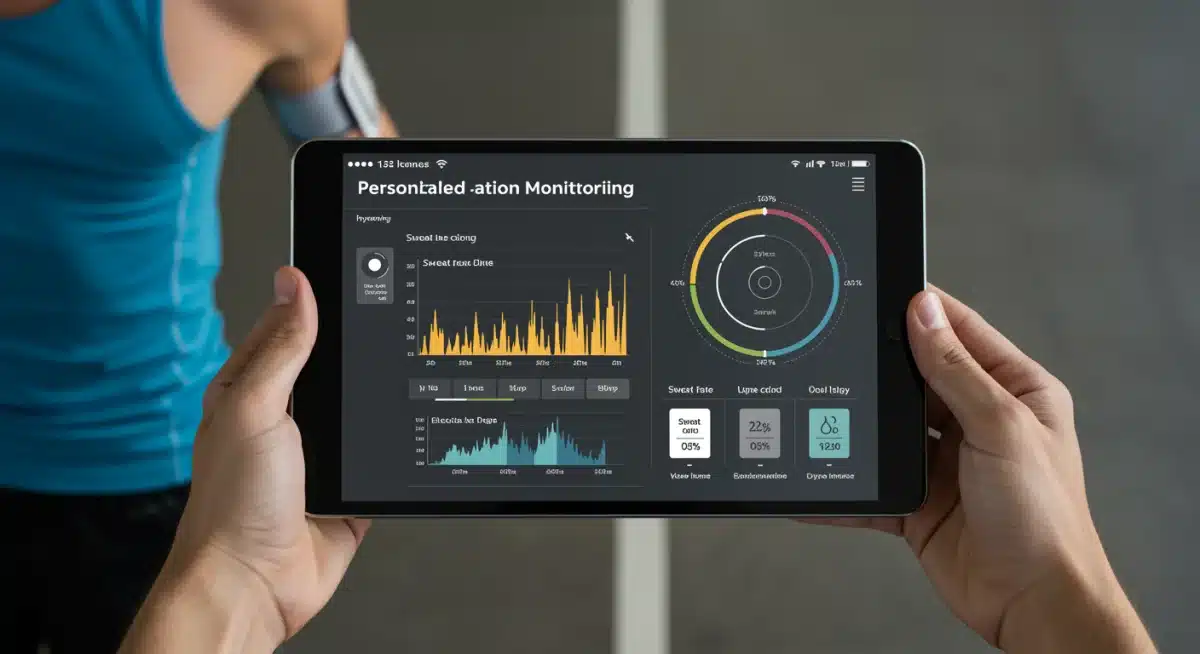
- Sweat Testing: More sophisticated sweat patch technologies and laboratory analyses are becoming mainstream, allowing athletes to precisely measure their individual sweat rate and electrolyte (particularly sodium) concentration in sweat. This data forms the basis for tailored fluid and electrolyte replacement plans.
- Genetic Profiling: Emerging research suggests that genetic predispositions can influence an individual’s sweat rate and electrolyte loss. While still in its nascent stages, genetic profiling may soon offer another layer of personalization to hydration strategies.
- Wearable Technology: Smart wearables are increasingly capable of monitoring physiological parameters in real-time, such as heart rate, core body temperature, and even early indicators of dehydration, providing actionable insights for athletes and coaches.
Advanced Hydration Beverages
The sports drink market is innovating rapidly. Beyond traditional carbohydrate-electrolyte solutions, newer formulations are emerging:
- Hypotonic and Isotonic Drinks: Understanding the osmolarity of drinks is key. Hypotonic drinks (lower solute concentration than blood) are absorbed faster, ideal for rapid rehydration. Isotonic drinks (similar solute concentration) provide a good balance of fluid and energy. Hypertonic drinks (higher solute concentration) are generally not recommended during exercise due to slower absorption and potential gastrointestinal distress.
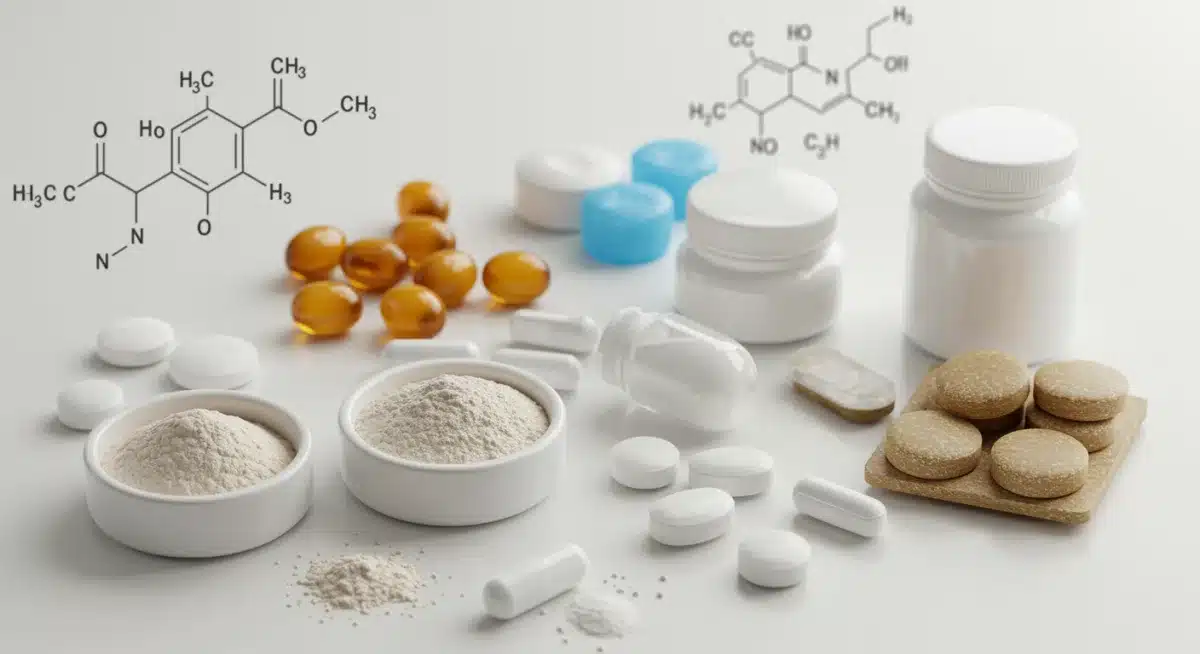
- Functional Ingredients: Some advanced hydration beverages are incorporating ingredients like branched-chain amino acids (BCAAs) for muscle recovery, adaptogens for stress reduction, and specific vitamins (e.g., B vitamins) to support energy metabolism. The scientific evidence for their efficacy in hydration context is continually being evaluated.
- Electrolyte-Rich Waters: Plain water infused with a balanced profile of electrolytes is gaining popularity as a lighter alternative to traditional sports drinks, especially for activities of moderate intensity or duration.
Strategic Use of Glycerol Hyperhydration
Glycerol hyperhydration, a technique involving consuming glycerol with a large volume of fluid, can increase total body water beyond normal levels, potentially delaying dehydration and improving endurance performance in hot environments. While not universally adopted due to potential side effects like gastrointestinal discomfort and its status on anti-doping lists (though generally permitted now), it remains a niche strategy for specific elite athletes under strict medical supervision.
The Impact of Environmental Factors on US Sports Hydration
Environmental conditions play a monumental role in determining hydration needs. The US, with its diverse climates, presents unique challenges for athletes:
Heat and Humidity
Exercising in hot and humid conditions significantly increases sweat rates, leading to greater fluid and electrolyte losses. Athletes competing in these environments must adopt aggressive hydration strategies. Acclimatization to heat is also crucial, as it leads to physiological adaptations that improve thermoregulation and reduce electrolyte losses in sweat.
High Altitude
At high altitudes, the air is drier, and respiratory water loss increases. Additionally, the body’s physiological response to altitude can lead to increased urine output. Athletes training or competing at altitude must pay extra attention to hydration, often requiring higher fluid intake than at sea level.
Cold Environments
While often overlooked, hydration is still critical in cold environments. Athletes may not perceive thirst as readily, but significant fluid loss can still occur through sweat (especially if overdressed) and increased respiratory water loss due to breathing dry, cold air. The desire for warm beverages can also lead to reduced overall fluid intake.
Practical Applications for US Athletes and Coaches
Implementing effective US sports hydration strategies requires a systematic approach:
- Assess Individual Needs: Utilize sweat testing, body weight monitoring, and urine color charts to understand an athlete’s unique hydration profile. Urine color, while a crude measure, can provide a quick daily check: pale yellow typically indicates good hydration, while darker colors suggest dehydration.
- Develop a Hydration Plan: Based on assessment data, create a personalized plan detailing fluid type, volume, and timing for before, during, and after training and competition.
- Educate Athletes: Empower athletes with knowledge about the importance of hydration, the signs of dehydration, and how to implement their personalized plans.
- Monitor and Adjust: Hydration needs can change based on training phase, environmental shifts, and even individual health. Regularly review and adjust hydration protocols as needed.
- Consider Professional Guidance: For elite athletes or those with specific health concerns, consulting with a sports dietitian or sports medicine physician is highly recommended to develop and refine hydration strategies.
Common Hydration Mistakes to Avoid in US Sports
Despite increased awareness, athletes still fall prey to common hydration pitfalls:
- Under-Hydration: The most prevalent mistake. Many athletes simply don’t drink enough, especially during training or in cooler conditions where thirst signals might be blunted.
- Over-Hydration (Hyponatremia): While less common than under-hydration, consuming excessive amounts of plain water without adequate electrolyte replacement, especially during prolonged endurance events, can lead to dangerously low sodium levels (hyponatremia). This can cause swelling, confusion, seizures, and in severe cases, be life-threatening.
- Reliance on Thirst: Thirst is an important signal, but it’s often a delayed indicator of dehydration. By the time an athlete feels thirsty, they may already be 1-2% dehydrated. Proactive hydration is key.
- Ignoring Electrolytes: Focusing solely on water intake and neglecting electrolyte replacement, especially sodium, can undermine performance and health, particularly during long or intense bouts of exercise.
- Inappropriate Beverage Choices: Sugary sodas, fruit juices (high in fructose), or highly caffeinated beverages are not ideal for rehydration due to their osmotic effects or diuretic properties.
The Future of Hydration Science in US Sports
Looking ahead to 2026 and beyond, the field of US sports hydration is poised for even greater breakthroughs. Miniaturized, non-invasive sensors capable of continuous, real-time monitoring of sweat composition and hydration status are on the horizon. Artificial intelligence and machine learning will likely play a more significant role in processing vast amounts of individual physiological data to generate highly predictive and adaptive hydration recommendations. Furthermore, a deeper understanding of the gut microbiome’s influence on fluid and electrolyte absorption could open new avenues for optimizing hydration strategies.
The integration of nutrition, sleep, and mental well-being alongside hydration will also become more seamless. Athletes will benefit from holistic performance ecosystems that provide integrated guidance across all these critical domains. The emphasis will continue to be on precision and personalization, moving towards a proactive rather than reactive approach to managing an athlete’s fluid and electrolyte balance.
Conclusion: Hydration as a Performance Edge
For US athletes striving for excellence in 2026, understanding and implementing optimal hydration strategies is no longer an optional add-on; it is a fundamental pillar of performance. From meticulous fluid intake schedules to precise electrolyte balance, every detail matters. The integration of advanced monitoring technologies, personalized protocols, and a deeper scientific understanding of the body’s needs are transforming how athletes approach hydration.
Coaches, trainers, and athletes themselves must remain informed about the latest research and practical applications to ensure that hydration becomes a consistent performance edge, not a limiting factor. By prioritizing smart, science-backed US sports hydration, athletes can enhance their endurance, sharpen their focus, accelerate recovery, and ultimately, achieve their highest potential on the field, court, or track.
The journey to peak performance is multifaceted, and proper hydration is undeniably one of its most critical, yet often underestimated, components. As sports science continues to advance, so too will our ability to precisely fuel and hydrate the next generation of American champions.