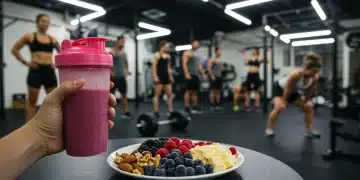
Maximize Recovery: 3 Post-Workout Healthy Recipes to Reduce Muscle Soreness by 25% within 24 Hours
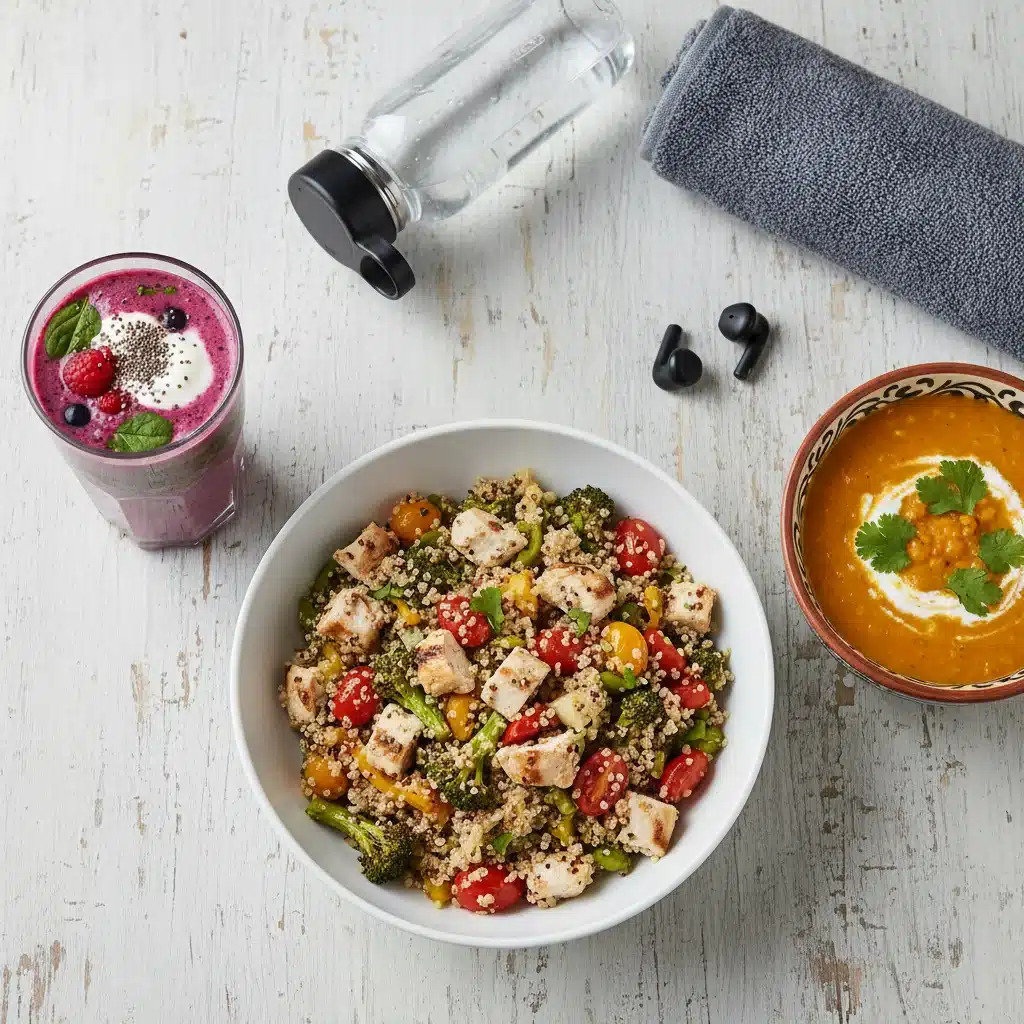
After pushing your limits in a strenuous workout, the last thing you want is to be sidelined by debilitating muscle soreness. Delayed Onset Muscle Soreness (DOMS) is a common, albeit unwelcome, companion for many fitness enthusiasts. While a certain degree of soreness indicates that your muscles have been challenged and are adapting, excessive discomfort can hinder your next training session and demotivate you. But what if you could significantly reduce that soreness, say by 25% within 24 hours, simply by optimizing your post-workout nutrition? The good news is, you can! This comprehensive guide delves into the science behind muscle recovery and provides three delicious, easy-to-prepare post-workout recovery recipes designed to help you bounce back faster and stronger.
The Science of Post-Workout Recovery: Why Nutrition Matters
Understanding why your muscles get sore after a workout is the first step to combating it effectively. During intense exercise, your muscle fibers experience microscopic tears. This is a normal and necessary part of the muscle-building process. However, these tears trigger an inflammatory response, leading to the pain and stiffness associated with DOMS. Proper post-workout nutrition plays a critical role in mitigating this inflammation, repairing damaged tissues, and replenishing energy stores.
Key Nutritional Components for Optimal Muscle Recovery
- Protein: The undisputed champion of muscle repair. Protein provides the amino acids necessary to rebuild and synthesize new muscle tissue. Aim for a good quality protein source within 30-60 minutes post-exercise to kickstart the recovery process.
- Carbohydrates: Essential for replenishing glycogen stores, your body’s primary energy source. Depleted glycogen can lead to fatigue and impaired performance in subsequent workouts. Complex carbohydrates are ideal for sustained energy and recovery.
- Healthy Fats: While often overlooked, healthy fats, particularly omega-3 fatty acids, possess powerful anti-inflammatory properties. They help reduce muscle soreness and promote overall cellular health.
- Antioxidants: Found abundantly in fruits and vegetables, antioxidants combat oxidative stress caused by exercise, further reducing inflammation and aiding recovery.
- Electrolytes and Hydration: Sweating during exercise leads to a loss of essential electrolytes. Rehydrating and replenishing these minerals is crucial for nerve function, muscle contractions, and overall bodily processes.
By strategically incorporating these elements into your post-workout recovery recipes, you can significantly accelerate your recovery, reduce soreness, and enhance your overall athletic performance. Our goal with these recipes is to help you achieve that 25% reduction in muscle soreness within 24 hours, allowing you to return to your training feeling refreshed and ready.
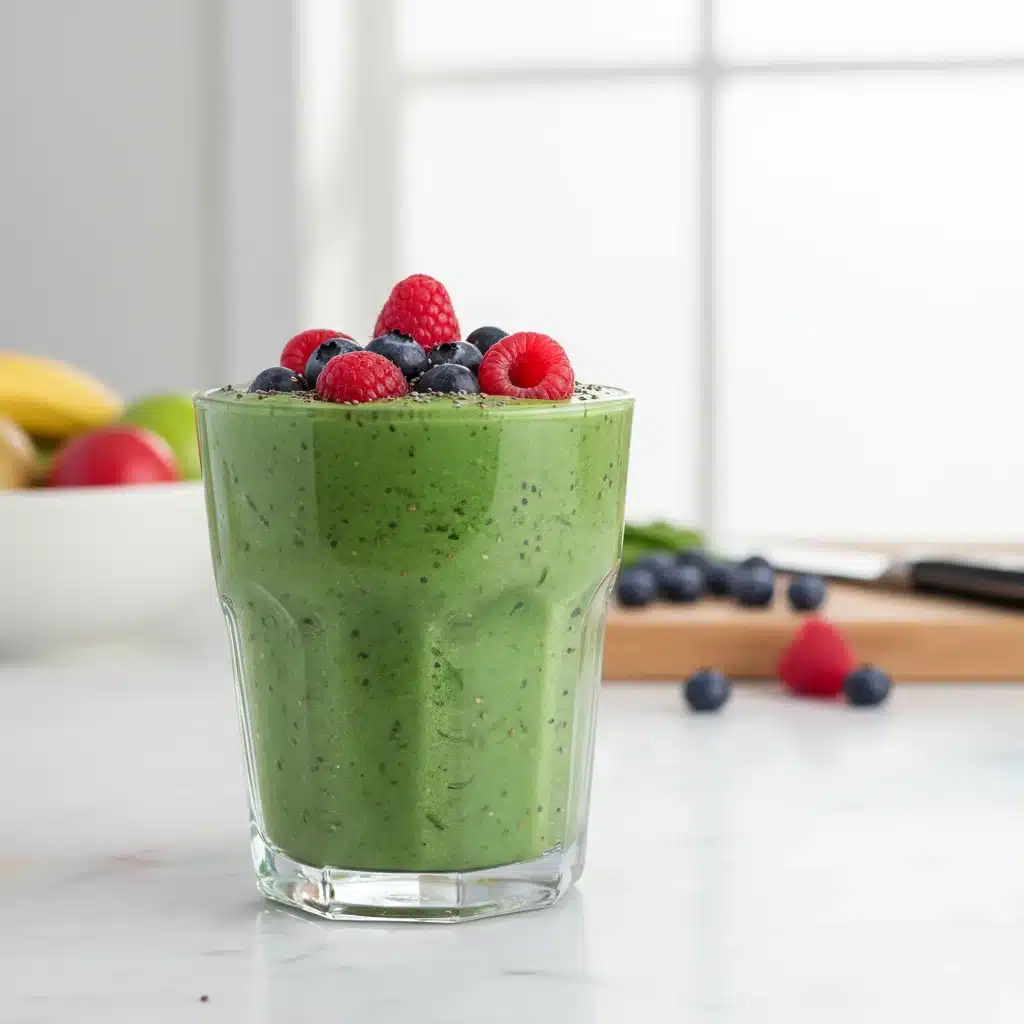
Recipe 1: The Berry & Spinach Power Smoothie – Your Anti-Inflammatory Elixir
This vibrant smoothie is packed with antioxidants, protein, and healthy fats, making it an ideal choice for rapid muscle repair and inflammation reduction. It’s quick to prepare, easy to digest, and delicious!
Ingredients:
- 1 cup unsweetened almond milk (or your preferred milk)
- 1 scoop vanilla or unflavored protein powder (whey, casein, or plant-based)
- 1 cup mixed berries (frozen is best for texture – blueberries, raspberries, strawberries)
- 1 cup fresh spinach (don’t worry, you won’t taste it!)
- 1 tablespoon chia seeds
- 1/2 ripe banana (for natural sweetness and potassium)
- Optional: 1/2 inch fresh ginger (powerful anti-inflammatory)
Preparation:
- Combine all ingredients in a high-speed blender.
- Blend until smooth and creamy. If too thick, add a splash more almond milk.
- Pour into a glass and enjoy immediately after your workout.
Why it Works for Post-Workout Recovery Recipes:
- Protein Powder: Provides a rapid source of amino acids for muscle repair.
- Mixed Berries: Bursting with anthocyanins, powerful antioxidants that combat exercise-induced oxidative stress and inflammation.
- Spinach: Rich in vitamins K, A, C, and folate, plus iron and anti-inflammatory compounds.
- Chia Seeds: An excellent source of omega-3 fatty acids (alpha-linolenic acid), which are crucial for reducing inflammation, as well as fiber and protein.
- Banana: Replenishes potassium, an essential electrolyte lost during sweating, and provides quick carbohydrates for glycogen replenishment.
- Ginger (Optional): A well-known natural anti-inflammatory, ginger can help soothe sore muscles.
This smoothie is not just a tasty treat; it’s a strategic recovery tool. Consuming it within that crucial 30-60 minute window post-exercise ensures your body gets the nutrients it needs to start rebuilding and reducing inflammation immediately. This proactive approach is key to achieving that 25% reduction in muscle soreness.
Recipe 2: Quinoa Power Bowl with Grilled Chicken & Roasted Veggies – The Complete Recovery Meal
For those times when you need a more substantial meal to refuel and rebuild, this quinoa power bowl is a perfect choice. It offers a balanced combination of complex carbohydrates, lean protein, and a spectrum of micronutrients.
Ingredients:
- 1 cup cooked quinoa
- 4-6 oz grilled chicken breast, sliced (or baked salmon/tempeh for plant-based)
- 1 cup mixed roasted vegetables (broccoli florets, bell peppers, zucchini, carrots)
- 1/4 avocado, sliced
- 1 tablespoon olive oil
- Juice of 1/2 lemon
- Salt and pepper to taste
- Optional: a sprinkle of fresh parsley or cilantro
Preparation:
- Cook Quinoa: Follow package instructions (typically 1 part quinoa to 2 parts water, simmer for 15 minutes).
- Roast Vegetables: Toss vegetables with 1/2 tablespoon olive oil, salt, and pepper. Roast at 400°F (200°C) for 15-20 minutes, or until tender-crisp.
- Grill Chicken: Season chicken breast with salt and pepper. Grill or pan-fry until cooked through. Slice into strips.
- Assemble: In a bowl, combine cooked quinoa, roasted vegetables, and sliced chicken.
- Dress: Drizzle with remaining 1/2 tablespoon olive oil and lemon juice. Top with sliced avocado and fresh herbs if desired.
Why it Works for Post-Workout Recovery Recipes:
- Quinoa: A complete protein and complex carbohydrate, providing sustained energy and all essential amino acids for muscle repair. It’s also gluten-free.
- Grilled Chicken (or Salmon/Tempeh): Excellent source of lean protein for muscle rebuilding. Salmon also provides anti-inflammatory omega-3s.
- Roasted Vegetables: A powerhouse of vitamins, minerals, and antioxidants to reduce inflammation and support overall health. The variety ensures a broad nutritional profile.
- Avocado: Provides healthy monounsaturated fats, which are anti-inflammatory, and also supplies potassium and other essential nutrients.
- Olive Oil: Another source of healthy fats with anti-inflammatory properties.
- Lemon Juice: Adds a fresh flavor and a boost of Vitamin C, an antioxidant.
This power bowl is a fantastic example of a balanced meal that supports comprehensive recovery. It addresses both muscle repair and energy replenishment, crucial for minimizing DOMS and preparing your body for future challenges. Integrating such substantial and nutrient-dense post-workout recovery recipes into your routine can make a significant difference in how quickly and effectively you recover.
Recipe 3: Creamy Sweet Potato & Lentil Soup – Comforting Warmth for Muscle Repair
Sometimes, after a tough workout, you crave something warm and comforting. This creamy sweet potato and lentil soup delivers on both fronts, providing protein, complex carbs, and anti-inflammatory nutrients in a soul-satisfying bowl. It’s also excellent for meal prepping!
Ingredients:
- 1 tablespoon olive oil
- 1 medium onion, chopped
- 2 cloves garlic, minced
- 1 inch fresh ginger, grated (optional, but highly recommended for anti-inflammatory boost)
- 1 large sweet potato, peeled and diced
- 1 cup red lentils, rinsed
- 4 cups vegetable broth
- 1 (14.5 oz) can diced tomatoes, undrained
- 1/2 cup full-fat coconut milk (for creaminess and healthy fats)
- 1 teaspoon curry powder (optional, for flavor and anti-inflammatory turmeric)
- Salt and black pepper to taste
- Fresh cilantro or parsley for garnish
Preparation:
- Sauté Aromatics: Heat olive oil in a large pot or Dutch oven over medium heat. Add onion and cook until softened, about 5 minutes. Add garlic and grated ginger (if using) and cook for another minute until fragrant.
- Add Main Ingredients: Stir in diced sweet potato, rinsed red lentils, vegetable broth, diced tomatoes, and curry powder (if using).
- Simmer: Bring the mixture to a boil, then reduce heat to low, cover, and simmer for 20-25 minutes, or until sweet potatoes are tender and lentils are cooked through.
- Blend (Optional): For a creamier soup, carefully transfer about half of the soup to a blender and blend until smooth, then return to the pot. Alternatively, use an immersion blender directly in the pot.
- Finish: Stir in the coconut milk. Season with salt and pepper to taste.
- Serve: Ladle into bowls and garnish with fresh cilantro or parsley.

Why it Works for Post-Workout Recovery Recipes:
- Sweet Potato: An excellent source of complex carbohydrates for glycogen replenishment, along with beta-carotene (an antioxidant) and potassium.
- Red Lentils: A fantastic plant-based protein source, providing essential amino acids for muscle repair, plus fiber for digestive health.
- Ginger & Curry Powder (Turmeric): Both are powerful anti-inflammatory agents that can significantly reduce muscle soreness and promote healing.
- Coconut Milk: Contributes healthy fats and a luxurious creaminess, helping with satiety and nutrient absorption.
- Tomatoes: Rich in lycopene, another potent antioxidant that helps combat oxidative stress.
- Vegetable Broth: Provides hydration and essential minerals, supporting overall fluid balance.
This soup is a testament to how comforting food can also be incredibly effective for recovery. Its nutrient density and warm nature make it an ideal choice for replenishing your body after a challenging workout, contributing to that desired 25% reduction in soreness.
Beyond the Plate: Holistic Recovery Strategies
While these post-workout recovery recipes are powerful tools, remember that nutrition is just one piece of the recovery puzzle. To truly maximize your recovery and reduce muscle soreness by 25% or more within 24 hours, consider integrating these additional strategies:
1. Prioritize Sleep:
Sleep is when your body does most of its repair work. Aim for 7-9 hours of quality sleep per night. During deep sleep, your body releases growth hormone, which is crucial for muscle repair and regeneration.
2. Stay Hydrated:
Water is involved in almost every bodily function, including nutrient transport and waste removal. Dehydration can exacerbate muscle soreness and impair performance. Drink water consistently throughout the day, especially before, during, and after exercise.
3. Incorporate Active Recovery:
Light activities like walking, cycling at a low intensity, or gentle stretching can improve blood flow to sore muscles, helping to flush out metabolic waste products and deliver fresh nutrients. This can significantly reduce DOMS.
4. Consider Foam Rolling or Massage:
These techniques can help release muscle knots, improve flexibility, and increase blood circulation, all of which contribute to faster recovery and reduced soreness. Even 10-15 minutes of foam rolling can make a difference.
5. Listen to Your Body:
Overtraining can lead to persistent soreness and increased injury risk. Pay attention to your body’s signals and allow for adequate rest days. Sometimes, a full rest day is more beneficial than pushing through soreness.
The Impact of Consistent Recovery Nutrition
The consistent application of these post-workout recovery recipes and holistic strategies will not only help you reduce muscle soreness but also:
- Improve Performance: A well-recovered body can perform better, leading to more productive workouts and faster progress towards your fitness goals.
- Reduce Injury Risk: Strong, well-repaired muscles are less prone to injury.
- Boost Energy Levels: Proper nutrition replenishes energy stores, preventing post-workout fatigue.
- Enhance Mood and Motivation: Feeling less sore and more energized can significantly improve your overall outlook on fitness.
Imagine being able to hit your next workout feeling only 75% of the soreness you typically experience. This 25% reduction isn’t just a number; it translates to greater comfort, enhanced motivation, and the ability to maintain consistency in your training. By making these healthy, recovery-focused meals a staple in your diet, you’re investing in your long-term fitness success and overall well-being.
Conclusion: Fuel Your Fitness, Enhance Your Recovery
Don’t let muscle soreness dictate your fitness journey. By strategically incorporating these three delicious and nutrient-dense post-workout recovery recipes into your routine, you can actively reduce inflammation, repair muscle tissue, and replenish energy stores. The Berry & Spinach Power Smoothie, Quinoa Power Bowl with Grilled Chicken & Roasted Veggies, and Creamy Sweet Potato & Lentil Soup are more than just meals; they are powerful tools designed to help you achieve a remarkable 25% reduction in muscle soreness within 24 hours. Combine these nutritional powerhouses with adequate sleep, hydration, and active recovery, and you’ll unlock a new level of performance and enjoyment in your fitness endeavors. Start fueling your recovery today and experience the difference!