Pantry Optimization: 3-Step Meal Planning for Shelf Life & Savings
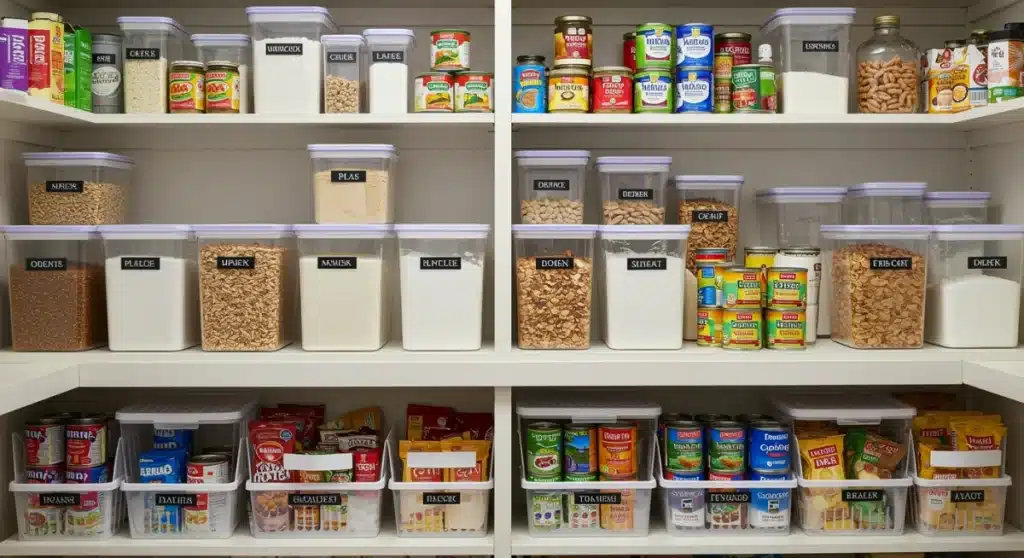
This guide outlines a practical 3-step meal planning approach to optimize your pantry, significantly extending food shelf life and potentially saving you 12% on annual food costs.
Are you tired of throwing away expired food or constantly buying ingredients you already have? Mastering optimizing your pantry: a 3-step meal planning guide to maximize shelf life and save 12% on food annually is more than just a trend; it’s a fundamental shift towards a more sustainable and economical household. This guide will walk you through actionable strategies to transform your kitchen, reduce food waste, and put more money back into your pocket.
Understanding the Core Problem: Food Waste and Overspending
Before diving into solutions, it’s crucial to acknowledge the scale of the problem. In the United States, an alarming amount of food goes to waste every year, impacting both household budgets and environmental sustainability. Much of this waste stems from poor pantry management and a lack of coherent meal planning, leading to forgotten items, expired goods, and impulse purchases.
Many households find themselves in a cycle of buying too much, storing it improperly, and then discarding it. This not only inflates grocery bills but also contributes to a larger ecological footprint. Recognizing these patterns is the first step toward breaking them and adopting more mindful consumption habits. The financial drain can be substantial, with families often underestimating how much they truly spend on food that never gets eaten.
The Hidden Costs of Disorganization
- Financial Loss: Every item thrown away represents money spent unnecessarily.
- Time Waste: Searching for ingredients in a cluttered pantry wastes valuable time.
- Environmental Impact: Food waste contributes significantly to landfill emissions.
- Stress and Frustration: A disorganized kitchen can lead to daily stress during meal preparation.
By understanding these underlying issues, we can better appreciate the value of a structured approach to pantry optimization and meal planning. It’s not just about saving money; it’s about creating a more efficient, less stressful, and environmentally conscious home environment. This foundational understanding sets the stage for implementing effective strategies.
Step 1: Inventory and Organization – The Foundation of Efficiency
The first critical step in optimizing your pantry: a 3-step meal planning guide to maximize shelf life and save 12% on food annually is a thorough inventory and organization process. You cannot plan effectively if you don’t know what you already have. This step involves decluttering, categorizing, and ensuring proper storage conditions for all your food items, from dry goods to refrigerated and frozen products.
Begin by emptying your pantry, refrigerator, and freezer completely. This allows you to see every item, check expiration dates, and identify anything that needs to be used up quickly or discarded. It might seem like a daunting task, but a clean slate is essential for effective reorganization. As you go through items, group similar products together and note down quantities.
Categorizing and Storing for Longevity
Once everything is laid out, start categorizing. Think about how you use your ingredients. Do you have a baking section, a pasta and grains section, or a dedicated spot for spices? Logical grouping makes it easier to find what you need and prevents items from getting lost at the back of shelves. Proper storage is equally vital; airtight containers are your best friends for dry goods, protecting them from pests and moisture.
- Dry Goods: Store in clear, airtight containers. Label with contents and purchase dates.
- Canned Goods: Arrange by type and ‘first in, first out’ (FIFO) method.
- Fresh Produce: Understand ideal storage conditions (e.g., refrigerate leafy greens, store potatoes in a cool, dark place).
- Frozen Items: Label with contents and date of freezing to track freshness.
Remember to utilize vertical space with shelves and risers, and consider door organizers for smaller items. The goal is to make everything visible and accessible. This initial investment of time in organizing will pay dividends in reduced waste and streamlined meal preparation. A well-organized pantry encourages mindful consumption and prevents duplicate purchases.
Step 2: Strategic Meal Planning – Maximizing What You Have
With your pantry meticulously inventoried and organized, the next crucial step in optimizing your pantry: a 3-step meal planning guide to maximize shelf life and save 12% on food annually is strategic meal planning. This isn’t just about deciding what to eat; it’s about building meals around ingredients you already possess, especially those nearing their expiration or ‘best by’ dates. This approach significantly reduces waste and guides your grocery shopping.
Start your meal planning process by reviewing your inventory list. Prioritize ingredients that need to be used soon. For example, if you have a bag of spinach that’s starting to wilt, plan a dish like a spinach omelet or a green smoothie for the next day. If you have ground beef nearing its date, a chili or taco night becomes a priority. This ‘use it up’ mentality is central to effective meal planning.
Developing a Flexible Meal Plan
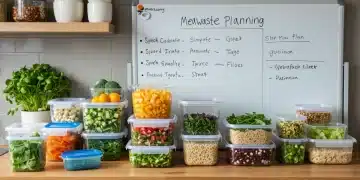
While a detailed weekly plan is beneficial, flexibility is key. Life happens, and plans change. Instead of rigid daily menus, consider themes for days (e.g., ‘Meatless Monday,’ ‘Taco Tuesday’) or a list of potential meals you can mix and match based on your schedule and cravings. This adaptability ensures you stick to your plan without feeling constrained.
- Check Inventory First: Always consult your pantry, fridge, and freezer before planning.
- Prioritize ‘Use-It-Up’ Items: Build meals around ingredients expiring soon.
- Plan for Leftovers: Cook larger portions to create easy lunches or another dinner.
- Seasonal Produce: Incorporate seasonal fruits and vegetables for freshness and cost-effectiveness.

When creating your grocery list, only add items that are absolutely necessary for your planned meals and are not already in your pantry. Avoid impulse buys. Sticking to a well-thought-out list is one of the most effective ways to save money and prevent unnecessary food accumulation. This disciplined approach transforms your shopping trips into purposeful missions, rather than aimless wanderings.
Step 3: Smart Shopping and Storage Techniques – Sustaining Savings
The final step in optimizing your pantry: a 3-step meal planning guide to maximize shelf life and save 12% on food annually involves implementing smart shopping habits and advanced storage techniques. This ensures that the efforts from steps one and two are sustained over time, continually reducing waste and maximizing your savings. It’s about making conscious choices at the grocery store and maintaining optimal conditions at home.
Before heading to the store, always double-check your meal plan and inventory list. This prevents buying duplicates or items you won’t use. Consider buying non-perishable staples in bulk when they are on sale, but only if you have adequate storage space and a clear plan to use them before they expire. Bulk buying can be a double-edged sword if not managed correctly, potentially leading to more waste if items are forgotten.
Advanced Storage for Extended Shelf Life
Beyond basic organization, mastering specific storage techniques can dramatically extend the life of your produce and other perishables. For instance, understanding that certain fruits (like apples and bananas) emit ethylene gas that can ripen other produce faster allows you to store them separately. Learning how to properly blanch and freeze vegetables can preserve their nutrients and extend their usability for months.
- Vacuum Sealing: Great for meats, cheeses, and even some produce to prevent freezer burn and spoilage.
- Pickling/Fermenting: Traditional methods to preserve vegetables and add unique flavors.
- Dehydration: Ideal for fruits, herbs, and some vegetables to create shelf-stable snacks or ingredients.
- Root Cellaring (or simulated): A cool, dark, and humid environment is perfect for storing potatoes, onions, and root vegetables for longer periods.
Upon returning from the grocery store, immediately put away perishable items using the ‘first in, first out’ (FIFO) method, placing older items at the front. This simple habit ensures that older inventory is consumed before newer purchases. Consistently applying these smart shopping and storage techniques is what truly cements the long-term benefits of pantry optimization, leading to sustained savings and minimal food waste.
Leveraging Technology for Pantry Management
In today’s digital age, various tools and apps can significantly enhance your efforts in optimizing your pantry: a 3-step meal planning guide to maximize shelf life and save 12% on food annually. These technological aids can simplify inventory tracking, streamline meal planning, and even help you find recipes based on the ingredients you already have. Embracing these resources can make the entire process more efficient and less time-consuming.
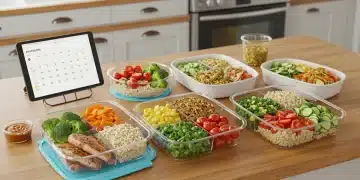
Many apps allow you to create a digital inventory of your pantry, complete with expiration dates and quantities. Some even integrate with recipe databases, suggesting meals you can prepare with your current stock. This eliminates the guesswork and helps you use up ingredients before they spoil. Furthermore, these apps can generate smart shopping lists, ensuring you only buy what you truly need.
Popular Tools and Their Benefits
Consider exploring apps specifically designed for meal planning and inventory management. These often come with features like barcode scanning for easy entry, customizable categories, and even cost tracking. The convenience offered by these tools can be a game-changer for busy individuals and families looking to optimize their food management without adding significant burden.
- Inventory Tracking Apps: Keep a real-time record of all your food items and their expiration dates.
- Meal Planning Apps: Generate weekly meal plans and grocery lists based on your preferences and pantry stock.
- Recipe Suggestion Platforms: Discover recipes that utilize ingredients you need to use up.
- Digital Grocery Lists: Sync across devices and share with family members for coordinated shopping.
While technology can be a powerful ally, remember that it’s a tool to support your efforts, not replace them. The fundamental principles of inventory, planning, and smart storage remain paramount. However, by integrating these digital solutions, you can elevate your pantry optimization strategy, making it more robust and sustainable in the long run. This blend of traditional habits and modern tools creates a highly effective system.
The Economic and Environmental Impact of Smart Pantry Management
Beyond the immediate benefits of a well-organized kitchen and reduced daily stress, optimizing your pantry: a 3-step meal planning guide to maximize shelf life and save 12% on food annually carries significant economic and environmental implications. The cumulative effect of individual households adopting these practices can lead to substantial positive change, both financially and ecologically.
Economically, saving 12% on food annually translates into hundreds, if not thousands, of dollars back into your household budget. This money can be reallocated to other essential expenses, savings, or even discretionary spending. It’s a tangible return on the investment of time and effort put into organizing and planning. Over a lifetime, these savings compound, creating a noticeable financial advantage.
Contributing to a Sustainable Future
Environmentally, reducing food waste is a powerful step towards sustainability. When food is discarded, all the resources used to produce, process, transport, and store it are also wasted. Furthermore, food decomposing in landfills produces methane, a potent greenhouse gas that contributes to climate change. By minimizing waste, you directly contribute to reducing these environmental burdens.
- Reduced Carbon Footprint: Less food waste means fewer resources consumed and less methane produced.
- Resource Conservation: Water, energy, and land are preserved when food is not unnecessarily discarded.
- Support for Sustainable Agriculture: More mindful consumption can encourage more efficient food production systems.
- Community Impact: Reduced individual waste can free up resources and inspire broader community efforts.
The ripple effect of smart pantry management extends beyond your kitchen. It fosters a greater appreciation for food, encourages responsible consumption, and aligns with broader goals of environmental stewardship. By embracing these practices, you’re not just managing your pantry; you’re actively participating in a movement towards a more sustainable and economically sound future for everyone. It’s a testament to how small, consistent changes can lead to significant positive outcomes.
Overcoming Common Challenges in Pantry Optimization
Even with the best intentions, implementing optimizing your pantry: a 3-step meal planning guide to maximize shelf life and save 12% on food annually can present challenges. Space constraints, busy schedules, and the sheer volume of food items can feel overwhelming. However, by anticipating these hurdles and adopting practical strategies, you can successfully navigate them and maintain your organized and efficient pantry.
One common challenge is limited storage space. Not everyone has a large, dedicated pantry. In such cases, creativity is key. Utilize vertical space with stackable containers and shelves, consider under-bed storage for bulk non-perishables, or repurpose unused cabinets. The goal is to make the most of the space you have, even if it means thinking outside the traditional pantry box.
Practical Solutions for Persistent Problems
Another hurdle is maintaining consistency. Initial enthusiasm for organization can wane over time. To combat this, schedule regular, perhaps monthly, mini-inventory checks and tidying sessions. Make it a routine, like paying bills, to ensure your pantry doesn’t revert to chaos. Involve family members in the process; everyone can contribute to keeping the system running smoothly.
- Space Limitations: Use vertical organizers, stackable containers, and consider off-kitchen storage.
- Time Constraints: Break down tasks into smaller, manageable chunks; schedule regular, short maintenance sessions.
- Pest Control: Ensure all dry goods are in airtight containers to prevent infestations.
- Seasonal Overstocking: Be mindful of sales and bulk purchases, only buying what you can realistically use and store.
Dealing with expiring food can also be a challenge. Develop a ‘eat me first’ shelf or basket in your fridge and pantry for items nearing their expiration date. This visual cue encourages immediate consumption. Don’t be afraid to get creative with recipes to use up these items, perhaps turning them into soups, smoothies, or baked goods. By addressing these common challenges head-on, you can ensure your pantry optimization efforts are sustainable and truly effective in the long term.
| Key Aspect | Brief Description |
|---|---|
| Inventory & Organization | Thoroughly catalog existing food, declutter, and store items properly to prevent waste. |
| Strategic Meal Planning | Plan meals prioritizing existing ingredients, especially those nearing expiration, to reduce waste. |
| Smart Shopping & Storage | Buy only what’s needed and use advanced storage methods to extend food shelf life. |
| Tech Integration | Utilize apps for inventory, meal planning, and recipe suggestions to enhance efficiency. |
Frequently Asked Questions About Pantry Optimization
By consistently applying the 3-step meal planning and pantry optimization guide, many households can expect to save around 12% on their annual food budget. This figure is based on reducing food waste, avoiding impulse buys, and making the most of existing ingredients.
FIFO stands for ‘First In, First Out.’ It’s a storage principle where you use older inventory before newer items. When stocking your pantry, place newly purchased items behind older ones. This ensures that food is consumed within its freshness window, preventing spoilage and waste.
A full, deep pantry inventory is recommended every 1-3 months, depending on your household’s consumption rate and pantry size. However, a quick check before each meal planning session (typically weekly) is essential to identify items needing immediate use and to guide your grocery list.
Clear, airtight containers are highly recommended for dry goods like pasta, rice, flour, and cereals. They protect against pests and moisture, extend shelf life, and allow you to easily see contents and quantities. Glass or BPA-free plastic options are excellent choices for durability and safety.
Absolutely. Meal planning doesn’t have to be rigid. Start with planning just 2-3 meals a week and gradually increase. Utilize ‘theme nights’ or batch cooking on weekends to prepare components in advance. Technology, like meal planning apps, can also significantly reduce the time commitment.
Conclusion
Embracing the principles of optimizing your pantry: a 3-step meal planning guide to maximize shelf life and save 12% on food annually is a transformative journey for any household. By systematically inventorying, strategically planning meals around existing stock, and adopting smart shopping with advanced storage techniques, you unlock significant financial savings and contribute positively to environmental sustainability. This holistic approach not only streamlines your kitchen operations but also fosters a deeper appreciation for the food you consume, embodying the core values of mindful living and responsible resource management. The consistent application of these steps will not only save you money but also reduce stress and enhance your overall quality of life.