Insider Report: 5 High-Impact Meal Planning Hacks for Busy Professionals in 2025
This insider report reveals five high-impact meal planning hacks specifically designed for busy professionals in 2025, offering practical strategies to optimize nutrition, reclaim time, and alleviate the stress of daily food choices.
In the relentless pace of modern professional life, the quest for a balanced diet often feels like an unattainable luxury. The demands of careers, personal commitments, and the constant digital influx leave little room for thoughtful meal preparation. This is where an Insider Report: 5 High-Impact Meal Planning Hacks for Busy Professionals in 2025 becomes not just helpful, but essential. Navigating the complex landscape of nutrition while juggling a packed schedule requires more than just good intentions; it demands smart strategies.
Understanding the Modern Professional’s Dietary Challenges
Busy professionals face a unique set of obstacles when it comes to maintaining a healthy diet. Long working hours often lead to irregular eating patterns, reliance on convenient but unhealthy takeout, and a general lack of time for grocery shopping or cooking. The mental load of decision-making, already high at work, extends to food choices, leading to fatigue and poor nutritional outcomes.
Moreover, the pressure to perform at peak levels means that energy slumps caused by inadequate nutrition can directly impact productivity and focus. Many find themselves in a cycle of quick fixes, such as sugary snacks or excessive caffeine, which provide temporary boosts but ultimately undermine long-term health and sustained energy levels. Addressing these challenges requires a shift from reactive eating to proactive planning.
The Time-Energy Crunch
The most significant hurdle for professionals is often the perceived lack of time and energy. After a demanding workday, the thought of cooking an elaborate meal can be daunting. This often results in:
- Skipping meals or eating irregularly.
- Opting for processed foods high in unhealthy fats, sugar, and sodium.
- Increased stress around food decisions, adding to overall burnout.
Understanding these core challenges is the first step toward implementing effective meal planning solutions. The goal is not just to eat healthier, but to create a sustainable system that integrates seamlessly into a busy lifestyle, making healthy eating an effortless habit rather than a chore.
The modern professional’s dietary challenges extend beyond just time constraints; they encompass mental fatigue, the abundance of unhealthy convenient options, and the constant pressure to maintain high performance. Recognizing these intricate factors is crucial for developing meal planning strategies that are truly effective and sustainable in the long run. It’s about empowering individuals to make better choices, even when time and energy are at a premium.
Hack 1: The ‘Strategic Batch Cooking’ Revolution
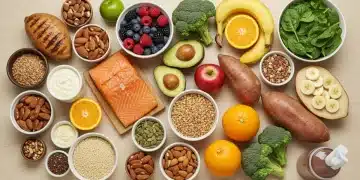
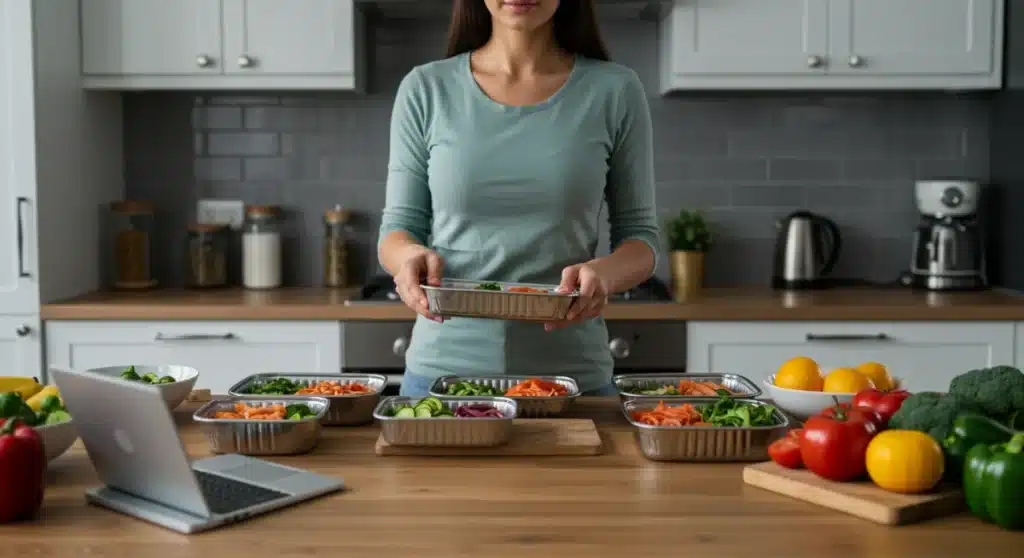
Strategic batch cooking goes beyond simply making a large quantity of food; it involves intentional planning to create versatile components that can be mixed and matched throughout the week. This hack is a game-changer for busy professionals, dramatically cutting down daily cooking time without sacrificing nutritional variety or freshness. Instead of cooking full meals, focus on preparing individual elements like grains, proteins, and roasted vegetables.
For instance, you might roast a large tray of mixed vegetables, cook a batch of quinoa or brown rice, and grill a significant amount of chicken or fish. These components, stored separately, can then be assembled into different meals quickly. One day, the chicken and quinoa might become a salad; the next, they could be combined with roasted vegetables for a warm bowl. This approach maximizes efficiency and minimizes boredom.
Component-Based Preparation
The core of strategic batch cooking lies in preparing foundational components. This means:
- Proteins: Cook lean meats (chicken breast, ground turkey), fish, or plant-based proteins (lentils, beans, tofu) in larger quantities.
- Grains: Prepare staples like quinoa, brown rice, farro, or even pasta that can be reheated or used cold in salads.
- Vegetables: Roast or steam a variety of seasonal vegetables that pair well with different dishes.
This method ensures that a healthy base is always on hand, reducing the temptation to resort to less nutritious options when hunger strikes. The initial investment of time on a weekend pays dividends throughout the busy workweek, freeing up evenings for relaxation or other commitments. It transforms meal preparation from a daily burden into a streamlined, efficient process.
By adopting strategic batch cooking, professionals can enjoy homemade, nutritious meals without the daily grind of extensive cooking. This method optimizes time and resources, making healthy eating a practical reality rather than an aspirational goal. It’s about working smarter, not harder, in the kitchen.
Hack 2: Leveraging ‘Smart Freezer-Friendly Meals’
The freezer is an underutilized asset for busy professionals. Preparing smart freezer-friendly meals involves cooking full dishes that can be frozen in individual portions and reheated quickly. This hack is particularly effective for those days when even assembling components feels like too much effort. Think stews, chilis, soups, and even some casseroles that hold up well to freezing and thawing.
The key is to choose recipes that maintain their texture and flavor after being frozen. Labeling containers with dates and contents is also crucial for organization. Imagine arriving home after an exhausting day and having a delicious, homemade meal ready to heat in minutes – this is the power of smart freezer-friendly meals. It eliminates the decision fatigue of what to cook and the temptation of ordering takeout.
Selecting Optimal Freezer Recipes
Not all meals are created equal when it comes to freezing. Focus on:
- Liquid-rich dishes: Soups, stews, and chilis tend to freeze beautifully.
- Casseroles: Many baked dishes, especially those with grains or pasta, can be frozen before or after baking.
- Pre-portioned ingredients: Freeze chopped vegetables, pre-marinated meats, or even smoothie packs for quick assembly.
The ability to pull a complete, nutritious meal from the freezer at a moment’s notice is invaluable. It acts as a safety net, ensuring that even on the busiest or most tiring days, healthy eating remains accessible. This strategy not only saves time but also reduces food waste by preserving prepared meals for longer periods. It’s a proactive approach to maintaining dietary consistency.
Implementing smart freezer-friendly meals is a strategic move for any busy professional aiming for better nutrition. It provides convenience without compromise, ensuring that healthy, home-cooked food is always within reach, regardless of how demanding the schedule becomes. This hack is about future-proofing your meals.
Hack 3: The Power of ‘Digital Meal Planning Apps’
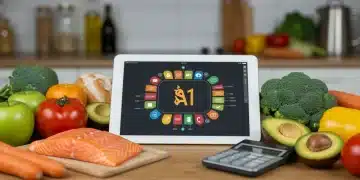
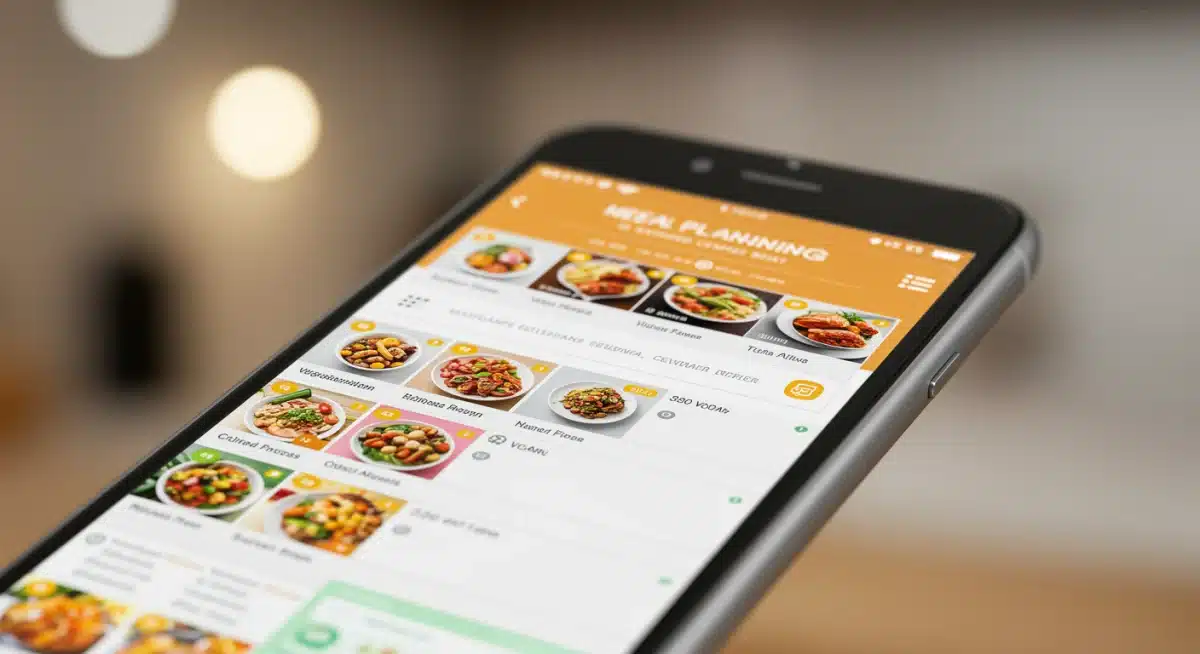
In 2025, digital meal planning apps have evolved into sophisticated tools that can revolutionize how busy professionals approach their food. These apps do more than just store recipes; they can generate personalized meal plans based on dietary preferences, nutritional goals, and even available ingredients. Many apps integrate with grocery delivery services, creating shopping lists and placing orders automatically.
This hack significantly reduces the mental load associated with meal planning. Instead of spending hours researching recipes or trying to figure out what to eat, the app does the heavy lifting. It can track macros, suggest new dishes, and even adjust portion sizes. For a professional with limited free time, this automation is a game-changer, turning a potentially stressful task into a seamless, efficient process.
Key Features to Look For
When choosing a meal planning app, consider features such as:
- Customizable meal plans: Ability to adapt to specific dietary needs (keto, vegan, gluten-free, etc.).
- Automated grocery lists: Generates lists based on your plan and can often integrate with online shopping.
- Recipe database: A vast collection of healthy, quick recipes, ideally with user ratings and reviews.
- Nutritional tracking: Monitors calorie intake, macros, and micronutrients.
The right digital tool can act as a personal nutritionist and a kitchen assistant, all in one. It streamlines the entire meal planning process, from inspiration to execution, making healthy eating more accessible and less time-consuming. This technology empowers professionals to make informed dietary choices with minimal effort, ensuring consistent nutrition.
Embracing digital meal planning apps is a smart move for busy professionals seeking to optimize their diet without adding to their already demanding schedules. These tools offer unparalleled convenience and customization, making healthy eating an integrated part of a modern lifestyle. It’s about leveraging technology to achieve wellness goals.
Hack 4: ‘Efficient Grocery Shopping Strategies’
Even the most meticulously planned meals can fall apart without an efficient grocery shopping strategy. This hack focuses on minimizing time spent in stores and ensuring you have all the necessary ingredients without overspending or generating waste. For busy professionals, this often means embracing online grocery delivery or curbside pickup services.
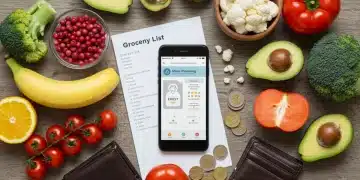
Creating a master grocery list, categorized by store section, can also significantly cut down shopping time. Before you even leave for the store (or click ‘order’), check your pantry and fridge to avoid duplicate purchases. This strategic approach transforms grocery shopping from a time-consuming chore into a quick, streamlined task that supports your meal planning efforts.
Maximizing Your Grocery Run
To make grocery shopping more efficient:
- Use online services: Schedule delivery or pickup to save precious time.
- Categorize your list: Organize items by sections of the store to move quickly and avoid backtracking.
- Shop once a week: Consolidate trips to minimize travel and decision-making time.
- Buy in bulk wisely: Purchase non-perishable staples in larger quantities to save money and reduce frequency of purchase.
An efficient grocery shopping strategy ensures that your kitchen is always stocked with the ingredients needed for your planned meals. It removes a common bottleneck in the meal planning process, making it easier to stick to healthy eating habits. This hack is about optimizing the logistical side of food preparation, ensuring a smooth transition from plan to plate.
By implementing efficient grocery shopping strategies, busy professionals can reclaim valuable time and reduce stress. This methodical approach supports consistent healthy eating by ensuring that ingredients are readily available, making meal preparation a much smoother and more enjoyable experience. It’s an indispensable component of successful meal planning.
Hack 5: ‘The 15-Minute Meal Framework’
Even with batch cooking and freezer meals, some days demand even quicker solutions. The 15-minute meal framework is designed for those moments, providing a template for assembling nutritious meals in under a quarter of an hour. This hack relies on having a few key ingredients always on hand and a simple formula for combining them into a satisfying dish. It’s about minimal cooking, maximum flavor, and immediate gratification.
The framework typically involves a pre-cooked protein (from batch cooking or a quick-cook option like canned tuna/beans), a quick-cook carb (like instant rice or whole-wheat tortillas), and fresh vegetables (pre-chopped or quick-prep like spinach). Add a healthy fat and a flavorful sauce, and you have a complete meal. This hack is crucial for preventing reliance on unhealthy fast food when time is extremely limited.
Building Your 15-Minute Meal
A typical 15-minute meal might look like this:
- Protein: Canned salmon, pre-cooked chicken, hard-boiled eggs, or tofu.
- Carb: Whole-wheat pita, instant brown rice, or a sweet potato microwaved.
- Vegetables: Bagged salad mix, cherry tomatoes, pre-chopped bell peppers, or baby spinach.
- Healthy Fats/Sauce: Avocado, olive oil, hummus, or a light vinaigrette.
This framework provides a flexible yet structured approach to quick meals. It removes the guesswork and decision fatigue, allowing busy professionals to whip up a healthy meal almost instantly. It’s an essential tool in the meal planning arsenal, ensuring that even on the most chaotic days, nutritious food is achievable. This hack champions speed without sacrificing health.
The 15-minute meal framework is a lifeline for busy professionals, ensuring that healthy eating remains feasible even when time is critically short. It promotes quick, nutritious solutions, effectively combatting the urge for unhealthy convenience foods and supporting sustained energy and focus throughout the workday. This hack is about mastering the art of rapid, wholesome meals.
Integrating Meal Planning into a Hectic Schedule
Successfully integrating meal planning into a busy professional’s life is about more than just individual hacks; it’s about creating a holistic system that supports consistency and sustainability. The key lies in finding what works best for your specific schedule and preferences, and then consistently applying those strategies. It requires a mindset shift from viewing meal prep as a chore to seeing it as an investment in your health and productivity.
Start small, perhaps by implementing just one or two hacks, and gradually build up your meal planning routine. Consistency is more important than perfection. Even planning for just a few days a week can make a significant difference. Remember, the goal is to reduce stress, improve nutrition, and free up mental bandwidth, not to add another layer of complexity to your life.
Developing a Sustainable Routine
To ensure meal planning sticks:
- Schedule it: Dedicate a specific time each week for planning and initial prep, treating it like any other important appointment.
- Be flexible: Life happens. Have backup options (like freezer meals or 15-minute meal components) for when plans go awry.
- Track progress: Notice how meal planning positively impacts your energy, focus, and overall well-being. This reinforcement can be a powerful motivator.
The journey to effective meal planning is iterative. It involves continuous learning and adaptation. By thoughtfully integrating these high-impact hacks, busy professionals can transform their relationship with food, making healthy eating an effortless and enjoyable part of their demanding lives. It’s about empowering yourself to thrive, both professionally and personally, through better nutrition.
Ultimately, integrating meal planning into a hectic schedule is about empowering yourself to make healthier choices consistently. It’s an investment in your well-being, providing the sustained energy and mental clarity needed to excel in your professional life. These hacks are tools to build a more nourished and less stressful future.
| Key Hack | Brief Description |
|---|---|
| Strategic Batch Cooking | Prepare versatile components (proteins, grains, veggies) once a week for mix-and-match meals. |
| Smart Freezer-Friendly Meals | Cook and freeze full meals in portions for quick reheating on busy days. |
| Digital Meal Planning Apps | Utilize apps for personalized plans, automated grocery lists, and nutritional tracking. |
| 15-Minute Meal Framework | Assemble quick, nutritious meals using pre-cooked proteins, fast carbs, and fresh veggies. |
Frequently Asked Questions About Meal Planning for Professionals
Strategic batch cooking, focusing on preparing versatile meal components like proteins, grains, and roasted vegetables once a week, is arguably the biggest time-saver. It significantly reduces daily cooking demands, allowing for quick assembly of various meals throughout the busy workweek without repetitive effort.
To avoid boredom, focus on preparing versatile components that can be combined in different ways. Vary seasonings, sauces, and add fresh elements daily. Digital meal planning apps can also suggest diverse combinations using your prepped ingredients, ensuring variety and preventing meal fatigue.
For many busy professionals, the convenience and efficiency offered by digital meal planning apps often outweigh their cost. They save time on planning, grocery shopping, and nutritional tracking, ultimately reducing stress and promoting healthier eating habits, which can be invaluable.
Soups, stews, chilis, and many casseroles are excellent choices for freezing as they tend to maintain their texture and flavor well. Dishes with a good amount of liquid or those that are well-cooked, like lasagna or shepherd’s pie, also stand up well to the freezing and reheating process.
These hacks promote consistent consumption of nutritious, home-cooked meals, reducing reliance on unhealthy takeout. This leads to better energy levels, improved focus, and reduced risk of diet-related health issues, ultimately supporting sustained well-being and productivity in the demanding professional environment.
Conclusion
The demands of a professional career no longer have to be a barrier to achieving optimal nutrition. By strategically implementing these five high-impact meal planning hacks, busy professionals in 2025 can reclaim their time, reduce stress, and consistently fuel their bodies with healthy, delicious meals. From the efficiency of strategic batch cooking and smart freezer-friendly options to the automation of digital planning and the speed of the 15-minute meal framework, these strategies offer a comprehensive approach to sustainable healthy eating. Embrace these hacks as an investment in your health, productivity, and overall well-being, transforming mealtime from a challenge into a seamless part of your successful life.