Master Meal Planning: Save 4 Hours Weekly on Food Prep
Insider Report: 3 Meal Planning Hacks Saving Busy Americans 4 Hours Weekly on Food Prep
Are you one of the millions of busy Americans constantly battling the clock, struggling to put healthy, home-cooked meals on the table? The daily grind of deciding what to eat, shopping for ingredients, and then the actual cooking can feel like a monumental task, often leading to reliance on takeout or unhealthy processed foods. What if we told you there’s a way to reclaim precious hours each week, specifically up to 4 hours, all while ensuring you and your family eat nutritiously? Welcome to the world of optimized meal planning hacks, a strategic approach that transforms kitchen chaos into culinary calm.
In today’s fast-paced society, time is a luxury. Between work, family commitments, and personal obligations, finding dedicated time for food preparation can seem impossible. This isn’t just about saving time; it’s about reducing stress, saving money, and fostering healthier eating habits. The average American spends a significant amount of time on food-related activities, much of which can be streamlined with effective meal planning. Our insider report delves into three transformative meal planning hacks that are proven to cut down prep time significantly, making healthy eating accessible even for the busiest schedules.
Imagine your week starting with a clear vision of your meals, your fridge stocked with prepped ingredients, and your evenings free from the ‘what’s for dinner?’ dilemma. This isn’t a pipe dream; it’s the reality for those who master the art of meal planning. We’ve gathered insights and practical strategies that busy individuals and families are using right now to revolutionize their kitchens and their lives. From smart shopping to efficient cooking techniques, these aren’t just tips; they’re systematic changes that yield tangible results.
This comprehensive guide will walk you through each hack, explaining its benefits, how to implement it, and common pitfalls to avoid. By the end, you’ll be equipped with the knowledge and confidence to start saving those valuable hours and enjoying the many benefits that come with a well-planned culinary routine. Let’s dive into these game-changing meal planning hacks and discover how you can transform your relationship with food preparation.
The Time-Saving Power of Strategic Meal Planning
Before we jump into the specific meal planning hacks, let’s understand why strategic meal planning is such a powerful tool. It’s more than just writing down what you’ll eat; it’s a holistic approach to managing your food consumption from grocery store to dinner plate. The benefits extend far beyond simply saving a few minutes here and there. When done correctly, meal planning:
- Reduces Decision Fatigue: One of the biggest drains on our daily energy is making countless small decisions. By planning meals in advance, you eliminate the daily stress of deciding what to cook, freeing up mental bandwidth for more important tasks.
- Minimizes Food Waste: Impulse purchases and forgotten ingredients in the back of the fridge are common culprits of food waste. A solid meal plan ensures you only buy what you need and use what you buy, saving money and helping the environment.
- Promotes Healthier Eating: When you plan your meals, you have the opportunity to consciously incorporate a variety of nutrient-dense foods. This proactive approach helps you avoid last-minute unhealthy choices driven by hunger and lack of options.
- Saves Money: Eating out, ordering takeout, and throwing away spoiled food all add up. Meal planning allows for bulk purchasing, smart ingredient utilization, and a drastic reduction in impromptu restaurant visits, leading to significant savings.
- Increases Efficiency: By grouping similar tasks (e.g., chopping all vegetables at once), you streamline your cooking process, turning what could be several disjointed cooking sessions into one efficient prep session. This is where the 4 hours weekly savings truly come into play.
The cumulative effect of these benefits is a less stressful, more organized, and healthier lifestyle. It’s about taking control of your kitchen and, by extension, a significant part of your daily routine. Now, let’s explore the concrete meal planning hacks that will help you achieve this.
Hack 1: The Power of Themed Meal Days and Recipe Rotation
One of the most effective meal planning hacks for busy individuals is to simplify the decision-making process by implementing themed meal days and a structured recipe rotation. This strategy drastically cuts down on the mental effort required to plan your week’s menu, making meal planning less daunting and more enjoyable.
What are Themed Meal Days?
Themed meal days involve assigning a specific culinary theme to each day of the week. For example:
- Meatless Monday: Focus on vegetarian or vegan dishes.
- Taco Tuesday: Explore various taco fillings and toppings.
- Pasta Wednesday: Experiment with different pasta shapes, sauces, and ingredients.
- Stir-fry Thursday: Quick, customizable, and great for using up leftover veggies.
- Pizza Friday: Homemade or store-bought, a fun way to end the week.
- Soup/Salad Saturday: Lighter options, often good for using up remaining produce.
- Roast/Casserole Sunday: A heartier meal, often with leftovers for Monday lunch.
The beauty of themed days is their flexibility. You can choose themes that align with your family’s preferences, dietary needs, and cooking skill level. This structure provides a helpful framework without being overly restrictive. It narrows down the endless possibilities, making recipe selection much quicker.
Implementing a Recipe Rotation
Complementing themed meal days is the concept of a recipe rotation. Instead of constantly searching for new recipes, curate a list of 10-15 go-to recipes that your family loves and are relatively easy to prepare. These should be balanced, nutritious, and versatile enough to be slightly adapted.
Here’s how to build and use your rotation:
- Identify Favorites: List all the meals your family genuinely enjoys and that you feel comfortable cooking.
- Categorize by Theme: Assign these favorites to your themed days. For example, if you have three favorite pasta dishes, rotate them through your ‘Pasta Wednesday’ slot.
- Create a Master List: Keep this list accessible, perhaps on a whiteboard, in a digital document, or a dedicated recipe binder.
- Rotate Systematically: Don’t feel pressured to cook something new every week. By rotating through your tried-and-true recipes, you minimize decision-making and grocery list creation. You’ll already know the ingredients by heart!
- Introduce New Recipes Sparingly: When you do want to try something new, slot it into a themed day that fits its profile. For instance, a new vegetarian curry could be your Meatless Monday dish.
This hack saves time in multiple ways:
- Reduced Planning Time: No more endless scrolling through recipe websites or cookbooks.
- Streamlined Shopping: You’ll become familiar with the ingredients needed for your rotation, making grocery list creation faster and more accurate.
- Faster Cooking: You’ll gain proficiency in preparing your rotation recipes, cutting down on actual cooking time.
By adopting themed meal days and a recipe rotation, you create a predictable yet varied eating schedule that significantly reduces the mental load and time spent on planning, a cornerstone of effective meal planning hacks.
Hack 2: Batch Cooking and Strategic Ingredient Prep
This is arguably one of the most impactful meal planning hacks for saving significant time during the week. Batch cooking and strategic ingredient preparation involve dedicating a concentrated block of time, typically 2-3 hours on a weekend, to prepare components of several meals at once. The idea is to front-load your effort so that weekday cooking becomes a quick assembly job rather than a full culinary production.
The Art of Batch Cooking
Batch cooking means preparing large quantities of staple ingredients or entire dishes that can be portioned out and consumed throughout the week or frozen for later. Think smart, not just big. Instead of cooking five different meals, cook components that can be used in multiple ways.
Key Batch Cooking Strategies:
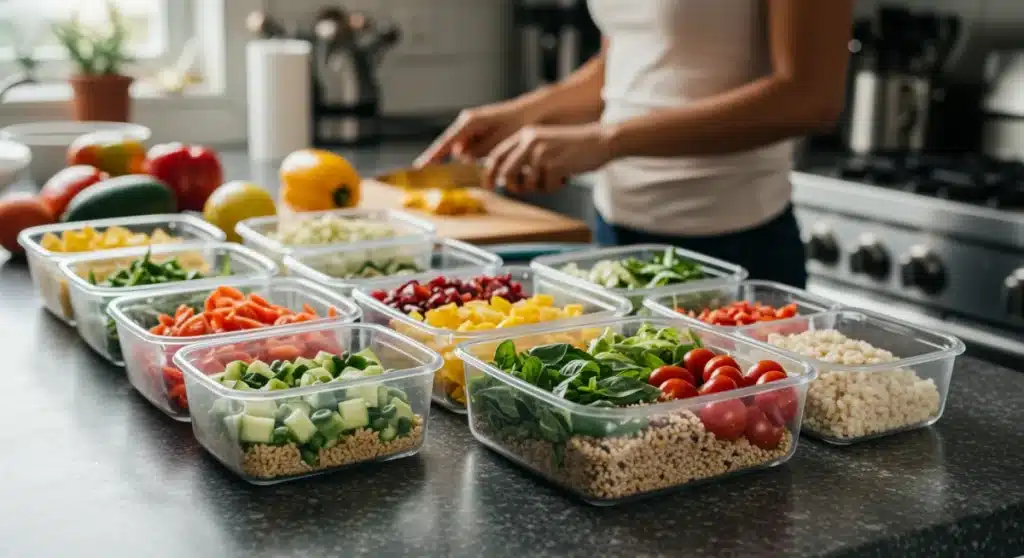
- Cook Grains in Bulk: Quinoa, brown rice, farro, or pasta can be cooked in large batches and stored. They form the base for countless meals – bowls, side dishes, salads, or additions to soups.
- Roast a Tray of Vegetables: Chop a variety of vegetables (broccoli, bell peppers, sweet potatoes, carrots, zucchini) and roast them with olive oil and seasonings. These can be added to salads, stir-fries, omelets, or served as a simple side.
- Prepare Protein Sources: Cook chicken breasts (shredded or diced), ground meat, lentils, or beans. These versatile proteins can be used in wraps, tacos, salads, pasta dishes, or as a main component with roasted veggies.
- Make a Big Batch of Soup or Chili: These dishes often taste even better the next day and are perfect for lunch or dinner. They freeze well too.
- Prepare Sauces and Dressings: Homemade dressings, marinades, or versatile sauces (like pesto or a basic tomato sauce) can be made in advance and stored, ready to elevate simple ingredients.
The goal is to create a ‘meal prep toolkit’ in your fridge, filled with ready-to-use components. When dinner time rolls around, instead of an hour of cooking, you might only need 15-20 minutes to combine pre-cooked elements into a fresh meal.
Strategic Ingredient Preparation
Beyond full batch cooking, strategic ingredient prep focuses on doing all the tedious, time-consuming tasks at once. This primarily involves washing, chopping, and portioning.
Ingredient Prep Checklist:
- Wash and Chop All Produce: On your prep day, wash all your fruits and vegetables. Chop onions, garlic, peppers, carrots, celery, and any other veggies needed for the week’s recipes. Store them in airtight containers.
- Portion Snacks: Divide nuts, seeds, chopped fruit, or veggie sticks into individual snack bags or containers.
- Measure Dry Ingredients: For recipes that require precise measurements (especially baking or overnight oats), measure out dry ingredients into separate containers or bags.
- Marinate Meats: Place meats in marinades in advance so they are flavorful and ready to cook when you need them.
- Boil Eggs: Hard-boiled eggs are excellent for quick breakfasts, snacks, or salad toppings. Prepare a batch for the week.
This strategy addresses the biggest time sinks in daily cooking: the initial preparation of raw ingredients. By doing it all at once, you avoid multiple clean-ups, repeated chopping, and the mental drag of starting from scratch each night. This is a formidable weapon in your arsenal of meal planning hacks.

Hack 3: Leverage Technology and Smart Storage Solutions
In the digital age, it would be a missed opportunity not to leverage technology and smart storage solutions as part of your meal planning hacks. These tools can elevate your planning, shopping, and organization, making the entire process smoother and more efficient.
Embracing Meal Planning Apps and Digital Tools
Gone are the days when meal planning meant scribbling on a notepad. A plethora of apps and digital platforms are designed to simplify every aspect of meal preparation:
- Recipe Management: Apps like Paprika, Mealime, or Anylist allow you to save recipes from the web, organize them, and even scale serving sizes.
- Automated Grocery Lists: Many planning apps can automatically generate a grocery list based on your chosen recipes for the week. This saves significant time and reduces the chance of forgetting items.
- Ingredient Tracking: Some advanced apps help you track ingredients you already have, reducing waste and preventing duplicate purchases.
- Calendar Integration: Integrate your meal plan with your digital calendar to visualize your week’s meals and align them with your schedule.
- Pre-planned Menus: If you’re just starting, many apps offer pre-designed meal plans with integrated shopping lists, taking all the guesswork out of it.
Even a simple spreadsheet can be a powerful tool for tracking your recipe rotation, grocery lists, and budget. The key is to find a digital tool that fits your workflow and helps automate repetitive tasks, thereby freeing up your time for other activities. This is one of the most overlooked meal planning hacks, yet it offers immense potential for efficiency.
Investing in Smart Storage Solutions
Once you’ve done all that amazing batch cooking and ingredient prep, how you store your food is crucial for maintaining freshness, preventing spoilage, and making grab-and-go meals truly convenient. Smart storage is a vital component of successful meal planning hacks.
Essential Storage Tips and Tools:
- Airtight Containers: Invest in a good set of glass or BPA-free plastic containers with airtight lids. Glass is often preferred as it doesn’t stain, retains less odor, and can go from fridge to microwave/oven. Look for stackable designs to maximize fridge space.
- Portion Control Containers: For those managing specific dietary needs or calorie intake, containers with built-in dividers are invaluable for portioning out balanced meals.
- Freezer-Safe Options: If you plan to freeze portions of batch-cooked meals, ensure your containers are freezer-safe. Heavy-duty freezer bags are also excellent for saving space and preventing freezer burn.
- Labeling System: Always label your prepped food with the date it was prepared and its contents. This prevents confusion and helps you consume food within its optimal freshness window.
- Produce Savers: Specialized containers designed to extend the life of fresh produce can be a worthwhile investment, particularly for delicate items like berries and leafy greens.
- Reusable Bags and Wraps: For fruits, vegetables, and snacks, consider reusable silicone bags or beeswax wraps as eco-friendly alternatives to single-use plastic.
Proper storage not only preserves your food but also makes your fridge and pantry more organized and visually appealing. When you can easily see what you have, you’re more likely to use it, further reducing food waste and maximizing the effort put into your meal planning hacks.
Putting It All Together: Your Weekly Meal Planning Routine
Now that you’re familiar with these powerful meal planning hacks, let’s look at how you can integrate them into a seamless weekly routine. The goal is to create a sustainable system that consistently saves you time and effort.
Step-by-Step Implementation Guide:
- Choose Your Planning Day (e.g., Saturday or Sunday): Dedicate a specific time each week for meal planning. This consistency is key.
- Review Your Calendar and Themes: Look at your upcoming week. Are there any busy evenings that require a super-quick meal? Any special events? Then, refer to your themed meal days and recipe rotation list.
- Select Recipes: Based on your themes and rotation, pick 5-7 main meals for the week. Consider if any can produce leftovers for lunch. Don’t forget breakfast and snack ideas!
- Create Your Grocery List: Using your chosen recipes, generate a comprehensive grocery list. Utilize a meal planning app for this to automatically pull ingredients. Check your pantry and fridge first to avoid buying duplicates.
- Grocery Shop (e.g., Saturday or Sunday morning): Stick to your list! Avoid impulse buys.
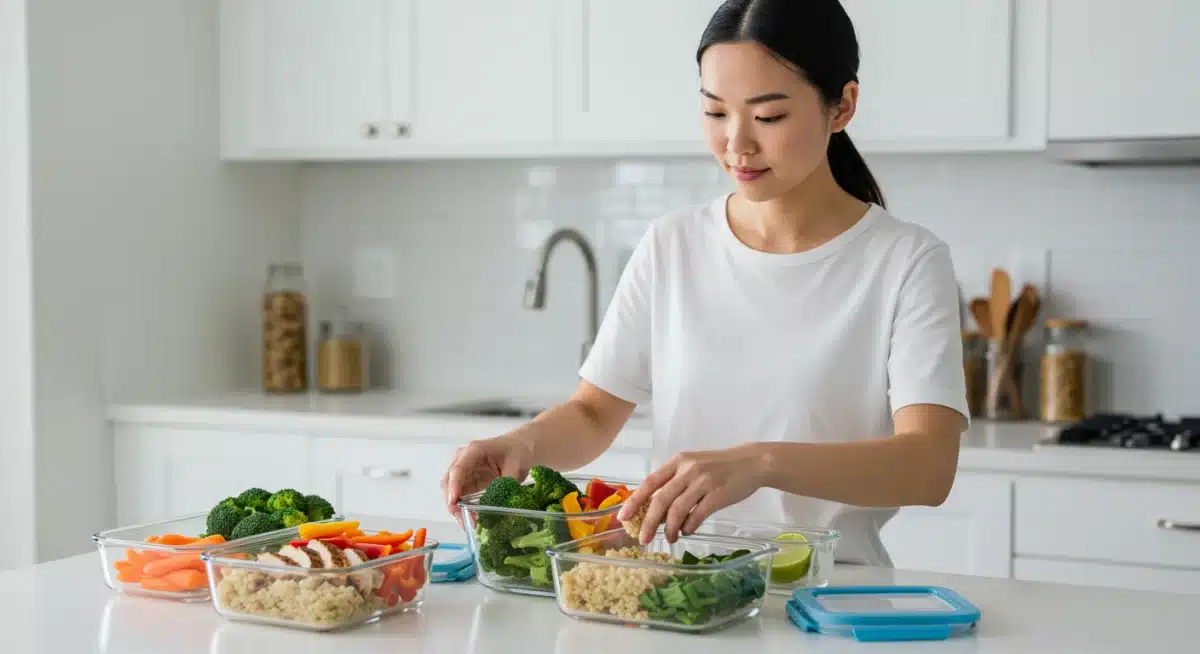
- Dedicated Prep Session (e.g., Sunday afternoon, 2-3 hours): This is where the magic happens. Implement Hack 2: Batch Cooking and Strategic Ingredient Prep.
- Wash and chop all vegetables.
- Cook grains in bulk.
- Cook protein sources (chicken, ground meat, beans).
- Prepare sauces/dressings.
- Portion out snacks.
- Store everything in airtight, labeled containers (Hack 3).
- Weekday Assembly: During the week, your meals become quick assembly jobs. For example, grab pre-cooked chicken, roasted veggies, and quinoa, heat, and serve. Or combine pre-chopped salad ingredients with a ready-made dressing.
- Review and Adjust: At the end of the week, reflect. What worked well? What didn’t? Were there any meals you didn’t enjoy or found too time-consuming? Adjust your themes, rotation, or prep methods for the following week. This continuous improvement is crucial for long-term success.
This structured approach ensures that you’re not just reacting to hunger each day but proactively managing your food intake with minimal stress. The initial investment of time on your prep day pays dividends throughout the entire week, freeing up those precious 4 hours.
Common Pitfalls and How to Avoid Them
While these meal planning hacks are incredibly effective, there are common hurdles that can derail even the most well-intentioned planner. Being aware of these pitfalls and knowing how to navigate them will ensure your meal planning journey is a success:
- Over-Complicating Meals: Trying to cook elaborate, gourmet meals every night is a recipe for burnout. Start with simple, family-friendly recipes that don’t require extensive ingredient lists or complex techniques. As you get more comfortable, you can gradually introduce more challenging dishes.
- Lack of Flexibility: Life happens! Unexpected events, cravings for specific foods, or sudden dinner invitations can throw off a rigid meal plan. Build in flexibility. Designate one ‘flex’ meal night or allow for occasional swaps. Don’t view a deviation as a failure, just an adjustment.
- Not Accounting for All Meals and Snacks: Many people only plan dinners, forgetting about breakfasts, lunches, and snacks. This often leads to unhealthy choices during these times. Integrate all eating occasions into your plan, even if it’s as simple as ‘yogurt and fruit’ for breakfast.
- Underestimating Prep Time: Be realistic about how long batch cooking and ingredient prep will take. Rushing through it can lead to frustration. Start with a shorter prep session (e.g., 1 hour) and gradually increase as you become more efficient.
- Ignoring Dietary Preferences/Restrictions: A meal plan that doesn’t cater to everyone’s needs will face resistance. Involve family members in the planning process. Ensure there are options for picky eaters or those with allergies/intolerances.
- Lack of Proper Storage: As highlighted in Hack 3, poor storage leads to spoiled food and wasted effort. Invest in good quality, airtight containers and label everything.
- Getting Bored: Eating the same meals week after week can lead to monotony. While recipe rotation is good, occasionally introduce new recipes or seasonal ingredients to keep things exciting. Don’t be afraid to tweak existing recipes with different spices or side dishes.
- Trying to Do Too Much at Once: If you’re new to meal planning, don’t try to implement all three hacks perfectly from day one. Start with one, like themed meal days, and gradually add batch cooking and technology as you gain confidence. Small, consistent steps lead to lasting change.
By anticipating these challenges and having strategies to overcome them, you can maintain momentum and truly reap the benefits of these powerful meal planning hacks.
The Long-Term Benefits: Beyond Saving 4 Hours Weekly
While saving 4 hours weekly on food prep is a significant and tangible benefit, the advantages of adopting these meal planning hacks extend far beyond just time. Over the long term, you’ll experience a ripple effect of positive changes in various aspects of your life:
- Improved Health Outcomes: Consistent access to home-cooked, nutritious meals means better control over ingredients, portion sizes, and dietary balance. This can lead to improved energy levels, better weight management, and a reduced risk of diet-related illnesses.
- Significant Financial Savings: By reducing takeout, minimizing food waste, and making smart grocery choices, you’ll see a noticeable reduction in your monthly food budget. These savings can be redirected towards other financial goals or simply enjoyed.
- Reduced Stress and Mental Load: The constant mental burden of ‘what’s for dinner?’ is a real source of stress. Meal planning eliminates this daily dilemma, leading to a calmer, more organized household and a clearer mind.
- Enhanced Cooking Skills and Confidence: As you consistently prepare meals, even simple ones, your cooking skills will naturally improve. You’ll become more confident in the kitchen, more adventurous with flavors, and less reliant on external food sources.
- More Family Time: With less time spent cooking and cleaning up during the week, you’ll have more quality time to spend with family, engage in hobbies, or simply relax and recharge.
- Greater Food Awareness: Meal planning encourages a more mindful approach to eating. You become more aware of what you’re consuming, where your food comes from, and how it impacts your body.
- Environmental Impact: Reducing food waste, shopping more intentionally, and potentially cooking from scratch more often can contribute to a smaller environmental footprint.
These long-term benefits underscore why investing time upfront in mastering these meal planning hacks is not just a temporary fix but a sustainable lifestyle change. It’s about building habits that support your well-being and contribute to a more balanced and fulfilling life.
Conclusion: Reclaim Your Time and Transform Your Kitchen with Meal Planning Hacks
The quest for efficiency and healthier living is a continuous journey, and in the realm of food preparation, these 3 meal planning hacks offer a clear path to success. We’ve explored the power of themed meal days and recipe rotation to simplify decision-making, the game-changing impact of batch cooking and strategic ingredient prep to front-load your efforts, and the invaluable assistance of technology and smart storage to streamline your entire process.
By implementing these strategies, busy Americans are not just saving an estimated 4 hours weekly; they are fundamentally transforming their relationship with food. They are moving from reactive, stressful meal decisions to proactive, organized culinary routines. This shift translates into more nutritious meals, significant financial savings, reduced food waste, and perhaps most importantly, more precious time to spend on what truly matters.
Remember, the journey to becoming a meal planning pro begins with a single step. Start small, be consistent, and don’t be afraid to adapt these hacks to fit your unique lifestyle and preferences. The benefits are profound and far-reaching, promising not just a more efficient kitchen but a healthier, less stressed, and more enjoyable life.
Take the leap today. Embrace these meal planning hacks and unlock the secret to a more organized, delicious, and time-rich existence. Your future self (and your taste buds!) will thank you.