Financial Impact: Cook 7 Gourmet Meals at Home for 2 Restaurant Dinners
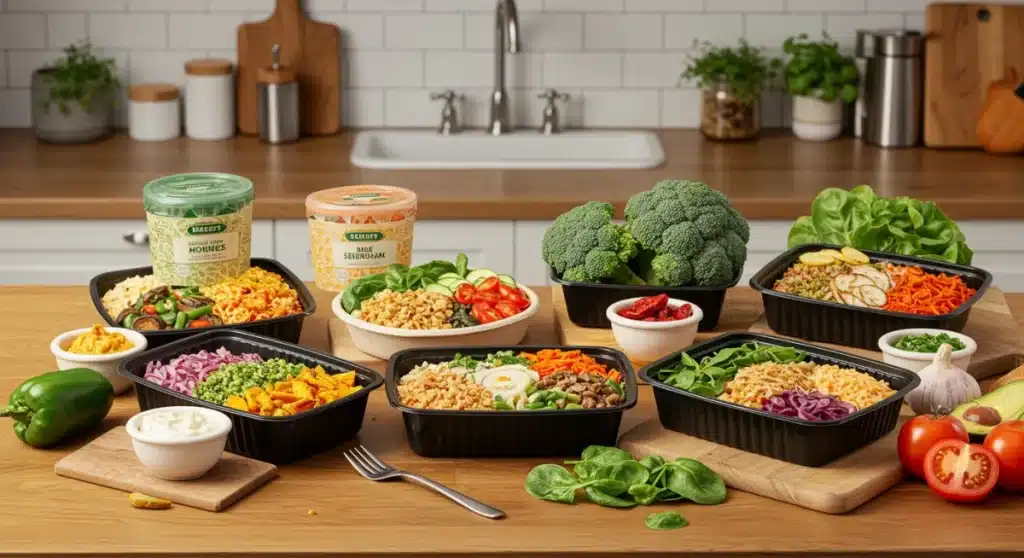
Preparing seven gourmet healthy meals at home offers substantial financial savings and enhanced nutritional benefits, costing roughly the same as only two restaurant dinners.
Are you tired of seeing your hard-earned money disappear with every restaurant bill, all while compromising on your health goals? The Financial Impact: Cook 7 Gourmet Healthy Meals at Home for the Cost of Just 2 Restaurant Dinners is a reality that empowers you to take control of your plate and your wallet. This guide will reveal how simple, delicious, and incredibly affordable it is to transform your dining habits, proving that gourmet, healthy eating doesn’t require a hefty price tag or dining out.
The High Cost of Dining Out vs. Home Cooking
Dining out has become a deeply ingrained part of American culture, often perceived as a convenience or a luxury. However, the true cost extends far beyond the menu price, encompassing hidden markups, tips, and the often-unhealthy nutritional compromises. Understanding this disparity is the first step towards embracing a more economical and health-conscious approach to food.
Restaurant meals, particularly those labeled ‘gourmet,’ carry significant overheads that are passed directly to the consumer. These include rent, labor, marketing, and the profit margins for every ingredient used. When you opt for home cooking, you eliminate most of these additional costs, buying ingredients at wholesale or retail prices and investing only your time. This fundamental difference creates a vast financial gap, making home-prepared meals a far more sensible choice for both your budget and your well-being.
Hidden Expenses of Restaurant Meals
Beyond the sticker price, several factors inflate the actual cost of eating out. These often go unnoticed but accumulate quickly, especially when dining out regularly.
- Ingredient Markup: Restaurants typically mark up ingredients by 300-500% to cover operational costs.
- Service Charges and Tips: An additional 15-20% is usually added for service, which can significantly increase the total.
- Beverage Costs: Drinks, especially alcoholic ones, are notoriously high-margin items at restaurants.
In contrast, home cooking allows you to control every aspect of your meal, from ingredient selection to portion sizes. This control not only saves money but also ensures that you are consuming fresh, wholesome ingredients without excessive sodium, unhealthy fats, or added sugars often found in restaurant dishes. The economic argument for home cooking is compelling, offering a clear path to healthier eating without breaking the bank.
Mastering Budget-Friendly Gourmet Ingredients
The notion that ‘gourmet’ implies expensive ingredients is a common misconception. In reality, many ingredients considered luxurious can be surprisingly affordable, especially when purchased strategically and used creatively. The key lies in smart shopping, seasonality, and understanding how to elevate simple ingredients into extraordinary meals.
Focusing on seasonal produce, whole grains, and lean proteins forms the foundation of budget-friendly gourmet cooking. These items are often less expensive when in season and provide superior nutritional value. Learning to transform these basic ingredients with strategic flavor pairings and cooking techniques is where the real magic happens, proving that you don’t need a Michelin star budget to eat like royalty.
Smart Shopping Strategies for Savings
To maximize your savings while still enjoying high-quality food, adopting specific shopping habits is crucial. These strategies help reduce waste and ensure you get the best value for your money.
- Meal Planning: Plan your meals for the week to create a precise shopping list, preventing impulse buys and food waste.
- Bulk Buying: Purchase non-perishable staples like grains, pasta, and canned goods in larger quantities when on sale.
- Farmers’ Markets: Often offer better prices on fresh, seasonal produce compared to conventional supermarkets.
- Store Brands: Don’t shy away from store-brand products; they often offer comparable quality at a lower price point.
Incorporating these practices into your routine will not only cut down your grocery bill but also encourage a more mindful approach to food consumption. By prioritizing value and quality, you can build a pantry that supports diverse and delicious gourmet healthy cooking without overspending. This disciplined approach is fundamental to realizing the full financial benefits of cooking at home.
The Health Benefits Beyond the Wallet
While the financial advantages of cooking at home are undeniable, the health benefits are perhaps even more significant. Restaurant meals, even those marketed as healthy, often contain hidden sugars, excessive sodium, and unhealthy fats that can undermine your dietary goals. Taking control of your kitchen means taking control of your health.
When you cook at home, you have complete oversight of every ingredient that goes into your meal. This allows for precise portion control, tailored nutritional content, and the freedom to avoid allergens or ingredients you wish to limit. The ability to choose fresh, whole foods and prepare them with minimal processing directly contributes to improved health outcomes, including better weight management, reduced risk of chronic diseases, and increased energy levels.
Nutritional Control and Ingredient Transparency
One of the biggest advantages of home cooking is the unparalleled transparency it offers regarding what you consume. You know exactly what’s in your food, which is rarely the case with restaurant dishes.
- Reduced Sodium Intake: Restaurants often use excessive salt for flavor; at home, you control the seasoning.
- Lower Saturated Fats: You can choose healthier cooking oils and lean protein sources.
- No Hidden Sugars: Avoid the added sugars present in many restaurant sauces and dressings.
Beyond these immediate benefits, home cooking fosters a deeper connection with your food. Understanding where your ingredients come from and how they are prepared can lead to more mindful eating habits and a greater appreciation for wholesome nutrition. This holistic approach to food not only saves money but also invests directly in your long-term health and well-being, making it a truly invaluable practice.

7 Gourmet Healthy Meal Ideas: Flavor on a Budget
Dispelling the myth that healthy, gourmet food is inaccessible requires concrete examples. Here are seven meal ideas that are both delicious and cost-effective, demonstrating how you can enjoy high-quality dining experiences from the comfort of your home without breaking the bank. Each recipe focuses on fresh ingredients, clever flavor combinations, and efficient cooking methods.
These meals are designed to be satisfying and nutritious, proving that ‘gourmet’ is more about technique and ingredient quality than exorbitant prices. By integrating these types of dishes into your weekly rotation, you’ll not only save money but also expand your culinary repertoire and enjoy a more varied and exciting diet. The goal is to inspire confidence in your ability to create restaurant-quality meals at home.
Sample Menu for a Week of Savings
This curated list offers a diverse range of flavors and textures, ensuring that healthy eating never feels monotonous. Each meal is designed to be relatively straightforward to prepare, even for those with limited cooking experience.
- Lemon Herb Roasted Chicken with Quinoa and Asparagus: A classic, flavorful dish that is both lean and filling.
- Spicy Shrimp Scampi with Whole Wheat Linguine: Quick to prepare, elegant, and packed with protein.
- Black Bean Burgers with Avocado Crema and Sweet Potato Fries: A satisfying vegetarian option rich in fiber.
- Salmon and Roasted Vegetable Sheet Pan Dinner: Minimal cleanup and maximum flavor, rich in Omega-3s.
- Mediterranean Chickpea Salad with Feta and Olives: A refreshing, no-cook option perfect for lunch or a light dinner.
- Chicken and Vegetable Stir-Fry with Brown Rice: Versatile and quick, allowing for endless vegetable combinations.
- Lentil Soup with Crusty Whole Grain Bread: Hearty, comforting, and incredibly budget-friendly.
These examples are just the beginning; the possibilities for gourmet healthy cooking at home are endless. By focusing on fresh, seasonal ingredients and simple, effective cooking methods, you can consistently produce meals that rival any restaurant dish in terms of taste and nutritional value, all while keeping your expenses in check. This approach makes healthy eating sustainable and enjoyable.
Meal Planning and Prep: Your Secret Weapon
The concept of cooking seven gourmet healthy meals for the price of two restaurant dinners might seem daunting without proper planning. This is where meal planning and preparation become your most powerful allies. Strategic foresight in the kitchen not only saves time and money but also reduces stress and ensures you consistently adhere to your dietary goals.
Effective meal planning involves more than just jotting down a few recipes; it’s about optimizing your grocery shopping, utilizing ingredients efficiently, and dedicating specific time to prep. This systematic approach prevents last-minute takeout temptations and ensures that healthy, delicious options are always within reach. By investing a little time upfront, you reap significant rewards throughout the week.
Streamlining Your Kitchen Workflow
Implementing a structured approach to your cooking routine can dramatically improve efficiency and make home cooking a more enjoyable experience. These tips are designed to reduce the perceived effort of preparing meals.
- Batch Cooking: Prepare larger quantities of staple ingredients like grains, roasted vegetables, or cooked proteins to use in multiple meals.
- Pre-Chopping: Wash and chop vegetables at the beginning of the week to save time during daily meal preparation.
- Theme Nights: Assign themes to different days (e.g., ‘Meatless Monday,’ ‘Taco Tuesday’) to simplify meal decisions.
Beyond the immediate convenience, consistent meal planning and prep contribute to a more organized and less wasteful kitchen. You’ll find yourself throwing away less food, making fewer impromptu grocery runs, and ultimately enjoying a healthier, more financially sound lifestyle. This disciplined approach is critical for transforming the vision of affordable gourmet healthy eating into a sustainable reality.
Maximizing Flavor with Minimal Expense
Creating gourmet flavors doesn’t necessitate exotic, expensive ingredients. Often, the secret lies in mastering basic culinary techniques and understanding how to layer flavors using common, affordable pantry staples. Herbs, spices, acids, and aromatics are your best friends in transforming ordinary dishes into something extraordinary, all without inflating your grocery bill.
Think about utilizing fresh and dried herbs, citrus zest, vinegars, garlic, and onions to build complex flavor profiles. These ingredients are relatively inexpensive and can dramatically elevate the taste of simple proteins and vegetables. The art of gourmet cooking at home is about intelligent seasoning and thoughtful preparation, not just costly components.
Techniques for Budget-Friendly Flavor Enhancement
Elevating your home cooking to a gourmet level is often about applying simple yet effective techniques that bring out the best in your ingredients.
- Toasting Spices: Briefly toasting whole spices before grinding them releases their essential oils and intensifies their flavor.
- Deglazing Pans: Using wine, broth, or vinegar to scrape up browned bits from the bottom of a pan adds incredible depth to sauces.
- Herbs and Aromatics: Don’t underestimate the power of fresh herbs like parsley, cilantro, or basil, and aromatics like garlic, ginger, and onions.
Furthermore, learning about complementary flavor pairings can open up a world of culinary possibilities. For instance, pairing acidic components like lemon or vinegar with rich, fatty foods can balance the palate, while a pinch of chili flakes can add an exciting kick. By focusing on these fundamental principles, you can consistently produce gourmet healthy meals that are both delicious and incredibly cost-effective, proving that exceptional taste doesn’t have to come with a high price tag.
| Key Aspect | Brief Description |
|---|---|
| Cost Savings | Home cooking 7 gourmet meals costs significantly less than 2 restaurant meals. |
| Nutritional Control | Greater control over ingredients, sodium, fats, and sugars compared to dining out. |
| Meal Planning | Essential for maximizing savings and ensuring consistent healthy eating habits. |
| Flavor Enhancement | Utilize affordable herbs, spices, and cooking techniques for gourmet taste. |
Frequently Asked Questions About Gourmet Home Cooking
Absolutely. Gourmet cooking is more about technique, fresh ingredients, and clever flavor combinations than expensive components. By focusing on seasonal produce, smart shopping, and utilizing herbs and spices effectively, you can create delicious, high-quality meals without overspending.
Start small by planning just a few meals per week. Utilize theme nights, batch cook staple ingredients, and pre-chop vegetables on a dedicated prep day. This systematic approach simplifies the process, making it less daunting and more sustainable over time.
Yes, often even more so. Home-cooked meals offer the advantage of fresh ingredients cooked to your preference, without the excessive sodium or unhealthy fats common in restaurant fare. With practice, you can achieve flavors and textures that rival, or even surpass, dining out experiences.
Prioritize seasonal produce, buy in bulk for non-perishables, compare prices at different stores, and consider farmers’ markets. Using store brands for staples and planning meals to minimize waste also contribute significantly to reducing your grocery bill.
Home cooking provides complete control over ingredients, enabling you to reduce unhealthy fats, sugars, and sodium. This leads to better weight management, improved nutritional intake, and a lower risk of chronic diseases, contributing significantly to long-term well-being.
Conclusion
The journey to understanding the Financial Impact: Cook 7 Gourmet Healthy Meals at Home for the Cost of Just 2 Restaurant Dinners reveals a powerful truth: taking control of your kitchen is one of the most effective ways to improve both your financial health and physical well-being. By embracing smart shopping, diligent meal planning, and creative cooking techniques, you can enjoy delicious, gourmet-quality meals that are far more nutritious and significantly more affordable than their restaurant counterparts. This shift not only saves you money but empowers you with knowledge and skills that will serve you for a lifetime, transforming your relationship with food into one of mindful enjoyment and profound benefit.