Financial Impact of Meal Planning: Reduce Food Waste by 20% by Mid-2025
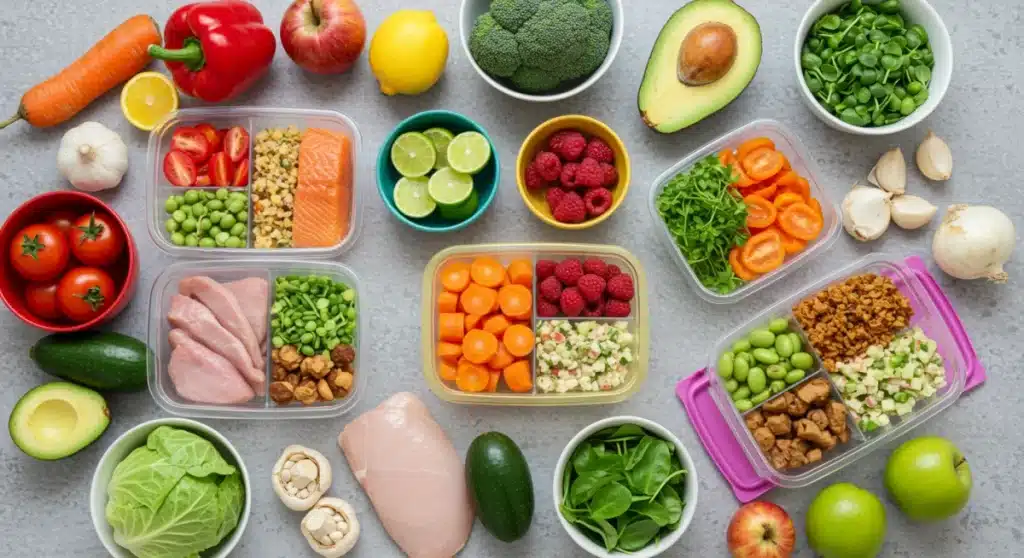
Meal planning can significantly reduce household food waste by 20% by mid-2025, offering substantial financial savings and fostering more sustainable consumption habits for individuals and families.
Are you looking for a powerful strategy to take control of your household budget while simultaneously embracing a more sustainable lifestyle? The financial impact of meal planning is a game-changer, offering a clear path to significantly reduce food waste. By implementing thoughtful meal planning techniques, it’s entirely possible for households across the United States to slash food waste by an ambitious 20% by mid-2025, leading to remarkable savings and improved nutritional outcomes.
Understanding the True Cost of Food Waste
Food waste is not merely an inconvenience; it represents a significant drain on household finances and a substantial environmental burden. Every item of food purchased but not consumed translates directly into lost money, from the initial grocery cost to the energy expended in its production and transportation. Recognizing this hidden cost is the first step toward implementing effective meal planning strategies.
The average American household discards a surprising amount of food annually, often due to poor planning, impulse buying, and misunderstanding expiration dates. This waste extends beyond just spoiled produce; it includes uneaten leftovers, forgotten pantry items, and excessive portions. Addressing this requires a systematic approach, which meal planning inherently provides.
The Economic Burden on Households
- Direct financial loss: The most obvious impact is the money spent on food that ends up in the trash. This can amount to hundreds, if not thousands, of dollars per year for a typical family.
- Opportunity cost: Money wasted on food could be allocated to other essential needs, savings, or investments, improving overall financial well-being.
- Resource waste: Beyond the food itself, the water, energy, and labor used to produce, transport, and store that food are also wasted, contributing to a larger economic footprint.
Consider the broader implications: when food is wasted, all the resources that went into producing it—water, land, labor, and energy—are also squandered. This contributes to greenhouse gas emissions and places unnecessary strain on our planet’s limited resources. By understanding the full scope of this issue, we can better appreciate the transformative potential of meal planning.
In essence, reducing food waste through meal planning isn’t just about saving a few dollars; it’s about optimizing resource allocation, both personally and globally. It’s a proactive measure that empowers individuals to make more informed decisions about their consumption habits, leading to a more financially secure and environmentally responsible future.
Strategic Meal Planning: Your Blueprint for Savings
Strategic meal planning is more than just deciding what to eat; it’s a comprehensive approach to managing your food resources effectively. It involves thoughtful consideration of your family’s dietary needs, upcoming schedule, and existing pantry inventory. A well-executed meal plan acts as a financial blueprint, guiding your grocery purchases and minimizing superfluous spending.
The core principle lies in intentionality. Instead of reactive grocery trips driven by immediate cravings or empty refrigerators, meal planning encourages a proactive stance. This shift not only saves money but also significantly reduces stress associated with daily meal preparation.
Key Components of Effective Meal Planning
To truly harness the financial impact of meal planning, it’s crucial to break down the process into manageable steps. Each component contributes to the overall goal of waste reduction and financial optimization.
- Inventory Assessment: Before shopping, check your pantry, fridge, and freezer. Utilize what you already have to build meals, reducing the need for new purchases and preventing forgotten items from expiring.
- Menu Creation: Plan meals for the entire week, considering breakfast, lunch, dinner, and snacks. Incorporate versatile ingredients that can be used in multiple dishes to maximize their utility.
- Smart Grocery Lists: Create a detailed shopping list based on your meal plan and inventory. Stick to this list diligently at the store to avoid impulse buys and unnecessary expenses.
By integrating these steps, you create a seamless system that ensures every food item purchased has a purpose. This systematic approach directly combats the common pitfalls that lead to food waste, such as overbuying or neglecting ingredients until they spoil. It also fosters creativity in the kitchen, encouraging the use of leftovers and versatile components.
Leveraging Technology for Waste Reduction
In today’s digital age, technology offers a wealth of tools to enhance meal planning and further reduce food waste. From specialized apps to smart kitchen devices, these innovations can streamline the process, making it more efficient and tailored to individual needs. Embracing these technological aids can amplify the positive financial impact of meal planning.
Many apps now provide features like recipe suggestions based on ingredients you already have, digital grocery lists that sync across devices, and even inventory trackers. These tools help eliminate guesswork and ensure that food items are used before they spoil, directly contributing to the goal of reducing waste.
Essential Digital Tools for Meal Planners
- Meal Planning Apps: Applications like Mealime, Paprika, or PlateJoy help users create weekly meal plans, generate shopping lists, and store recipes, often suggesting ways to use up leftover ingredients.
- Digital Grocery Lists: Apps such as AnyList or OurGroceries allow for collaborative list-making, preventing duplicate purchases and ensuring all necessary items are acquired efficiently.
- Recipe Management Software: Tools that allow you to import and organize recipes can help you plan meals around ingredients you already have, reducing the likelihood of food going unused.
Beyond apps, smart refrigerators with internal cameras can let you check your inventory while at the store, preventing accidental double purchases. Smart food scales and other devices can also help with portion control, another key factor in minimizing plate waste. Integrating these technologies into your routine can transform meal planning from a chore into an optimized, waste-reducing system.
The rise of these technological solutions makes meal planning more accessible and effective than ever before. They provide real-time assistance and insights, empowering individuals to make smarter choices about their food consumption and significantly contribute to reducing household food waste.
Portion Control and Smart Storage Techniques
Beyond planning what to buy, how you prepare and store your food plays an equally critical role in reducing waste and maximizing the financial impact of meal planning. Implementing effective portion control and smart storage techniques ensures that food remains fresh longer and that leftovers are consumed rather than discarded.
Many households unwittingly contribute to food waste by preparing excessive amounts of food or storing items incorrectly, leading to premature spoilage. By mastering these two areas, you can extend the shelf life of your groceries and make the most of every meal.
Proper storage is a cornerstone of waste reduction. Understanding which foods need refrigeration, how to properly seal containers, and the best places to store different types of produce can drastically extend their usability. This knowledge directly translates into fewer spoiled items and more money saved.
Maximizing Food Longevity and Minimizing Waste
- Appropriate Portion Sizes: Cook only what you and your family can reasonably consume. This reduces plate waste and ensures that any leftovers are manageable and appealing for subsequent meals.
- Effective Food Storage: Use airtight containers for leftovers, store fruits and vegetables correctly (e.g., separate ethylene-producing fruits from sensitive vegetables), and label items with dates to track freshness.
- Freezing for Future Use: Freeze excess portions of cooked meals, fresh produce nearing its peak, or bulk-purchased ingredients to extend their shelf life significantly.
By actively managing portions and employing smart storage solutions, you create a system where food is respected and utilized to its fullest potential. This not only cuts down on waste but also ensures that nutritious meals are always available, further solidifying the financial benefits of a well-planned kitchen. These practices collectively contribute to the overarching goal of reducing food waste by 20% by mid-2025.
Educating the Household: A Collective Effort
Achieving a 20% reduction in food waste by mid-2025 is not solely the responsibility of one individual; it requires a collective effort from every member of the household. Educating family members about the importance of meal planning, waste reduction, and mindful consumption is crucial for long-term success and to fully realize the financial impact of meal planning.
Children and adults alike can benefit from understanding where their food comes from, the resources involved in its production, and the economic and environmental consequences of waste. This shared awareness fosters a culture of responsibility and appreciation for food.
Fostering a Waste-Conscious Environment
Engaging all family members in the meal planning and waste reduction process can make it a more enjoyable and sustainable endeavor. Simple habits, when adopted by everyone, can lead to significant cumulative savings and a reduced environmental footprint.
- Involve Everyone in Planning: Encourage family members to contribute meal ideas and help with grocery list creation. This increases buy-in and ensures meals are appealing to all.
- Teach Portion Awareness: Educate on appropriate portion sizes and the value of eating everything on one’s plate or saving leftovers.
- Composting and Recycling: Implement composting for unavoidable food scraps and ensure proper recycling of food packaging to minimize landfill impact.
By involving everyone, meal planning becomes a shared responsibility rather than a burdensome task. Children can learn valuable life skills, and adults can reinforce sustainable habits. This collective approach ensures that the benefits of reduced food waste, both financial and environmental, are maximized and sustained over time. A household united in its efforts to minimize waste will inevitably see greater success in achieving the 20% reduction target.
Measuring Progress and Adapting Strategies
To effectively achieve the goal of reducing food waste by 20% by mid-2025 and to fully understand the financial impact of meal planning, it’s essential to measure your progress and adapt your strategies as needed. Without tracking, it’s difficult to identify areas for improvement and celebrate successes, which are both crucial for motivation and long-term adherence.
Regularly assessing your food waste habits allows you to pinpoint specific problematic areas, such as frequently discarded produce or uneaten bulk purchases. This data-driven approach transforms meal planning from a static routine into a dynamic, continuously improving system.
Tracking and Adjusting for Optimal Results
The process of reducing food waste is iterative; what works one week might need adjustment the next. Being flexible and analytical about your food consumption patterns will yield the best outcomes.
- Waste Audits: Periodically, keep a log of all food items discarded and the reasons why. This can reveal patterns, such as consistently overbuying certain items or not using leftovers.
- Financial Tracking: Monitor your grocery spending over time. A noticeable decrease in food-related expenses is a clear indicator of successful waste reduction.
- Recipe Adjustments: Based on waste audits, modify recipes or portion sizes to better match consumption. Experiment with new ways to repurpose leftovers or use up ingredients.
By consistently measuring your food waste and tracking your grocery budget, you gain valuable insights into your household’s consumption patterns. This data empowers you to make informed decisions, refine your meal planning approach, and make tangible progress towards your waste reduction goals. The ability to adapt and evolve your strategies ensures that the financial and environmental benefits of meal planning continue to grow.
| Key Aspect | Description |
|---|---|
| Reduced Grocery Bills | Meal planning minimizes impulse buys and ensures all purchased food is consumed, leading to significant savings. |
| Lower Food Waste | Systematic planning and proper storage prevent spoilage and discarded leftovers, meeting the 20% reduction target. |
| Time Efficiency | Fewer grocery trips and streamlined cooking processes free up valuable time during the week. |
| Healthier Eating | Planned meals often lead to more balanced, home-cooked options, reducing reliance on expensive and less healthy takeout. |
Frequently Asked Questions About Meal Planning and Food Waste
The savings from meal planning can be substantial, often hundreds to thousands of dollars annually for an average household. By reducing impulse purchases, utilizing existing ingredients, and minimizing food spoilage, you effectively cut down on unnecessary expenses and optimize your grocery budget.
Effective meal planning can be significantly enhanced by various tools. Digital apps like Mealime or Paprika help with recipe organization and grocery list generation. Simple tools like airtight containers for storage, a reliable food scale for portioning, and a well-organized pantry are also invaluable for success.
Involving your family fosters a collective effort. Encourage them to offer meal suggestions, help with grocery lists, and participate in meal preparation. Educating them about the financial and environmental benefits of reducing waste also promotes a shared sense of responsibility and mindful consumption habits.
Meal planning directly supports healthier eating by encouraging home-cooked meals tailored to nutritional needs. It reduces reliance on takeout or processed foods, allows for better portion control, and ensures a balanced intake of nutrients, contributing to overall improved dietary quality and well-being.
Yes, achieving a 20% reduction in food waste by mid-2025 is an ambitious yet attainable goal through consistent meal planning. By systematically planning meals, making smart shopping lists, using proper storage, and consciously utilizing leftovers, households can significantly cut down on discarded food and reach this target.
Conclusion
The journey towards reducing food waste by 20% by mid-2025 is not just an environmental imperative but a financially astute decision. The financial impact of meal planning is undeniable, offering a tangible path to saving money, improving nutritional habits, and contributing to a more sustainable future. By embracing strategic planning, leveraging technology, implementing smart storage, and fostering a household-wide commitment, every family can make significant strides in minimizing waste. This holistic approach transforms mundane tasks into empowering actions, proving that a well-planned plate is not only good for your wallet but also for the planet.