Budget-Friendly Meal Prep: 4 Healthy Lunches Under $5 in the US
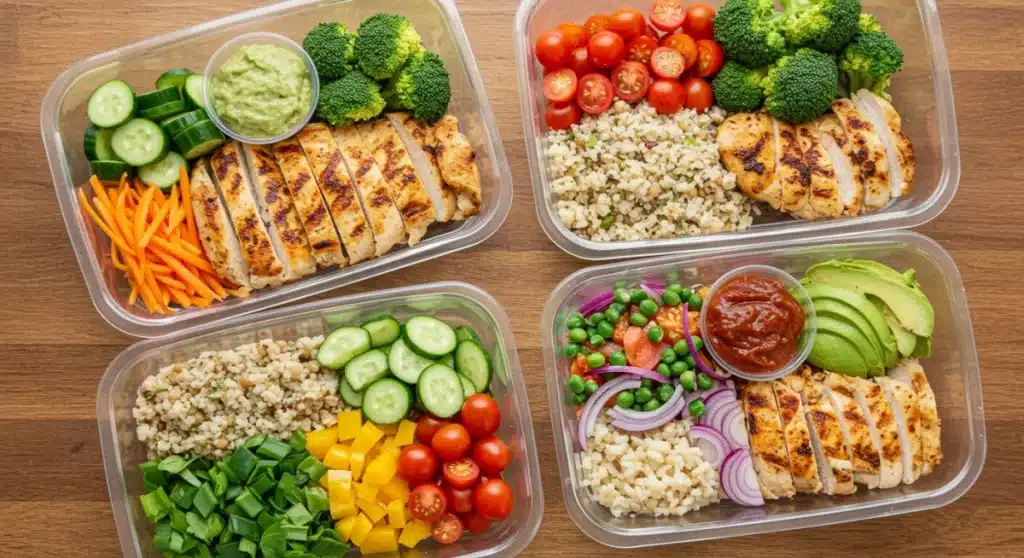
Preparing nutritious and affordable lunches is achievable even in the current US economy by focusing on strategic meal planning and incorporating cost-effective, healthy ingredients into your weekly routine.
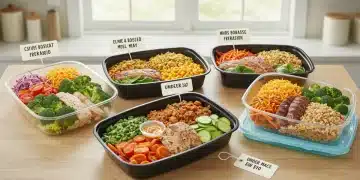
Navigating the current economic landscape in the US often means scrutinizing every dollar, especially when it comes to food. Eating out frequently can quickly deplete your budget, and even grocery bills can feel overwhelming. This is where budget healthy meal prep becomes an invaluable strategy, offering a pathway to both financial savings and improved health. By dedicating a small amount of time each week, you can transform inexpensive, wholesome ingredients into delicious, nutrient-packed lunches that cost less than $5 per serving. This approach not only frees up your lunch break but also ensures you’re fueling your body with balanced meals, avoiding the temptation of costly and often less nutritious takeout options. It’s about smart planning, resourcefulness, and a commitment to your well-being without compromising your wallet.
The economic reality and why meal prep is your best ally
The current economic climate in the United States presents a unique set of challenges for many households. Inflation has impacted everything from gas prices to everyday groceries, making it increasingly difficult to maintain a healthy lifestyle without overspending. For those striving to eat well, the rising cost of fresh produce, lean proteins, and whole grains can feel like an insurmountable hurdle. This financial pressure often leads individuals to opt for cheaper, less nutritious convenience foods, which, while seemingly saving money in the short term, can have long-term health implications and even lead to higher healthcare costs down the line. Understanding this reality is the first step toward adopting a more sustainable and economically sensible approach to eating.
Meal prepping emerges as a powerful solution to these modern economic woes. It’s not just a trend; it’s a strategic method of managing your food budget and nutritional intake effectively. By planning your meals in advance, you gain control over the ingredients you purchase, allowing you to buy in bulk, take advantage of sales, and minimize food waste. This proactive approach ensures that every dollar spent on groceries is maximized, translating into significant savings over time. Moreover, meal prepping eliminates the daily decision-making fatigue that often leads to impulsive and expensive food choices, such as ordering delivery or grabbing a quick, overpriced sandwich.
Strategic grocery shopping for meal prep success
One of the cornerstones of successful budget-friendly meal prep is strategic grocery shopping. This involves more than just making a list; it requires a conscious effort to understand pricing, seasonality, and the value of different ingredients. Before heading to the store, take stock of what you already have in your pantry and refrigerator to avoid unnecessary purchases. Building your meal plan around ingredients that are on sale or in season can dramatically reduce your overall cost. For example, buying chicken thighs instead of breasts, or opting for frozen vegetables when fresh ones are expensive, can lead to substantial savings without sacrificing nutritional value.
- Plan your meals: Create a detailed weekly meal plan that incorporates your chosen recipes and available ingredients.
- Make a precise list: Stick to your grocery list to avoid impulse buys and reduce food waste.
- Buy in bulk wisely: Purchase staples like rice, pasta, and oats in larger quantities when they are on sale.
- Embrace seasonal produce: Fresh fruits and vegetables are often cheaper and more flavorful when they are in season.
Ultimately, meal prepping is about empowerment. It gives you the ability to make informed choices about your food, ensuring that you can maintain a healthy diet regardless of economic pressures. It’s a testament to the idea that eating well doesn’t have to be a luxury; it can be an accessible and affordable part of everyday life.
Recipe 1: Hearty lentil and vegetable soup
Our first recipe, the hearty lentil and vegetable soup, is a perfect example of how budget-friendly ingredients can combine to create a deeply satisfying and nutritious lunch. Lentils are a powerhouse of plant-based protein and fiber, making them incredibly filling and excellent for digestive health. They are also remarkably inexpensive, especially when purchased in bulk. This soup is designed to be robust, packed with a variety of vegetables that add essential vitamins and minerals, while also contributing to its rich flavor profile. It’s a versatile dish that can be easily adapted to whatever vegetables you have on hand or find on sale.
The beauty of this lentil soup lies in its simplicity and ability to be made in large batches. A single pot can yield multiple servings, providing healthy lunches for several days. This makes it an ideal candidate for weekly meal prep, allowing you to cook once and eat well throughout the week. The flavors also tend to deepen and meld beautifully overnight, meaning your soup will taste even better on day two or three. It’s a comforting, warm meal that is particularly welcome during cooler months but can be enjoyed year-round.
Ingredients and preparation for maximum flavor
To achieve a truly flavorful lentil and vegetable soup, the key is to build layers of taste from the very beginning. Starting with a good base of aromatic vegetables like onions, carrots, and celery, often referred to as a mirepoix, sets the stage. Sautéing these vegetables until softened helps to release their natural sweetness and depth. Adding herbs and spices, such as bay leaves, thyme, and a pinch of cumin, further enhances the soup’s character, transforming simple ingredients into a gourmet-like experience without the gourmet price tag.
- 1 cup brown or green lentils: Rinsed well.
- 1 tablespoon olive oil: For sautéing.
- 1 large onion, diced: Forms the flavor base.
- 2 carrots, diced: Adds sweetness and nutrients.
- 2 celery stalks, diced: Contributes to the mirepoix.
- 2 cloves garlic, minced: Aromatic essential.
- 1 (14.5 ounce) can diced tomatoes: Adds acidity and depth.
- 6 cups vegetable broth: The liquid base.
- 1 teaspoon dried thyme: Classic herb for savory dishes.
- Salt and black pepper to taste: Essential seasonings.
- Optional: A handful of spinach or kale for added greens.
The preparation is straightforward: sauté the aromatics, add the lentils, tomatoes, broth, and seasonings, then simmer until the lentils are tender. This minimal effort yields a maximum return in terms of nutrition, flavor, and cost-effectiveness. It’s a testament to the power of simple, wholesome ingredients when cooked with care, providing a satisfying meal that keeps you full and energized.
Recipe 2: Chicken and veggie stir-fry with brown rice
Our second recipe, the chicken and veggie stir-fry with brown rice, offers a delicious, quick, and highly customizable option for a budget-friendly lunch. Stir-fries are inherently economical because they allow you to utilize smaller portions of protein and bulk up the meal with an abundance of inexpensive vegetables. Chicken thighs, for instance, are often more affordable than breasts and offer richer flavor, making them an excellent choice for this dish. Pairing this vibrant stir-fry with brown rice adds complex carbohydrates, ensuring sustained energy and a feeling of fullness throughout the afternoon.
The versatility of a stir-fry is one of its greatest strengths for meal prepping. You can use almost any combination of vegetables you find on sale or have in your refrigerator, minimizing waste and keeping costs down. Broccoli, bell peppers, snap peas, carrots, and cabbage are all fantastic choices that hold up well during reheating. The key to a successful stir-fry is quick cooking over high heat, which preserves the vegetables’ crispness and vibrant color, as well as the chicken’s tenderness. This method also means that preparing a large batch doesn’t take much time, making it ideal for a busy meal prep session.
Crafting the perfect stir-fry sauce on a budget
A great stir-fry is often defined by its sauce, and creating a flavorful, budget-friendly sauce is simpler than you might think. Many common pantry staples can be combined to form a savory, slightly sweet, and tangy sauce that elevates the entire dish. Ingredients like soy sauce (or tamari for a gluten-free option), a touch of honey or maple syrup, rice vinegar, and a hint of ginger and garlic powder can come together to create a robust flavor profile that rivals restaurant versions. Preparing your sauce from scratch also allows you to control the sodium content and avoid unnecessary additives found in many pre-made sauces.
- 4 ounces boneless, skinless chicken thighs: Cut into bite-sized pieces.
- 1 tablespoon vegetable oil: For cooking.
- 2 cups mixed stir-fry vegetables: Such as broccoli, bell peppers, carrots, snap peas.
- 1 cup cooked brown rice: For serving.
- For the sauce:
- 2 tablespoons soy sauce: Or tamari.
- 1 tablespoon rice vinegar: Adds tang.
- 1 teaspoon honey or maple syrup: For sweetness.
- 1/2 teaspoon ginger powder: Or fresh grated ginger.
- 1 clove garlic, minced: Or garlic powder.
- 1 teaspoon cornstarch mixed with 1 tablespoon water: For thickening.
This meal provides a fantastic balance of protein, healthy fats, and complex carbohydrates, making it a complete and satisfying lunch. It demonstrates that eating healthy and deliciously doesn’t require expensive ingredients or complicated techniques. With a little planning and smart cooking, you can enjoy flavorful meals that support both your health and your budget.
Recipe 3: Mediterranean chickpea salad with whole-wheat pita
Our third recipe, the Mediterranean chickpea salad with whole-wheat pita, offers a refreshing, no-cook option that is both incredibly healthy and extremely budget-friendly. Chickpeas are a pantry staple that are packed with protein and fiber, making them an excellent base for a filling salad. They are also remarkably versatile and can absorb a wide range of flavors. This salad draws inspiration from Mediterranean cuisine, known for its emphasis on fresh vegetables, healthy fats, and legumes, all of which contribute to a delicious and nutritious meal that is kind to your wallet.
The beauty of this chickpea salad for meal prep lies in its simplicity and the fact that it requires no cooking. This saves time and energy, making it perfect for those busy weeks. The flavors also tend to meld and improve as the salad sits, making it an ideal candidate for preparing several servings in advance. It’s a light yet satisfying lunch option, perfect for warmer weather or when you’re looking for something fresh and vibrant. Served with whole-wheat pita bread, it provides a complete meal with complex carbohydrates for sustained energy.
Assembling a flavorful and economical chickpea salad
The key to a delicious Mediterranean chickpea salad is the combination of fresh, crisp vegetables and a bright, tangy dressing. Canned chickpeas are incredibly convenient and cost-effective; just remember to rinse them thoroughly to remove excess sodium. Incorporating finely diced cucumbers, bell peppers, and red onion adds crunch and a burst of flavor. Fresh herbs like parsley or cilantro elevate the salad, but dried herbs can also be used if fresh ones are not available or are too expensive. A simple dressing made with olive oil, lemon juice, and a touch of dried oregano ties all the flavors together beautifully.
- 1 (15-ounce) can chickpeas, rinsed and drained: The protein-rich base.
- 1/2 cup diced cucumber: For crunch and freshness.
- 1/2 cup diced bell pepper: Adds color and vitamins.
- 1/4 cup finely diced red onion: Aromatic kick.
- 2 tablespoons chopped fresh parsley: Or 1 teaspoon dried oregano.
- For the dressing:
- 2 tablespoons extra virgin olive oil: Healthy fat.
- 1 tablespoon lemon juice: Brightens flavors.
- 1/2 teaspoon dried oregano: Classic Mediterranean herb.
- Salt and black pepper to taste: Essential seasoning.
- 1 whole-wheat pita bread: For serving.
This recipe proves that healthy eating doesn’t have to be complicated or expensive. By focusing on simple, whole ingredients and smart preparation, you can enjoy a delicious and satisfying meal that is well within your budget. It’s a testament to the power of plant-based meals in providing ample nutrition without breaking the bank.
Recipe 4: Black bean and corn salsa bowls with quinoa
Our fourth and final recipe, the black bean and corn salsa bowls with quinoa, is a vibrant, protein-packed, and incredibly affordable lunch option. This dish is a fantastic way to utilize inexpensive pantry staples like canned black beans and frozen corn, creating a flavorful and filling meal that requires minimal cooking. Quinoa, while slightly more expensive than rice, offers a complete protein profile and a wealth of nutrients, making it an excellent investment for your health that still keeps the per-serving cost well under $5. This bowl is designed to be a complete meal, providing a balanced mix of carbohydrates, protein, and healthy fats.
The beauty of these salsa bowls for meal prep is their ability to be prepared in bulk and stored easily. The components, such as the cooked quinoa and the black bean and corn salsa, can be prepared separately and then combined when ready to eat, or mixed together for a cohesive meal. The flavors of the salsa only improve over time, allowing the ingredients to meld and deepen. It’s a refreshing and satisfying lunch that is rich in fiber and plant-based protein, perfect for keeping you full and energized throughout your workday without the midday slump.
Building a flavorful and economical bowl
The key to a delicious black bean and corn salsa bowl is the freshness of the salsa and the proper cooking of the quinoa. Canned black beans are a budget-friendly superstar; just make sure to rinse them thoroughly. Frozen corn is equally economical and convenient. Adding fresh elements like diced red onion, cilantro, and a squeeze of lime juice brings a burst of flavor and acidity that brightens the entire dish. For those who enjoy a bit of heat, a finely minced jalapeño can be added to the salsa. The quinoa should be cooked according to package directions, resulting in fluffy, separate grains that provide a perfect base for the flavorful salsa.
- 1 cup cooked quinoa: The nutrient-dense base.
- 1 (15-ounce) can black beans, rinsed and drained: For protein and fiber.
- 1 cup frozen corn, thawed: Sweetness and texture.
- 1/2 cup diced red onion: Adds a sharp, fresh flavor.
- 1/4 cup chopped fresh cilantro: Fresh herb burst.
- Juice of 1 lime: For acidity and brightness.
- Optional: 1/2 avocado, diced, for healthy fats.
- Optional: 1/2 jalapeño, finely minced, for heat.
- Salt and black pepper to taste: Essential seasoning.
These black bean and corn salsa bowls demonstrate that healthy, flavorful, and budget-conscious meals are entirely achievable. By focusing on whole, unprocessed ingredients and smart preparation techniques, you can create satisfying lunches that support your health goals without straining your finances. It’s a vibrant and delicious way to embrace budget-friendly meal prep.
Tips for successful budget meal prepping
Embarking on a budget-friendly meal prep journey requires more than just recipes; it demands a strategic mindset and efficient execution. Success hinges on a few key practices that can significantly reduce your food expenses while ensuring you have healthy, delicious meals ready to go. One of the most crucial elements is consistent planning. Dedicate a specific time each week to plan your meals, create your grocery list, and allocate time for cooking. This routine prevents last-minute, expensive food decisions and ensures you’re always prepared.
Another vital tip is to master the art of repurposing ingredients. When you buy a larger quantity of a specific vegetable or protein for one recipe, think about how you can incorporate the leftovers into another meal later in the week. For example, roasted chicken can be used in a stir-fry, a salad, or a sandwich filling. This minimizes waste and maximizes the value of your grocery purchases. Additionally, becoming proficient in basic cooking techniques like roasting, sautéing, and boiling will open up a world of possibilities for transforming simple ingredients into diverse and appealing meals.
Essential tools and habits for efficiency
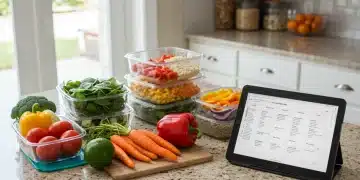
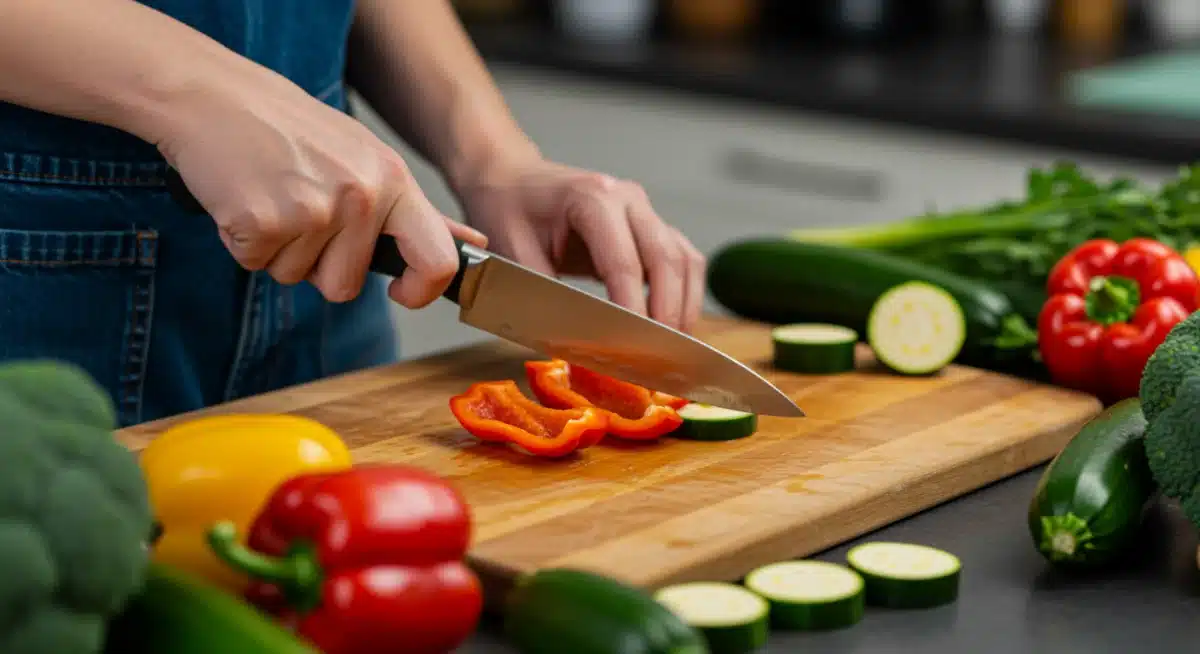
Having the right tools can make your meal prep sessions much more efficient and enjoyable. While you don’t need a professional kitchen, a few key items can streamline the process. Investing in good quality, airtight meal prep containers is paramount for keeping your food fresh and preventing leaks. A sharp chef’s knife and a sturdy cutting board will make vegetable preparation quicker and safer. Additionally, a large pot or Dutch oven is invaluable for cooking big batches of soups, stews, or grains.
- Airtight containers: Essential for food storage and freshness.
- Sharp knife and cutting board: For efficient and safe food preparation.
- Large cooking pot or sheet pans: For batch cooking.
- Digital kitchen scale: For precise portion control and cost tracking.
- Dedicated prep time: Set aside a specific block of time each week for planning and cooking.
- Batch cooking: Prepare larger quantities of staples like grains or roasted vegetables.
Beyond tools, cultivating certain habits will solidify your meal prep success. Always clean as you go to avoid a daunting mess at the end of your cooking session. Label your containers with the date and meal type to ensure you consume them within their freshness window. Most importantly, be flexible and willing to adapt. If a certain ingredient is too expensive, don’t be afraid to substitute it with a more affordable alternative. These practices, combined with the recipes provided, will empower you to consistently achieve your budget-friendly, healthy eating goals.
Maximizing nutritional value on a budget
Achieving optimal nutritional value while adhering to a strict budget is entirely feasible, especially with a thoughtful approach to meal planning and ingredient selection. The key lies in understanding which foods offer the most nutritional bang for your buck. Prioritizing whole, unprocessed foods is always the best strategy, as they tend to be more nutrient-dense and often more affordable in their raw forms compared to their processed counterparts. This means focusing on items like legumes, whole grains, seasonal vegetables, and lean proteins that can be purchased economically.
Consider the nutritional density of foods. Lentils, for instance, are not only cheap but also provide significant amounts of protein, fiber, and essential minerals like iron and folate. Oats are another excellent example, offering complex carbohydrates and soluble fiber for a fraction of the cost of many breakfast cereals. By making informed choices about the core ingredients in your meals, you can ensure that even budget-friendly dishes are packed with the nutrients your body needs to thrive. This approach moves beyond simply cutting costs and focuses on intelligent spending that fuels your health.
Smart substitutions and ingredient hacks
One of the most effective ways to maximize nutritional value on a budget is through smart substitutions and clever ingredient hacks. If fresh berries are out of season and expensive, opt for frozen berries, which are often picked at peak ripeness and retain their nutritional content. Similarly, when certain fresh vegetables are pricey, frozen alternatives like spinach, broccoli, or mixed vegetables offer comparable nutrition at a lower cost. These frozen options are also incredibly convenient for meal prep, as they require minimal preparation.
- Beans and lentils: Excellent, cheap sources of plant-based protein and fiber.
- Eggs: Affordable protein powerhouse, incredibly versatile.
- Seasonal vegetables: Cheaper and more flavorful when in season.
- Frozen fruits and vegetables: Nutrient-dense and cost-effective alternatives to fresh.
- Whole grains: Brown rice, oats, and whole-wheat pasta provide complex carbs and fiber.
- Chicken thighs: Often more affordable and flavorful than chicken breasts.
Another hack involves utilizing less expensive cuts of meat or plant-based proteins. Chicken thighs, as mentioned earlier, are a great example of a cost-effective protein source. For plant-based options, tofu and tempeh can be very affordable, especially when bought in larger blocks. Learning to cook with these ingredients effectively can significantly boost your meal’s nutritional profile without inflating your grocery bill. By consciously incorporating these strategies, you can maintain a high standard of nutrition even when working with a limited budget, proving that healthy eating is accessible to everyone.
| Key Aspect | Brief Description |
|---|---|
| Economic Impact | Meal prep significantly reduces food costs in the current US economy by minimizing waste and enabling bulk buying. |
| Nutritional Benefits | Ensures balanced, healthy meals by controlling ingredients, avoiding processed foods, and boosting nutrient intake. |
| Time Efficiency | Cooking in batches saves daily preparation time, freeing up lunch breaks and reducing stress. |
| Recipe Variety | Offers diverse meal options like lentil soup, stir-fry, chickpea salad, and quinoa bowls, all under budget. |
Frequently asked questions about budget-friendly meal prep
Begin by choosing just one or two recipes for the week and preparing a few servings. Focus on simple dishes with common ingredients. Gradually increase the number of meals as you become more comfortable. Planning your grocery list based on these recipes is crucial to avoid overwhelm and ensure success.
Excellent budget-friendly protein sources include eggs, canned beans (black beans, chickpeas, kidney beans), lentils, tofu, chicken thighs, and ground turkey. These options are versatile, nutritious, and significantly cheaper than many other protein choices, making them ideal for cost-effective meal planning.
Most meal-prepped lunches, when stored in airtight containers, will last safely in the refrigerator for 3 to 4 days. Cooked grains, vegetables, and proteins generally adhere to this timeframe. For longer storage, consider freezing individual portions, especially for soups and stews.
Absolutely! Frozen vegetables are an excellent, cost-effective, and convenient option for meal prepping. They are often picked at their peak ripeness and flash-frozen, retaining their nutritional value. They can be added directly to stir-fries, soups, or roasted, saving time on chopping and reducing waste.
To prevent sogginess, store dressing and sauces separately from salads. For stir-fries or bowls, keep crisp components like crunchy vegetables or tortilla chips separate until serving. Allow hot foods to cool completely before sealing them in containers, as steam can lead to condensation and moisture build-up.
Conclusion
Embracing budget-friendly meal prep is more than just a culinary choice; it’s a strategic lifestyle adjustment that empowers individuals to navigate economic pressures while prioritizing their health. The four healthy lunch recipes presented—hearty lentil and vegetable soup, chicken and veggie stir-fry with brown rice, Mediterranean chickpea salad with whole-wheat pita, and black bean and corn salsa bowls with quinoa—demonstrate that nutritious and delicious meals can be achieved for under $5 per serving, even in the current US economy. By integrating smart planning, strategic grocery shopping, and efficient cooking techniques, anyone can transform their approach to eating, ensuring a consistent supply of wholesome, affordable, and satisfying lunches. This commitment to thoughtful meal preparation not only safeguards your wallet but also significantly contributes to your overall well-being, proving that healthy living is accessible and sustainable for everyone.