Top Meal Planning Apps: Save Time & Money in 2025
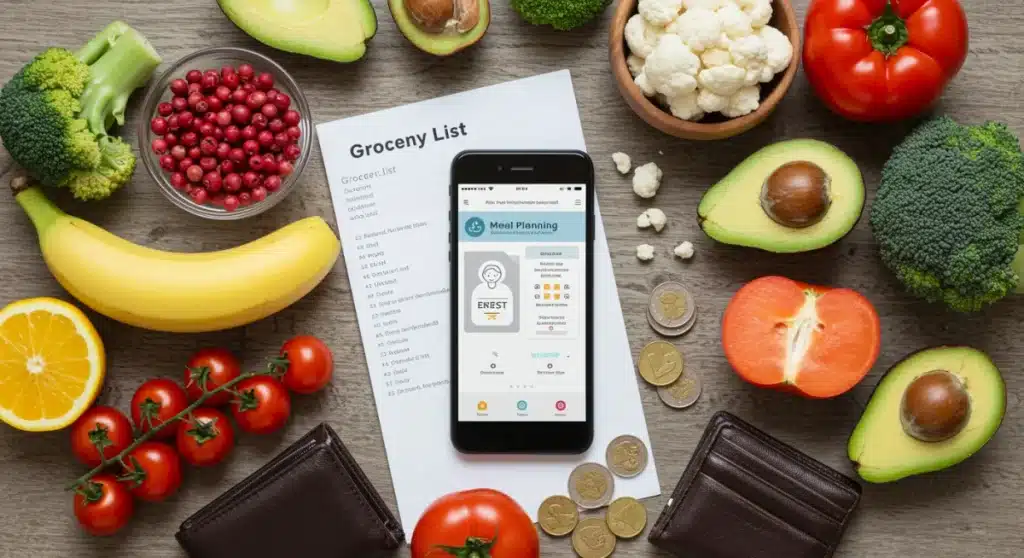
Comparing top meal planning apps is essential to find the one that best fits your lifestyle, helping you save both time and money by streamlining grocery lists, reducing food waste, and simplifying meal preparation.
In today’s fast-paced world, managing meals efficiently can feel like a constant battle. However, the right digital tool can revolutionize your kitchen, making meal prep less daunting and more enjoyable. This article is dedicated to comparing top meal planning apps: which one saves you the most time and money in 2025? We’ll delve into the features, benefits, and potential drawbacks of leading platforms to help you make an informed decision.
The rise of meal planning apps: why they matter now more than ever
Meal planning apps have become indispensable tools for modern households, offering a digital solution to the age-old challenge of what to cook. These platforms go beyond simple recipe storage, integrating features that help users streamline grocery shopping, minimize food waste, and adhere to specific dietary goals.
The convenience offered by these apps is a primary driver of their popularity. From busy professionals to parents juggling multiple responsibilities, the ability to plan a week’s worth of meals in minutes rather than hours is a significant advantage. They eliminate decision fatigue and introduce structure to daily eating habits, leading to healthier choices and a more organized kitchen.
streamlining your kitchen routine
The core benefit of meal planning apps lies in their ability to simplify the entire cooking process. Users can select recipes, generate shopping lists, and even schedule meals, all from a single interface. This level of organization translates directly into time saved, both in the kitchen and at the grocery store.
- Automated grocery lists based on selected recipes.
- Reduced spontaneous, often unhealthy, food purchases.
- Easier tracking of dietary restrictions and nutritional goals.
- Access to a vast library of diverse recipes.
financial benefits and waste reduction
Beyond convenience, meal planning apps offer tangible financial advantages. By planning meals in advance and creating precise shopping lists, users are less likely to buy unnecessary items or let ingredients spoil. This thoughtful approach to food consumption directly reduces grocery bills and significantly cuts down on food waste, aligning with both personal budget goals and environmental consciousness.
In essence, these apps empower individuals to take control of their eating habits, fostering a more mindful and efficient approach to food preparation and consumption. They represent a significant step towards a more sustainable and economically savvy lifestyle.
evaluating key features: what to look for in a meal planning app
Choosing the right meal planning app can be overwhelming given the multitude of options available. To make an informed decision, it’s crucial to evaluate key features that align with your specific needs and lifestyle. Not all apps are created equal, and what works for one person might not work for another.
Consider your primary goals: are you looking to save money, eat healthier, reduce food waste, or simply streamline your cooking process? Identifying these priorities will help narrow down your choices and focus on apps that offer the most relevant functionalities.
recipe database and customization
A robust and diverse recipe database is foundational to any good meal planning app. Look for apps that offer a wide variety of cuisines, dietary options (vegetarian, vegan, gluten-free, etc.), and difficulty levels. The ability to customize recipes, adjust serving sizes, and even upload your own family favorites is also a significant plus.
Customization extends to filtering options. Can you easily search for recipes based on ingredients you have on hand, cooking time, or nutritional content? The more flexible and adaptable the recipe options, the more useful the app will be in your daily life.
grocery list integration and smart shopping
One of the most powerful features of meal planning apps is their ability to generate automated grocery lists from your selected meals. This saves immense time and helps prevent impulse purchases. Look for apps that organize lists by aisle or category, allow you to add non-recipe items, and even integrate with online grocery delivery services.
- Automatic list generation from planned meals.
- Ability to manually add or remove items.
- Categorization of items for efficient shopping.
- Integration with online shopping platforms (a bonus).
dietary tracking and nutritional insights
For those with specific health goals or dietary restrictions, nutritional tracking is a vital feature. Apps that provide detailed nutritional information for each recipe, allow you to track macros and calories, and even offer health-related insights can be incredibly beneficial. This helps maintain adherence to diets and ensures balanced eating.
Some advanced apps even offer meal prep guidance, suggesting optimal batch cooking strategies or ingredient substitutions to meet specific health targets. This adds another layer of value for users committed to a healthier lifestyle.
side-by-side comparison of top contenders in 2025
In 2025, the meal planning app landscape is rich with innovative solutions, each vying for your attention. To help you navigate this crowded market, we’ve compiled a side-by-side comparison of some of the leading contenders, focusing on their unique strengths and how they address the core needs of saving time and money.
From comprehensive recipe libraries to advanced budgeting tools, these apps offer diverse approaches to meal management. Understanding their individual propositions is key to finding the one that best complements your lifestyle and culinary aspirations.


mealime: simplicity and speed
Mealime stands out for its user-friendly interface and speed. It’s designed for busy individuals who want quick, healthy meals without fuss. The app generates personalized meal plans based on your preferences and dietary restrictions, then automatically creates a grocery list. Its focus on efficiency makes it excellent for saving time.
While its recipe database might not be as vast as some competitors, the quality and ease of preparation are consistently high. Mealime’s premium version unlocks more advanced filters and exclusive recipes, offering good value for its subscription cost by simplifying the entire meal prep process significantly.
platejoy: personalized nutrition and dietary support
PlateJoy takes personalization to the next level, offering highly customized meal plans based on an extensive questionnaire about your health goals, dietary preferences, and even kitchen equipment. It’s particularly strong for those with specific dietary needs, such as keto, paleo, or allergen-free diets.
- Tailored meal plans based on detailed user profiles.
- Nutritional guidance and dietary support.
- Integration with Instacart for seamless grocery delivery.
- Focus on whole, unprocessed foods.
The app’s algorithm learns from your feedback, continually refining your meal suggestions. While it comes with a higher price tag, the level of customization and support can translate into significant health and wellness savings in the long run, making it a worthy investment for health-conscious users.
paprika recipe manager: the ultimate organizer
Paprika Recipe Manager isn’t just a meal planner; it’s a comprehensive kitchen organization tool. Users can save recipes from anywhere on the web, organize them into categories, and plan meals on a calendar. Its strength lies in its ability to centralize all your recipes, whether from an app or your favorite blog.
Paprika excels at saving money by enabling you to effectively use ingredients you already have. Its pantry management feature helps track what’s in your fridge, reducing waste and informing your meal choices. Though it lacks the extensive recipe database of some other apps, its organizational prowess makes it invaluable for those who love to cook and want to keep everything in one place.
maximizing savings: how meal planning apps cut your grocery bill
One of the most compelling arguments for adopting a meal planning app is its direct impact on your grocery budget. The strategic approach to food procurement and consumption fostered by these tools can lead to substantial savings, transforming how you shop and eat.
By bringing structure and foresight to your culinary endeavors, meal planning apps help you avoid common pitfalls that lead to overspending and food waste, ultimately putting more money back into your pocket each month.
reducing impulse purchases
Unplanned trips to the grocery store often result in impulse buys – items not on your list that catch your eye. These seemingly small additions quickly add up, inflating your bill. Meal planning apps combat this by generating precise shopping lists based on your planned meals.
Armed with a well-defined list, you’re less likely to wander aimlessly through aisles, succumbing to tempting but unnecessary purchases. This disciplined approach ensures you only buy what you need, significantly curbing spending on non-essential items.
minimizing food waste
Food waste is a major drain on household budgets. Ingredients bought for a single recipe often go bad before they can be used again. Meal planning apps tackle this by encouraging ingredient-conscious planning.
- Suggesting recipes that utilize leftover ingredients.
- Helping you plan meals around ingredients you already own.
- Reducing the likelihood of buying duplicate items.
- Promoting batch cooking to use up perishable goods efficiently.
By planning meals that efficiently use all purchased ingredients, you drastically reduce the amount of food that ends up in the trash. This not only saves money but also contributes to a more sustainable lifestyle.
saving time in the kitchen: efficiency through organization
Beyond financial benefits, meal planning apps are powerful allies in reclaiming precious time, both in the kitchen and throughout your week. The organizational framework they provide streamlines every step of the meal preparation process, from initial planning to the final dish.
In a world where time is a premium, these digital tools offer a strategic advantage, transforming chaotic dinner rushes into calm, enjoyable cooking experiences.
streamlined shopping and prep
The time-saving benefits begin even before you set foot in the kitchen. Automated grocery lists mean less time spent compiling items and navigating store aisles. Many apps organize lists by store section, making your shopping trip faster and more efficient.
Once home, the clear plan provided by the app helps you prep ingredients more effectively. Knowing exactly what you’re cooking and when allows for strategic batch chopping, pre-cooking grains, or marinating proteins in advance, significantly reducing active cooking time during busy weeknights.
reducing decision fatigue
One of the most overlooked time-sinks in meal preparation is the daily question: “What’s for dinner?” This decision fatigue can lead to last-minute takeout orders or quick, unhealthy options. Meal planning apps eliminate this by providing a pre-determined schedule.
With your meals already planned, you free up mental energy and avoid the stress of daily meal decisions. This not only saves time but also promotes a more consistent, healthier eating routine, contributing to overall well-being.
integrating meal planning into your healthy lifestyle
Meal planning apps are more than just tools for saving time and money; they are powerful enablers of a healthier lifestyle. By providing structure and insight into your eating habits, these applications empower you to make more informed choices, adhere to dietary goals, and foster a more balanced approach to nutrition.
The seamless integration of these apps into daily routines can lead to sustainable changes that benefit your health for years to come, making healthy eating less of a chore and more of an effortless habit.
achieving dietary goals with precision
Whether your goal is weight loss, muscle gain, managing chronic conditions, or simply eating more whole foods, meal planning apps offer the precision needed to succeed. Many apps allow you to input specific dietary restrictions, allergies, and nutritional targets, generating meal plans that align perfectly with your needs.
- Tracking macro-nutrients and calorie intake.
- Filtering recipes for specific diets (e.g., vegan, gluten-free).
- Accessing nutritional breakdowns for each meal.
- Discovering new recipes that fit health parameters.
This level of detail ensures that every meal contributes positively to your health objectives, eliminating guesswork and providing a clear path to achieving your desired outcomes.
fostering consistency and mindful eating
Consistency is key to any successful healthy lifestyle change. Meal planning apps promote this by establishing a routine, making healthy eating the default rather than an occasional effort. When healthy meals are planned and ingredients are ready, the temptation to opt for less healthy, convenient alternatives diminishes significantly.
Moreover, the act of planning encourages mindful eating. Users become more aware of what they consume, where their food comes from, and how it impacts their body. This heightened awareness can lead to a more profound and lasting commitment to health and wellness, transforming meal times into an integral part of a holistic healthy lifestyle.
future trends in meal planning apps: what to expect
The landscape of meal planning apps is continually evolving, driven by advancements in artificial intelligence, personalized nutrition science, and a growing consumer demand for convenience and health. Looking ahead to 2025 and beyond, we can anticipate several exciting trends that will further enhance the utility and sophistication of these tools.
These emerging technologies promise to make meal planning even more intuitive, integrated, and tailored to individual needs, solidifying their role as essential components of modern healthy living.
ai-powered personalization and predictive analytics
The future will see even more sophisticated AI at the core of meal planning apps. This will go beyond basic dietary preferences to include predictive analytics based on your past choices, activity levels, and even biometric data from wearables. Apps will be able to suggest meals that not only fit your taste but also optimize your energy levels and recovery based on your daily routine.
Expect features like dynamic meal adjustments based on real-time ingredient availability in your local stores, or AI-driven suggestions for reducing food waste by proposing recipes for expiring items in your pantry. This level of intelligent adaptation will make meal planning virtually effortless.
enhanced integration and smart kitchen connectivity
Integration will become seamless, extending beyond grocery delivery services to encompass smart kitchen appliances. Imagine an app that not only plans your meals but also preheats your oven, adjusts cooking times on your smart stove, or even orders missing ingredients directly from your smart fridge.
Voice-activated commands for recipe navigation and hands-free cooking instructions will also become standard, further simplifying the cooking experience. The goal is a fully connected culinary ecosystem where planning, shopping, and cooking are harmoniously orchestrated by your app.
- Real-time ingredient tracking and reordering.
- Automated cooking adjustments via smart appliances.
- Interactive, voice-guided recipe instructions.
- Personalized nutrition coaching based on health data.
Ultimately, these advancements aim to create a more integrated, intelligent, and effortless meal planning experience, allowing users to focus more on enjoying their food and less on the logistics of preparing it.
| Key Feature | Benefit to User |
|---|---|
| Automated Grocery Lists | Saves time and reduces impulse purchases, cutting grocery bills. |
| Personalized Meal Plans | Tailors meals to dietary needs and preferences, promoting healthier eating. |
| Food Waste Reduction | Optimizes ingredient usage, leading to significant cost savings. |
| Time-Saving Prep | Streamlines cooking process, freeing up valuable personal time. |
Frequently asked questions about meal planning apps
Meal planning apps save money primarily by generating precise grocery lists, which reduces impulse purchases and ensures you only buy what’s needed. They also help minimize food waste by encouraging the efficient use of ingredients already on hand or planned for multiple meals.
Yes, most top meal planning apps offer extensive filtering options for various dietary needs, including vegetarian, vegan, gluten-free, keto, and allergy-specific diets. Users can input their preferences, and the app will generate meal plans and recipes accordingly, ensuring adherence to health goals.
For many users, the premium features of meal planning apps, such as advanced customization, exclusive recipes, and deeper nutritional insights, justify the cost. The time and money saved through reduced food waste and efficient shopping often outweigh the subscription fee, providing significant value.
Meal planning apps reduce food waste by promoting thoughtful ingredient usage. They suggest recipes that can utilize leftover items, help plan meals around existing pantry stock, and prevent over-purchasing, ensuring that perishable goods are consumed before they spoil.
The primary time-saving benefits include expedited grocery shopping with organized lists, reduced daily decision-making about meals, and streamlined meal preparation through planned batch cooking or ingredient prepping. This frees up significant time during busy weekdays.
Conclusion
The landscape of meal planning apps in 2025 offers an array of powerful tools designed to simplify your life, save you money, and promote healthier eating habits. By carefully considering your individual needs and the features offered by leading platforms like Mealime, PlateJoy, and Paprika Recipe Manager, you can find the perfect digital companion for your culinary journey. Embracing a meal planning app is more than just adopting a new technology; it’s an investment in a more organized, economical, and wholesome lifestyle.