Achieve Your 2026 Fitness Goals: A Step-by-Step Guide to Effective Meal Prep for Athletes
Achieve Your 2026 Fitness Goals: A Step-by-Step Guide to Effective Meal Prep for Athletes
As we look ahead to 2026, many athletes are already setting ambitious fitness goals, whether it’s breaking personal records, mastering new skills, or competing at a higher level. While rigorous training is undeniably crucial, the foundation of any successful athletic endeavor lies in proper nutrition. Effective athlete meal prep is not just a trend; it’s a strategic imperative that can significantly impact your performance, recovery, and overall well-being. This comprehensive guide will walk you through the essential steps to master athlete meal prep, ensuring you’re optimally fueled to crush your 2026 aspirations.
The Unbeatable Advantage of Athlete Meal Prep for 2026 Fitness Goals
Why should athlete meal prep be a cornerstone of your 2026 training regimen? The benefits are multifaceted and directly contribute to athletic excellence.
Firstly, consistent nutrition is paramount. Athletes have higher caloric and nutrient demands, and meeting these consistently day in and day out can be challenging without a plan. Meal prepping ensures you have access to balanced, nutrient-dense meals precisely when your body needs them, preventing energy dips and promoting sustained performance. This consistency is a game-changer when you’re pushing your limits and striving for peak physical condition. Think about those long training days or early morning sessions; having a pre-made, healthy meal ready to go saves valuable time and eliminates the temptation of less nutritious, convenient options.
Secondly, it optimizes recovery. Intense training breaks down muscle tissue and depletes glycogen stores. Proper post-workout nutrition, rich in protein and carbohydrates, is vital for muscle repair and replenishment. With effective athlete meal prep, your recovery meals are ready, ensuring you refuel within the critical anabolic window, leading to faster recovery and reduced risk of injury. This proactive approach to recovery means you’re always ready for your next training session, maximizing your progress towards those 2026 fitness goals.
Thirdly, athlete meal prep provides precise control over your macronutrient and micronutrient intake. Whether you’re aiming for muscle gain, fat loss, or maintaining a specific body composition, knowing exactly what goes into your body is crucial. You can tailor your meals to meet specific dietary requirements, allergies, or performance goals, eliminating guesswork and promoting optimal physiological function. This level of control is often the differentiating factor between good performance and exceptional performance.
Finally, it saves time and money. While the initial investment of time might seem significant, the long-term efficiency gained is substantial. You spend less time cooking daily, reduce impulse purchases of unhealthy takeout, and minimize food waste. This financial and temporal efficiency allows you to dedicate more resources to training, recovery, and other aspects of your life, making your journey to 2026 fitness goals more sustainable.
Phase 1: Planning Your Athlete Meal Prep Strategy
The success of your athlete meal prep hinges on meticulous planning. This phase involves understanding your needs, setting realistic goals, and creating a detailed blueprint for your week.
1. Assess Your Nutritional Needs and 2026 Fitness Goals
Before you even think about ingredients, you need to understand your body’s specific demands. Your nutritional requirements will vary based on your sport, training intensity, body weight, gender, and your specific 2026 fitness goals (e.g., endurance, strength, speed, weight management). Consider consulting with a sports nutritionist or registered dietitian. They can help you determine your optimal caloric intake, macronutrient ratios (carbohydrates, proteins, fats), and essential micronutrients. For example, an endurance athlete will require a higher carbohydrate intake than a strength athlete, while both need sufficient protein for muscle repair.
Factor in your training schedule. On heavy training days, you’ll need more fuel. On rest days, your caloric intake might be slightly lower, with an emphasis on recovery-promoting nutrients. Tailoring your meals to your daily activity level is a hallmark of effective athlete meal prep.
2. Choose Your Meal Prep Frequency and Style
How often do you want to prep? Some athletes prefer a big Sunday cook-up for the entire week, while others opt for two smaller sessions (e.g., Sunday and Wednesday). Consider your schedule and preferences. There are several popular meal prep styles:
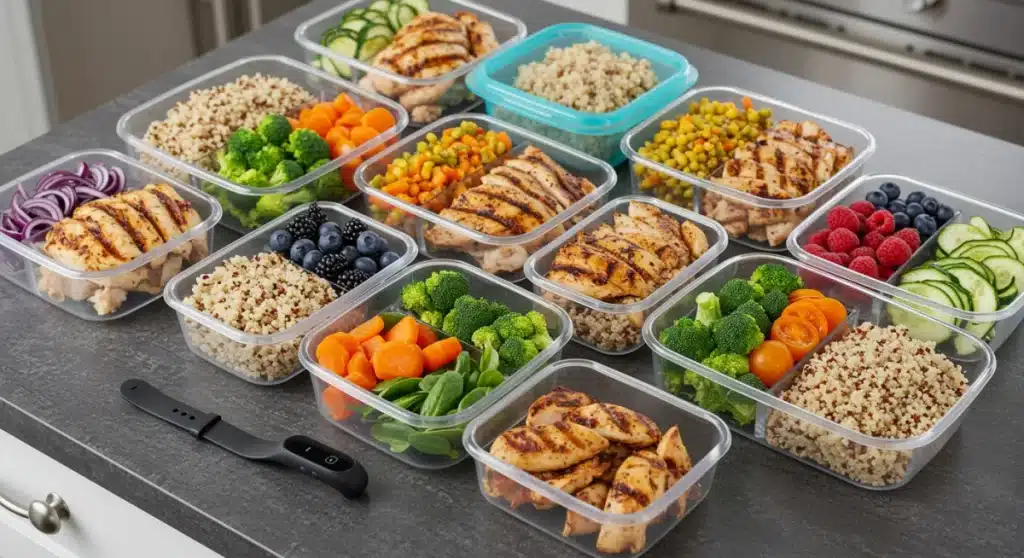
- Batch Cooking: Preparing large quantities of a single component (e.g., a big batch of grilled chicken, roasted vegetables, or quinoa) to be mixed and matched throughout the week.
- Full Meal Prep: Assembling complete, ready-to-eat meals in individual containers. This offers maximum convenience.
- Ingredient Prep: Chopping vegetables, marinating meats, or pre-cooking grains without assembling full meals. This provides flexibility for daily cooking.
For most athletes aiming for consistent nutrition, a combination of batch cooking and full meal prep often works best. This ensures variety while maintaining efficiency.
3. Select Your Recipes and Create a Menu
This is where creativity meets strategy. Choose recipes that are:
- Nutrient-Dense: Focus on whole foods – lean proteins, complex carbohydrates, healthy fats, and plenty of fruits and vegetables.
- Easy to Scale: Recipes that can be easily multiplied to feed you for several days.
- Storage-Friendly: Meals that hold up well in the refrigerator or freezer without losing texture or flavor.
- Varied: To prevent palate fatigue and ensure a broad spectrum of nutrients, try to incorporate different protein sources, grains, and vegetables throughout the week.
Brainstorm your breakfasts, lunches, dinners, and snacks for the week. Write them down. Having a concrete menu is vital for efficient grocery shopping and execution. Consider themes for your meals to simplify planning, e.g., “Mediterranean Monday,” “Taco Tuesday,” etc.
4. Develop Your Grocery List
Once your menu is set, create a detailed grocery list. Organize it by supermarket sections (produce, dairy, pantry, meat, etc.) to save time while shopping. Stick to your list to avoid impulse buys and ensure you have everything needed for your athlete meal prep. This step is critical for staying on budget and preventing last-minute trips to the store.
Phase 2: Executing Your Athlete Meal Prep
With your plan in hand, it’s time to get cooking! This phase focuses on efficient kitchen practices and proper food handling.
1. Gather Your Tools and Ingredients
Before you begin, ensure you have all necessary kitchen tools (cutting boards, knives, pots, pans, measuring cups, food storage containers) and all ingredients laid out. This mise en place approach streamlines the cooking process. High-quality, airtight food storage containers are essential for maintaining freshness and preventing spoilage, especially when you’re serious about your athlete meal prep.
2. Master Efficient Cooking Techniques
Batch cooking isn’t just about quantity; it’s about smart cooking. Here are some tips:
- Multi-task: While chicken is baking, chop vegetables for another dish. While rice is simmering, cook a pot of quinoa.
- Utilize Oven Space: Roast multiple types of vegetables or proteins on different trays simultaneously.
- Pressure Cookers/Slow Cookers: These can be invaluable for preparing grains, stews, or large cuts of meat with minimal effort.
- Pre-Chop/Pre-Wash: Wash and chop all your vegetables at once. This saves time during individual meal assembly.
- Cook in Bulk: Prepare large quantities of staples like cooked grains (quinoa, brown rice), roasted sweet potatoes, or grilled chicken breast.
Focus on cooking methods that are relatively hands-off, allowing you to prepare multiple components simultaneously. This efficiency is what makes dedicated athlete meal prep sessions so effective.
3. Portion and Assemble Your Meals
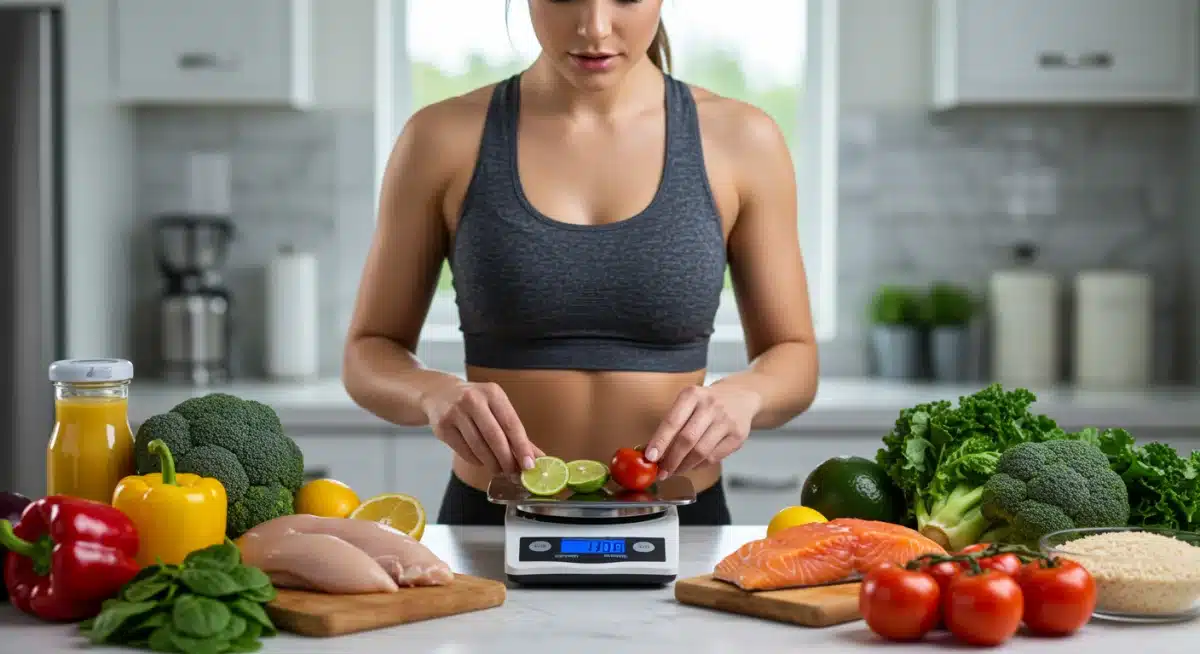
Once your components are cooked and cooled (this is important for food safety!), it’s time to portion them into your individual containers. Use a food scale if precise portion control is crucial for your 2026 fitness goals. Ensure a balance of macronutrients in each meal: a lean protein source, a complex carbohydrate, and plenty of vegetables. Don’t forget healthy fats, which can be added as a dressing or a side of avocado.
For variety, you can keep some components separate and combine them differently each day. For example, cooked chicken can become part of a salad one day and a stir-fry another. This flexibility keeps your athlete meal prep exciting and prevents boredom.
Phase 3: Storage, Safety, and Sustainability in Athlete Meal Prep
Proper storage is crucial for food safety and maintaining the quality of your prepped meals. Sustainability ensures your athlete meal prep routine is long-lasting and beneficial.
1. Safe Storage Practices
- Cool Down Quickly: Always allow cooked food to cool completely before sealing and refrigerating. This prevents condensation and inhibits bacterial growth.
- Airtight Containers: Use high-quality, airtight containers (glass is often preferred for durability and ease of cleaning) to keep food fresh and prevent odors from spreading.
- Refrigeration: Most prepped meals are safe in the refrigerator for 3-4 days. Label containers with the date to keep track.
- Freezing: For longer storage, many meals can be frozen for up to 2-3 months. Soups, stews, casseroles, cooked grains, and some proteins freeze well. Thaw frozen meals in the refrigerator overnight before reheating.
Adhering to these food safety guidelines is non-negotiable for any serious athlete meal prep enthusiast, protecting your health and ensuring your efforts don’t go to waste.
2. Reheating and Enjoying Your Meals
Reheat meals thoroughly to an internal temperature of 165°F (74°C). Microwaves are convenient, but ovens or stovetops can provide better texture for some dishes. Add fresh garnishes like herbs, a squeeze of lemon, or a sprinkle of nuts right before eating to enhance flavor and texture. This simple step can elevate a prepped meal from functional to enjoyable.
3. Maximizing Variety and Preventing Burnout
Even the most dedicated athletes can get tired of eating the same meals. To keep your athlete meal prep sustainable:
- Rotate Recipes: Have a repertoire of 10-15 go-to recipes and rotate them weekly or bi-weekly.
- Flexibility: Don’t feel pressured to prep every single meal. Sometimes, a fresh meal prepared on the spot can be a welcome change.
- Seasonality: Incorporate seasonal fruits and vegetables for fresh flavors and different nutrient profiles.
- Spice It Up: Experiment with different herbs, spices, and sauces to transform similar base ingredients into distinct meals.
Maintaining enjoyment in your diet is just as important as the nutritional content for long-term adherence and achieving your 2026 fitness goals.
Advanced Athlete Meal Prep Strategies for 2026
Once you’ve mastered the basics, consider these advanced strategies to fine-tune your athlete meal prep and further support your ambitious 2026 fitness goals.
1. Incorporating Performance-Boosting Supplements (Wisely)
While whole foods should always be the priority, certain supplements can complement your athlete meal prep. Protein powders, creatine, BCAAs, and fish oil are common choices. Plan how and when you’ll incorporate these into your daily routine. For instance, protein powder can be blended into pre-prepped smoothies or mixed into oatmeal. Always research supplements thoroughly and consider consulting with a sports dietitian or doctor to ensure they are safe, effective, and appropriate for your specific needs and sport.
2. Hydration Planning
Often overlooked, hydration is crucial for athletic performance. Your athlete meal prep strategy should extend to fluid intake. Prepare infused water (with fruits, vegetables, or herbs) to encourage more drinking. Consider pre-mixing electrolyte drinks for heavy training days. Having water bottles filled and ready to go can make a significant difference in maintaining optimal hydration levels throughout your day and during workouts.
3. Travel-Friendly Meal Prep
If your 2026 fitness goals involve travel for competitions or training camps, your athlete meal prep needs to adapt. Invest in sturdy, leak-proof containers and insulated bags. Choose meals that are easy to transport and don’t require extensive reheating facilities. Think wraps, hearty salads, or protein boxes. Planning for travel nutrition prevents reliance on unreliable or unhealthy options on the road, ensuring your performance isn’t compromised.
4. Adapting to Training Phases
Your nutritional needs aren’t static; they change with your training phases. During a high-volume phase, you’ll likely need more carbohydrates and calories. During a tapering phase before competition, adjustments might be made to maintain energy while reducing overall load. During an off-season, the focus might shift to recovery and nutrient repletion. Regularly review your athlete meal prep plan and adjust it to align with your current training demands. This dynamic approach ensures your body is always getting exactly what it needs to perform at its best.
5. Tracking and Adjusting
Keep a food journal or use a tracking app for a few weeks to monitor your intake and how it correlates with your energy levels, performance, and recovery. This data is invaluable for fine-tuning your athlete meal prep. Are you consistently feeling sluggish in the afternoon? Perhaps you need more complex carbohydrates at lunch. Are you not recovering fast enough? Increase your protein intake. Continuous monitoring and adjustment are key to optimizing your nutrition for long-term success on your journey to 2026 fitness goals.
Common Pitfalls to Avoid in Athlete Meal Prep
Even with the best intentions, mistakes can happen. Being aware of common meal prep pitfalls can help you avoid them.
- Lack of Variety: Eating the same thing every day leads to boredom and potential nutrient deficiencies. Prioritize variety.
- Poor Portion Control: Eyeballing portions can lead to over or under-eating. Use measuring tools, especially when starting out.
- Neglecting Hydration: Food prep is important, but don’t forget to plan your fluid intake.
- Unrealistic Expectations: Don’t try to prep every single meal for the entire month on your first attempt. Start small and build up.
- Ignoring Food Safety: Improper cooling or storage can lead to foodborne illness. Always prioritize safety.
- Not Adapting to Training: Your meal plan needs to evolve with your training intensity and goals.
- Underestimating Time: Allocate enough time for planning, shopping, and cooking. Rushing leads to mistakes and frustration.
Conclusion: Fueling Your 2026 Success Through Strategic Athlete Meal Prep
Achieving your 2026 fitness goals requires dedication, discipline, and a holistic approach that extends beyond the training ground. Strategic athlete meal prep is an indispensable tool in your arsenal, providing the consistent, high-quality fuel your body needs to perform, recover, and adapt. By meticulously planning, efficiently executing, and continuously optimizing your nutrition, you can unlock new levels of performance and ensure that every training session brings you closer to your athletic aspirations.
Start small, be consistent, and don’t be afraid to experiment. Your journey to peak performance in 2026 begins in the kitchen. Make athlete meal prep a non-negotiable part of your routine, and you’ll be amazed at the difference it makes in your energy, strength, endurance, and overall well-being. Here’s to a powerfully fueled and successful 2026!