Advanced Muscle Recovery: Reduce Soreness 30% This Season

In the demanding world of athletics, whether you’re a professional competitor or a dedicated weekend warrior, the quest for peak performance is relentless. However, often overlooked in the pursuit of strength, speed, and endurance is the critical role of muscle recovery techniques. It’s not just about how hard you train, but how effectively you recover from that training. Muscle soreness, scientifically known as Delayed Onset Muscle Soreness (DOMS), is a familiar companion for anyone pushing their physical limits. While a certain degree of soreness indicates that your muscles have been challenged and are adapting, excessive or prolonged soreness can impede subsequent training sessions, increase the risk of injury, and ultimately hinder your progress. This season, our goal is ambitious yet attainable: to provide you with the knowledge and actionable, advanced muscle recovery techniques to reduce muscle soreness by a remarkable 30%.
This isn’t about quick fixes or anecdotal remedies; it’s about delving into the science-backed strategies that optimize your body’s natural healing processes. We’ll explore three advanced muscle recovery techniques that target different aspects of post-exercise physiological repair, from cellular regeneration to inflammation management. By integrating these methods into your routine, you can expect not only a significant reduction in discomfort but also improved athletic performance, enhanced adaptability, and a more resilient physique. Prepare to transform your approach to training and unlock your full potential by mastering the art and science of muscle recovery techniques.
Understanding Muscle Soreness: The Science Behind DOMS
Before diving into advanced muscle recovery techniques, it’s crucial to understand what muscle soreness, or DOMS, actually is. DOMS typically manifests 12 to 72 hours after unaccustomed or intense exercise, particularly activities involving eccentric contractions (muscle lengthening under tension, like the lowering phase of a bicep curl or running downhill). For a long time, lactic acid was incorrectly blamed for this discomfort. However, current scientific understanding points to microscopic damage to muscle fibers and the subsequent inflammatory response as the primary culprits.
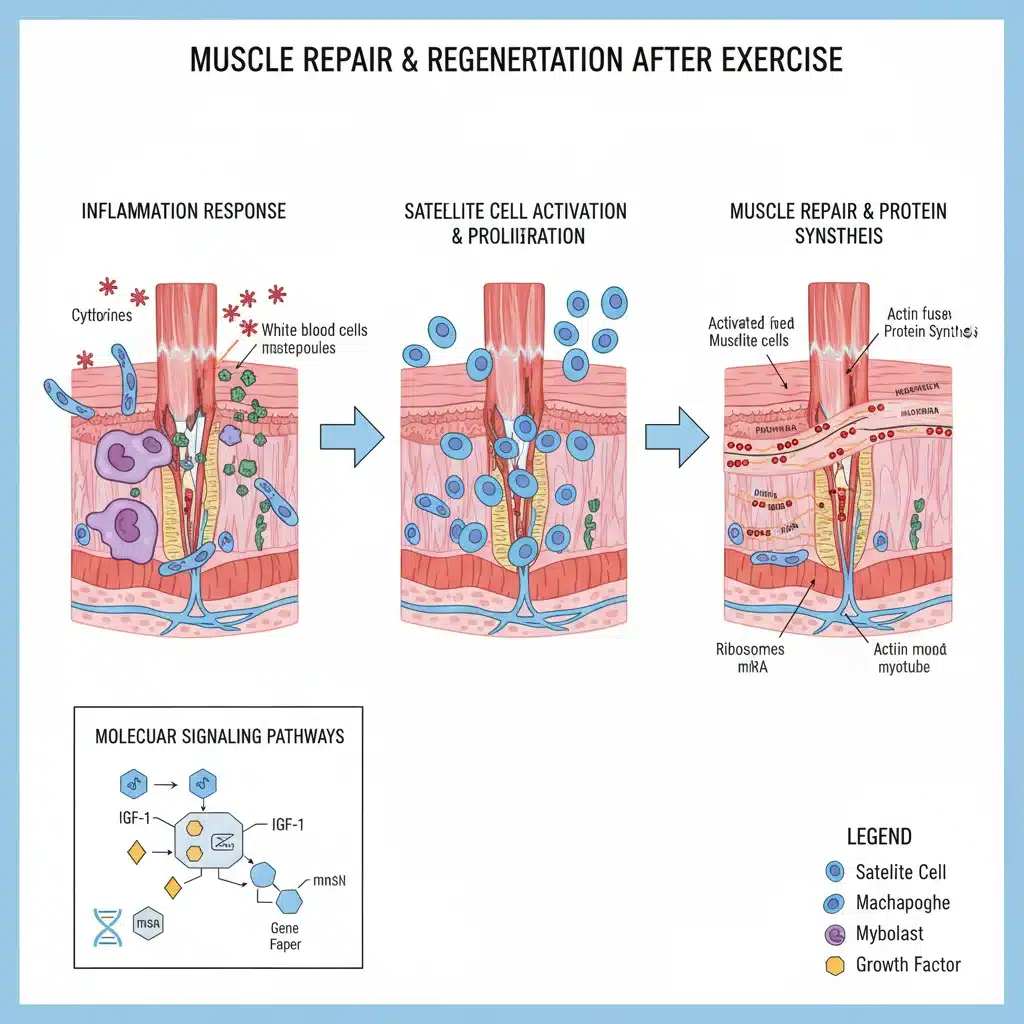
When you engage in strenuous exercise, tiny tears occur in the muscle fibers. This microtrauma triggers a cascade of events: an inflammatory response, swelling, and the activation of pain receptors. It’s important to note that this process is a natural and necessary part of muscle adaptation and growth. Your body responds by repairing these micro-tears, making the muscle fibers stronger and more resistant to future stress. However, too much inflammation or prolonged repair can lead to discomfort, stiffness, and a temporary reduction in muscle function. Effective muscle recovery techniques aim to modulate this inflammatory response and accelerate the repair process without inhibiting the beneficial adaptations.
Factors influencing the severity of DOMS include the intensity and duration of exercise, the type of contractions involved (eccentric contractions are notorious for inducing more significant DOMS), and your current fitness level. Individuals new to exercise or those returning after a break often experience more pronounced soreness. Genetic predispositions and nutritional status also play a role. By understanding these underlying mechanisms, we can better appreciate how the advanced muscle recovery techniques we’re about to discuss work to alleviate symptoms and promote faster healing.
The goal isn’t to eliminate DOMS entirely, as some soreness can be a sign of effective training stimulus. Instead, the objective is to manage it, reduce its severity and duration, and ensure it doesn’t interfere with your consistency and ability to perform optimally in subsequent workouts. This is where strategic intervention with proven muscle recovery techniques becomes invaluable. A 30% reduction in soreness can translate to more effective training days, fewer missed sessions, and a significant boost in overall athletic development throughout the season.
Technique 1: Targeted Cryotherapy and Contrast Water Therapy for Enhanced Muscle Recovery
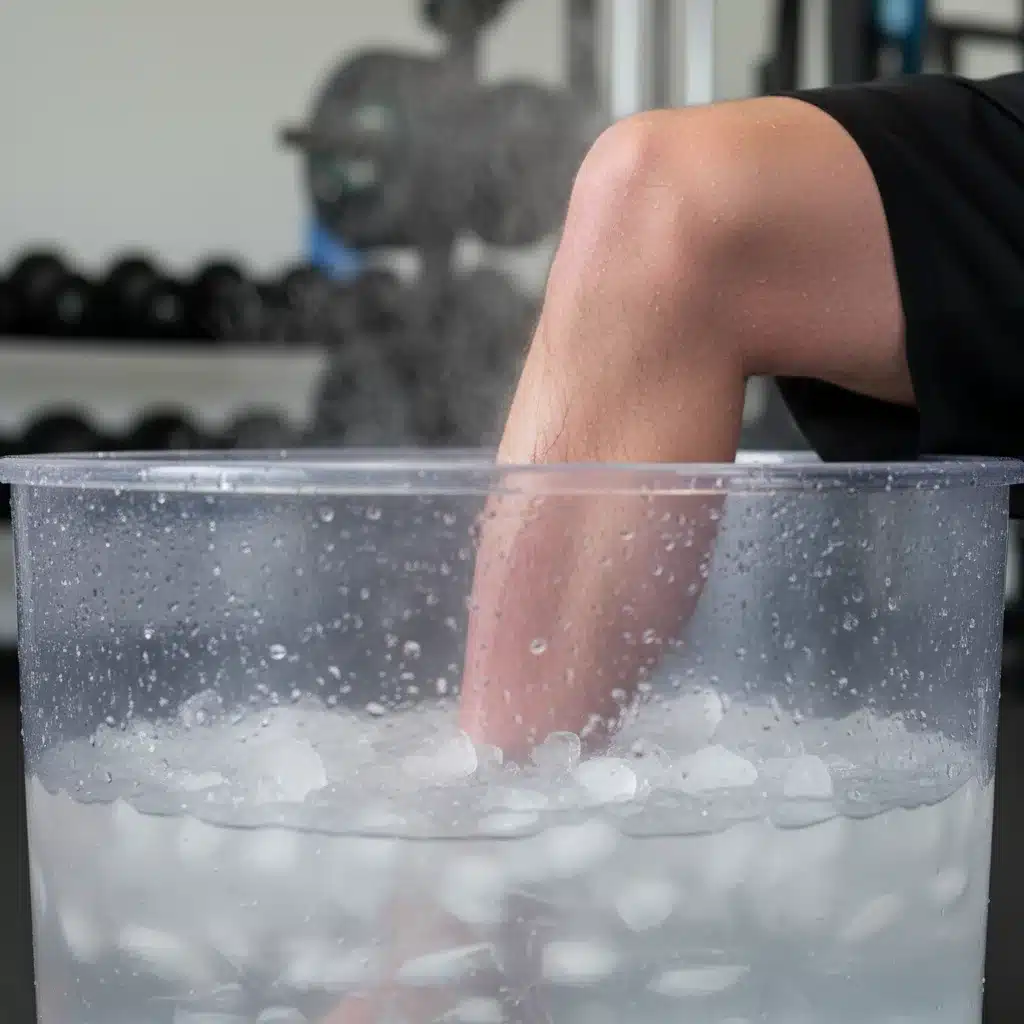
Our first advanced muscle recovery technique focuses on leveraging temperature to optimize physiological responses: targeted cryotherapy and contrast water therapy. While ice baths have been a staple in sports for decades, modern applications and understanding refine their utility. Cryotherapy, in its broader sense, involves exposing the body to extremely cold temperatures, which can significantly reduce inflammation, numb pain receptors, and constrict blood vessels. This vasoconstriction helps flush metabolic waste products from the muscles.
Targeted Cryotherapy: Beyond the Ice Bath
Traditional ice baths, while effective, can be uncomfortable and impractical for many. Targeted cryotherapy, such as localized cold packs or specialized cryotherapy devices that deliver extreme cold to specific muscle groups, offers a more precise approach. The science suggests that cold therapy reduces secondary tissue damage by decreasing metabolic activity and limiting the inflammatory cascade. For athletes, this means less swelling and a faster return to baseline muscle function. The recommended duration for localized cold application is typically 15-20 minutes, ensuring the tissue temperature is sufficiently lowered without causing frostbite.
The Power of Contrast Water Therapy
Contrast water therapy (CWT) takes cold therapy a step further by alternating between hot and cold water immersion. This technique is believed to create a ‘pumping’ action in the blood vessels: cold water causes vasoconstriction, and hot water causes vasodilation. This rapid alternation is thought to improve blood flow, enhance the removal of metabolic byproducts, and deliver fresh oxygen and nutrients to damaged tissues more efficiently. It’s a dynamic approach to muscle recovery that many athletes find more tolerable than prolonged ice baths.
A typical CWT protocol involves alternating between 1-2 minutes in cold water (10-15°C or 50-59°F) and 2-4 minutes in warm water (37-40°C or 98-104°F), repeated for 3-5 cycles, ending on cold. Research indicates that CWT can be particularly effective in reducing perceived muscle soreness and fatigue, and some studies suggest it may aid in the recovery of muscle strength and power. By combining the inflammation-reducing benefits of cold with the circulation-boosting effects of heat, CWT offers a comprehensive approach to post-exercise recovery, making it a cornerstone of effective muscle recovery techniques.
Integrating these temperature-based muscle recovery techniques into your routine can provide tangible benefits. Consider using targeted cold therapy immediately after intense sessions focusing on specific muscle groups, and incorporating CWT on days when generalized soreness is an issue. The accessibility of these methods, from simple ice packs and warm showers to dedicated facilities, makes them versatile tools in your recovery arsenal. This proactive approach to managing inflammation and promoting circulation is a key strategy in our goal to reduce muscle soreness by 30% this season through advanced muscle recovery techniques.
Technique 2: Optimizing Nutrient Timing and Advanced Supplementation for Muscle Repair
Nutrition is often called the fourth discipline in sports, following training, technique, and tactics. When it comes to muscle recovery techniques, optimizing nutrient timing and leveraging advanced supplementation are absolutely paramount. The body’s ability to repair and rebuild muscle tissue after strenuous exercise is heavily reliant on the availability of specific macronutrients and micronutrients. By strategically consuming these at the right time, we can significantly accelerate the recovery process and achieve our goal of reducing muscle soreness.
The Golden Window: Post-Exercise Nutrient Timing
The concept of the ‘anabolic window’ or ‘golden window’ refers to the period immediately following exercise (typically 30-60 minutes) when muscles are most receptive to nutrient uptake. During this time, muscle glycogen stores are depleted, and muscle protein breakdown is elevated. Consuming a combination of carbohydrates and protein during this window is critical. Carbohydrates help replenish glycogen stores, providing energy for recovery and future performance, while protein supplies the amino acids necessary for muscle protein synthesis (MPS) – the process of repairing and building new muscle tissue. A common recommendation is a 3:1 or 4:1 carbohydrate-to-protein ratio, aiming for 0.8-1.2g of carbohydrates per kg of body weight and 0.2-0.4g of protein per kg of body weight.
Beyond this immediate window, consistent intake of high-quality protein throughout the day is essential to maintain a positive nitrogen balance and support ongoing muscle repair. Spreading protein intake across 4-6 meals (20-40g per meal) has been shown to optimize MPS over a 24-hour period. Hydration also plays a crucial role; dehydration can impair recovery and exacerbate muscle soreness. Electrolyte-rich fluids are particularly beneficial after intense or prolonged exercise.
Advanced Supplementation for Accelerated Healing
While a whole-food diet should always be the foundation, certain supplements can provide targeted support for muscle recovery techniques. Let’s explore a few key players:
- Branched-Chain Amino Acids (BCAAs): Leucine, isoleucine, and valine are essential amino acids that are critical for MPS. Leucine, in particular, acts as a signaling molecule to initiate muscle building. While a complete protein source provides all BCAAs, supplementation can be beneficial, especially during prolonged exercise or caloric restriction, to reduce muscle breakdown and aid recovery.
- Creatine Monohydrate: Best known for its role in energy production during high-intensity exercise, creatine also has indirect benefits for muscle recovery techniques. It helps replenish ATP stores, allowing for more effective training, and some research suggests it may reduce muscle cell damage and inflammation after exercise.
- Omega-3 Fatty Acids (Fish Oil): These essential fats, particularly EPA and DHA, possess potent anti-inflammatory properties. By helping to modulate the body’s inflammatory response, omega-3s can reduce muscle soreness and promote faster healing. They are also crucial for overall cellular health and can improve joint function, indirectly supporting recovery.
- Tart Cherry Juice: Emerging research highlights tart cherry juice as a powerful natural recovery aid. Rich in antioxidants and anti-inflammatory compounds, tart cherry juice has been shown to reduce muscle damage, inflammation, and perceived muscle soreness after intense exercise. It’s a natural alternative to NSAIDs for managing post-workout discomfort.
- Magnesium: This essential mineral is involved in over 300 biochemical reactions in the body, including muscle contraction, nerve function, and energy production. Magnesium deficiency can lead to muscle cramps and fatigue, making adequate intake crucial for optimal muscle recovery. Supplementation can be beneficial for athletes, as intense exercise can deplete magnesium stores.
When considering supplementation, always prioritize quality, choose third-party tested products, and consult with a healthcare professional or sports nutritionist. The synergy between proper nutrient timing and targeted supplementation forms a powerful strategy within advanced muscle recovery techniques, significantly contributing to the 30% reduction in muscle soreness we aim for this season. By fueling your body optimally, you’re not just recovering; you’re building a stronger, more resilient foundation for sustained performance.
Technique 3: Active Recovery and Myofascial Release for Accelerated Healing
Our third pillar of advanced muscle recovery techniques focuses on active strategies that directly promote healing and reduce stiffness: active recovery and myofascial release. While rest is undoubtedly important, passive rest alone is often insufficient for optimal recovery. Active recovery, characterized by low-intensity exercise, and myofascial release, which targets connective tissue, work synergistically to enhance blood flow, reduce muscle stiffness, and improve tissue mobility, all contributing to a substantial reduction in muscle soreness.
The Benefits of Active Recovery
Active recovery involves engaging in light exercise after a strenuous workout or on a rest day. Unlike passive recovery, which involves complete cessation of activity, active recovery keeps the blood flowing, which helps flush out metabolic waste products (like hydrogen ions) and deliver oxygen and nutrients to fatigued muscles. This increased circulation can significantly reduce the duration and intensity of DOMS. Examples of effective active recovery include:
- Light Cycling or Jogging: A gentle, low-impact session on a stationary bike or a slow jog for 20-30 minutes can significantly improve blood flow without adding further stress to the muscles.
- Swimming or Water Aerobics: The buoyancy of water reduces impact on joints and muscles, making it an excellent medium for active recovery, especially for lower body soreness.
- Yoga or Pilates: These practices combine gentle movement with stretching and controlled breathing, improving flexibility, reducing muscle tension, and enhancing body awareness.
- Dynamic Stretching: Unlike static stretching, which is typically held for prolonged periods, dynamic stretching involves controlled movements through a full range of motion. This can be performed as part of a warm-up or as a light recovery session to improve mobility.
The key to effective active recovery is to keep the intensity low. The goal is to promote blood flow and mobility, not to create additional muscle fatigue. Think of it as a ‘cool-down’ for your entire body, allowing it to transition from a high-stress state to a more relaxed, restorative one. Incorporating active recovery sessions regularly is a powerful component of any comprehensive muscle recovery technique strategy.
Myofascial Release: Targeting Connective Tissue
Myofascial release (MFR) is a therapeutic technique focusing on releasing tightness and restrictions in the fascia, the connective tissue that surrounds muscles, bones, and organs. When fascia becomes tight or adhered due to injury, overuse, or poor posture, it can restrict muscle movement, cause pain, and exacerbate muscle soreness. MFR aims to restore the elasticity and glide of the fascia, thereby improving range of motion and reducing discomfort.
The most common and accessible form of MFR for athletes is self-myofascial release (SMR) using tools like foam rollers, massage balls, or stick rollers. By applying sustained pressure to tender spots (trigger points), you can help release tension in the fascia and underlying muscles. The benefits of SMR include:
- Reduced Muscle Soreness and Stiffness: By breaking up adhesions and improving blood flow to the treated areas, SMR can significantly alleviate post-exercise discomfort.
- Improved Flexibility and Range of Motion: Releasing fascial restrictions allows muscles to move more freely, enhancing overall flexibility and reducing the risk of injury.
- Enhanced Blood Circulation: The pressure applied during SMR can promote localized blood flow, aiding in nutrient delivery and waste removal.
- Better Posture and Movement Patterns: Regular MFR can help correct muscular imbalances and improve movement mechanics, leading to more efficient and pain-free exercise.
To effectively practice SMR, identify tender spots or ‘knots’ in your muscles. Apply gentle, sustained pressure to these areas for 30-90 seconds, or until you feel the tension begin to release. Breathe deeply and try to relax into the stretch. It’s important to move slowly and deliberately, avoiding bouncing or rapid movements. Common areas to target include the quadriceps, hamstrings, glutes, calves, and upper back.
Combining active recovery with regular myofascial release creates a dynamic duo among muscle recovery techniques. These methods not only address the symptoms of muscle soreness but also contribute to long-term muscular health and performance. By actively engaging your body in the recovery process, you are taking significant steps towards achieving our 30% reduction in muscle soreness this season, ensuring you remain resilient and ready for every challenge.
Integrating Advanced Muscle Recovery Techniques into Your Training Regimen
Implementing these advanced muscle recovery techniques isn’t about adding more complexity to your life; it’s about strategically optimizing your existing routine. The goal is to weave these practices seamlessly into your training regimen to maximize their benefits and achieve that targeted 30% reduction in muscle soreness. Consistency is key, as sporadic application will yield limited results.
Creating a Personalized Recovery Protocol
No two athletes are exactly alike, and what works best for one might not be ideal for another. Therefore, creating a personalized recovery protocol is essential. Consider the following when integrating these muscle recovery techniques:
- Training Intensity and Volume: The more intense or voluminous your training, the greater the need for robust recovery. High-volume strength training or endurance events will require more dedicated cryotherapy, nutrient timing, and active recovery sessions.
- Individual Response: Pay attention to how your body responds to each technique. Do you feel better after an ice bath, or does contrast water therapy provide more relief? Does tart cherry juice make a noticeable difference in your soreness levels? Track your progress and adjust accordingly.
- Time Constraints: Be realistic about the time you can dedicate to recovery. Even short bursts of active recovery or 10-15 minutes of foam rolling can be beneficial. Prioritize the techniques that offer the most impact for your available time.
- Availability of Resources: While some techniques like foam rolling are low-cost, others like full-body cryotherapy chambers might be less accessible. Focus on what you can consistently implement.
A Sample Weekly Recovery Schedule
Here’s an example of how you might integrate these muscle recovery techniques into a typical training week:
- Immediately Post-Workout (Strength or High-Intensity): Focus on nutrient timing – consume your carb-protein shake or meal within 30-60 minutes. Consider 15-20 minutes of targeted cryotherapy for specific muscle groups that were heavily worked.
- Evening of Intense Training Day: Dedicate 10-15 minutes to self-myofascial release using a foam roller or massage ball, focusing on tight areas. Ensure adequate hydration and consider a magnesium supplement if prone to cramps.
- Day After Intense Training (Active Recovery Day): Engage in 20-30 minutes of light active recovery (e.g., gentle cycling, swimming, or brisk walking). This is also an excellent day for a 15-20 minute contrast water therapy session to promote circulation and reduce overall stiffness. Continue with consistent protein intake and consider tart cherry juice.
- Rest Days: Focus on quality sleep, consistent hydration, and balanced nutrition. You might still incorporate light dynamic stretching or yoga to maintain flexibility and promote blood flow without taxing your muscles.
- Throughout the Week: Maintain consistent intake of omega-3 fatty acids and ensure overall nutritional needs are met. Pay attention to sleep hygiene, aiming for 7-9 hours of quality sleep per night, as sleep is arguably the most potent recovery tool.
Monitoring Progress and Adjusting
To truly achieve a 30% reduction in muscle soreness, it’s vital to monitor your progress. Keep a training journal where you note down your perceived soreness levels (e.g., on a scale of 1-10) after workouts and on subsequent days. Also, track your energy levels, sleep quality, and overall performance. Over time, you should begin to see a noticeable decrease in soreness and an improvement in your ability to recover between sessions. Don’t be afraid to experiment with the duration, intensity, or frequency of each muscle recovery technique to find what works best for your body.
Remember, recovery is not a passive process; it’s an active ingredient in your training recipe. By diligently applying these advanced muscle recovery techniques – from temperature modulation and intelligent nutrition to active movement and myofascial release – you are investing directly in your athletic longevity and performance. This proactive and scientific approach will empower you to train harder, recover faster, and ultimately, dominate your season with significantly less muscle soreness.
The Long-Term Benefits of Prioritizing Muscle Recovery
The immediate gratification of reducing muscle soreness by 30% this season is a powerful motivator, but the benefits of consistently applying these advanced muscle recovery techniques extend far beyond short-term comfort. Prioritizing recovery is an investment in your long-term athletic health, performance, and overall well-being. It transforms your approach to training from a cycle of breakdown and slow repair into a continuous process of adaptation and enhancement.
Enhanced Performance and Adaptability
When your muscles recover more efficiently, they are better prepared for the next training stimulus. This means you can maintain higher intensities, increase training volume more safely, and execute movements with better form. Over time, this leads to superior strength gains, improved endurance, and enhanced power output. Effective muscle recovery techniques allow your body to adapt more readily to the demands you place on it, fostering greater resilience and reducing the plateaus that often arise from inadequate recovery. Your ability to consistently perform at a high level is directly linked to the quality of your recovery.
Reduced Risk of Injury
Fatigued and sore muscles are more susceptible to injury. When muscles are not fully recovered, their ability to absorb shock, generate force, and stabilize joints is compromised. This increases the risk of strains, sprains, and other overuse injuries. By diligently employing advanced muscle recovery techniques, you help restore muscle elasticity, reduce inflammation, and ensure that your musculoskeletal system is robust and ready for action. This proactive injury prevention strategy is invaluable, especially in competitive seasons where staying healthy is paramount.
Improved Mental Fortitude and Consistency
Physical discomfort and persistent soreness can take a significant toll on mental well-being and motivation. Constantly battling DOMS can make it difficult to adhere to a training schedule, leading to missed workouts and a decline in enthusiasm. When you feel less sore and more recovered, your mental state improves. You approach each session with greater energy, focus, and a positive attitude. This psychological edge, combined with reduced physical limitations, fosters greater consistency in training, which is a cornerstone of long-term athletic success. The psychological benefits of feeling recovered cannot be overstated in maintaining motivation and adherence to a rigorous training program.
Optimized Hormonal Balance and Sleep Quality
Intense training places significant stress on the body, which can impact hormonal balance. Chronic under-recovery can lead to elevated cortisol levels (the stress hormone) and disrupt anabolic hormones essential for growth and repair. By supporting your body’s recovery processes through these muscle recovery techniques, you help maintain a healthier hormonal profile, which is crucial for muscle growth, fat loss, and overall well-being. Furthermore, effective recovery is deeply intertwined with sleep quality. When your body is less inflamed and less stressed, it is easier to fall asleep and achieve deeper, more restorative sleep cycles, which are critical for growth hormone release and cellular repair.
In conclusion, embracing these advanced muscle recovery techniques is not merely about alleviating temporary discomfort; it’s about adopting a holistic approach to athletic development. It’s about empowering your body to heal, adapt, and grow more efficiently, ensuring that every drop of effort you put into training translates into tangible improvements. By committing to these strategies, you’re not just reducing soreness by 30% this season; you’re building a foundation for a healthier, more resilient, and higher-performing athletic career for years to come. Make recovery an integral part of your success story.