Mastering 2026 Meal Prep: Slash Grocery Bills by 15%
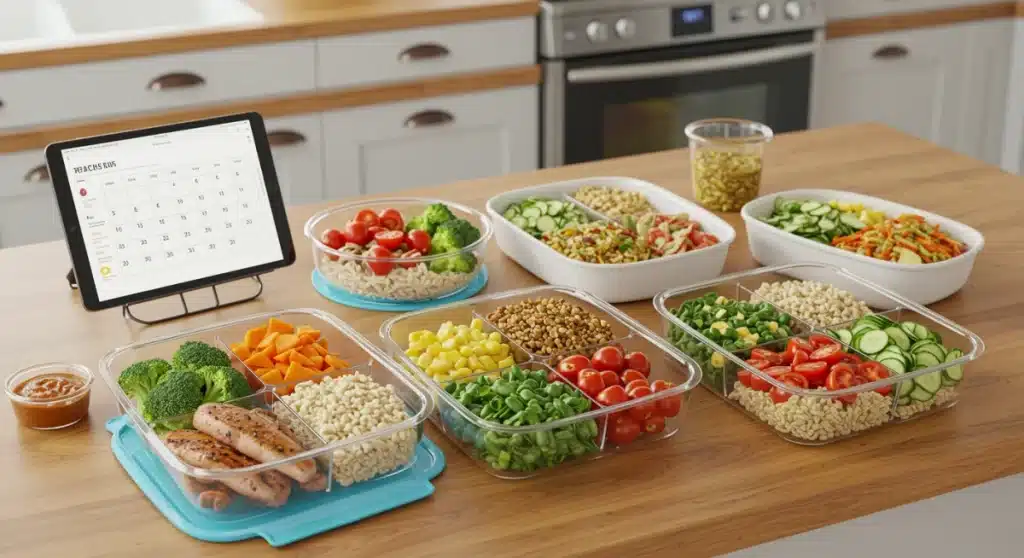
Mastering 2026 meal prep offers a powerful solution to significantly reduce grocery expenses, with strategic 7-day planning enabling a 15% bill reduction this quarter through efficient shopping, cooking, and waste minimization.
Mastering 2026 Meal Prep: 7-Day Strategies to Slash Grocery Bills by 15% This Quarter is not just a catchy phrase; it’s a practical roadmap to financial freedom and healthier eating. As living costs continue to rise, savvy consumers are looking for innovative ways to save without sacrificing quality or nutrition. This guide will delve into actionable strategies that promise tangible savings, transforming your kitchen habits and your budget.
The Financial Impact of Smart Meal Planning in 2026
In 2026, the economic landscape continues to challenge household budgets, making every dollar spent on groceries count. Smart meal planning is no longer just a convenience; it’s a financial imperative. By strategically mapping out your meals for the entire week, you gain unparalleled control over your food budget, reducing impulsive purchases and minimizing food waste, which are two of the biggest culprits behind inflated grocery bills.
The goal of slashing grocery bills by 15% this quarter might seem ambitious, but it’s entirely achievable with a disciplined approach to meal prep. This isn’t about eating boring, repetitive meals, but rather about optimizing your resources, leveraging sales, and adopting habits that promote both health and wealth. The cumulative effect of these small, consistent changes can lead to substantial savings over time, freeing up funds for other financial goals or simply providing a greater sense of security.
Understanding Your Current Spending Habits
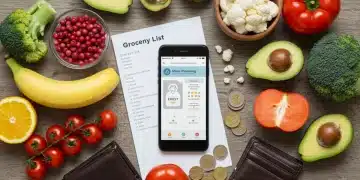
Before you can cut costs, you need to understand where your money is currently going. Tracking your grocery expenses for a few weeks can reveal surprising patterns and identify areas ripe for improvement. Many people underestimate how much they spend on convenience foods, takeout, or ingredients that ultimately go bad before being used.
- Audit past grocery receipts: Identify recurring purchases and their costs.
- Track daily food consumption: Note what you eat and where it came from.
- Analyze food waste: Keep a log of items thrown away and understand why.
This initial audit provides a baseline against which you can measure your progress. It also helps you pinpoint specific categories where you can make the most significant impact on your budget. Without this clear picture, efforts to save money can feel like shooting in the dark.
Ultimately, the financial benefits of smart meal planning extend beyond just saving money at the checkout. It also includes the value of your time, the nutritional benefits of home-cooked meals, and the reduced stress associated with knowing your food needs are covered for the week. This holistic approach makes the 15% savings target not just a number, but a gateway to a more balanced and financially resilient lifestyle.
Strategic Shopping: Maximizing Savings at the Store
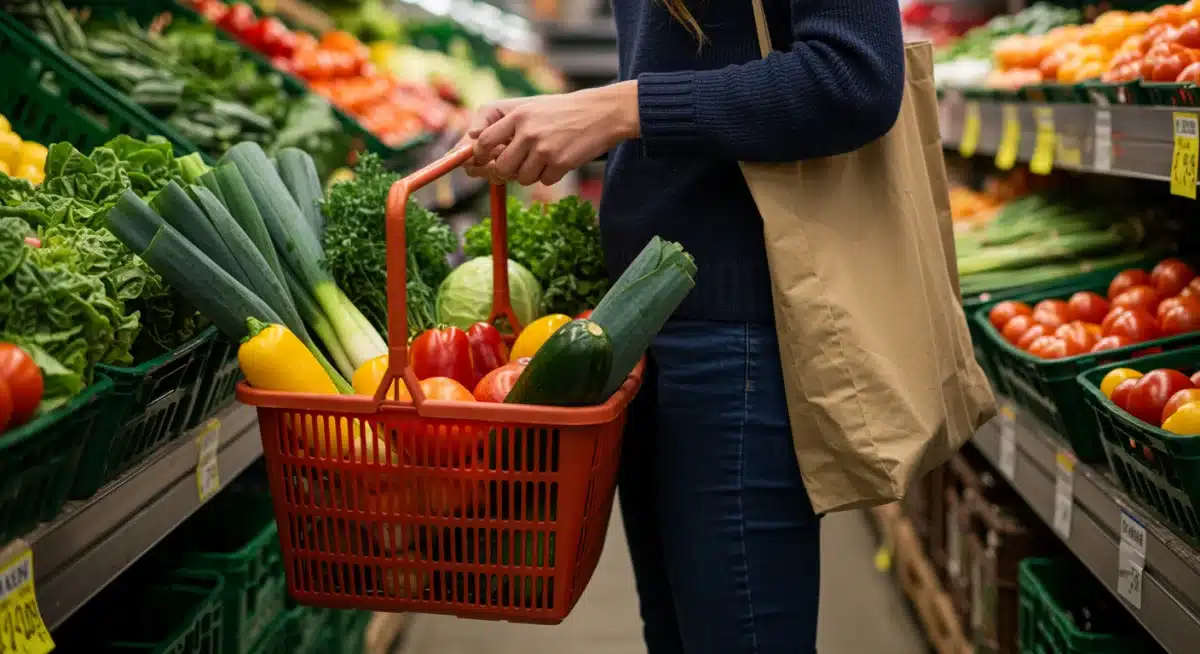
The grocery store is where the battle for your budget is often won or lost. Strategic shopping is about more than just finding sales; it’s about making informed decisions that align with your meal plan and long-term savings goals. This involves a combination of preparation, awareness, and discipline to avoid common pitfalls that lead to overspending.
One of the most effective strategies is to create a detailed shopping list based on your 7-day meal plan and stick to it rigorously. This prevents impulse buys and ensures you only purchase what you truly need. Comparing prices across different stores or even different brands within the same store can yield significant savings, especially on staple items that you buy regularly.
Leveraging Sales and Seasonal Produce
Timing your purchases around sales cycles and seasonal availability is a cornerstone of budget-friendly grocery shopping. Seasonal produce is typically cheaper and fresher, offering better value and taste. Building your meal plan around what’s on sale or in season can dramatically reduce your overall food costs.
- Check weekly circulars: Plan meals around advertised discounts.
- Utilize coupons and loyalty programs: Stack savings where possible.
- Buy in bulk for non-perishables: Stock up on items with a long shelf life when they’re at their lowest price.
Farmers’ markets, while sometimes perceived as more expensive, can also offer competitive prices on fresh produce, especially towards closing time or for imperfect items. Building relationships with local vendors might even lead to special deals or insights into upcoming harvests. This hands-on approach to sourcing ingredients not only saves money but also connects you more deeply with your food.
Remember, strategic shopping is a learned skill. It requires patience and a willingness to adapt your meal plan to what’s available and affordable. However, the rewards in terms of financial savings and reduced food waste are well worth the effort, paving the way for that 15% reduction in your grocery bills.
Efficient Meal Prep Techniques for the Week
Once you’ve acquired your ingredients, the next step in Mastering 2026 Meal Prep: 7-Day Strategies to Slash Grocery Bills by 15% This Quarter involves efficient cooking and preparation. This is where the magic of meal prep truly happens, transforming raw ingredients into ready-to-eat meals or components that can be quickly assembled throughout the week. The key is to be systematic and maximize your time in the kitchen.
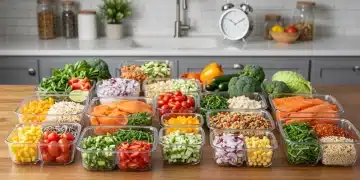
Batch cooking is a highly effective technique. Dedicate a few hours, typically on a weekend, to cook larger quantities of staple ingredients like grains, proteins, and roasted vegetables. These versatile components can then be mixed and matched to create diverse meals, preventing meal fatigue while maintaining efficiency. Think about what can be cooked simultaneously to save energy and time.
Streamlining Your Cooking Process
To make meal prep less daunting, break it down into manageable tasks. Instead of trying to cook every meal from scratch, focus on preparing core components. This approach significantly reduces daily cooking time and the temptation to order takeout.
- Wash and chop all vegetables at once: Store them in airtight containers.
- Cook large batches of grains: Quinoa, rice, or farro can be used in multiple dishes.
- Pre-cook proteins: Chicken breasts, ground meat, or lentils can be seasoned and stored.
Investing in a few good quality meal prep containers is also crucial. Airtight containers keep food fresh longer and make portioning easy. Labeling your containers with the meal and date of preparation helps with organization and ensures food safety. This systematic approach to food preparation not only saves money by reducing waste but also frees up valuable time during busy weekdays.
The ultimate goal of efficient meal prep is to simplify your week without compromising on nutrition or taste. By dedicating a concentrated effort upfront, you set yourself up for a week of healthy, budget-friendly meals, directly contributing to your 15% grocery bill reduction target.
Creative Meal Planning: Reducing Food Waste
Food waste is not just an environmental issue; it’s a significant drain on your grocery budget. Creative meal planning goes beyond just cooking efficiently; it involves a conscious effort to utilize every ingredient purchased and transform potential waste into delicious meals. This mindset shift is crucial for anyone serious about Mastering 2026 Meal Prep: 7-Day Strategies to Slash Grocery Bills by 15% This Quarter.
One of the most effective strategies is to plan meals that incorporate overlapping ingredients. For example, if a recipe calls for half an onion, plan another meal later in the week that uses the other half. This ‘ingredient-first’ approach ensures that perishable items are fully utilized before they have a chance to spoil. It requires a bit more thought during the planning phase but pays off handsomely in reduced waste and increased savings.
Repurposing Leftovers and Scraps
Leftovers often get a bad rap, but with a little creativity, they can be transformed into exciting new dishes. Instead of simply reheating the same meal, think about how components can be repurposed. Roasted vegetables can become a base for a frittata, leftover chicken can be shredded for tacos, and rice can be turned into fried rice.
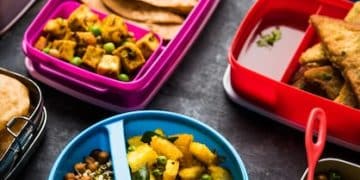
- Transform dinner leftovers into next day’s lunch: Pack them immediately after cooking.
- Use vegetable scraps for homemade broths: Freeze them until you have enough for a stock.
- Blend overripe fruits into smoothies: Don’t let them go to waste.
The ‘use-it-up’ meal is another excellent strategy. Towards the end of the week, before your next grocery run, challenge yourself to create a meal solely from ingredients that are about to expire or are in small quantities. This not only clears out your fridge but also encourages culinary improvisation and reduces the need for additional purchases.
By embracing creative meal planning and adopting a zero-waste mindset, you not only contribute to a more sustainable lifestyle but also make significant strides towards achieving your 15% grocery bill reduction. It’s a testament to how small changes in habit can lead to substantial financial benefits.
Freezing and Storage: Extending Food Shelf Life
Proper freezing and storage techniques are indispensable tools in your arsenal for Mastering 2026 Meal Prep: 7-Day Strategies to Slash Grocery Bills by 15% This Quarter. Extending the shelf life of your food prevents spoilage, reduces waste, and allows you to capitalize on bulk purchases or sale items without worrying about them going bad. This proactive approach ensures your carefully selected and prepped ingredients remain fresh and usable.
Understanding what freezes well and how to properly package items is key. Many cooked meals, individual components like cooked grains or proteins, and even chopped vegetables can be frozen for several weeks or months. The trick is to use appropriate containers or freezer bags, remove as much air as possible to prevent freezer burn, and label everything clearly with the contents and date.
Best Practices for Freezing and Thawing
Effective freezing isn’t just about tossing food into the freezer; it’s about preserving its quality and safety. Rapid freezing helps maintain texture and flavor, while proper thawing is crucial for food safety and preventing bacterial growth.
- Flash freeze individual portions: Prevents clumping and allows for flexible meal sizes.
- Use freezer-safe containers: Choose options that are airtight and durable.
- Thaw safely in the refrigerator: Plan ahead for thawing times to avoid last-minute rushes.
Beyond freezing, understanding optimal refrigerator storage is also vital. Different foods thrive in different conditions within your fridge. For example, storing herbs in a jar of water like flowers can extend their freshness, while keeping fruits and vegetables separate can prevent premature ripening due to ethylene gas.
By implementing these freezing and storage best practices, you create a buffer against unexpected schedule changes and prevent food from spoiling. This directly translates into fewer wasted groceries and closer adherence to your budget, contributing significantly to your goal of slashing grocery bills by 15% this quarter.
Embracing Budget-Friendly Recipes and Ingredients
The core of Mastering 2026 Meal Prep: 7-Day Strategies to Slash Grocery Bills by 15% This Quarter lies in the intelligent selection of recipes and ingredients that are inherently cost-effective. You don’t need to compromise on flavor or nutrition to save money; instead, it’s about making smart choices that deliver maximum value for your dollar. This involves shifting focus towards ingredients that are versatile, affordable, and nutrient-dense.
Legumes, such as beans and lentils, are prime examples of budget-friendly powerhouses. They are incredibly versatile, packed with protein and fiber, and significantly cheaper than most meat options. Incorporating them into stews, salads, soups, or even as meat substitutes can stretch your budget considerably without sacrificing satiety or nutritional value. Similarly, eggs are an economical source of protein that can be used in countless dishes.
Building Meals Around Affordable Staples
Focusing on staple ingredients that are consistently inexpensive forms the foundation of a budget-friendly meal plan. These items often have a long shelf life and can be purchased in larger quantities when on sale.
- Grains: Rice, oats, pasta, and barley are economical and filling bases for meals.
- Root vegetables: Potatoes, carrots, and onions are cheap, versatile, and store well.
- Frozen vegetables: Often cheaper than fresh, with comparable nutritional value, and no waste.
Exploring global cuisines can also open up a world of budget-friendly recipes. Many traditional dishes from cultures around the world are built on inexpensive ingredients like grains, legumes, and vegetables, often with small amounts of meat used for flavor rather than as the main component. Think about hearty lentil dahl, bean burritos, or vegetable stir-fries with tofu.
By consciously choosing recipes and ingredients that align with your budget goals, you not only achieve significant savings but also expand your culinary horizons. This intentional approach to food selection is a key driver in achieving a 15% reduction in your grocery bills, proving that healthy, delicious, and affordable eating is entirely possible.
Tracking Progress and Adjusting Strategies
The journey to Mastering 2026 Meal Prep: 7-Day Strategies to Slash Grocery Bills by 15% This Quarter is not a one-time event but an ongoing process of learning, adaptation, and refinement. To truly achieve and sustain your savings goals, it’s vital to track your progress, analyze your results, and be willing to adjust your strategies as needed. What works one week might need tweaking the next, and constant evaluation ensures you stay on course.
Start by setting clear, measurable goals. Your 15% reduction target is a great example. Regularly compare your actual grocery spending against your budgeted amount. Tools like budgeting apps, spreadsheets, or even a simple notebook can help you monitor where your money is going and identify any deviations from your plan. This data-driven approach removes guesswork and provides concrete evidence of your progress.
Refining Your Meal Prep Routine
Based on your tracking, you’ll gain insights into what’s working and what isn’t. Perhaps certain ingredients are consistently going to waste, or you’re finding that a particular meal prep technique isn’t as efficient as you hoped. This is an opportunity to iterate and improve.
- Review weekly spending: Compare actuals to your budget and identify discrepancies.
- Analyze food waste logs: Pinpoint specific items or categories that are frequently wasted.
- Solicit feedback: If cooking for others, ask for input on meals to improve satisfaction.
Don’t be afraid to experiment with new recipes, different bulk-buying strategies, or alternative cooking methods. The goal is to find a routine that is sustainable, enjoyable, and effective for your lifestyle and budget. Small, continuous improvements can lead to significant long-term gains, far exceeding the initial 15% target.
By consistently tracking your progress and being flexible enough to adjust your strategies, you not only ensure you hit your quarterly savings goal but also build lifelong habits that promote financial wellness and healthy eating. This iterative process is the hallmark of true mastery in meal prep and budget management.
| Key Strategy | Benefit to Grocery Bill |
|---|---|
| Detailed Meal Planning | Reduces impulse buys and ensures efficient ingredient use. |
| Strategic Shopping | Maximizes savings through sales, seasonal produce, and bulk buys. |
| Efficient Batch Cooking | Saves time, reduces daily cooking, and minimizes reliance on takeout. |
| Waste Reduction | Utilizes all ingredients, repurposes leftovers, and extends food life. |
Frequently Asked Questions About 2026 Meal Prep Savings
The most effective first step is to audit your current grocery spending and food waste. Understanding where your money goes and what you discard provides a clear baseline. This insight allows you to pinpoint specific areas for improvement and tailor your meal prep strategies for maximum impact on your budget.
Ensuring freshness for 7 days involves proper storage. Use airtight containers, consider freezing portions for later in the week, and choose ingredients that hold up well. Separating sauces or dressings until serving also helps maintain texture and prevents sogginess. Proper refrigeration is key.
Absolutely. Focus on staples like legumes (beans, lentils), whole grains (rice, oats), root vegetables (potatoes, carrots), and frozen produce. Eggs and less expensive cuts of meat or plant-based proteins can also provide excellent nutritional value without breaking the bank. These form a versatile and affordable base.
Utilize budgeting apps, spreadsheets, or even a simple notebook to log all grocery purchases. Categorize your spending to identify patterns. Regularly compare your actual spending against your weekly or monthly budget. Consistent tracking allows for timely adjustments and helps you stay accountable to your 15% reduction goal.
Yes, absolutely! Diversity comes from creative planning and repurposing. Batch cook versatile components that can be combined in different ways throughout the week. Explore international cuisines known for their budget-friendly, flavorful dishes. The key is smart ingredient utilization, not monotonous eating.
Conclusion
Mastering 2026 Meal Prep: 7-Day Strategies to Slash Grocery Bills by 15% This Quarter is more than just a financial endeavor; it’s a commitment to a more organized, healthier, and economically savvy lifestyle. By systematically planning, strategically shopping, efficiently preparing, and diligently tracking, you can achieve significant savings on your grocery bills. The journey requires intention and adaptation, but the rewards—both financial and personal—are substantial. Embrace these strategies, and watch as your budget strengthens and your plate fills with nutritious, home-cooked meals.