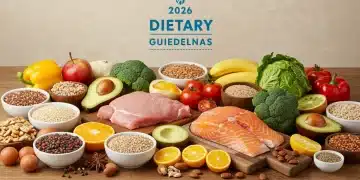
2026 Dietary Guidelines: Navigating New Nutrition Science for Your Health
The 2026 Dietary Guidelines for Americans: What New Nutrition Science Means for Your Plate
Every five years, the United States Departments of Agriculture (USDA) and Health and Human Services (HHS) embark on a monumental task: updating the Dietary Guidelines for Americans. These guidelines serve as the cornerstone of federal nutrition policy and education, influencing everything from school lunch programs to healthcare recommendations. As we approach the release of the 2026 Dietary Guidelines, there’s significant anticipation about how the latest advancements in nutrition science will shape these crucial recommendations. What new insights will emerge? How will they impact our daily food choices and overall health? This comprehensive guide will delve deep into the potential shifts, the scientific underpinnings, and what the 2026 Dietary Guidelines could mean for you.
The Foundation of American Nutrition Policy: Understanding the Dietary Guidelines
Before we peer into the future, it’s essential to understand the historical context and purpose of the Dietary Guidelines for Americans. First published in 1980, these guidelines aim to provide evidence-based nutritional guidance to promote health, prevent chronic disease, and help Americans reach and maintain a healthy weight. They are developed through a rigorous scientific review process, involving an independent advisory committee of leading nutrition and public health experts. This committee reviews hundreds of scientific studies, clinical trials, and epidemiological data to formulate recommendations that are then considered by the USDA and HHS to create the final guidelines.
The guidelines are designed for healthy Americans aged two years and older, including those at increased risk of chronic disease. They are not intended for individuals with specific medical conditions requiring specialized diets, though the principles often align with general healthy eating patterns. The impact of these guidelines is far-reaching, influencing food labeling, government feeding programs like WIC and SNAP, dietary education materials, and even the products available in grocery stores. Therefore, understanding the potential changes in the 2026 Dietary Guidelines is not just about personal health; it’s about understanding the future of food and nutrition in the nation.
Key Themes and Emerging Science for the 2026 Dietary Guidelines
While the specific recommendations for the 2026 Dietary Guidelines are still under development, the scientific landscape of nutrition is constantly evolving. Several key themes and areas of emerging research are likely to influence the next iteration of the guidelines. These include a greater emphasis on personalized nutrition, the role of sustainable food systems, the evolving understanding of ultra-processed foods, and a continued focus on dietary patterns rather than individual nutrients.
Personalized Nutrition: Moving Beyond One-Size-Fits-All
One of the most exciting and rapidly developing fields in nutrition is personalized nutrition. For decades, dietary advice has largely been a ‘one-size-fits-all’ approach. However, scientific advancements in genomics, metabolomics, and the gut microbiome are revealing that individual responses to food can vary significantly. Factors such as genetics, age, lifestyle, health status, and even the composition of our gut bacteria can influence how our bodies process and utilize nutrients.
The 2026 Dietary Guidelines may begin to incorporate principles of personalized nutrition, acknowledging that while general healthy eating patterns are beneficial, optimal health might require more tailored approaches. This doesn’t necessarily mean individual genetic testing will be part of the mainstream recommendations, but rather a greater emphasis on understanding how different dietary patterns might be more suitable for various populations or life stages. For example, specific guidance for older adults, pregnant women, or individuals with certain genetic predispositions might become more prominent.
Sustainable Diets: Nourishing Ourselves and the Planet
The intersection of human health and planetary health is an increasingly critical area of discussion. The production, processing, and consumption of food have significant environmental impacts, including greenhouse gas emissions, water usage, and land degradation. There’s a growing body of scientific evidence linking dietary patterns that are beneficial for human health with those that are more environmentally sustainable.
The 2026 Dietary Guidelines are expected to give more consideration to the concept of sustainable diets. This could involve recommendations that encourage plant-forward eating patterns, reduced consumption of resource-intensive foods (like certain types of red meat), and a focus on minimizing food waste. Previous guideline cycles have touched upon this, but the urgency of climate change and the robust scientific consensus on the environmental impact of food systems suggest a stronger emphasis is warranted. Integrating sustainability into dietary advice could provide a holistic approach to health, benefiting both individuals and the planet.
The Ultra-Processed Food Debate: A Deeper Look
The rise of ultra-processed foods (UPFs) in the global diet has become a major public health concern. These foods are typically industrial formulations made from ingredients derived from foods (like refined sugars, oils, and flours) and often contain additives, flavors, and emulsifiers. Research increasingly links high consumption of UPFs to a range of adverse health outcomes, including obesity, type 2 diabetes, cardiovascular disease, and certain cancers.
The 2026 Dietary Guidelines will likely address the role of ultra-processed foods more explicitly. While previous guidelines have implicitly encouraged whole, unprocessed foods, the scientific community is now better equipped to define and study the specific impacts of UPFs. We might see stronger recommendations to limit these foods and prioritize minimally processed options. This would represent a significant shift from a nutrient-centric approach (focusing on fat, sugar, and sodium individually) to a more holistic food-centric approach, emphasizing the overall food matrix and its impact on health.
Beyond Nutrients: The Power of Dietary Patterns
For several cycles, the Dietary Guidelines have shifted from focusing solely on individual nutrients (e.g., ‘reduce fat’) to emphasizing overall dietary patterns. This approach recognizes that foods are consumed in combination, and the synergistic effects of various components within a diet are more important than any single nutrient. The 2026 Dietary Guidelines will undoubtedly continue this trend, promoting healthy eating patterns like the Mediterranean diet, vegetarian diets, or the DASH (Dietary Approaches to Stop Hypertension) diet.
The science supporting dietary patterns is robust, showing that consistent adherence to these patterns is associated with lower risks of chronic diseases and increased longevity. The next guidelines might refine existing patterns or introduce new variations that are culturally relevant and adaptable to diverse populations within the United States. This includes recognizing the importance of traditional foods and culinary practices that contribute to healthy eating.
Specific Nutritional Considerations for the 2026 Dietary Guidelines
Beyond the overarching themes, several specific nutritional components and food groups are under continuous scientific scrutiny and may see refined recommendations in the 2026 Dietary Guidelines.
Sugar and Sweeteners: Continued Scrutiny
Added sugars have been a consistent target for reduction in previous guidelines, and this is unlikely to change. The scientific evidence linking excessive added sugar intake to obesity, type 2 diabetes, and cardiovascular disease remains strong. The 2026 Dietary Guidelines might further refine recommendations regarding specific types of sugars, non-nutritive sweeteners, and the contexts in which sugars are consumed (e.g., sugary drinks versus naturally occurring sugars in fruit).
Fats: Quality Over Quantity
The understanding of dietary fats has evolved dramatically over the past few decades. The focus has largely shifted from total fat restriction to emphasizing the type of fat consumed. Saturated and trans fats are generally encouraged to be limited, while monounsaturated and polyunsaturated fats (found in foods like avocados, nuts, seeds, and olive oil) are promoted for their health benefits. The 2026 Dietary Guidelines will likely reinforce this message, potentially offering more nuanced guidance on specific fatty acids, such as omega-3s, and their role in different stages of life.
Sodium: The Persistent Challenge
High sodium intake remains a significant public health challenge, contributing to high blood pressure and increased risk of heart disease and stroke. Despite repeated recommendations to reduce sodium, average intake in the U.S. remains above recommended levels. The 2026 Dietary Guidelines will likely reiterate the importance of reducing sodium, potentially offering more practical strategies for consumers to identify and choose lower-sodium options, especially given that a large proportion of sodium comes from processed and restaurant foods rather than the salt shaker.
Protein Sources: Diversity and Sustainability
Protein is an essential macronutrient, but the source of protein matters. While animal proteins are a traditional source, the guidelines have increasingly encouraged a diversity of protein sources, including plant-based options like legumes, nuts, seeds, and soy products. The 2026 Dietary Guidelines will likely strengthen this recommendation, aligning with both personalized nutrition trends and sustainable eating patterns. This could involve more specific guidance on the environmental footprint of different protein sources and how to achieve adequate protein intake from a variety of foods.
Fiber: The Unsung Hero
Dietary fiber, found in whole grains, fruits, vegetables, legumes, and nuts, is consistently under-consumed by most Americans. Fiber plays a crucial role in digestive health, blood sugar regulation, cholesterol management, and satiety. The 2026 Dietary Guidelines are expected to continue emphasizing the importance of adequate fiber intake, potentially highlighting specific types of fiber and their unique health benefits. Promoting whole, unprocessed foods naturally increases fiber intake, reinforcing the dietary pattern approach.
Addressing Health Disparities and Cultural Relevance
A critical aspect of the 2026 Dietary Guidelines will be their ability to address health disparities and be culturally relevant to the diverse population of the United States. Previous guidelines have sometimes been criticized for not adequately considering the unique dietary patterns, cultural food preferences, and socio-economic factors that influence food choices across different communities.
The advisory committee for the 2026 Dietary Guidelines is expected to place a greater emphasis on equity, ensuring that the recommendations are not only scientifically sound but also practical and accessible for all Americans, regardless of their background or income level. This could involve providing examples of healthy eating patterns that incorporate a wider range of traditional foods, offering guidance that is adaptable to varying food budgets, and considering the challenges faced by food-insecure populations. The goal is to create guidelines that are inclusive and empower all individuals to make healthier food choices within their own contexts.
Practical Implications for Consumers: What to Expect on Your Plate
So, what do these potential shifts in the 2026 Dietary Guidelines mean for the average American consumer? While the final recommendations are yet to be revealed, we can anticipate several practical implications that will influence how we shop, cook, and eat.
Increased Focus on Whole Foods
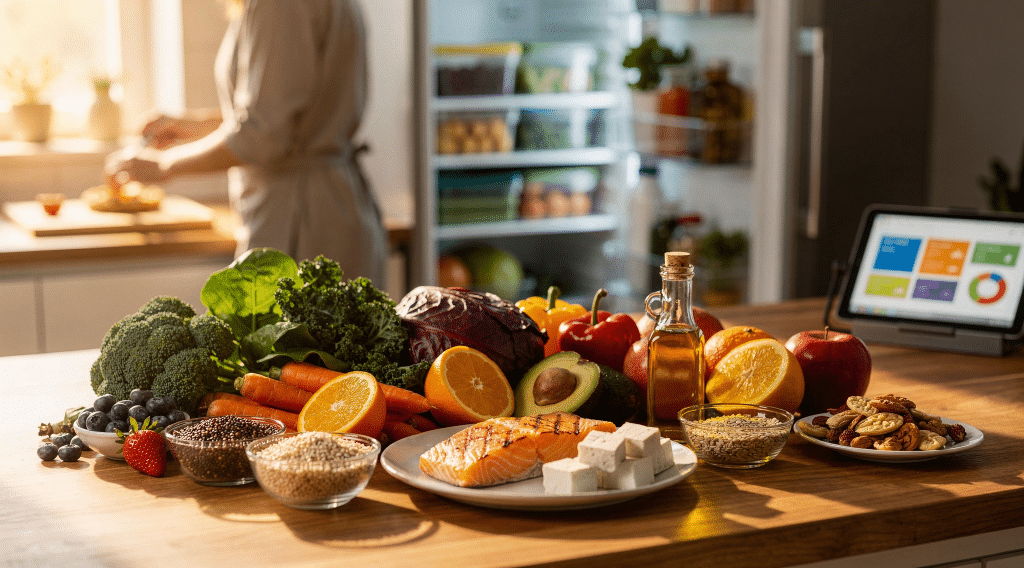
The trend towards whole, minimally processed foods is likely to intensify. This means prioritizing fresh fruits and vegetables, whole grains, lean proteins (both animal and plant-based), and healthy fats. Consumers may be encouraged to spend more time preparing meals at home and to be more mindful of ingredient lists when purchasing packaged foods. The emphasis will be on the inherent nutritional value of foods rather than fortified or supplemented products.
Plant-Forward Eating
Expect a continued and possibly stronger push towards plant-forward eating. This doesn’t necessarily mean everyone needs to become vegetarian or vegan, but rather that plant-based foods should form the foundation of most meals. This could involve increasing vegetable and fruit intake, incorporating more legumes and nuts, and exploring plant-based protein alternatives. This shift aligns with both health benefits and environmental sustainability goals.
Mindful Consumption of Ultra-Processed Foods
The 2026 Dietary Guidelines will likely encourage a more critical approach to ultra-processed foods. This means being aware of their pervasive presence in the food supply and making conscious efforts to reduce their consumption. This isn’t about complete elimination, but rather about understanding that these foods should be occasional treats rather than dietary staples. Learning to identify UPFs and understanding their potential health impacts will be key.
Emphasis on Hydration
While often overlooked, adequate hydration is a fundamental aspect of health. The guidelines will likely reiterate the importance of plain water as the primary beverage choice, further discouraging sugary drinks. This simple recommendation has a profound impact on overall health and calorie intake.
Dietary Flexibility and Adaptability
Despite the scientific rigor, the 2026 Dietary Guidelines are ultimately designed to be flexible and adaptable. They provide a framework, not a rigid prescription. Consumers will be encouraged to find healthy eating patterns that fit their cultural preferences, budget, and lifestyle. The personalized nutrition aspect means understanding that there might be multiple paths to optimal health, and what works best for one individual might not be ideal for another.
The Role of Technology and Education
In an increasingly digital world, the dissemination and interpretation of the 2026 Dietary Guidelines will likely leverage technology more than ever before. Online tools, apps, and digital resources can help individuals assess their current eating habits, track progress, and find practical recipes and meal ideas that align with the recommendations. Educational campaigns will be crucial to translate complex scientific information into actionable advice for the public.
Healthcare professionals, dietitians, and nutrition educators will play a vital role in interpreting the guidelines and providing personalized counseling. The guidelines serve as a foundational document, but individual guidance is often necessary to help people implement changes effectively. Expect to see new educational materials, workshops, and community programs designed to help Americans understand and adopt the principles of the 2026 Dietary Guidelines.
Challenges and Criticisms
Developing the Dietary Guidelines is an incredibly complex process, and they are not without their challenges and criticisms. One recurring critique is the influence of various food industries on the recommendations. Balancing scientific integrity with economic realities and political pressures is a delicate act. Another challenge is the difficulty in translating scientific evidence into clear, actionable advice that is easily understood and adopted by the general public.
Furthermore, the guidelines sometimes face criticism for not going far enough in addressing certain issues, such as the environmental impact of food or the specific dangers of ultra-processed foods. However, the scientific advisory committee is tasked with providing recommendations based on the strongest available evidence, and the final guidelines often represent a consensus view that aims to be broadly applicable. The 2026 Dietary Guidelines will undoubtedly face their own set of scrutiny, but the ongoing commitment to evidence-based science remains paramount.
Preparing for the Future of Nutrition: Staying Informed
As the 2026 Dietary Guidelines draw closer to their release, staying informed about the ongoing process and preliminary discussions is valuable. The USDA and HHS websites provide updates, and the scientific reports from the advisory committee are publicly available. Engaging with reputable nutrition experts and organizations can also help you understand the nuances of the new recommendations.
Ultimately, the goal of the 2026 Dietary Guidelines is to empower Americans to make healthier food and beverage choices, thereby improving overall health and reducing the burden of chronic diseases. By understanding the scientific advancements and the guiding principles behind these recommendations, you can be better prepared to adapt your own dietary habits for a healthier future. The journey towards optimal health is continuous, and the upcoming guidelines will serve as an important roadmap for the next chapter in American nutrition.
Conclusion
The release of the 2026 Dietary Guidelines for Americans is a significant event in public health. Building upon decades of nutrition science, these guidelines are poised to incorporate the latest research on personalized nutrition, sustainable eating, the impact of ultra-processed foods, and the power of holistic dietary patterns. While specific recommendations are still being finalized, the overarching message will likely reinforce the importance of whole, plant-forward foods, mindful consumption, and culturally relevant dietary choices.
These guidelines are more than just a list of do’s and don’ts; they are a comprehensive framework designed to guide individuals, communities, and policymakers towards a healthier future. By understanding and embracing the principles of the 2026 Dietary Guidelines, Americans can make informed choices that benefit both their personal well-being and the health of the planet. Stay tuned for the official release, and prepare to embark on a new era of evidence-based nutrition.