Actionable Steps: Building a 14-Day Meal Plan to Boost Energy Levels by 25% for Your 2026 Routine
Are you constantly battling the afternoon slump? Do you find yourself reaching for another cup of coffee just to get through the day? If so, you’re not alone. In our fast-paced world, maintaining consistent energy levels can feel like an uphill battle. But what if there was a strategic, actionable plan to not just manage your energy, but to significantly boost it? This comprehensive guide will walk you through building a 14-Day Energy Meal Plan specifically designed to elevate your vitality by a remarkable 25% for your 2026 routine. Imagine waking up feeling refreshed, focused, and ready to tackle your day with sustained vigor. That’s the power of intentional nutrition.
The journey to enhanced energy isn’t about quick fixes or restrictive diets. It’s about understanding how food fuels your body, optimizing nutrient intake, and building sustainable habits. Our 14-Day Energy Meal Plan is meticulously crafted to incorporate macronutrients, micronutrients, and hydration strategies that work synergistically to improve your metabolic function, stabilize blood sugar, and support overall cellular health. By following this plan, you’ll not only feel more energetic but also experience improved mood, better sleep, and enhanced cognitive function. Get ready to transform your relationship with food and unlock a new level of personal performance.
Understanding the Science Behind Energy and Nutrition
Before diving into the specifics of our 14-Day Energy Meal Plan, it’s crucial to grasp the fundamental principles of how nutrition impacts your energy. Our bodies derive energy primarily from carbohydrates, fats, and proteins. However, the type and quality of these macronutrients, along with the presence of essential micronutrients, play a significant role in how efficiently and sustainably that energy is produced and utilized.
Carbohydrates: Fueling Your Body
Carbohydrates are your body’s preferred energy source. But not all carbs are created equal. Simple carbohydrates, found in sugary drinks and refined grains, provide a quick burst of energy followed by a crash, often leaving you feeling more tired than before. Complex carbohydrates, on the other hand, found in whole grains, fruits, and vegetables, are digested slowly, providing a steady release of glucose into your bloodstream. This sustained energy release is key to avoiding energy dips and maintaining consistent vitality throughout the day. Our 14-Day Energy Meal Plan emphasizes complex carbohydrates to ensure stable energy levels.
Fats: Long-Lasting Energy and Satiety
Healthy fats are vital for long-term energy and satiety. They are a concentrated source of energy and play crucial roles in hormone production, nutrient absorption, and cell membrane integrity. Incorporating sources like avocados, nuts, seeds, and olive oil into your diet can help stabilize blood sugar, reduce cravings, and provide sustained energy. The right fats are an integral part of making your 14-Day Energy Meal Plan effective.
Proteins: Building Blocks and Sustained Energy
Protein is essential for building and repairing tissues, but it also contributes to sustained energy. When consumed with carbohydrates, protein slows down the absorption of glucose, preventing sharp spikes and drops in blood sugar. This helps maintain stable energy levels and keeps you feeling full and satisfied. Lean protein sources like chicken, fish, legumes, and tofu are staples in our 14-Day Energy Meal Plan.
Micronutrients: The Unsung Heroes
While macronutrients provide the bulk of your energy, micronutrients (vitamins and minerals) are the catalysts that enable your body to convert food into energy. B vitamins, iron, magnesium, and vitamin D are particularly important for energy metabolism. Deficiencies in these can lead to fatigue, weakness, and poor concentration. Our plan ensures a rich intake of these vital nutrients through a diverse range of whole foods, making this a truly effective 14-Day Energy Meal Plan.
Setting the Stage for Success: Pre-Plan Preparation
Embarking on a new meal plan requires some groundwork. Proper preparation is the cornerstone of success, especially when aiming for a significant energy boost. Before you even think about your first meal, dedicate some time to these crucial steps.
Step 1: Assess Your Current Energy Levels
To truly appreciate the 25% energy boost, you need a baseline. For a week leading up to your 14-Day Energy Meal Plan, keep an energy journal. Rate your energy levels on a scale of 1 to 10 at different times of the day (morning, midday, afternoon, evening). Note down when you feel most energetic, when you experience slumps, and what activities or foods might be contributing to these fluctuations. This self-awareness will be invaluable for tracking your progress.
Step 2: Pantry Purge and Restock
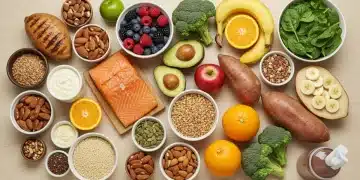
Out with the old, in with the new! Go through your pantry, refrigerator, and freezer. Remove highly processed foods, sugary snacks, excessive refined carbohydrates, and anything that doesn’t align with an energy-boosting diet. Replace them with nutrient-dense alternatives. Stock up on whole grains (quinoa, brown rice, oats), lean proteins (chicken breast, fish, lentils, beans), healthy fats (avocado, nuts, seeds, olive oil), and an abundance of fresh fruits and vegetables. This proactive step is essential for sticking to your 14-Day Energy Meal Plan.
Step 3: Essential Kitchen Tools
You don’t need a gourmet kitchen, but a few basic tools can make meal prep much easier. Consider a good set of food storage containers, a sharp knife, a cutting board, a blender for smoothies, and perhaps a slow cooker or instant pot for convenient meal preparation. These tools will streamline your cooking process and help you adhere to the 14-Day Energy Meal Plan without stress.
Step 4: Hydration Strategy
Often overlooked, proper hydration is fundamental for energy. Dehydration, even mild, can lead to fatigue, headaches, and decreased cognitive function. Aim to drink at least 8 glasses of water daily, and more if you’re active. Keep a water bottle handy and consider setting reminders. Incorporate hydrating foods like cucumbers, watermelon, and celery into your diet. Hydration is a non-negotiable component of any effective 14-Day Energy Meal Plan.
The 14-Day Energy Meal Plan: Structure and Philosophy
Our 14-Day Energy Meal Plan is built on a foundation of balance, variety, and nutrient density. Each day includes three main meals and two optional snacks, designed to provide sustained energy, prevent hunger, and deliver a wide spectrum of vitamins and minerals. The plan emphasizes whole, unprocessed foods and aims to stabilize blood sugar levels throughout the day.
Key Principles of the Plan:
- Balanced Macronutrients: Each meal is designed to include a healthy balance of complex carbohydrates, lean protein, and healthy fats.
- Rich in Fiber: Fiber aids digestion, promotes satiety, and helps regulate blood sugar. You’ll find plenty of fiber in fruits, vegetables, and whole grains.
- Antioxidant-Rich: A wide array of colorful fruits and vegetables provides antioxidants to combat oxidative stress and support cellular health.
- Adequate Hydration: Water intake is integrated into the daily routine.
- Mindful Eating: Pay attention to your body’s hunger and fullness cues. Eat slowly and savor your meals.
Week 1: Laying the Foundation for Sustained Energy
The first week focuses on introducing your body to nutrient-dense foods and establishing consistent eating patterns. You’ll notice a gradual increase in your energy levels as your body adapts to the improved fuel source.
Day 1: Kickstarting Your Metabolism
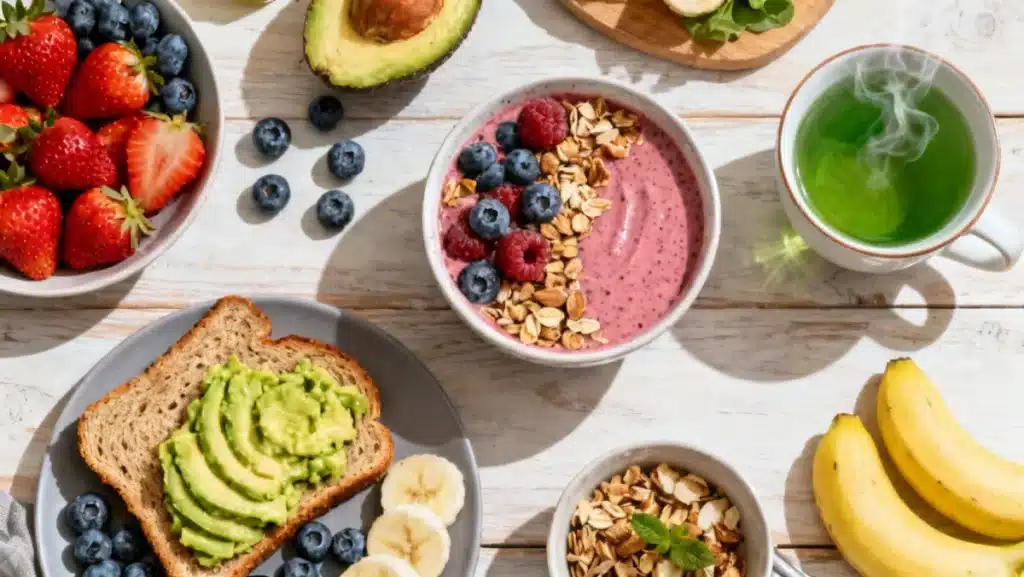
- Breakfast: Oatmeal with berries, a sprinkle of flax seeds, and a dollop of Greek yogurt.
- Lunch: Large mixed green salad with grilled chicken breast, chickpeas, and a light vinaigrette.
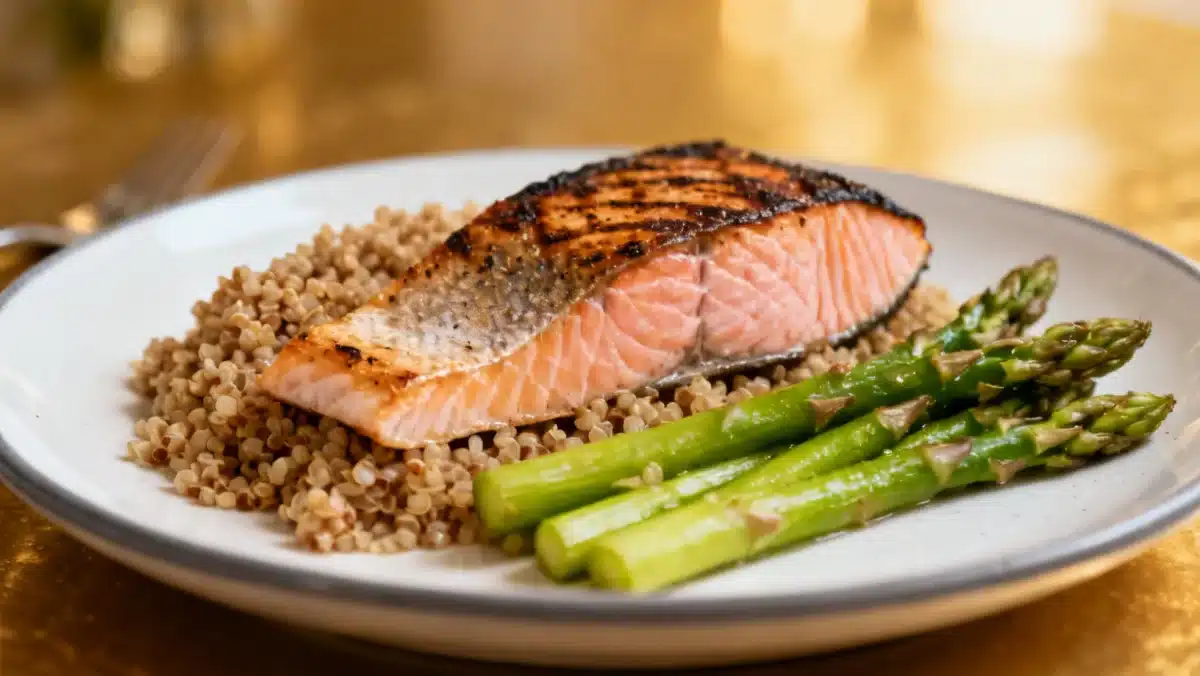
- Dinner: Baked salmon with steamed broccoli and a small portion of quinoa.
- Snacks (optional): Apple slices with almond butter; a handful of walnuts.
Day 2: Focusing on Whole Grains and Healthy Fats
- Breakfast: Whole-wheat toast with avocado and a poached egg.
- Lunch: Lentil soup with a side of whole-grain crackers.
- Dinner: Turkey stir-fry with plenty of vegetables (bell peppers, snap peas, carrots) and brown rice.
- Snacks (optional): Pear; a small container of cottage cheese.
Day 3: Boosting with Greens and Lean Protein
- Breakfast: Green smoothie (spinach, banana, plant-based milk, protein powder).
- Lunch: Quinoa salad with black beans, corn, cherry tomatoes, and cilantro-lime dressing.
- Dinner: Chicken and vegetable skewers (zucchini, onion, cherry tomatoes) with a sweet potato.
- Snacks (optional): A handful of almonds; a small orange.
Day 4: Mediterranean Inspiration
- Breakfast: Greek yogurt with honey and mixed nuts.
- Lunch: Whole-wheat pita with hummus, cucumber, and tomato.
- Dinner: Baked cod with roasted asparagus and a side of couscous.
- Snacks (optional): Carrot sticks with hummus; a hard-boiled egg.
Day 5: Fiber-Rich and Satisfying
- Breakfast: Chia seed pudding made with almond milk, topped with sliced peaches.
- Lunch: Leftover baked cod with roasted asparagus.
- Dinner: Vegetarian chili with kidney beans, bell peppers, and crushed tomatoes.
- Snacks (optional): A handful of pistachios; a small banana.
Day 6: Weekend Recharge
- Breakfast: Scrambled eggs with spinach and whole-wheat toast.
- Lunch: Tuna salad (made with Greek yogurt instead of mayo) on lettuce wraps.
- Dinner: Lean ground beef or turkey burgers (bun-less or on whole-wheat buns) with a large side salad.
- Snacks (optional): Rice cakes with avocado; a handful of berries.
Day 7: Reflect and Prepare
- Breakfast: Smoothie with mixed berries, spinach, and protein powder.
- Lunch: Leftover vegetarian chili.
- Dinner: Homemade chicken noodle soup (whole-wheat pasta) with plenty of vegetables.
- Snacks (optional): Edamame; a small handful of cashews.
Take time on Day 7 to reflect on how you’re feeling. Are you noticing a difference in your energy? Use this day to plan and prep for Week 2 of your 14-Day Energy Meal Plan.

Week 2: Optimizing and Sustaining Your Energy Boost
In Week 2, you’ll continue to build on the healthy habits established in Week 1. You should be feeling significantly more energetic and focused. This week introduces slightly more variety and encourages you to listen to your body’s evolving needs as part of your 14-Day Energy Meal Plan.
Day 8: Embracing Variety
- Breakfast: Quinoa porridge with sliced mango and a sprinkle of pumpkin seeds.
- Lunch: Large mixed green salad with hard-boiled eggs, mixed nuts, and a light balsamic dressing.
- Dinner: Chicken and vegetable curry (light coconut milk base) with brown rice.
- Snacks (optional): Graham crackers with a smear of peanut butter; a small apple.
Day 9: Plant-Powered Fuel
- Breakfast: Tofu scramble with bell peppers and onions, served with a side of whole-wheat toast.
- Lunch: Leftover chicken and vegetable curry.
- Dinner: Black bean burgers (homemade or healthy store-bought) on whole-wheat buns with a side of sweet potato fries.
- Snacks (optional): Celery sticks with peanut butter; a handful of dried apricots.
Day 10: Seafood and Omega-3s
- Breakfast: Greek yogurt with a mix of berries and a spoonful of ground flaxseed.
- Lunch: Shrimp and avocado salad with a lemon-herb dressing.
- Dinner: Pan-seared cod with roasted Brussels sprouts and a small baked potato.
- Snacks (optional): A handful of almonds; a small peach.
Day 11: Reinforcing Good Habits
- Breakfast: Whole-wheat pancakes (made with whole-wheat flour and no added sugar) with fresh fruit.
- Lunch: Leftover pan-seared cod and roasted Brussels sprouts.
- Dinner: Chicken and veggie wraps (whole-wheat tortillas) with hummus and plenty of fresh greens.
- Snacks (optional): Cottage cheese with pineapple; a handful of pecans.
Day 12: Creative and Delicious
- Breakfast: Breakfast burrito: whole-wheat tortilla with scrambled eggs, black beans, salsa, and a sprinkle of cheese.
- Lunch: Large spinach salad with grilled halloumi cheese, cherry tomatoes, and olive oil dressing.
- Dinner: Turkey meatballs (baked, not fried) with zucchini noodles and a light tomato sauce.
- Snacks (optional): Rice cakes with avocado; a small bunch of grapes.
Day 13: Building on Success
- Breakfast: Oatmeal with sliced banana, a dash of cinnamon, and a spoonful of chopped walnuts.
- Lunch: Leftover turkey meatballs and zucchini noodles.
- Dinner: Salmon patties (made with canned salmon, whole-wheat breadcrumbs, and herbs) with a side of mixed green salad.
- Snacks (optional): Greek yogurt; a handful of sunflower seeds.
Day 14: Celebrating Your Energy Boost!
- Breakfast: Berry and spinach smoothie with a scoop of protein powder.
- Lunch: Large mixed green salad with your favorite lean protein (chicken, tofu, or chickpeas).
- Dinner: Homemade whole-wheat pizza with plenty of vegetables and lean protein toppings.
- Snacks (optional): A small bowl of air-popped popcorn; a piece of fruit.
Congratulations! You’ve completed your 14-Day Energy Meal Plan. Take another moment to assess your energy levels. You should feel a significant, noticeable improvement. This plan is not just about these two weeks; it’s about building habits for a more energetic 2026 and beyond.
Beyond the 14-Day Energy Meal Plan: Sustaining Your Momentum
Completing the initial 14-Day Energy Meal Plan is a fantastic achievement, but the real goal is to integrate these positive changes into your long-term routine. Sustaining your energy boost requires ongoing commitment and flexibility. Here’s how to keep the momentum going well into 2026 and beyond.
Listen to Your Body
One of the most important lessons from the 14-Day Energy Meal Plan is learning to listen to your body. Pay attention to how different foods make you feel. Do certain foods cause a slump or indigestion? Do others leave you feeling energized and satisfied? Use this invaluable feedback to fine-tune your diet. Your body is a complex system, and what works perfectly for one person might need slight adjustments for another. Continue to monitor your energy levels and make informed choices based on your unique physiological responses. This personalized approach is key to long-term success with your energy goals.
Meal Prep Like a Pro
The success of the 14-Day Energy Meal Plan heavily relies on preparation. To maintain this, make meal prepping a regular part of your weekly routine. Dedicate a few hours on a weekend to chop vegetables, cook grains, and pre-portion snacks. Having healthy options readily available prevents you from reaching for less nutritious, energy-draining alternatives when time is short or hunger strikes. Consider batch cooking larger quantities of your favorite energy-boosting recipes from the plan, like lentil soup or chicken stir-fry, for quick meals throughout the week. This strategy saves time, money, and ensures you always have wholesome food at hand.
Embrace Variety and Experimentation
While the 14-Day Energy Meal Plan provides a solid framework, don’t be afraid to experiment with new recipes and ingredients. Explore different whole grains, lean protein sources, and a rainbow of fruits and vegetables. The wider the variety of foods you consume, the broader the spectrum of nutrients your body receives. This not only keeps your taste buds excited but also ensures you’re getting all the necessary micronutrients to support optimal energy production. Look for seasonal produce to maximize flavor and nutritional value. Continuous learning and trying new things will keep your energy journey engaging and effective.
Prioritize Sleep and Stress Management
Nutrition is a huge component of energy, but it’s not the only one. Adequate sleep and effective stress management are equally critical. Aim for 7-9 hours of quality sleep per night. Establish a consistent sleep schedule, create a relaxing bedtime routine, and optimize your sleep environment. Chronic stress can deplete your energy reserves, regardless of how well you eat. Incorporate stress-reducing activities into your daily routine, such as meditation, yoga, spending time in nature, or engaging in hobbies you enjoy. These lifestyle factors work in harmony with your 14-Day Energy Meal Plan to provide a holistic approach to boosting your energy levels.
Stay Hydrated Consistently
As highlighted in the preparation phase of the 14-Day Energy Meal Plan, hydration is non-negotiable. Make drinking plenty of water a lifelong habit. Carry a reusable water bottle with you, set reminders on your phone, and infuse your water with fruits or herbs if you find plain water boring. Remember, thirst is often a sign of already being mildly dehydrated, which can manifest as fatigue. Consistent hydration supports all bodily functions, including energy metabolism, making it a simple yet powerful tool for sustained vitality.
Regular Physical Activity
While it might seem counterintuitive, regular exercise actually boosts your energy levels. Physical activity improves cardiovascular health, increases blood flow, and releases endorphins, all contributing to a more energetic feeling. It doesn’t have to be intense; even moderate activities like brisk walking, cycling, or swimming can make a significant difference. Find an activity you enjoy and make it a consistent part of your routine. This complements your 14-Day Energy Meal Plan by further enhancing your body’s ability to produce and utilize energy efficiently.
Seek Professional Guidance When Needed
If you’ve consistently followed the 14-Day Energy Meal Plan and implemented other lifestyle changes but still struggle with persistent fatigue, consider consulting a healthcare professional or a registered dietitian. There might be underlying medical conditions, nutrient deficiencies, or other factors contributing to your low energy that require professional assessment and personalized advice. They can help tailor your nutrition plan even further and address any specific health concerns, ensuring you achieve your optimal energy potential.
Conclusion: Empowering Your 2026 with Sustained Energy
Embarking on this 14-Day Energy Meal Plan is more than just a temporary diet; it’s an investment in your health, productivity, and overall well-being for 2026 and beyond. By consciously choosing nutrient-dense foods, prioritizing hydration, and integrating supportive lifestyle habits, you’ve taken powerful, actionable steps to reclaim your vitality. We are confident that by diligently following this plan, you will experience a noticeable and significant boost in your energy levels, empowering you to live your life with greater enthusiasm and focus.
Remember, consistency is key. The habits you’ve built over these two weeks are the foundation for a more energetic future. Continue to apply the principles of balanced nutrition, mindful eating, and self-care. Your body is an incredible machine, and when fueled correctly, it can perform at its peak. So, go forth and embrace your newfound energy! The year 2026 awaits a more vibrant, dynamic, and energized you. Share your journey and inspire others to discover the transformative power of a well-planned, energy-boosting diet.