USDA 2026 Dietary Guidelines: Meal Planning for US Adults
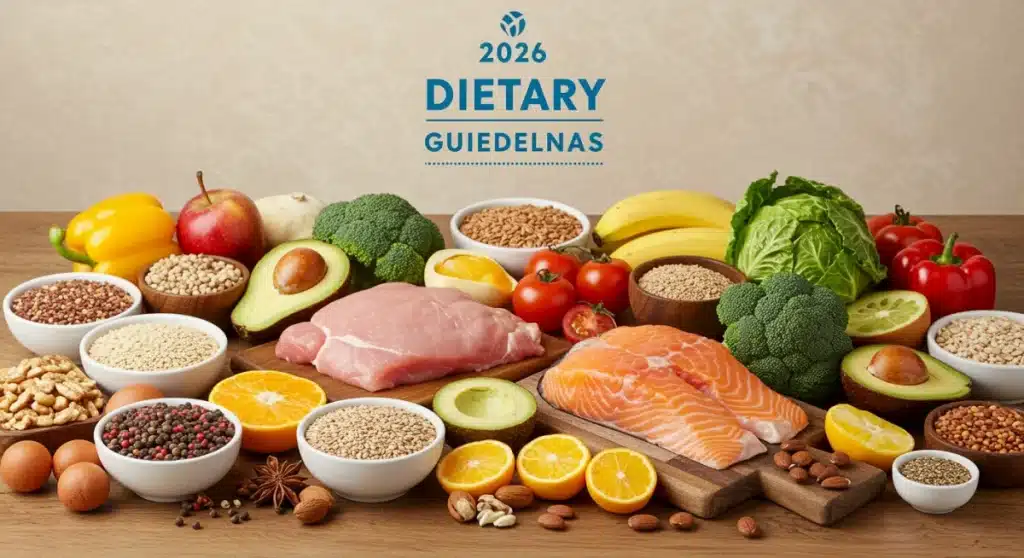
The 2026 USDA Dietary Guidelines offer updated, evidence-based recommendations for US adults, emphasizing balanced nutrition and sustainable meal planning to foster long-term health and well-being.
Are you ready to transform your eating habits in alignment with the most current scientific advice? Understanding and implementing the USDA dietary guidelines 2026 is crucial for every US adult seeking optimal health and well-being. This comprehensive guide will break down the key recommendations and provide actionable meal planning strategies to help you navigate these updated nutritional principles with ease and confidence.
Understanding the Evolution of USDA Dietary Guidelines
The USDA Dietary Guidelines are not static; they evolve with new scientific discoveries and changing public health needs. Every five years, these guidelines are meticulously reviewed and updated to provide the most current, evidence-based nutrition advice for Americans. The 2026 iteration builds upon previous recommendations, placing a stronger emphasis on personalized nutrition, sustainable eating patterns, and addressing health disparities across different population groups. It’s a living document designed to empower individuals to make informed food choices that support health at every life stage.
These guidelines serve as the cornerstone for federal food and nutrition programs, health education, and policy development. Their influence extends from school lunch programs to dietary advice given by healthcare professionals. Therefore, staying informed about these updates is paramount for anyone committed to a healthy lifestyle. The 2026 guidelines introduce nuances that reflect a deeper understanding of the complex interplay between diet, health, and environmental factors.
Key Shifts in the 2026 Guidelines
- Greater emphasis on plant-based proteins and diverse protein sources.
- Refined recommendations for added sugars and saturated fats, focusing on significant reduction.
- Enhanced focus on dietary patterns rather than individual nutrients.
- Inclusion of sustainable food choices as a consideration for overall health.
The evolution of these guidelines signifies a progressive approach to public health, recognizing that our dietary choices impact not only our personal health but also the broader food system. Understanding these shifts is the first step toward integrating them into your daily life.
Core Principles of the 2026 USDA Dietary Guidelines
At the heart of the 2026 USDA Dietary Guidelines lies a set of core principles designed to promote overall health and reduce the risk of chronic diseases. These principles move beyond simply listing foods to eat or avoid, instead advocating for holistic dietary patterns that are both nutritious and enjoyable. They emphasize flexibility, recognizing that one size does not fit all when it comes to healthy eating. The guidelines encourage individuals to make small, sustainable changes that accumulate over time, leading to significant health benefits.
A major focus is on nutrient-dense foods, meaning those that provide a high amount of vitamins, minerals, and other beneficial nutrients with relatively few calories. This approach helps ensure that individuals meet their nutritional requirements without excessive calorie intake. The guidelines also stress the importance of balancing food and beverage intake with physical activity to achieve and maintain a healthy weight. This integrated perspective acknowledges that diet is just one component of a healthy lifestyle.
Prioritizing Dietary Patterns
Instead of focusing on isolated nutrients, the 2026 guidelines highlight the importance of overall dietary patterns. This means considering all the foods and beverages consumed regularly as a whole, rather than fixating on individual components. Healthy dietary patterns are characterized by:
- A variety of vegetables from all subgroups.
- Fruits, especially whole fruits.
- Grains, at least half of which are whole grains.
- Fat-free or low-fat dairy, including milk, yogurt, and cheese.
- A variety of protein foods, including seafood, lean meats and poultry, eggs, legumes, nuts, seeds, and soy products.
These patterns are adaptable to cultural and personal preferences, making them accessible to a wider range of Americans. The goal is to establish eating habits that can be maintained long-term, fostering consistent health benefits.
Practical Strategies for Meal Planning based on 2026 Guidelines
Translating the 2026 USDA Dietary Guidelines into practical meal planning can seem daunting, but with a structured approach, it becomes an achievable goal. The key is to integrate the core principles into your weekly routine, making conscious choices about what you eat and how you prepare it. Meal planning is not just about deciding what to cook; it’s about optimizing nutrition, minimizing food waste, and saving time and money. It empowers you to take control of your diet and ensures that you consistently meet your nutritional needs.
Start by assessing your current eating habits and identifying areas where you can make improvements. Do you consume enough fruits and vegetables? Are you choosing whole grains over refined ones? Is your protein intake diverse? Once you have a clear picture, you can begin to incorporate the guideline recommendations into your meal plans. Remember, small, consistent changes are often more effective than drastic, unsustainable overhauls.

Consider dedicating a specific time each week to plan your meals. This could involve looking up new recipes, checking your pantry for existing ingredients, and creating a grocery list. When you shop with a plan, you are less likely to make impulse purchases of less healthy options. Prepping ingredients in advance, such as chopping vegetables or cooking grains, can also save significant time during busy weekdays, making healthy eating more convenient.
Incorporating Nutrient-Dense Foods
Focus on building your meals around nutrient-dense foods. This means prioritizing ingredients that offer a wealth of vitamins, minerals, and fiber without excess calories, added sugars, or unhealthy fats. For example, instead of a sugary cereal for breakfast, opt for oatmeal with berries and nuts. For lunch, replace a processed sandwich with a colorful salad packed with legumes, lean protein, and a variety of vegetables.
- Breakfast: Whole-grain oatmeal with fresh berries, nuts, and a splash of low-fat milk.
- Lunch: Large mixed green salad with grilled chicken or chickpeas, diverse vegetables, and a light vinaigrette.
- Dinner: Baked salmon with quinoa and steamed broccoli.
- Snacks: Apple slices with almond butter, Greek yogurt, or a handful of unsalted nuts.
By making these intentional choices, you can significantly boost your nutrient intake and align your diet with the latest USDA recommendations, promoting sustained energy and overall health.
Embracing Variety and Moderation in Your Diet
Variety and moderation are two cornerstone principles that underpin the effectiveness of the 2026 USDA Dietary Guidelines. Eating a wide range of foods ensures that your body receives all the necessary vitamins, minerals, and macronutrients, as different foods offer unique nutritional profiles. Relying on a limited selection of foods can lead to nutrient deficiencies and can also make your diet monotonous and difficult to sustain long-term. Embracing variety keeps your meals interesting and enjoyable, which is key to adherence.
Moderation, on the other hand, involves consuming appropriate portion sizes and limiting foods high in added sugars, saturated fats, and sodium. It doesn’t mean completely eliminating your favorite treats, but rather enjoying them in smaller quantities and less frequently. The guidelines emphasize that all foods can fit into a healthy dietary pattern when consumed in moderation. This balanced approach prevents feelings of deprivation and promotes a healthier relationship with food.
Exploring Diverse Food Groups
To achieve dietary variety, actively seek out different foods within each food group. For example, don’t just stick to broccoli; try kale, spinach, bell peppers, carrots, and sweet potatoes. For protein, rotate between fish, chicken, beans, lentils, and nuts. This broadens your nutrient intake and introduces new flavors and textures to your meals.
- Vegetables: Aim for a rainbow of colors throughout the week, including dark leafy greens, red and orange vegetables, starchy vegetables, and legumes.
- Fruits: Incorporate seasonal fruits, both fresh and frozen, to vary your antioxidant and vitamin intake.
- Proteins: Alternate between plant-based proteins (beans, lentils, tofu), lean meats, poultry, and fish high in omega-3 fatty acids.
By thoughtfully diversifying your food choices and practicing moderation, you can enjoy a rich and satisfying diet that fully supports the 2026 USDA Dietary Guidelines, contributing significantly to your long-term health and vitality.
Addressing Specific Nutritional Needs for US Adults
The 2026 USDA Dietary Guidelines recognize that nutritional needs can vary significantly among US adults, influenced by factors such as age, sex, activity level, and existing health conditions. While the core principles apply broadly, tailoring these guidelines to individual circumstances is essential for optimal health outcomes. For instance, older adults may require different nutrient balances to support bone health and muscle mass, while active individuals may need higher calorie and protein intake. Understanding these specific needs allows for a more personalized and effective application of the guidelines.
Pregnant and lactating women, for example, have increased requirements for certain vitamins and minerals, such as folic acid and iron, to support both their health and the development of their child. Similarly, individuals with chronic conditions like diabetes or heart disease need to pay close attention to specific dietary recommendations to manage their conditions effectively. The guidelines provide a framework that can be adapted, often with the help of healthcare professionals, to meet these diverse requirements.
Nutrient Focus for Different Groups
The guidelines provide a foundation, but individual adjustments are often necessary. Here are some examples of specific considerations:
- Older Adults: Emphasize calcium and vitamin D for bone health, and protein for muscle maintenance. Hydration is also a critical factor often overlooked.
- Active Individuals: Focus on adequate carbohydrate intake for energy, sufficient protein for muscle repair, and electrolyte balance, especially during intense physical activity.
- Individuals Managing Chronic Conditions: Work with a registered dietitian to fine-tune carbohydrate, fat, and sodium intake, as well as fiber consumption, according to specific medical needs.
By recognizing and addressing these specific nutritional needs, US adults can leverage the 2026 USDA Dietary Guidelines to achieve personalized health goals, ensuring that their dietary choices are not only generally healthy but also specifically beneficial for their unique physiological and health status.
Integrating Sustainable Eating into Your Meal Plan
A significant aspect of the 2026 USDA Dietary Guidelines is the increasing recognition of sustainable eating practices. This integration acknowledges that our food choices have an impact beyond our personal health, extending to environmental well-being and the long-term viability of food systems. Sustainable eating involves making choices that are good for both our bodies and the planet. It encourages reducing food waste, selecting locally sourced produce, and considering the environmental footprint of different food items. This holistic approach aligns personal health with global responsibility.
Incorporating sustainability into meal planning doesn’t require drastic changes; rather, it’s about making conscious, incremental shifts. This could mean choosing plant-based meals more frequently, opting for seasonal produce to reduce transportation emissions, or being mindful of portion sizes to prevent food waste. The guidelines encourage consumers to think about the entire journey of their food, from farm to fork, and to make choices that support a healthier planet for future generations. It’s a powerful way to make a difference through everyday decisions.
Tips for Sustainable Meal Planning
- Reduce Food Waste: Plan meals carefully, use leftovers creatively, and understand food storage techniques to extend shelf life.
- Choose Plant-Based Options: Incorporate more legumes, nuts, seeds, and plant-based protein sources into your diet, which generally have a lower environmental impact.
- Support Local and Seasonal: Purchase produce from local farmers’ markets when possible, and prioritize fruits and vegetables that are in season in your region.
- Mindful Meat Consumption: If consuming meat, opt for smaller portions and choose sustainably sourced options when available.
By thoughtfully integrating sustainable eating into your meal plan, you not only adhere to the comprehensive 2026 USDA Dietary Guidelines but also contribute to a healthier planet, demonstrating that personal health and environmental stewardship are deeply interconnected.
Overcoming Common Challenges in Adhering to Guidelines
Adhering to new dietary guidelines can present several challenges for US adults, from busy schedules and budget constraints to personal preferences and a lack of cooking skills. Recognizing these common hurdles is the first step toward developing effective strategies to overcome them. Many individuals find it difficult to break old habits or feel overwhelmed by the sheer volume of information. However, with the right approach and a bit of perseverance, these obstacles can be successfully navigated, making healthy eating a sustainable part of your life.
One of the most frequent challenges is time. Preparing nutritious meals from scratch often requires more time than relying on convenience foods. Another significant barrier can be cost, as some perceive healthy foods to be more expensive. However, strategic meal planning, smart shopping, and cooking at home can often be more budget-friendly than frequent takeout or processed meals. Addressing these challenges requires a proactive mindset and a willingness to adapt.
Strategies for Success
- Time Management: Dedicate a block of time each week for meal prepping. Chop vegetables, cook grains, and pre-portion snacks to save time during busy weekdays.
- Budgeting: Plan meals around sales, buy in bulk when appropriate, and focus on affordable staples like legumes, whole grains, and seasonal produce.
- Skill Building: Experiment with simple, healthy recipes. Online resources and cooking classes can help build confidence in the kitchen.
- Mindset: View healthy eating as a journey rather than a destination. Celebrate small victories and be patient with yourself during setbacks.
By proactively addressing these common challenges and implementing practical strategies, US adults can more effectively integrate the 2026 USDA Dietary Guidelines into their daily lives, transforming healthy eating from a goal into an enjoyable and sustainable routine that supports long-term well-being.
| Key Guideline | Brief Description |
|---|---|
| Dietary Patterns | Emphasizes overall eating habits rather than isolated nutrients for holistic health. |
| Nutrient-Dense Foods | Prioritizes foods rich in vitamins, minerals, and fiber with fewer calories. |
| Variety & Moderation | Encourages diverse food choices and appropriate portion sizes for balanced intake. |
| Sustainable Choices | Integrates environmental impact into food decisions, promoting eco-friendly eating. |
Frequently Asked Questions About USDA 2026 Guidelines
The 2026 guidelines emphasize holistic dietary patterns, increased focus on plant-based proteins, stricter limits on added sugars and saturated fats, and the inclusion of sustainable food choices. They also advocate for personalized nutrition approaches based on individual needs and life stages.
Begin by assessing your current diet and identifying small, manageable changes. Focus on adding more fruits, vegetables, and whole grains. Plan your meals weekly, prepare ingredients in advance, and consciously choose nutrient-dense foods over processed options.
Yes, the guidelines provide a foundational framework for all US adults. However, they also emphasize personalization. Individuals with specific health conditions, pregnant women, or highly active people may need to tailor these recommendations with the help of a healthcare professional or registered dietitian.
Sustainability is now a more prominent consideration. The guidelines encourage choices that are beneficial for both personal health and the environment, such as reducing food waste, opting for plant-based meals, and supporting local, seasonal produce. It links dietary choices to broader ecological impacts.
The official USDA website (MyPlate.gov) and publications from the U.S. Department of Health and Human Services are primary sources. These platforms offer comprehensive resources, tools, and educational materials to help you understand and apply the guidelines effectively.
Conclusion
The 2026 USDA Dietary Guidelines offer a robust and adaptable framework for US adults to cultivate healthier eating habits. By understanding the core principles, embracing practical meal planning strategies, and addressing individual needs, adhering to these guidelines becomes an accessible and rewarding endeavor. Integrating variety, moderation, and sustainable choices into your diet not only enhances personal well-being but also contributes to a healthier planet. The journey to optimal health is continuous, and these updated guidelines provide an invaluable roadmap for navigating it successfully.