Navigating the Latest Science on Sugar Substitutes: A 2026 Consumer Guide
In an increasingly health-conscious world, the quest for sweetness without the caloric burden of sugar has led to a proliferation of sugar substitutes. From artificial sweeteners to natural alternatives, the market is flooded with options, each promising a guilt-free indulgence. But with new research emerging constantly, staying informed about the safety, efficacy, and potential health impacts of these alternatives can feel like navigating a complex maze. This comprehensive sugar substitute guide for 2026 is designed to cut through the noise, providing you with the latest scientific insights to make informed dietary choices.
For decades, sugar has been identified as a primary culprit in various health issues, including obesity, type 2 diabetes, and cardiovascular diseases. This understanding has propelled consumers and food manufacturers alike to seek out alternatives. However, the journey to a sugar-free lifestyle is not without its controversies. Early artificial sweeteners faced scrutiny, and even newer, ‘natural’ options are subject to ongoing scientific investigation. Our goal is to equip you with the knowledge to discern fact from fiction, empowering you to choose the best sugar substitutes for your individual health goals.
We’ll delve into the different categories of sugar substitutes, explore the most popular options, and discuss the latest research on their effects on gut health, metabolism, and long-term well-being. Whether you’re a seasoned user of sugar alternatives or just beginning to explore your options, this sugar substitute guide will serve as your essential resource for 2026 and beyond.
Understanding the Landscape of Sugar Substitutes
Before we dive into specific products, it’s crucial to understand the broad categories of sugar substitutes available today. These can generally be divided into two main groups: artificial sweeteners and natural sweeteners. Each group has distinct characteristics, chemical compositions, and regulatory statuses.
Artificial Sweeteners: The Synthetic Solution
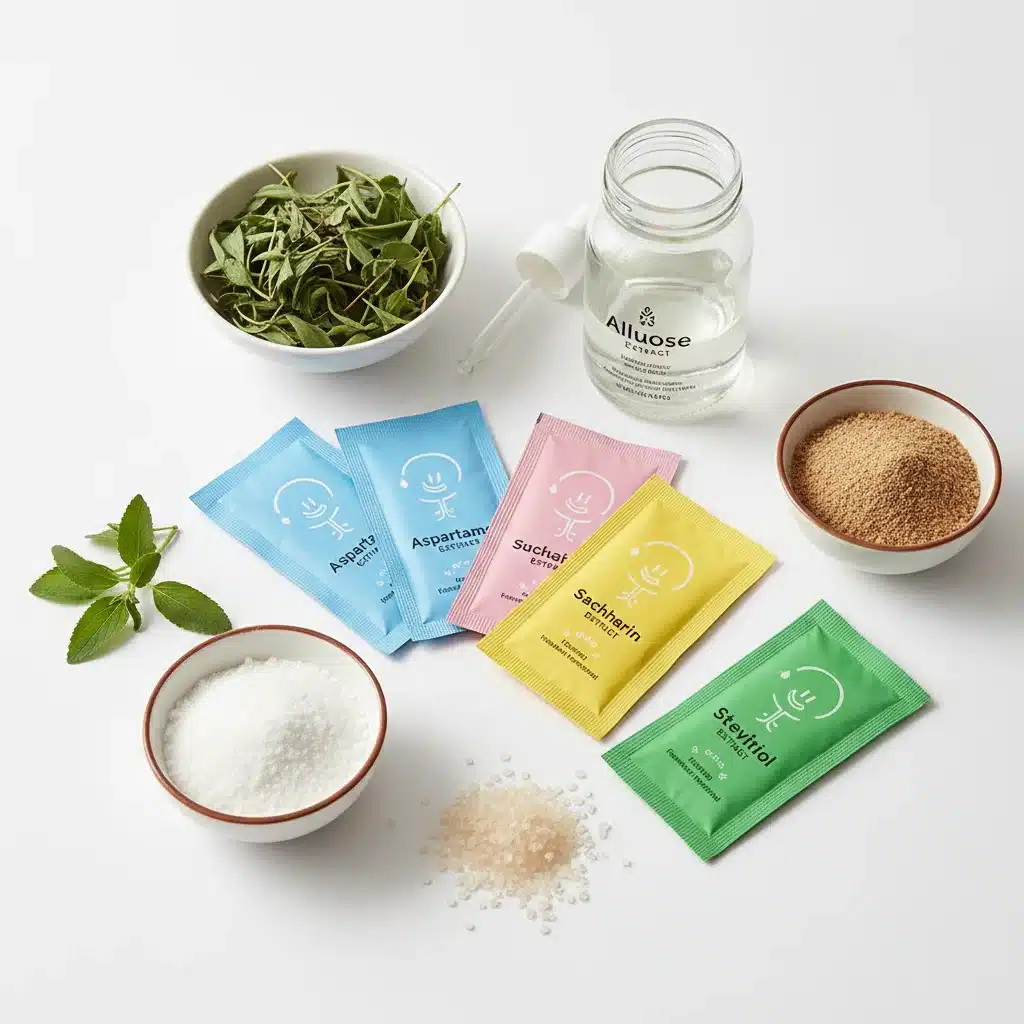
Artificial sweeteners, also known as high-intensity sweeteners, are synthetic compounds that provide a sweet taste with little to no calories. They are often hundreds or even thousands of times sweeter than sugar, meaning only tiny amounts are needed to achieve the desired sweetness. This category includes some of the oldest and most widely recognized sugar alternatives.
- Aspartame: Discovered in 1965, aspartame is one of the most thoroughly studied artificial sweeteners. It’s about 200 times sweeter than sucrose (table sugar) and is commonly found in diet sodas, sugar-free chewing gum, and various processed foods. Recent debates surrounding its classification by health organizations have brought it back into the spotlight, prompting many to seek clarification on its safety.
- Sucralose: Marketed as Splenda, sucralose is derived from sugar through a chemical process that replaces three hydrogen-oxygen groups with chlorine atoms. It’s approximately 600 times sweeter than sugar and is heat-stable, making it popular for baking and cooking. Its widespread use means it’s a staple in many ‘sugar-free’ products.
- Saccharin: One of the oldest artificial sweeteners, saccharin was discovered in 1879. It’s 200-700 times sweeter than sugar and has been used for over a century. Despite past controversies, it is generally recognized as safe by regulatory bodies worldwide.
- Acesulfame Potassium (Ace-K): Often used in combination with other sweeteners, Ace-K is about 200 times sweeter than sugar. It is heat-stable and provides a synergistic effect when blended with other artificial sweeteners, enhancing the overall sweetness profile.
- Neotame and Advantame: These are newer, high-potency artificial sweeteners with even greater sweetness intensity than their predecessors. Neotame is about 7,000-13,000 times sweeter than sugar, while advantame can be up to 20,000 times sweeter. They are used in very small quantities and are approved for use in a wide range of food products.
The primary appeal of artificial sweeteners lies in their ability to significantly reduce calorie intake from sugar, which can be beneficial for weight management and blood sugar control. However, their synthetic nature and sometimes lingering aftertastes have led many consumers to explore more ‘natural’ alternatives.
Natural Sweeteners and Sugar Alcohols: Nature’s Answer?
This category encompasses sweeteners derived from natural sources, as well as sugar alcohols, which are carbohydrates with a chemical structure similar to both sugar and alcohol (but do not contain ethanol). They offer a sweet taste, often with fewer calories than sugar, and are generally perceived as healthier due to their origin.
- Stevia: Extracted from the leaves of the Stevia rebaudiana plant, stevia is a popular choice for those seeking a natural, zero-calorie sweetener. Its active compounds, steviol glycosides, are 200-400 times sweeter than sugar. While often praised for its natural origins, some people detect a slight licorice-like aftertaste.
- Monk Fruit (Luo Han Guo): Derived from a small, green melon native to Southeast Asia, monk fruit extract is another zero-calorie natural sweetener. Its sweetness comes from mogrosides, which are 150-250 times sweeter than sugar. Monk fruit is gaining popularity for its clean taste profile compared to some stevia extracts.
- Erythritol: A sugar alcohol found naturally in some fruits and fermented foods, erythritol is about 70% as sweet as sugar but contains virtually no calories. It’s easily digested and generally well-tolerated, causing less digestive upset than other sugar alcohols. It’s often used in combination with stevia or monk fruit to improve taste and texture.
- Xylitol: Another sugar alcohol, xylitol is found in many fruits and vegetables. It’s as sweet as sugar but has about 40% fewer calories. Xylitol is known for its dental benefits, as it can help reduce the risk of tooth decay. However, consuming large amounts can lead to digestive issues.
- Sorbitol and Maltitol: These are other common sugar alcohols used in sugar-free candies, gums, and baked goods. They offer a sweet taste with fewer calories than sugar but can cause gastrointestinal discomfort in sensitive individuals if consumed in excess.
The appeal of natural sweeteners and sugar alcohols lies in their lower caloric content and often a perception of being ‘healthier’ due to their natural origin. However, ‘natural’ doesn’t always equate to ‘better’ for everyone, and individual responses can vary significantly.
The Latest Science: What Does 2026 Research Tell Us?
The scientific community continues to rigorously study the long-term effects of sugar substitutes. While regulatory bodies like the FDA, EFSA, and WHO have deemed approved sweeteners safe for consumption within acceptable daily intake (ADI) limits, ongoing research is refining our understanding, particularly in areas like gut health and metabolic responses.
Gut Microbiome and Sugar Substitutes
One of the most active areas of research concerning sugar substitutes is their impact on the gut microbiome – the trillions of bacteria living in our intestines. Emerging studies suggest that some artificial sweeteners might alter the composition and function of gut bacteria, potentially leading to effects on glucose metabolism and overall health.
- Sucralose and Saccharin: Several animal and some human studies have indicated that sucralose and saccharin might induce glucose intolerance by altering the gut microbiota. While these findings are not universally conclusive, they have prompted further investigation into the mechanisms at play. The potential for these sweeteners to shift beneficial gut bacteria to less favorable ones is a key concern.
- Stevia and Monk Fruit: Research on the impact of stevia and monk fruit on the gut microbiome is less extensive but generally suggests a more neutral or even potentially beneficial effect. Some studies hint that certain components of stevia might have prebiotic properties, supporting the growth of beneficial bacteria, though more human trials are needed to confirm this.
- Erythritol: Recent studies in 2023-2025 have sparked discussions about erythritol’s potential link to cardiovascular events in susceptible individuals. While the research is observational and requires further validation, it has highlighted the need for a nuanced understanding of even seemingly benign natural alternatives. Its impact on the gut microbiome is generally considered minimal due to its high absorbability and excretion.
The takeaway here is that the gut microbiome is a complex ecosystem, and how different sugar substitutes interact with it is still being unraveled. What’s clear is that a diverse and healthy gut microbiome is crucial for overall health, and any substance that significantly alters it warrants careful consideration.

Metabolic Effects and Blood Sugar Control
The primary reason many turn to sugar substitutes is for blood sugar control. While they generally don’t raise blood glucose levels directly, the long-term metabolic effects are a subject of ongoing debate.
- Insulin Response: Some studies have explored whether artificial sweeteners, despite being calorie-free, can trigger an insulin response. The ‘cephalic phase’ insulin release, where the body anticipates sugar and releases insulin upon tasting sweetness, is a theoretical concern. However, current evidence suggests that for most people, this effect is minimal and unlikely to have significant clinical impact.
- Appetite and Cravings: A common hypothesis is that consuming sweet but calorie-free foods might confuse the body, leading to increased cravings for sweet foods or a compensatory increase in calorie intake later. Research on this topic is mixed, with some studies showing no effect on appetite, while others suggest a potential for increased food intake in certain contexts. Individual variability likely plays a significant role.
- Weight Management: For individuals using sugar substitutes for weight loss, the evidence is also varied. While substituting sugary drinks with diet versions can lead to modest weight loss, it’s not a magic bullet. Sustainable weight management requires a holistic approach that includes diet quality and physical activity.
The consensus in 2026 is that for individuals with diabetes or those looking to manage blood sugar, sugar substitutes can be a useful tool when used in moderation and as part of an otherwise healthy diet. However, they are not a license for unlimited consumption of highly processed ‘sugar-free’ foods.
Making Informed Choices: A 2026 Action Plan
Given the evolving science, how can you best navigate the world of sugar substitutes? Here’s a practical sugar substitute guide to help you make informed decisions in 2026:
1. Prioritize Whole Foods
The most important step is to reduce your reliance on intensely sweet foods, whether they contain sugar or substitutes. Focus on a diet rich in whole, unprocessed foods like fruits, vegetables, lean proteins, and whole grains. These foods provide natural sweetness along with essential nutrients and fiber, which are crucial for satiety and gut health.
2. Understand Your ‘Why’
Are you using sugar substitutes for weight management, blood sugar control, or simply to reduce sugar intake? Your motivation can influence your choices. For example, if you have diabetes, a zero-calorie, non-glycemic sweetener might be a priority. If you’re generally healthy but want to reduce added sugar, moderation and a focus on natural options might be your path.
3. Read Labels Carefully
Manufacturers often combine different sweeteners, and ‘sugar-free’ doesn’t always mean ‘healthy.’ Pay attention to the type of sweetener used and the overall nutritional profile of the product. Look for products with minimal added ingredients and a clear list of sweeteners.
4. Experiment with Natural Alternatives
If you’re comfortable with them, stevia and monk fruit are often well-tolerated and provide sweetness without calories. Erythritol is another good option, especially for baking, due to its low caloric impact and generally good digestive tolerance. Remember that ‘natural’ doesn’t mean ‘unlimited’; moderation is still key.
5. Monitor Your Body’s Response
Everyone’s body reacts differently to various substances. Pay attention to how you feel after consuming specific sugar substitutes. Do you experience digestive upset? Do you find yourself craving more sweets? Your individual experience is an important piece of information.
6. Consult with a Healthcare Professional
If you have specific health conditions, such as diabetes, irritable bowel syndrome (IBS), or are pregnant, it’s always best to discuss your sugar substitute choices with a doctor or registered dietitian. They can provide personalized advice based on your health profile and goals.

The Future of Sweetness: Innovations and Outlook
The landscape of sugar substitutes is dynamic, with ongoing innovation aimed at creating new compounds that offer superior taste, better health profiles, and more sustainable production methods. Researchers are exploring novel plant-derived sweeteners, developing enzyme-modified sweeteners, and even investigating ways to enhance the perception of sweetness without adding more sweetener.
One area of growing interest is the development of sweeteners that might offer additional health benefits beyond just calorie reduction. For instance, some plant compounds are being studied for their antioxidant or anti-inflammatory properties. The focus is shifting from merely replacing sugar to finding alternatives that contribute positively to overall well-being.
Furthermore, regulatory bodies worldwide are continuously reviewing existing sweeteners and evaluating new ones. As more long-term data becomes available, guidelines may evolve, further shaping the choices available to consumers. The emphasis will likely remain on safety and transparency, ensuring that consumers have access to accurate information about what they are consuming.
The environmental impact of sweetener production is also gaining attention. Sustainable sourcing of natural sweeteners like stevia and monk fruit, as well as the development of more eco-friendly production methods for artificial compounds, will likely become increasingly important factors in the market.
As we move further into 2026 and beyond, the trend towards personalized nutrition will also influence how sugar substitutes are viewed. What works well for one individual may not be ideal for another. Genetic predispositions, gut microbiome composition, and individual metabolic responses are all factors that could eventually be considered in recommending specific sweeteners. This future might involve more tailored dietary advice, moving away from a one-size-fits-all approach.
Debunking Common Myths About Sugar Substitutes
The conversation around sugar substitutes is often clouded by misinformation and sensational headlines. Let’s address a few common myths:
- Myth 1: All sugar substitutes are bad for you. This is an oversimplification. Regulatory bodies have approved various sweeteners as safe for consumption within certain limits. While ongoing research refines our understanding, blanket statements about their harm are often not supported by comprehensive scientific evidence.
- Myth 2: Sugar substitutes cause cancer. This myth largely stems from early animal studies, particularly with saccharin, which were later found not to be applicable to humans at typical consumption levels. Major health organizations have concluded that approved sugar substitutes do not cause cancer in humans.
- Myth 3: Sugar substitutes are a magic bullet for weight loss. While they can help reduce calorie intake, they are not a standalone solution for weight loss. Effective weight management relies on a balanced diet, regular physical activity, and overall healthy lifestyle choices. Relying solely on ‘diet’ products can sometimes lead to overconsumption in other areas.
- Myth 4: Natural sweeteners are always healthier than artificial ones. The term ‘natural’ can be misleading. While stevia and monk fruit are plant-derived, they are still highly processed extracts. Some ‘natural’ sweeteners like agave nectar are high in fructose, which can have its own metabolic drawbacks. It’s important to look beyond marketing terms and consider the actual chemical composition and scientific evidence.
Understanding these distinctions is crucial for anyone using this sugar substitute guide to make truly informed decisions. Critical thinking and a reliance on credible scientific sources are your best allies.
Conclusion: Sweet Choices for a Healthier You
The world of sugar substitutes is constantly evolving, presenting both opportunities and challenges for consumers. As of 2026, the science indicates that when used in moderation and as part of a balanced diet focused on whole foods, many approved sugar substitutes can be a helpful tool for reducing sugar intake, managing weight, and controlling blood sugar.
However, it’s not a simple black-and-white issue. The nuanced effects on the gut microbiome, potential metabolic responses, and individual variability mean that a personalized approach is often best. This sugar substitute guide encourages you to stay curious, read labels, listen to your body, and consult with healthcare professionals when needed.
Ultimately, the goal isn’t just to replace sugar, but to cultivate healthier eating habits that reduce reliance on intense sweetness altogether. By making informed choices, you can enjoy a touch of sweetness while prioritizing your long-term health and well-being. Embrace the knowledge shared in this guide to confidently navigate your sweet choices in 2026 and beyond.