Sleep, Nutrition & Recovery: 2025 Athletic Repair Guide

Optimizing sleep and nutrition is crucial for athletic recovery, directly impacting muscle repair, hormone regulation, and overall performance, with strategies aiming for a 20% improvement in athletic repair by 2025.
Are you an athlete striving for peak performance, always seeking that extra edge? Then understanding the impact of sleep and nutrition on recovery: a 2025 guide to enhancing athletic repair by 20% is not just beneficial, it’s essential. This comprehensive guide will equip you with the knowledge to optimize these critical pillars, transforming your recovery process and elevating your athletic capabilities.
The foundational role of sleep in athletic recovery
Sleep is far more than just rest; it is an active period of repair and restoration for the athletic body. During sleep, especially the deeper stages, your body undertakes crucial physiological processes vital for recovery from intense physical activity. Neglecting adequate sleep can severely hinder these processes, leading to diminished performance, increased injury risk, and prolonged recovery times.
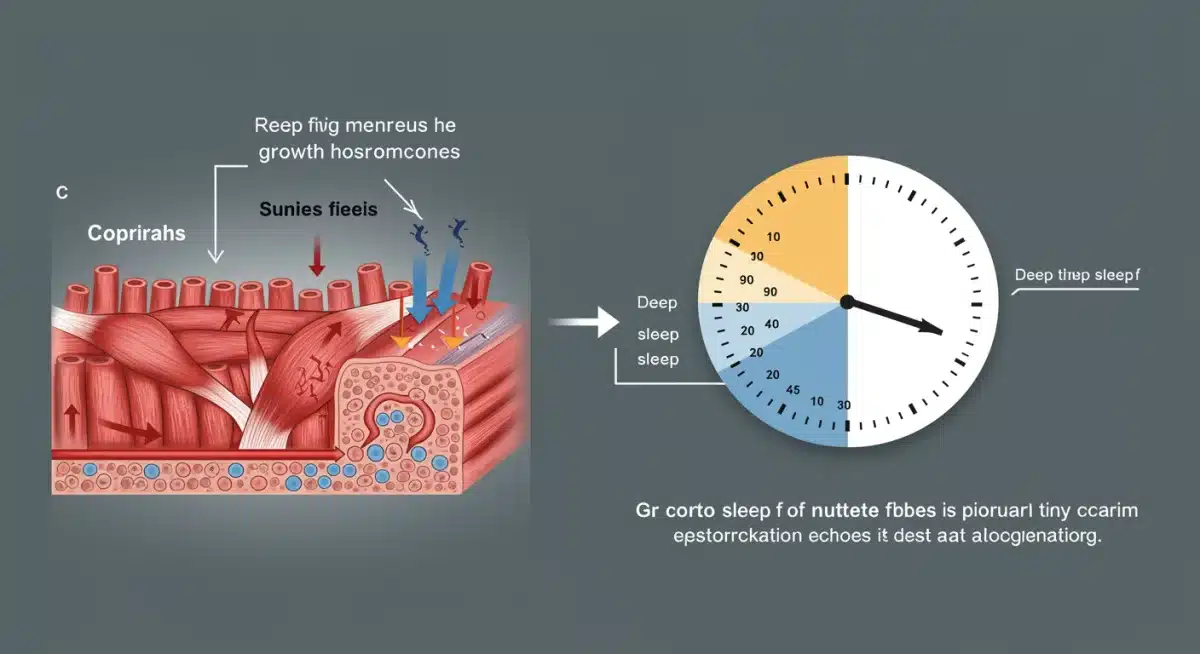
For athletes, sufficient and quality sleep directly influences muscle repair, hormone regulation, and cognitive function. It’s the period when growth hormone is optimally released, facilitating tissue regeneration and protein synthesis. Without this vital recovery phase, the benefits of even the most rigorous training sessions are significantly reduced.
Understanding sleep cycles and their importance
Our sleep is not a monolithic state but rather a series of cycles, each lasting approximately 90 minutes, comprising several distinct stages. These stages, from light sleep to deep sleep (NREM) and REM sleep, each play a unique role in recovery.
- NREM Stage 3 (Deep Sleep): This is the most restorative stage, where tissue repair, muscle growth, and immune system strengthening predominantly occur. Growth hormone secretion peaks during deep sleep.
- REM Sleep: Essential for cognitive function, memory consolidation, and emotional regulation. While less directly involved in physical repair, it impacts an athlete’s mental readiness and ability to strategize.
- Sleep Duration: Most athletes require 7-9 hours of sleep per night, though individual needs can vary based on training intensity and volume.
Optimizing your sleep environment and bedtime routine can significantly improve sleep quality. This includes maintaining a cool, dark, and quiet room, and avoiding screens before bed. Consistency in sleep schedule, even on non-training days, helps regulate your body’s natural circadian rhythm.
In essence, sleep is the silent partner in every athlete’s training regimen. Prioritizing it ensures that the body has the necessary time and resources to rebuild, adapt, and prepare for future demands, laying a strong foundation for enhanced athletic repair.
Nutritional strategies for optimal repair and regeneration
Just as sleep provides the downtime for recovery, nutrition supplies the building blocks. The food an athlete consumes directly impacts their ability to repair damaged tissues, replenish energy stores, and reduce inflammation. A well-designed nutritional plan is a cornerstone of effective athletic recovery, complementing the restorative power of sleep.
Focusing on macro and micronutrients in the right quantities and at the right times can accelerate the repair process and significantly enhance overall physical resilience. This involves understanding not just what to eat, but when and how much.
The power of protein and carbohydrates
Protein is paramount for muscle repair and synthesis, while carbohydrates are essential for replenishing glycogen stores depleted during exercise. The timing of nutrient intake, particularly post-exercise, is critical for maximizing recovery.
- Protein Intake: Aim for 20-40 grams of high-quality protein within 30-60 minutes post-exercise to kickstart muscle protein synthesis. Sources like lean meats, poultry, fish, eggs, dairy, and plant-based options like legumes and tofu are excellent.
- Carbohydrate Replenishment: Consuming complex carbohydrates post-workout helps restore muscle glycogen. Good choices include whole grains, fruits, and starchy vegetables. The ratio of carbs to protein often recommended is 3:1 or 4:1 for optimal recovery.
- Healthy Fats: Omega-3 fatty acids, found in fatty fish, flaxseeds, and walnuts, play a crucial role in reducing inflammation, a common byproduct of intense training.
Beyond macros, a diverse intake of micronutrients—vitamins and minerals—supports countless enzymatic reactions involved in energy production, immune function, and tissue repair. Adequate hydration is also non-negotiable; water facilitates nutrient transport and waste removal, both vital for recovery.
By strategically fueling the body, athletes can minimize muscle soreness, accelerate tissue regeneration, and ensure they are ready for their next training session or competition. Nutrition is not merely about sustenance; it’s about providing the precise fuel for optimal repair and performance.
Hormonal balance: the unseen orchestrator of recovery
While often overlooked, hormonal balance plays a pivotal role in athletic recovery. Hormones act as messengers, regulating everything from muscle growth and energy metabolism to stress response and sleep-wake cycles. An imbalance can significantly impede recovery, making it harder for the body to adapt and repair.
Key hormones like cortisol, testosterone, growth hormone, and insulin are all intricately linked to an athlete’s ability to recover from physical exertion. Optimizing these hormonal levels through lifestyle choices, particularly sleep and nutrition, is fundamental for enhancing athletic repair.
Impact of sleep and nutrition on key hormones
Both sleep deprivation and poor nutrition can disrupt the delicate balance of these critical hormones, leading to a catabolic (muscle-wasting) state rather than an anabolic (muscle-building) one. Understanding how to support these hormones is crucial.
- Growth Hormone (GH): Primarily released during deep sleep, GH is vital for tissue repair, muscle growth, and fat metabolism. Chronic sleep deprivation can significantly suppress GH release.
- Cortisol: Often called the ‘stress hormone,’ elevated cortisol levels (due to lack of sleep, overtraining, or poor nutrition) can break down muscle tissue and suppress the immune system, hindering recovery.
- Testosterone: Important for muscle protein synthesis and strength. Both insufficient sleep and inadequate caloric intake can lower testosterone levels, impacting recovery and performance.
A balanced diet rich in micronutrients, combined with consistent, high-quality sleep, helps maintain optimal hormonal profiles. Avoiding excessive caffeine and alcohol, managing stress, and timing nutrient intake can further support endocrine health. By consciously supporting hormonal balance, athletes create an internal environment conducive to faster and more efficient recovery.
The role of hydration and micronutrients in cellular repair
Beyond the macronutrients, the often-underestimated components of hydration and micronutrients are absolutely critical for cellular repair and overall physiological function in athletes. Water constitutes a significant portion of our body weight and is involved in every metabolic process, while vitamins and minerals act as cofactors for countless enzymatic reactions essential for recovery.
Ignoring these elements can lead to suboptimal recovery, increased fatigue, and a heightened risk of injury or illness. For an athlete aiming to enhance repair by 20% by 2025, meticulous attention to hydration and micronutrient intake is non-negotiable.
Essential micronutrients for tissue regeneration
Various vitamins and minerals play specific, indispensable roles in the complex processes of tissue repair and regeneration. Their presence in adequate amounts can accelerate healing and reduce oxidative stress.
- Vitamin C: A powerful antioxidant crucial for collagen synthesis, which is vital for connective tissue repair (tendons, ligaments). Found in citrus fruits, berries, and bell peppers.
- Vitamin D: Essential for bone health, immune function, and muscle repair. Many athletes are deficient; sunlight exposure and fortified foods or supplements are key.
- Zinc: Involved in immune function, protein synthesis, and wound healing. Abundant in red meat, poultry, beans, and nuts.
- Magnesium: Plays a role in muscle function, nerve transmission, and energy production. Found in leafy greens, nuts, seeds, and whole grains.
Proper hydration ensures that nutrients are efficiently transported to cells and waste products are effectively removed. Dehydration, even mild, can impair performance, slow recovery, and increase muscle soreness. Athletes should aim to drink water consistently throughout the day, not just during exercise, and consider electrolyte replenishment, especially during prolonged or intense sessions.
By ensuring comprehensive hydration and a rich intake of diverse micronutrients, athletes provide their bodies with the essential tools needed at the cellular level to rebuild and recover efficiently, paving the way for consistent performance improvements.
Advanced strategies for optimizing sleep quality
While the importance of sleep is clear, simply getting more hours isn’t always enough. For athletes seeking a 20% enhancement in athletic repair, optimizing the *quality* of sleep is equally vital. Advanced strategies go beyond basic sleep hygiene, delving into environmental controls, pre-sleep routines, and even technology to maximize restorative sleep cycles.
These strategies aim to deepen sleep, reduce disturbances, and ensure the body spends ample time in the most reparative stages, thereby directly influencing recovery metrics and overall athletic readiness.
Leveraging environment and routine for superior sleep
Creating an optimal sleep environment and adhering to a consistent routine can profoundly impact sleep quality, transforming it into a powerful recovery tool. Small adjustments can yield significant benefits.
- Temperature Control: A cool bedroom (around 60-67°F or 15-19°C) is ideal for promoting sleep onset and maintaining deep sleep.
- Light Management: Minimize exposure to blue light from screens at least an hour before bed. Use blackout curtains to block external light, signaling to your body that it’s time to rest.
- Consistent Schedule: Going to bed and waking up at the same time every day, even on weekends, helps regulate your circadian rhythm, making it easier to fall asleep and wake naturally.
- Relaxation Techniques: Incorporate pre-sleep rituals like warm baths, reading, light stretching, or meditation to calm the nervous system and prepare the body for rest.
Furthermore, consider investing in a comfortable mattress and pillows that support proper spinal alignment. Monitoring sleep patterns with wearable tech can provide insights into sleep stages and disturbances, allowing for targeted adjustments. Avoiding heavy meals, caffeine, and alcohol close to bedtime can also prevent disruptions to sleep architecture. By implementing these advanced strategies, athletes can elevate their sleep from merely adequate to truly restorative, significantly boosting their recovery capacity.
Future trends: personalized nutrition and sleep tracking in 2025
As we look towards 2025, the landscape of athletic recovery is rapidly evolving, driven by advancements in technology and a deeper understanding of individual biological responses. The future lies in personalization, moving away from one-size-fits-all recommendations to highly tailored approaches for both nutrition and sleep. This individualized focus promises to unlock unprecedented levels of athletic repair and performance.
With tools becoming more sophisticated and accessible, athletes will have the ability to receive real-time, data-driven insights into their unique physiological needs, optimizing their recovery strategies with unparalleled precision.
The rise of precision recovery
Personalized nutrition and advanced sleep tracking are at the forefront of this revolution, offering athletes bespoke strategies to enhance their recovery processes. These trends leverage an individual’s unique biological markers to create highly effective protocols.
- Genomic Nutrition: DNA-based dietary recommendations will become more commonplace, advising athletes on optimal macronutrient ratios, micronutrient needs, and even food sensitivities based on their genetic makeup. This allows for nutrition plans that maximize nutrient absorption and minimize inflammatory responses.
- Microbiome Analysis: Understanding an athlete’s gut microbiome will inform personalized probiotic and prebiotic strategies, influencing nutrient absorption, immune function, and mental well-being, all critical for recovery.
- Advanced Sleep Biometrics: Wearable devices will offer more granular data on sleep stages, heart rate variability (HRV), skin temperature, and breathing patterns, providing actionable insights into recovery status and readiness for training. AI algorithms will synthesize this data to offer personalized sleep optimization tips.
- Continuous Glucose Monitoring (CGM): CGMs will provide real-time feedback on how different foods impact an athlete’s blood sugar, allowing for precise adjustments to carbohydrate timing and type for optimal energy replenishment and reduced inflammation.
These future trends will empower athletes to make highly informed decisions about their recovery protocols, moving beyond generalized advice to a science-backed, individualized approach. By embracing personalized nutrition and advanced sleep tracking, athletes in 2025 can expect to achieve significant gains in their ability to repair and adapt, ultimately leading to enhanced performance and a competitive edge.
| Key Recovery Aspect | Brief Description |
|---|---|
| Optimized Sleep | Crucial for muscle repair, growth hormone release, and cognitive restoration. Aim for 7-9 hours of quality sleep. |
| Strategic Nutrition | Proper intake of protein, carbohydrates, and healthy fats is vital for tissue regeneration and energy replenishment. |
| Hormonal Balance | Sleep and nutrition regulate hormones like GH, cortisol, and testosterone, impacting muscle synthesis and stress response. |
| Hydration & Micronutrients | Water, vitamins (C, D), and minerals (zinc, magnesium) are essential for cellular processes and inflammation reduction. |
Frequently asked questions about athletic recovery
Most athletes require between 7 to 9 hours of quality sleep per night. However, individual needs can vary based on training intensity, volume, and personal physiology. Elite athletes or those undergoing periods of high stress may benefit from even more sleep or strategic napping to enhance recovery.
Ideal post-workout foods combine high-quality protein and complex carbohydrates. Examples include Greek yogurt with berries, chicken and sweet potato, or a protein shake with a banana. This combination helps replenish glycogen stores and initiate muscle protein synthesis effectively.
No, supplements cannot replace the fundamental benefits of a balanced diet and adequate sleep. They can complement these pillars by addressing specific deficiencies or enhancing certain processes, but they are not a substitute for whole foods and restorative rest. Prioritize diet and sleep first.
Hydration is crucial for nutrient transport, waste removal, temperature regulation, and joint lubrication. Dehydration can impair all these functions, leading to reduced performance, increased fatigue, and slowed recovery. Consistent fluid intake throughout the day is essential for athletes.
Hormones like growth hormone, cortisol, and testosterone regulate muscle repair, energy metabolism, and stress response. Optimal levels, supported by sleep and nutrition, facilitate an anabolic state for muscle growth and repair, while imbalances can hinder recovery and increase injury risk.
Conclusion
Achieving a 20% enhancement in athletic repair by 2025 is an ambitious yet attainable goal, fundamentally rooted in the synergistic optimization of sleep and nutrition. This guide has illuminated how these two critical pillars, often underestimated, are powerful drivers of physiological restoration, hormonal balance, and cellular repair. By embracing targeted nutritional strategies, prioritizing high-quality sleep, and preparing for future trends in personalized recovery, athletes can unlock their full potential. The commitment to these practices is not just about faster recovery; it’s about building a more resilient, high-performing body capable of consistently meeting and exceeding athletic demands. Your journey to enhanced athletic repair begins with a conscious decision to value and strategically manage your sleep and nutrition.