Novel Food Processing: Nutrient Bioavailability in 2026 US
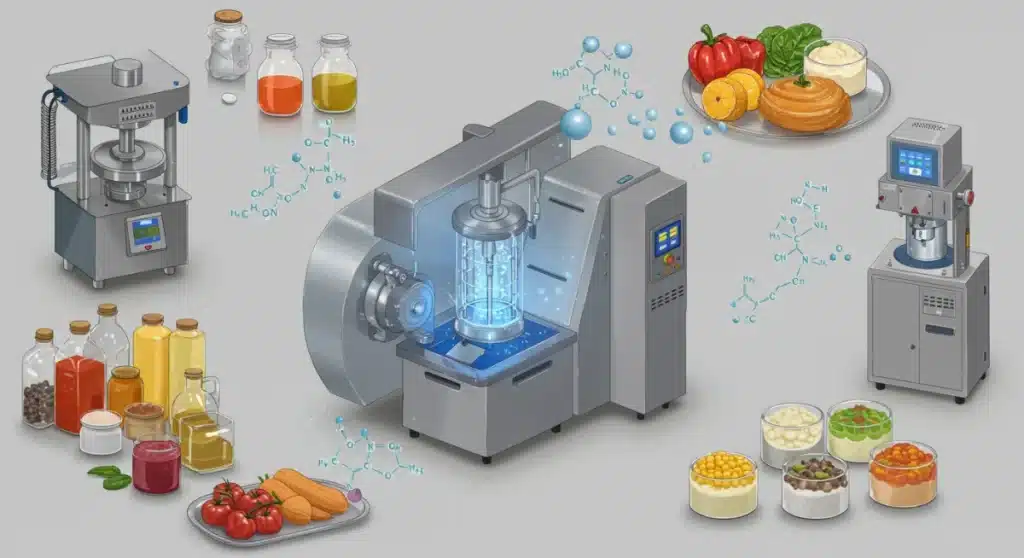
Advanced food processing techniques are profoundly reshaping the nutritional landscape for US consumers by 2026, directly influencing the bioavailability of essential nutrients and demanding a deeper understanding of their health implications.
The food industry is in constant evolution, driven by consumer demand for healthier, safer, and more convenient products. By 2026, the impact of novel food processing techniques on nutrient bioavailability: a 2026 analysis for US consumers has become a critical topic, influencing everything from the nutritional value of our daily bread to the efficacy of functional foods. This deep dive explores how these cutting-edge methods are reshaping our diets and what it means for your health.
Understanding Nutrient Bioavailability in Modern Foods
Nutrient bioavailability refers to the proportion of a nutrient that is absorbed from the diet and used for normal body functions. It’s not just about how much of a nutrient is in your food, but how much your body can actually use. Novel food processing techniques can significantly alter this, either enhancing or diminishing the nutritional punch of what we eat.
For US consumers, this understanding is more vital than ever as food manufacturers increasingly adopt innovative methods to extend shelf life, improve sensory qualities, and even fortify products. The challenge lies in balancing these benefits with maintaining or enhancing the inherent nutritional value.
The Bioavailability Equation
Several factors contribute to nutrient bioavailability, including the food matrix, interactions with other dietary components, and individual physiological differences. Modern processing aims to optimize these factors. For instance, some techniques might break down anti-nutrients that hinder absorption, while others could inadvertently damage delicate vitamins.
- Food Matrix: The structure of the food itself can encapsulate nutrients, making them less accessible for digestion and absorption.
- Synergistic Compounds: Certain compounds, like Vitamin C with iron, can significantly boost nutrient absorption.
- Antagonistic Compounds: Conversely, substances like phytates in grains can bind to minerals, reducing their bioavailability.
- Individual Factors: Age, gut health, and genetic predispositions play a crucial role in how well nutrients are utilized.
In conclusion, grasping the concept of nutrient bioavailability is the first step in appreciating the complex interplay between food processing and our health. It underscores the need for continuous research and transparent labeling to guide consumer choices effectively.
High-Pressure Processing (HPP) and its Nutritional Footprint
High-Pressure Processing (HPP) is a non-thermal food preservation method that uses high pressure to inactivate microorganisms and enzymes, extending shelf life while minimizing heat-induced degradation. This technique is gaining traction in the US, particularly for ready-to-eat meals, juices, and deli meats, due to its ability to retain fresh-like qualities.
From a nutritional standpoint, HPP is often lauded for its gentle approach. Unlike traditional thermal processing, which can destroy heat-sensitive vitamins and bioactive compounds, HPP typically preserves these delicate nutrients more effectively. This makes it a promising avenue for delivering more nutrient-dense processed foods to consumers.
Preservation of Vitamins and Phytonutrients
Studies have shown that HPP can lead to better retention of vitamins such as Vitamin C and B vitamins, as well as various phytonutrients and antioxidants, compared to pasteurization. This is particularly relevant for fruit juices and purees, where nutrient loss can be substantial with conventional methods.
The structural integrity of proteins and carbohydrates is also largely maintained, which can influence how these macronutrients are digested and absorbed. For example, HPP can denature certain proteins in a way that makes them more digestible, potentially improving amino acid bioavailability.
- Vitamin C Retention: Significantly higher in HPP juices compared to heat-treated alternatives.
- Antioxidant Activity: Often better preserved, contributing to the overall health benefits of the food.
- Protein Digestibility: HPP can sometimes improve the accessibility of amino acids by altering protein structures.
- Flavor and Texture: Retained more effectively, leading to higher consumer acceptance of nutrient-rich products.
In summary, HPP represents a significant leap forward in food processing, offering a method to extend shelf life and enhance food safety without severely compromising the nutritional integrity of products. For US consumers, this means access to processed foods that are closer to their fresh counterparts in terms of nutrient content.
Pulsed Electric Fields (PEF): A Gentle Approach to Nutrient Retention
Pulsed Electric Fields (PEF) processing is another non-thermal technology gaining prominence, especially in the US for liquid and semi-liquid foods like juices, milk, and eggs. PEF applies short bursts of high-voltage electricity to food, creating pores in cell membranes of microorganisms and enzymes, leading to their inactivation while preserving food quality.
The primary advantage of PEF over traditional thermal methods lies in its minimal impact on temperature, which is crucial for retaining heat-sensitive nutrients and sensory attributes. This gentle approach is a game-changer for producers aiming to offer foods with enhanced nutritional profiles and fresh-like characteristics.
Maintaining Bioactive Compounds
PEF has demonstrated excellent potential in preserving various bioactive compounds, including vitamins, antioxidants, and flavor compounds. For example, in fruit juices, PEF can significantly reduce microbial load while maintaining higher levels of Vitamin C and carotenoids compared to thermal pasteurization.
This preservation extends to delicate proteins and enzymes, which can be crucial for the functional properties and nutritional value of certain foods. The technology’s precise control allows for targeted inactivation of undesirable components without broad-spectrum degradation of beneficial ones.
- Vitamin Preservation: PEF helps maintain higher concentrations of essential vitamins like Vitamin C and B-complex.
- Antioxidant Stability: Polyphenols and other antioxidants are less prone to degradation, offering enhanced health benefits.
- Enzyme Activity: Selective inactivation of spoilage enzymes while preserving beneficial ones is possible.
- Sensory Quality: Minimal changes to taste, color, and aroma, which are often compromised by heat.
Overall, PEF technology presents a promising avenue for the food industry to deliver safer, higher-quality products to US consumers, with a particular emphasis on retaining the vital nutrients that contribute to a healthy diet. Its precision and non-thermal nature make it a valuable tool in the quest for improved food processing.
Encapsulation Technologies: Targeted Nutrient Delivery
Encapsulation is a novel food processing technique that involves packaging active ingredients within a protective matrix. This method is increasingly used in the US food industry to protect sensitive nutrients from degradation, control their release, and mask undesirable flavors. Think of it as a microscopic shield for vitamins, minerals, and probiotics.
The primary goal of encapsulation regarding nutrient bioavailability is to ensure that nutrients survive harsh processing conditions and the digestive tract, reaching their intended site of absorption in an active form. This is particularly important for highly reactive or fragile compounds that would otherwise degrade quickly.
Shielding for Enhanced Absorption
By encapsulating nutrients, manufacturers can overcome several bioavailability challenges. For instance, iron can cause oxidative reactions and off-flavors when added directly to foods, but encapsulation prevents this, making iron fortification more palatable and effective. Similarly, probiotics, which are highly sensitive to stomach acid, benefit immensely from encapsulation, ensuring their survival to the gut.
Different encapsulation materials and techniques are employed depending on the nutrient and desired release profile. These can range from spray drying and coacervation to electrospinning, each offering unique advantages in terms of protection and controlled release.
- Protection from Degradation: Encapsulation shields nutrients from light, oxygen, moisture, and extreme temperatures.
- Controlled Release: Nutrients can be designed to release at specific points in the digestive system, maximizing absorption.
- Flavor Masking: Bitter or metallic tastes of certain vitamins and minerals can be effectively hidden.
- Improved Stability: Increases the shelf life and potency of sensitive bioactive compounds in food products.
In conclusion, encapsulation technologies are revolutionizing how nutrients are delivered in processed foods, offering a sophisticated solution to enhance bioavailability and stability. For US consumers, this means more effective fortification and the potential for foods with genuinely higher nutritional impact.
3D Food Printing and Personalized Nutrition
3D food printing, while still in its nascent stages for widespread consumer adoption, holds immense promise for personalized nutrition and optimized nutrient bioavailability. This technology allows for the precise layering of edible materials to create complex food structures, opening doors to custom dietary solutions for US consumers by 2026 and beyond.
The ability to precisely control the composition and structure of food offers a unique opportunity to tailor nutrient delivery. Imagine a food product designed specifically for your individual dietary needs, where nutrient ratios are optimized for your metabolism and absorption capabilities.
Customizing Nutrient Profiles and Textures
One of the most exciting aspects of 3D food printing is the potential to create foods with specific nutrient profiles. For instance, individuals with specific deficiencies could receive foods augmented with precisely measured vitamins and minerals, presented in an appealing and digestible format. The texture of food can also be customized, which is critical for populations with dysphagia or other eating difficulties, ensuring they receive adequate nutrition.
Furthermore, 3D printing can combine different ingredients in novel ways, potentially creating synergistic effects that enhance nutrient absorption. The precise placement of ingredients could, for example, separate antagonistic compounds until digestion, or co-locate synergistic ones for maximum benefit.
- Tailored Nutrition: Foods designed with exact nutrient quantities to meet individual health requirements.
- Enhanced Digestibility: Customizable textures and structures that improve ease of consumption and nutrient release.
- Ingredient Synergy: Strategic placement of ingredients to maximize beneficial interactions for absorption.
- Reduced Waste: On-demand food production can minimize food waste by creating only what is needed.
Ultimately, 3D food printing represents a frontier in personalized nutrition, promising a future where food is not just sustenance but a highly customized delivery system for optimal health and nutrient bioavailability for every US consumer. This will require significant research and development but the potential is transformative.
Cold Plasma Technology: Surface Sterilization and Nutrient Impact
Cold plasma technology is an emerging non-thermal processing method used primarily for surface sterilization of foods, packaging materials, and processing equipment. In the US, its application is growing as a safe and environmentally friendly alternative to traditional chemical sanitizers and heat treatments, particularly for fresh produce and ready-to-eat items.
While its main role is microbial inactivation, the impact of cold plasma on nutrient bioavailability is an area of active research. The key advantage is its ability to sterilize surfaces without significantly raising the temperature of the food, thereby minimizing thermal degradation of heat-sensitive nutrients.
Minimal Nutrient Degradation
Compared to blanching or other thermal treatments, cold plasma often results in better retention of vitamins, antioxidants, and other bioactive compounds in the superficial layers of fruits and vegetables. This is crucial for maintaining the nutritional quality of minimally processed foods that consumers often perceive as healthier.
However, the effects can vary depending on the food matrix, plasma parameters, and exposure time. Researchers are working to optimize these conditions to ensure maximum microbial inactivation with minimal impact on nutrient content and overall food quality.
- Vitamin Retention: Often higher in cold plasma-treated produce compared to thermally processed alternatives.
- Antioxidant Activity: Generally well-preserved, contributing to the health benefits of fresh foods.
- Surface Sterilization: Effective inactivation of pathogens like E. coli and Salmonella without chemical residues.
- Extended Shelf Life: Reduces spoilage, allowing for longer availability of fresh, nutrient-rich produce.
In conclusion, cold plasma technology offers a promising solution for enhancing food safety and extending the shelf life of perishable items while striving to preserve their nutritional integrity. For US consumers, this means safer, fresher, and potentially more nutrient-dense food options on supermarket shelves as this technology becomes more prevalent.
Consumer Perspectives and Regulatory Landscape in 2026
By 2026, US consumers are increasingly discerning about the origins and processing of their food. There’s a growing demand for transparency, clean labels, and foods that not only taste good but also offer verifiable health benefits. The adoption of novel food processing techniques must align with these evolving consumer expectations to gain widespread acceptance.
The regulatory landscape is also adapting to these innovations. Agencies like the FDA are continually evaluating the safety and nutritional implications of new processing methods. This ensures that while industry advances, public health and consumer trust remain paramount. Clear guidelines and robust testing are essential for the responsible integration of these technologies.
Navigating Information and Misinformation
With the proliferation of information, and sometimes misinformation, consumers need reliable sources to understand the benefits and potential concerns of novel food processing. Educational initiatives from nutrition experts, food scientists, and regulatory bodies are crucial to empower consumers to make informed choices rather than relying on unfounded fears.
Manufacturers also bear a responsibility to clearly communicate how their products are processed and what nutritional advantages these methods offer. Simplified language on packaging and accessible online resources can bridge the knowledge gap and foster greater consumer confidence in technologically advanced foods.
- Demand for Transparency: Consumers want to know how their food is made and what impact it has on their health.
- Regulatory Oversight: Agencies ensure the safety and efficacy of novel processing techniques before market entry.
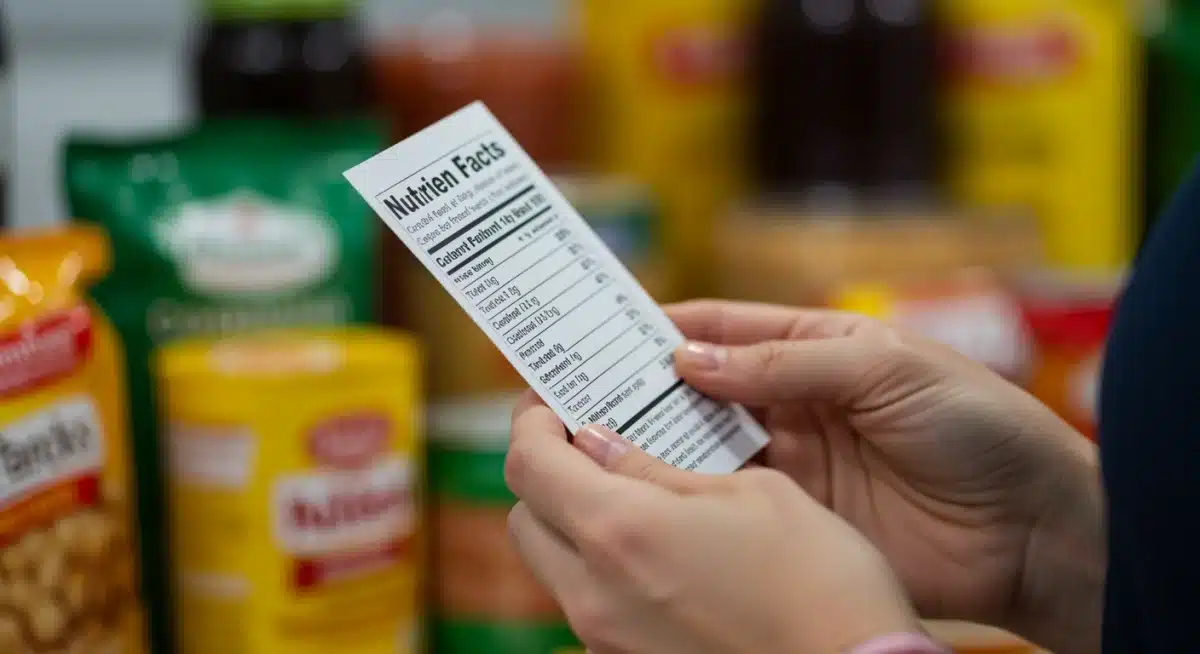
- Nutritional Labeling: Clear and concise labeling helps consumers understand the nutrient profile of processed foods.
- Education and Trust: Bridging the gap between scientific innovation and public understanding is key to acceptance.
Ultimately, the successful integration of novel food processing techniques into the US food supply by 2026 hinges on a collaborative effort between industry, regulators, and consumers. By fostering transparency, ensuring safety, and providing clear information, we can harness these innovations to create a healthier and more sustainable food system.
| Key Processing Technique | Bioavailability Impact |
|---|---|
| High-Pressure Processing (HPP) | Generally preserves heat-sensitive vitamins and bioactive compounds better than thermal methods. |
| Pulsed Electric Fields (PEF) | Minimizes thermal degradation, maintaining vitamins and antioxidants in liquid foods. |
| Encapsulation Technologies | Protects sensitive nutrients from degradation, controls release, and enhances absorption. |
| 3D Food Printing | Enables personalized nutrient profiles and customizable textures for targeted delivery and absorption. |
Frequently Asked Questions About Novel Food Processing
Novel food processing techniques are innovative methods that go beyond traditional heating or chemical treatments to preserve food, enhance safety, and improve nutritional quality. They often involve non-thermal approaches like HPP, PEF, and cold plasma, or advanced manufacturing like 3D printing, to maintain food integrity.
These techniques generally aim to either preserve nutrients better than traditional methods or actively enhance their absorption. For instance, non-thermal processes avoid heat-induced degradation, while encapsulation can protect sensitive vitamins until they are absorbed in the body, maximizing their beneficial effect.
Yes, foods processed with novel techniques undergo rigorous safety evaluations by regulatory bodies like the FDA in the US. These assessments ensure that the methods are safe and do not introduce harmful substances or significantly alter the food in a detrimental way, protecting public health.
In many cases, yes. By minimizing nutrient loss during processing, or by enabling targeted fortification and enhanced absorption through techniques like encapsulation, novel methods can result in products that are more nutritious than their traditionally processed counterparts, offering better health benefits to consumers.
Manufacturers are increasingly indicating novel processing methods on product labels, such as “High-Pressure Processed” or similar descriptions. Consumers should look for these callouts and also consult reliable sources like food science organizations or regulatory websites for more information on specific products and technologies.
Conclusion
The landscape of food processing is undergoing a profound transformation, with novel techniques redefining how we approach food safety, quality, and nutrition. For US consumers in 2026, understanding the impact of these innovations on nutrient bioavailability is paramount. From the gentle preservation offered by HPP and PEF to the targeted delivery of encapsulation and the futuristic promise of 3D food printing, these methods are not just changing food production; they are actively shaping our dietary future. As these technologies become more integrated into our food supply, a well-informed public, supported by transparent industry practices and robust regulatory oversight, will be crucial in harnessing their full potential for enhanced health and well-being.