Addressing Micronutrient Deficiencies: 5 Dietary Interventions for 2026

Effectively addressing micronutrient deficiencies in the US population by 2026 requires strategic dietary interventions focusing on nutrient-dense foods, fortification, and public education to improve overall health outcomes.
Addressing micronutrient deficiencies in the US population: 5 practical dietary interventions for 2026 is a critical public health objective, demanding a proactive approach to improve overall well-being and prevent long-term health complications across demographics. These interventions aim to empower individuals with knowledge and access to nutrient-rich options.
Understanding the Scope of Micronutrient Deficiencies in the US
Micronutrient deficiencies, often referred to as ‘hidden hunger,’ affect a significant portion of the US population, even amidst an abundance of food. These deficiencies can lead to a cascade of health issues, from impaired immune function and cognitive decline to chronic diseases. The challenge lies in the fact that many individuals consume sufficient calories but lack essential vitamins and minerals.
The prevalence of these deficiencies varies, with certain groups being more vulnerable due to socioeconomic factors, dietary patterns, and physiological needs. Identifying the most common deficiencies—such as vitamin D, iron, calcium, and potassium—is the first step toward developing targeted and effective interventions. Understanding the root causes, including reliance on processed foods and limited access to fresh produce, is crucial for sustainable change.
Common deficiencies and their impacts
- Vitamin D: Essential for bone health and immune function; widespread insufficiency due to limited sun exposure and dietary intake.
- Iron: Crucial for oxygen transport; deficiency leads to anemia, fatigue, and impaired cognitive development, particularly in women and children.
- Calcium: Vital for bone density and nerve function; insufficient intake contributes to osteoporosis risk.
- Potassium: Important for blood pressure regulation and muscle function; often low due to inadequate fruit and vegetable consumption.
The long-term health consequences of these deficiencies highlight the urgency of implementing effective strategies. Beyond individual health, there are significant public health costs associated with treating deficiency-related conditions. Therefore, a comprehensive understanding of the problem is foundational to crafting impactful solutions for 2026 and beyond.
Intervention 1: Promoting Nutrient-Dense Whole Foods Consumption
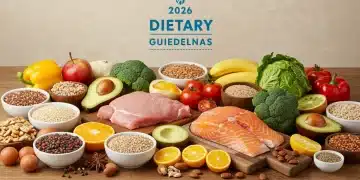
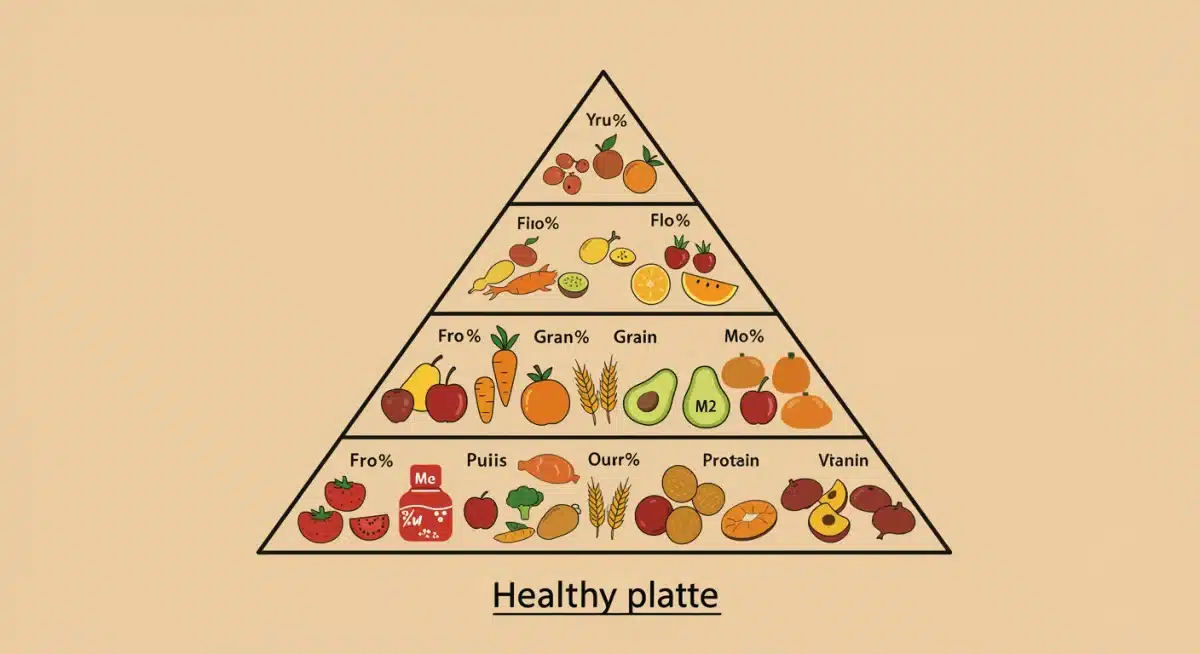
Encouraging the consumption of nutrient-dense whole foods is arguably the most fundamental and effective strategy for combating micronutrient deficiencies. This intervention focuses on shifting dietary patterns away from highly processed, calorie-rich but nutrient-poor options towards foods that naturally pack a powerful punch of vitamins, minerals, and fiber. Education plays a pivotal role here, helping individuals understand which foods offer the best nutritional value.
Public health campaigns can highlight the benefits of integrating more fruits, vegetables, whole grains, and lean proteins into daily meals. This isn’t just about telling people what to eat, but also providing practical guidance on meal preparation, budgeting for healthy foods, and making nutritious choices accessible. Farmers’ markets, community gardens, and school programs can be instrumental in this effort.
Strategies for increasing whole food intake
- Educational workshops: Teaching cooking skills and nutrition basics.
- Subsidies for fresh produce: Making healthy options more affordable for low-income families.
- School meal enhancements: Ensuring children have access to balanced, nutrient-rich meals.
The goal is to foster a food environment where nutrient-dense options are the easy and preferred choice. This requires a multi-faceted approach involving government policies, community initiatives, and individual dietary changes. By prioritizing whole foods, we can naturally increase the intake of a wide spectrum of essential micronutrients, fostering better health outcomes across the US population.
Intervention 2: Fortification of Staple Foods and Targeted Supplements
Food fortification has historically been a highly successful public health strategy for addressing widespread micronutrient deficiencies. This involves adding essential vitamins and minerals to commonly consumed staple foods, thereby reaching a broad segment of the population without requiring significant behavioral changes. Examples include iodized salt, vitamin D-fortified milk, and folic acid-fortified grain products.
For 2026, expanding and optimizing fortification programs will be crucial. This means identifying additional staple foods that can serve as effective vehicles for fortification and evaluating which micronutrients are most critical for broader supplementation. Careful consideration must be given to nutrient bioavailability and potential interactions.
Considerations for effective fortification
- Selecting appropriate food vehicles: Foods consumed regularly by the target population.
- Determining optimal nutrient levels: Balancing efficacy with safety and avoiding excessive intake.
- Ensuring quality control: Regular monitoring of fortified products to guarantee nutrient content.
Beyond broad fortification, targeted supplementation can address specific deficiencies in at-risk groups, such as pregnant women (folic acid, iron), infants (vitamin D), and the elderly (vitamin B12). These programs require robust screening and healthcare provider guidance to ensure appropriate and safe use. The combination of universal fortification and targeted supplementation offers a powerful two-pronged approach to significantly reduce micronutrient deficiencies.
Intervention 3: Enhancing Access to Affordable, Healthy Food Options
Access to healthy food remains a significant barrier for many Americans, particularly those residing in food deserts or experiencing socioeconomic disadvantages. This intervention focuses on systemic changes to ensure that affordable, nutritious food is readily available to all. Addressing this issue requires collaboration between government, community organizations, and the private sector.
Initiatives such as expanding SNAP benefits to include incentives for purchasing fresh produce, increasing the number of farmers’ markets in underserved areas, and supporting community-supported agriculture (CSA) programs can make a substantial difference. Furthermore, urban farming and local food systems can empower communities to produce their own healthy food, reducing reliance on distant and often more expensive supply chains.
Key strategies for improved access
- Food desert initiatives: Bringing grocery stores and healthy food retailers to underserved neighborhoods.
- SNAP incentives: Providing additional benefits for fruit and vegetable purchases.
- Community gardens and urban farms: Empowering local food production and education.
Overcoming economic and geographic barriers to healthy eating is fundamental to addressing micronutrient deficiencies comprehensively. When nutritious food is both accessible and affordable, individuals are far more likely to make choices that support their health. This intervention acknowledges that dietary choices are often dictated by environment and circumstance, not just personal preference.
Intervention 4: Implementing Comprehensive Nutrition Education Programs
Effective nutrition education is a cornerstone of any successful public health strategy aimed at improving dietary intake and reducing deficiencies. This intervention goes beyond simply listing good foods; it involves teaching practical skills, fostering critical thinking about food choices, and addressing common misconceptions. Programs should be tailored to different age groups and cultural backgrounds to maximize their impact.
From early childhood education in schools to adult learning initiatives in community centers, nutrition education can equip individuals with the knowledge to make informed decisions about their diet. This includes understanding food labels, recognizing marketing tactics, and learning how to prepare healthy meals on a budget. Digital platforms and social media can also be leveraged to disseminate accurate and engaging nutritional information.
Components of effective nutrition education
- Curriculum development: Age-appropriate lessons on balanced eating and micronutrient importance.
- Practical cooking classes: Hands-on experience preparing healthy meals.
- Media campaigns: Leveraging various platforms to promote healthy eating messages.
By investing in robust nutrition education, we can cultivate a more knowledgeable and empowered population capable of making healthier food choices independently. This intervention emphasizes prevention through knowledge, creating a foundation for sustained improvements in dietary quality and a reduction in micronutrient deficiencies over time.
Intervention 5: Leveraging Technology for Personalized Dietary Guidance
The advent of technology offers unprecedented opportunities to provide personalized dietary guidance, moving beyond one-size-fits-all recommendations. This intervention explores how digital tools, artificial intelligence, and mobile applications can be harnessed to help individuals identify their specific nutritional needs and track their micronutrient intake more effectively. Personalized approaches can significantly enhance adherence and effectiveness.
Wearable devices and health apps can monitor dietary patterns, suggest nutrient-rich food alternatives, and even connect users with registered dietitians for tailored advice. AI-powered platforms can analyze individual health data, lifestyle, and preferences to generate customized meal plans and shopping lists, making healthy eating more convenient and less overwhelming. Telehealth services can also extend the reach of nutrition counseling.
Technological applications in nutrition
- Dietary tracking apps: Monitoring food intake and identifying nutrient gaps.
- AI-driven meal planners: Generating personalized, balanced meal suggestions.
- Tele-nutrition counseling: Providing remote access to registered dietitians.
Leveraging technology allows for a dynamic and responsive approach to dietary interventions. It empowers individuals to take a more active role in managing their nutritional health by providing them with real-time feedback and actionable insights. This personalized strategy holds immense potential for precisely addressing micronutrient deficiencies in the US population by 2026 and adapting to evolving needs.
| Key Intervention | Brief Description |
|---|---|
| Promote Whole Foods | Encourage consumption of nutrient-dense fruits, vegetables, whole grains, and lean proteins. |
| Fortify Staple Foods | Add essential vitamins and minerals to commonly consumed foods like flour and milk. |
| Improve Food Access | Ensure affordable and nutritious food options are available in all communities, especially food deserts. |
| Personalized Guidance | Utilize technology for tailored dietary advice and tracking of micronutrient intake. |
Frequently Asked Questions About Micronutrient Deficiencies
The most common micronutrient deficiencies in the US include vitamin D, iron, calcium, and potassium. These often stem from insufficient intake of fruits, vegetables, and other nutrient-dense foods, alongside limited sun exposure for vitamin D production.
Symptoms vary widely depending on the specific deficiency. Common signs include fatigue, weakness, impaired immune function, and bone weakness. A blood test ordered by a healthcare professional is the most accurate way to diagnose a specific micronutrient deficiency.
While dietary changes are always the preferred first step, supplements can be necessary for certain deficiencies, especially when dietary intake is insufficient or absorption is compromised. It’s crucial to consult a doctor or dietitian before starting any supplement regimen.
Food fortification is a powerful public health tool that involves adding essential micronutrients to staple foods, like iodine to salt or vitamin D to milk. This helps to reduce widespread deficiencies across the population without requiring individual behavioral changes.
Technology can offer personalized dietary guidance through apps, AI, and telehealth. These tools can help individuals track their intake, identify nutritional gaps, suggest nutrient-rich foods, and connect them with nutrition professionals for tailored advice.
Conclusion
Addressing micronutrient deficiencies in the US population: 5 practical dietary interventions for 2026 represents a holistic and urgent call to action. By combining strategies that promote nutrient-dense whole foods, leverage fortification, enhance access to healthy options, implement comprehensive nutrition education, and harness technological advancements, we can collectively work towards a healthier future. The interconnectedness of these interventions underscores the need for a multi-sectoral approach, ensuring that every American has the opportunity to achieve optimal micronutrient status and, consequently, improved overall health and well-being. The path to 2026 offers a critical window to solidify these changes and build a resilient, nutritionally secure nation.