Mastering Macronutrient Timing: A 2026 Guide for Peak Energy and Muscle Synthesis

In the ever-evolving landscape of health and fitness, one concept consistently resurfaces as a cornerstone of optimal performance and body composition: macronutrient timing. Beyond simply hitting your daily calorie and macronutrient targets, the when and how you consume your carbohydrates, proteins, and fats can significantly impact your energy levels, muscle growth, recovery, and even fat loss. As we navigate 2026, the science behind macronutrient timing has become more refined, offering clearer guidelines for those seeking to unlock their full potential.
This comprehensive guide will delve into the intricacies of macronutrient timing, dissecting the latest research and providing actionable strategies to help you achieve peak energy and superior muscle synthesis. Whether you’re an elite athlete, a dedicated gym-goer, or simply someone looking to optimize their health, understanding and implementing proper macronutrient timing is a game-changer.
The Fundamentals of Macronutrients: A Quick Review
Before we dive into the timing aspect, let’s briefly revisit the three essential macronutrients and their primary roles:
-
Carbohydrates: The Energy Powerhouse
Carbohydrates are your body’s primary source of energy. They are broken down into glucose, which fuels your brain, muscles, and other organs. Complex carbohydrates (whole grains, vegetables, legumes) provide sustained energy and fiber, while simple carbohydrates (fruits, sugary drinks) offer quick energy boosts. In the context of macronutrient timing, understanding the type of carbohydrate is crucial for optimizing energy availability.
-
Proteins: The Building Blocks of Life
Proteins are vital for building and repairing tissues, producing enzymes and hormones, and supporting immune function. Composed of amino acids, proteins are indispensable for muscle growth and recovery. For effective macronutrient timing, the distribution and quality of protein intake throughout the day are key to maximizing muscle protein synthesis (MPS).
-
Fats: Essential for Health and Hormone Production
Dietary fats are crucial for hormone production, nutrient absorption (especially fat-soluble vitamins), and providing a concentrated source of energy. Healthy fats (avocado, nuts, seeds, olive oil) play a significant role in overall health and satiety. While less emphasized in acute performance macronutrient timing compared to carbs and protein, their consistent intake is fundamental.
Why Macronutrient Timing Matters: The Science Explained
The concept of macronutrient timing isn’t just a fad; it’s rooted in physiological responses to food intake, particularly around periods of physical activity. The body’s ability to utilize nutrients changes based on its metabolic state, which is heavily influenced by exercise. Here’s a breakdown of the key scientific principles:
The Anabolic Window: Fact or Fiction?
For years, the “anabolic window” – a supposed 30-60 minute post-workout period where nutrient uptake is maximized – was heavily emphasized. While the immediacy of this window has been debated and somewhat extended by modern research, the principle that consuming nutrients post-exercise is beneficial remains strong. The body is more receptive to nutrient uptake, particularly glucose and amino acids, after strenuous activity. This is due to increased insulin sensitivity and blood flow to muscles, which aids in glycogen replenishment and muscle repair. Therefore, strategic macronutrient timing post-workout is still highly recommended.
Glycogen Replenishment and Energy Levels
During exercise, your muscles deplete their glycogen stores. Consuming carbohydrates at appropriate times, especially post-workout, helps to quickly replenish these stores, ensuring you have adequate energy for subsequent training sessions and preventing fatigue. This is a critical aspect of macronutrient timing for sustained performance.
Muscle Protein Synthesis (MPS)
Resistance training stimulates muscle protein breakdown and muscle protein synthesis. To tip the balance towards growth, a consistent supply of amino acids from protein intake is essential. Spreading protein intake throughout the day, rather than consuming it all in one sitting, has been shown to optimize MPS and promote muscle growth and repair. This highlights the importance of consistent protein macronutrient timing.
Hormonal Response
Food intake triggers various hormonal responses. For example, carbohydrate consumption leads to insulin release, which helps shuttle glucose and amino acids into cells. Strategic macronutrient timing can leverage these hormonal shifts to optimize nutrient delivery and recovery.
Mastering Macronutrient Timing: Practical Strategies for 2026
Now that we understand the “why,” let’s explore the “how.” Effective macronutrient timing involves considering your overall daily intake and strategically placing your meals and snacks around your training schedule and daily activities.
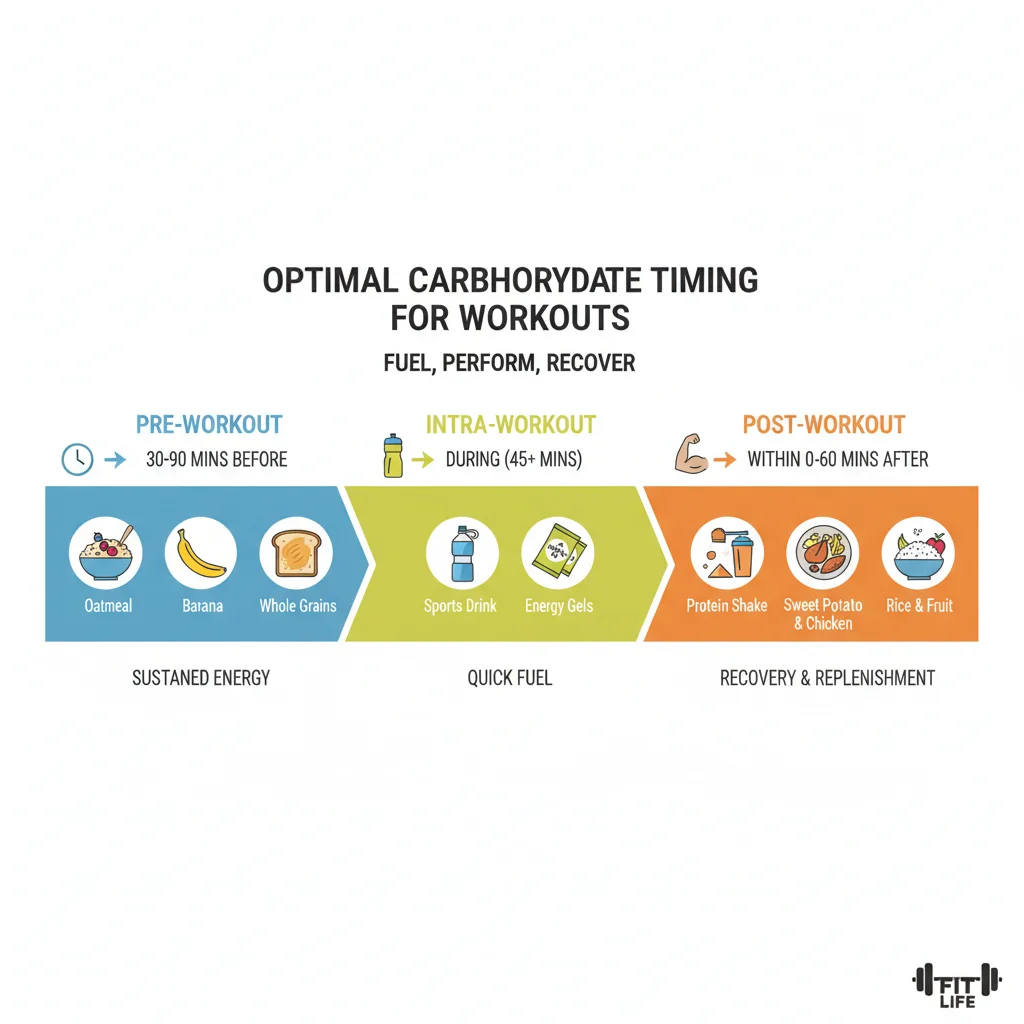
1. Pre-Workout Nutrition: Fueling for Performance
The goal of pre-workout macronutrient timing is to provide sustained energy, prevent fatigue, and minimize muscle breakdown during exercise.
-
Carbohydrates (2-3 hours before):
Consume complex carbohydrates (oatmeal, whole-wheat toast, brown rice) 2-3 hours before your workout. This allows for proper digestion and a steady release of glucose into the bloodstream, providing sustained energy. For those with less time, a smaller portion of easily digestible carbs (banana, fruit juice) 30-60 minutes prior can be effective.
-
Protein (2-3 hours before):
Include a moderate amount of protein (chicken breast, Greek yogurt, protein shake) with your pre-workout meal. This provides amino acids to reduce muscle breakdown during exercise and primes the body for post-workout recovery. Aim for 20-30 grams of protein.
-
Fats:
Keep fat intake relatively low pre-workout, especially if you have limited digestion time. Fats slow down digestion, which can lead to gastrointestinal discomfort during exercise. If consumed, opt for healthy fats in small amounts.
2. Intra-Workout Nutrition: Sustaining Effort (for Longer Sessions)
For most general fitness enthusiasts, intra-workout nutrition isn’t strictly necessary. However, for endurance athletes, those engaging in prolonged training (90+ minutes), or individuals with high training volumes, intra-workout macronutrient timing can be highly beneficial.
-
Carbohydrates:
Fast-acting carbohydrates (glucose, maltodextrin, sports drinks) are ideal during long or intense sessions. Aim for 30-60 grams of carbohydrates per hour of exercise to maintain blood glucose levels and spare muscle glycogen. This is where macronutrient timing truly shines for endurance.
-
Protein (optional):
Some athletes may benefit from a small amount of branched-chain amino acids (BCAAs) or a small dose of protein (5-10g) during prolonged exercise to further reduce muscle breakdown, though this is often secondary to carbohydrate intake.
3. Post-Workout Nutrition: The Recovery Catalyst
This is arguably the most critical period for macronutrient timing. The goal is to replenish glycogen stores, repair muscle damage, and stimulate muscle protein synthesis.
-
Carbohydrates (within 30-60 minutes post-workout):
Consume fast-digesting carbohydrates (fruits, white rice, sports drinks, dextrose) to quickly replenish muscle glycogen. Aim for 0.8-1.2 grams of carbohydrates per kilogram of body weight. The faster the replenishment, the quicker your recovery for the next session. This accelerated glycogen synthesis is a hallmark benefit of precise macronutrient timing.
-
Protein (within 30-60 minutes post-workout):
Pair your post-workout carbohydrates with a high-quality protein source (whey protein, lean meat, eggs). Aim for 20-40 grams of protein to maximize muscle protein synthesis. The combination of carbs and protein creates a synergistic effect, enhancing recovery and growth.
-
Fats:
Similar to pre-workout, keep fat intake relatively low immediately post-workout to avoid slowing down the absorption of carbs and protein. However, don’t fear healthy fats in your later post-workout meals.
4. Throughout the Day: Consistent Macronutrient Distribution
While peri-workout nutrition is crucial, your overall daily macronutrient timing strategy is equally important. Consistent nutrient intake supports sustained energy, satiety, and continuous muscle repair.
-
Protein Spacing:
Aim to consume 20-40 grams of protein every 3-4 hours throughout the day. This consistent supply of amino acids helps maintain elevated muscle protein synthesis rates, optimizing muscle growth and preservation. This is a cornerstone of effective macronutrient timing.
-
Balanced Meals:
Ensure each main meal contains a balance of complex carbohydrates, lean protein, and healthy fats. This promotes satiety, stabilizes blood sugar, and provides a steady stream of nutrients. Don’t neglect the role of fiber-rich carbohydrates and healthy fats in your overall macronutrient timing plan.
-
Evening Nutrition and Sleep:
A slow-digesting protein source (like casein protein or cottage cheese) before bed can provide a sustained release of amino acids during sleep, supporting overnight muscle recovery. This is a subtle yet effective aspect of macronutrient timing that often gets overlooked.
Advanced Macronutrient Timing Strategies for Specific Goals
While the general principles apply to most, specific goals might warrant more nuanced macronutrient timing approaches.
For Muscle Gain (Bulking)
When aiming for muscle hypertrophy, your total calorie and macronutrient intake will be higher. Macronutrient timing becomes about maximizing nutrient delivery to fuel intense workouts and support continuous muscle repair and growth.
-
Increased Carbohydrates:
Prioritize ample complex and simple carbohydrates around workouts to fuel performance and replenish glycogen. Don’t shy away from higher carbohydrate intake throughout the day to support energy demands and caloric surplus.
-
Consistent Protein:
Maintain consistent protein distribution every 3-4 hours, ensuring a steady supply of amino acids for muscle protein synthesis. Consider slightly higher protein targets (e.g., 1.6-2.2g per kg body weight).
-
Strategic Fats:
Incorporate healthy fats in your non-peri-workout meals to help meet your caloric surplus without causing digestive issues around training.
For Fat Loss (Cutting)
During a calorie deficit, the goal of macronutrient timing shifts towards preserving muscle mass while promoting fat loss. Energy levels can be lower, so smart timing is crucial.
-
Prioritize Protein:
Increase protein intake (e.g., 2.0-2.5g per kg body weight) and distribute it evenly throughout the day. This helps preserve muscle mass in a deficit and promotes satiety.
-
Carbohydrate Cycling (Optional):
Some individuals find success with carbohydrate cycling – consuming higher carbs on training days (especially around workouts) and lower carbs on rest days. This strategic macronutrient timing can help maintain energy for workouts while promoting fat oxidation on rest days.
-
Healthy Fats:
Ensure adequate intake of healthy fats to support hormone function and satiety, even in a deficit. Distribute them strategically in meals not directly pre- or post-workout.
For Endurance Athletes
Endurance athletes have unique demands, primarily focused on sustained energy and rapid recovery. Macronutrient timing is paramount here.
-
High Carbohydrate Intake:
Overall carbohydrate intake will be significantly higher. Focus on complex carbs in daily meals and simple, fast-acting carbs before and during long training sessions or races.
-
Pre- and Intra-Workout Carbs:
These are critical. Pre-load with carbs hours before, and consume 30-90+ grams of carbohydrates per hour during exercise, depending on duration and intensity.
-
Post-Workout Carbs + Protein:
Rapid replenishment of glycogen with a carb-to-protein ratio of 3:1 or 4:1 is crucial for multi-day events or frequent training.

Common Mistakes in Macronutrient Timing
Even with good intentions, mistakes can happen. Here are some common pitfalls to avoid:
-
Ignoring Total Daily Intake:
No amount of perfect macronutrient timing can compensate for an inadequate or excessive total daily calorie and macronutrient intake. Always establish your baseline needs first.
-
Overemphasis on the “Anabolic Window”:
While post-workout nutrition is important, stressing over hitting a 30-minute window can cause unnecessary anxiety. The window is broader than once thought, and consistency is more important than perfection in macronutrient timing.
-
Neglecting Pre-Workout Nutrition:
Skipping pre-workout meals can lead to depleted energy stores, poor performance, and increased muscle breakdown during training. Proper fueling sets the stage for success.
-
Inconsistent Protein Intake:
Consuming all your protein in one or two large meals is less effective for muscle protein synthesis than spreading it out throughout the day. Remember, consistent protein macronutrient timing is key.
-
Too Much Fat Around Workouts:
High fat intake before or immediately after workouts can slow down digestion and nutrient absorption, potentially hindering performance and recovery.
-
Not Adapting to Individual Needs:
Everyone is different. What works for one person may not work for another. Experiment and listen to your body’s response to different macronutrient timing strategies.
The Future of Macronutrient Timing: What to Expect in 2026 and Beyond
As technology and research advance, our understanding of macronutrient timing continues to evolve. Here’s a glimpse into the future:
-
Personalized Nutrition:
Wearable tech and AI will play an increasing role in providing real-time personalized macronutrient timing recommendations based on individual physiology, activity levels, and even genetic predispositions.
-
Gut Microbiome Influence:
Emerging research is exploring how the gut microbiome influences nutrient absorption and utilization, which could lead to novel macronutrient timing strategies focusing on gut health.
-
Advanced Supplementation:
New forms of specialized carbohydrates, proteins, and amino acids designed for even faster absorption and targeted delivery will likely become more prevalent, further refining acute macronutrient timing.
-
Integration with Sleep and Stress Management:
A more holistic view of performance will integrate macronutrient timing with sleep quality, stress levels, and recovery protocols, recognizing their interconnectedness.
Conclusion: Make Macronutrient Timing Your Ally
Mastering macronutrient timing is not about rigid adherence to a complex schedule, but rather about understanding your body’s needs and strategically fueling it to achieve your fitness and health goals. In 2026, the principles remain clear: prioritize quality nutrition, especially around your workouts, and distribute your protein intake consistently throughout the day.
By implementing the strategies outlined in this guide, you can expect enhanced energy levels, improved athletic performance, faster recovery, and optimized muscle growth. Remember, consistency and listening to your body are paramount. Start by making small, sustainable changes to your macronutrient timing, observe the results, and adjust as needed. Your body is a finely tuned machine; provide it with the right fuel at the right time, and watch it perform at its peak.
Embrace the power of macronutrient timing and take control of your nutritional journey towards a stronger, healthier, and more energetic you.