Gut Microbiome and Athletic Recovery: 2026 US Athlete Strategies
Understanding the Role of the Gut Microbiome in Athletic Recovery: Insider Strategies for US Athletes in 2026
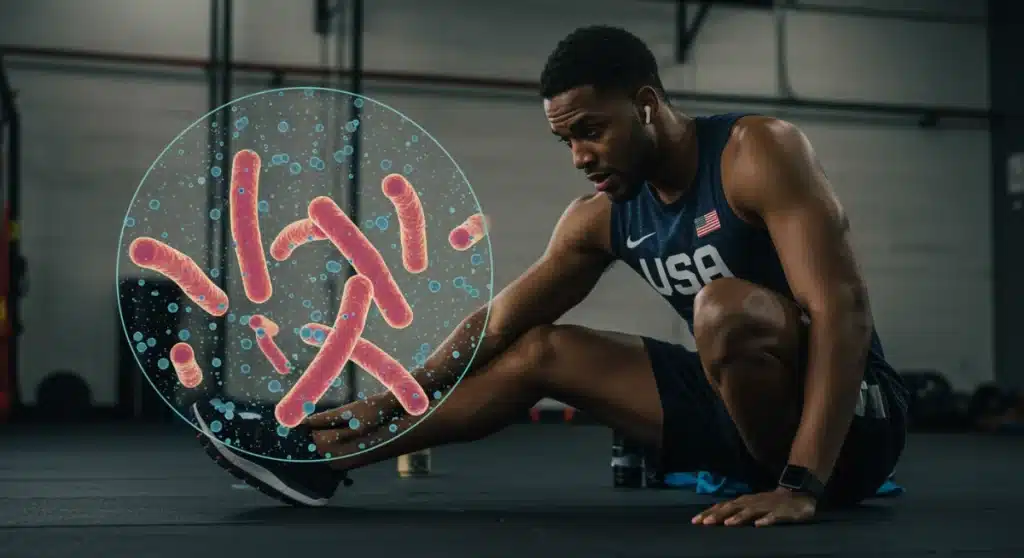
As the world gears up for the athletic challenges of 2026, US athletes are constantly seeking an edge, a competitive advantage that goes beyond conventional training and nutrition. The spotlight is increasingly turning inward, specifically to the intricate world within our bodies: the gut microbiome. This complex ecosystem of trillions of microorganisms residing in our digestive tract is now recognized as a critical player in overall health, and more specifically, in the nuanced process of athletic recovery. For elite athletes, optimizing the gut microbiome recovery pathway isn’t just a trend; it’s a fundamental strategy for enhanced performance, reduced injury risk, and sustained career longevity.
The journey to peak athletic condition is fraught with intense training, demanding competition, and the constant need for efficient recovery. Traditional recovery methods, such as adequate sleep, proper hydration, and targeted macronutrient intake, are foundational. However, cutting-edge sports science is revealing that the gut microbiome acts as a silent orchestrator, influencing everything from nutrient absorption and immune function to inflammation and even mental resilience. Understanding and strategically manipulating this internal universe can unlock unprecedented levels of recuperation and performance for US athletes aiming for success in 2026 and beyond.
The Gut Microbiome: A Hidden Performance Lever for Athletes
The human gut is home to a vast and diverse community of bacteria, fungi, viruses, and other microbes, collectively known as the gut microbiome. Far from being passive inhabitants, these microorganisms play active roles in numerous physiological processes essential for athletic prowess. They ferment undigested carbohydrates, producing short-chain fatty acids (SCFAs) like butyrate, propionate, and acetate, which serve as crucial energy sources for colon cells and possess potent anti-inflammatory properties. They synthesize essential vitamins, modulate immune responses, and even influence neurotransmitter production, impacting mood and cognitive function.
For athletes, the demands of training and competition place unique stresses on the body, including the gut. Intense exercise can lead to increased gut permeability, often referred to as ‘leaky gut,’ which allows toxins and inflammatory compounds to enter the bloodstream, potentially hindering recovery and increasing susceptibility to illness. A balanced and diverse gut microbiome acts as a robust barrier, maintaining gut integrity and preventing these adverse effects. Furthermore, a healthy gut is instrumental in efficiently extracting nutrients from food, ensuring that athletes receive the maximum benefit from their meticulously planned diets.
The composition of an athlete’s gut microbiome is not static; it’s influenced by a myriad of factors, including diet, lifestyle, antibiotic use, stress, and even geographical location. This dynamic nature presents both a challenge and an opportunity. By understanding these influences, US athletes can adopt targeted interventions to cultivate a microbiome that supports optimal gut microbiome recovery, reduces systemic inflammation, and enhances overall resilience against the physical and mental tolls of elite sport.
Inflammation and Oxidative Stress: The Gut’s Role in Recovery
One of the primary challenges in athletic recovery is managing exercise-induced inflammation and oxidative stress. While acute inflammation is a necessary part of the adaptation process, chronic or excessive inflammation can impede recovery, lead to muscle damage, and increase the risk of overtraining syndrome. The gut microbiome plays a pivotal role in modulating systemic inflammation.
Beneficial gut bacteria produce anti-inflammatory compounds and strengthen the gut barrier, reducing the entry of pro-inflammatory bacterial components (like lipopolysaccharides or LPS) into the circulation. Conversely, an imbalanced microbiome, characterized by a reduction in beneficial species and an increase in pathogenic ones (dysbiosis), can perpetuate a state of low-grade systemic inflammation. This chronic inflammatory state can significantly prolong muscle soreness, delay tissue repair, and impair overall recovery, directly impacting an athlete’s ability to perform consistently at their peak.
Oxidative stress, another consequence of intense exercise, involves an imbalance between free radical production and the body’s antioxidant defenses. While the body produces its own antioxidants, certain gut bacteria can also contribute to antioxidant production or help neutralize reactive oxygen species. A healthy gut microbiome recovery strategy therefore includes fostering a microbial community that actively combats both inflammation and oxidative stress, paving the way for faster and more complete recuperation.
Dietary Interventions: Fueling a Resilient Gut for 2026
The most powerful tool at an athlete’s disposal for shaping their gut microbiome is diet. What goes into the body directly impacts the composition and function of the microbial community within. For US athletes targeting success in 2026, a strategic dietary approach focused on gut health is paramount.
Prebiotics: Feeding the Good Bacteria
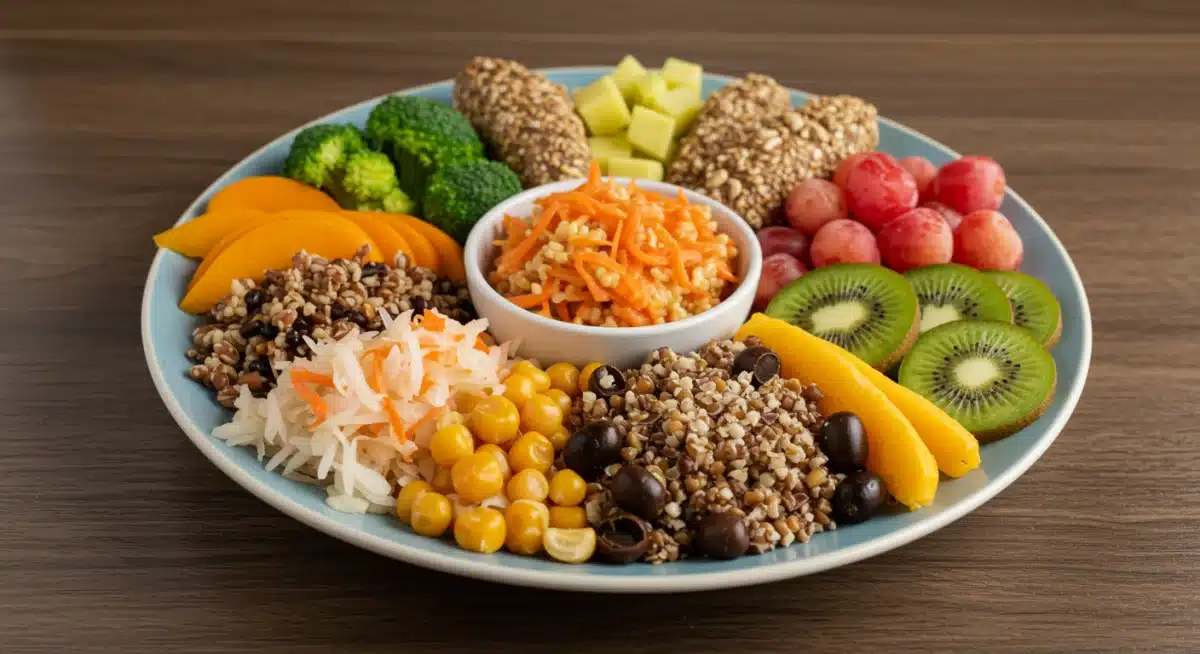
Prebiotics are non-digestible fibers that selectively stimulate the growth and activity of beneficial bacteria in the gut. Found in a wide array of plant-based foods, prebiotics are the fuel for a healthy microbiome. Key sources include:
- Fruits: Bananas, apples, berries, citrus fruits.
- Vegetables: Garlic, onions, leeks, asparagus, artichokes, chicory root.
- Whole Grains: Oats, barley, wheat bran, rye.
- Legumes: Beans, lentils, chickpeas.
Incorporating a diverse range of these foods ensures that various beneficial bacterial strains are nourished, leading to a more robust and resilient gut ecosystem. This directly supports gut microbiome recovery by enhancing SCFA production and strengthening the gut barrier.
Probiotics: Introducing Beneficial Microbes
Probiotics are live microorganisms that, when administered in adequate amounts, confer a health benefit on the host. While diet is the primary driver, strategic supplementation with probiotics can be beneficial, especially during periods of high stress, travel, or antibiotic use. Probiotic-rich foods include:
- Fermented Dairy: Yogurt, kefir.
- Fermented Vegetables: Sauerkraut, kimchi, pickles (naturally fermented).
- Fermented Beverages: Kombucha, kvass.
When considering probiotic supplements, athletes should look for multi-strain products with clinically proven benefits for sports performance and recovery, and ideally consult with a sports dietitian or physician to tailor the choice to individual needs.
Polyphenols and Omega-3 Fatty Acids
Beyond prebiotics and probiotics, other dietary components significantly influence gut health. Polyphenols, found in colorful fruits, vegetables, green tea, cocoa, and red wine, act as antioxidants and can also be metabolized by gut bacteria into beneficial compounds. Omega-3 fatty acids, particularly EPA and DHA found in fatty fish, flaxseeds, and walnuts, are renowned for their anti-inflammatory properties and can positively modulate the gut microbiome composition. A diet rich in these compounds supports a less inflammatory gut environment, directly contributing to efficient gut microbiome recovery.
Lifestyle Factors and Their Impact on Gut Microbiome Recovery
Diet is crucial, but it’s not the only factor. Several lifestyle elements profoundly influence the gut microbiome, and athletes must address these holistically to maximize recovery potential.
Stress Management
Elite athletes operate under immense pressure, and chronic psychological stress can have a detrimental impact on gut health. The gut-brain axis, a bidirectional communication system between the central nervous system and the enteric nervous system, means that stress can alter gut motility, increase permeability, and shift microbial composition towards less beneficial species. Implementing stress-reduction techniques such as mindfulness, meditation, yoga, and adequate downtime is not just for mental well-being; it’s a vital component of supporting gut microbiome recovery.
Sleep Quality
Sleep is non-negotiable for athletic recovery, and its influence extends to the gut microbiome. Poor sleep patterns or insufficient sleep can disrupt the circadian rhythm of gut bacteria, leading to dysbiosis and increased inflammation. Prioritizing 7-9 hours of high-quality sleep per night is essential for both physical repair and maintaining a healthy gut ecosystem. Athletes should establish consistent sleep schedules and optimize their sleep environment to ensure restorative rest.
Hydration
Adequate hydration is fundamental for overall health and also plays a role in maintaining gut integrity and function. Water helps in the movement of food through the digestive tract and supports the health of the gut lining. Dehydration can exacerbate gut issues and hinder the optimal functioning of the microbiome, thereby impeding recovery processes. Athletes must maintain consistent hydration levels throughout the day, not just during training.
Judicious Use of Medications
Antibiotics, while life-saving, can significantly disrupt the gut microbiome by indiscriminately killing both harmful and beneficial bacteria. While sometimes necessary, athletes should work with their medical team to ensure antibiotics are used only when truly indicated. When antibiotic use is unavoidable, strategic probiotic supplementation (taken at a different time of day than the antibiotic) and a focus on prebiotic-rich foods can help mitigate the damage and accelerate the restoration of a healthy microbial balance, supporting gut microbiome recovery.
Advanced Strategies and Future Directions for US Athletes
Beyond general dietary and lifestyle recommendations, the field of gut microbiome research is rapidly evolving, offering more personalized and advanced strategies for athletes.
Personalized Nutrition and Microbiome Testing
The concept of a ‘one-size-fits-all’ diet is increasingly being challenged. Each individual’s gut microbiome is unique, influenced by genetics, early life exposures, and long-term dietary habits. Advanced microbiome testing, though still evolving, can provide insights into an athlete’s specific microbial composition, identifying imbalances or deficiencies. This information can then be used to tailor personalized dietary and supplement strategies, optimizing the impact on gut microbiome recovery.
For example, if testing reveals a lack of butyrate-producing bacteria, an athlete might focus on increasing resistant starch and fiber intake. If specific inflammatory markers are high, targeted probiotic strains or anti-inflammatory foods could be emphasized. As these technologies become more accessible and refined, they will offer a powerful tool for precision nutrition in sports.
Fecal Microbiota Transplantation (FMT) and Next-Generation Probiotics
While still primarily a clinical treatment for severe conditions like Clostridioides difficile infection, research into Fecal Microbiota Transplantation (FMT) for athletic performance and recovery is ongoing. The idea is to transfer a healthy microbial community from a donor to a recipient. However, this is highly experimental in sports and not currently recommended outside of clinical trials.
More promising for athletes are next-generation probiotics. These are specific bacterial strains, often isolated from elite athletes, that have demonstrated particular benefits, such as enhancing lactate clearance, improving oxygen utilization, or reducing exercise-induced gut damage. As research progresses, these targeted probiotic interventions could become a standard part of an athlete’s recovery toolkit for 2026.
The Gut-Brain-Muscle Axis: A Holistic View of Recovery
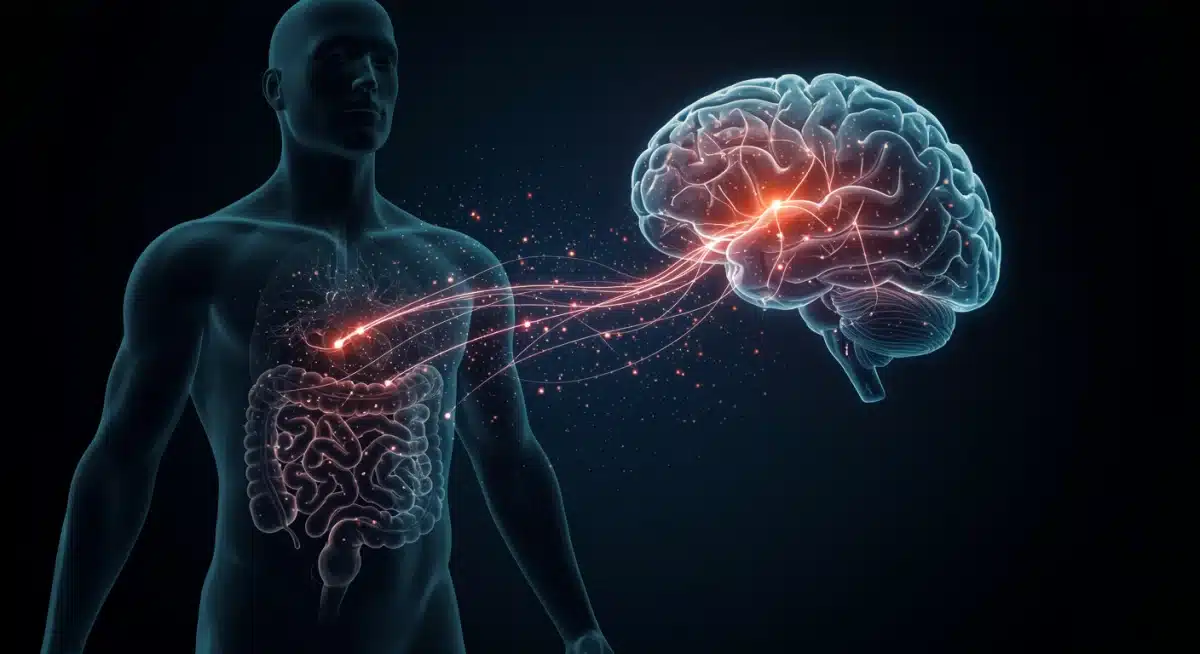
The impact of the gut microbiome extends beyond physical recovery, influencing the crucial gut-brain axis. This bidirectional communication system means that a healthy gut can positively affect cognitive function, mood, and mental resilience, all vital components of athletic performance. Athletes often face psychological stresses, and a well-functioning gut can help mitigate these, reducing anxiety and improving focus.
Furthermore, emerging research suggests a ‘gut-muscle axis,’ where the metabolites produced by gut bacteria can directly influence muscle function, energy metabolism, and even the repair process. For instance, specific SCFAs can improve mitochondrial function in muscle cells, enhancing energy production and reducing fatigue. This interconnectedness underscores the holistic nature of gut microbiome recovery; it’s not just about repairing muscles, but about optimizing the entire physiological system.
Practical Implementation for US Athletes in 2026
For US athletes looking to leverage the power of their gut microbiome for superior recovery in 2026, here’s a practical roadmap:
- Prioritize Dietary Diversity: Aim for a wide variety of plant-based foods, emphasizing different types of fruits, vegetables, whole grains, nuts, and seeds. This provides a diverse range of prebiotics to feed a broad spectrum of beneficial bacteria.
- Integrate Fermented Foods: Regularly include foods like yogurt, kefir, sauerkraut, and kimchi in your diet to introduce beneficial microbial strains.
- Stay Hydrated: Consistent water intake is crucial for gut function and overall health.
- Manage Stress Effectively: Implement daily stress-reduction practices. This could be meditation, deep breathing exercises, spending time in nature, or engaging in hobbies.
- Optimize Sleep: Ensure consistent, high-quality sleep to support both physical and microbial circadian rhythms.
- Consider Smart Supplementation: After consulting with a sports nutritionist or physician, consider targeted probiotic and prebiotic supplements, especially during periods of intense training, travel, or digestive distress.
- Minimize Unnecessary Antibiotic Use: Work closely with your medical team to ensure antibiotics are used only when essential.
- Monitor and Adjust: Pay attention to your body’s signals. Track digestive comfort, energy levels, and recovery rates. If possible, consider working with a specialist who can guide you through microbiome testing and personalized interventions.
The competitive landscape of 2026 will demand athletes who are not only physically strong but also resilient and optimally recovered. By understanding and actively nurturing their gut microbiome, US athletes can unlock a powerful, internal advantage. This involves a commitment to a holistic approach that integrates mindful nutrition, strategic lifestyle choices, and an openness to emerging scientific insights. The future of athletic recovery is intrinsically linked to the health of our inner ecosystem, making gut microbiome recovery a cornerstone strategy for success.
Conclusion: The Future is Gut-Centric for Elite Athletes
The paradigm of athletic recovery is undeniably shifting, with the gut microbiome emerging as a central figure in this evolution. For US athletes eyeing the pinnacle of performance in 2026, ignoring the profound influence of their gut health is no longer an option. From modulating inflammation and enhancing nutrient assimilation to bolstering immune function and supporting mental fortitude, a thriving gut microbiome acts as a comprehensive recovery engine.
The strategies outlined—a diverse, plant-rich diet, strategic inclusion of fermented foods, meticulous stress management, optimal sleep, and informed supplementation—are not merely add-ons but fundamental pillars of a modern, evidence-based training regimen. As research continues to unravel the intricate connections between our microbial inhabitants and athletic prowess, the ability to precisely tailor interventions based on individual microbiome profiles will become increasingly sophisticated.
Ultimately, the journey to becoming a top-tier athlete in 2026 requires a deep understanding and respect for the body’s internal workings. By prioritizing gut microbiome recovery, US athletes can ensure they are not just physically prepared, but internally optimized to meet and exceed the demands of elite competition, paving the way for sustained success and unparalleled achievements. The future of athletic excellence is, without a doubt, gut-centric.