Unlock Maximum Bioavailability: Boost Plant-Based Protein Absorption in 2026
Unlocking Bioavailability: Maximizing Nutrient Absorption from Plant-Based Proteins in 2026
In an increasingly health-conscious world, the shift towards plant-based diets continues to gain momentum. Whether driven by ethical considerations, environmental concerns, or personal health objectives, millions are embracing the power of plants. However, a common question often arises: how do we ensure we’re getting enough, and more importantly, absorbing enough, protein from plant sources? The answer lies in understanding and optimizing plant protein absorption.
Many perceive plant proteins as inherently less bioavailable than their animal counterparts. While there are indeed differences in amino acid profiles and the presence of certain anti-nutrients, this doesn’t mean plant-based diets are deficient. With the right knowledge and strategies, you can significantly enhance the bioavailability of plant proteins, ensuring your body effectively utilizes every nutrient. This comprehensive guide will delve deep into the science and practical applications of maximizing plant protein absorption in 2026 and beyond.
The Bioavailability Equation: What Affects Plant Protein Absorption?
Before we dive into optimization strategies, it’s crucial to understand the factors that influence plant protein absorption. Bioavailability refers to the proportion of a nutrient that, once ingested, is absorbed and utilized by the body. For plant proteins, several elements come into play:
1. Amino Acid Profile and Completeness
Proteins are made up of amino acids, nine of which are considered ‘essential’ because the body cannot produce them and must obtain them from food. Animal proteins are often called ‘complete’ because they contain all nine essential amino acids in sufficient quantities. Many individual plant proteins, however, are ‘incomplete,’ meaning they may be lower in one or more essential amino acids (e.g., legumes are often low in methionine, while grains are low in lysine).
The good news? You don’t need to consume all essential amino acids in a single meal. Your body maintains an ‘amino acid pool’ over the course of a day. By consuming a variety of plant proteins throughout your day, you can easily meet your needs. This concept is often referred to as ‘protein complementarity,’ and it’s a cornerstone of effective plant protein absorption.
2. Presence of Anti-Nutrients
Plants contain compounds known as ‘anti-nutrients,’ which can sometimes interfere with nutrient absorption. For proteins, the main culprits include:
- Phytates (Phytic Acid): Found in whole grains, legumes, nuts, and seeds, phytates can bind to minerals (like iron, zinc, and calcium) and proteins, reducing their absorption.
- Tannins: Present in legumes, tea, and some fruits, tannins can also form complexes with proteins, making them less digestible.
- Protease Inhibitors: These compounds, found in legumes and grains, can interfere with the activity of digestive enzymes (proteases) that break down proteins.
- Lectins: While many lectins are destroyed by cooking, raw or improperly prepared legumes can contain lectins that bind to the gut lining, potentially impairing nutrient absorption.
While these sound concerning, it’s important to note that many traditional food preparation methods effectively mitigate the effects of anti-nutrients, thereby enhancing plant protein absorption. We’ll explore these methods shortly.
3. Fiber Content
Plant-based foods are inherently rich in fiber, which is fantastic for digestive health, satiety, and blood sugar regulation. However, very high fiber intake can, in some cases, slightly reduce the digestibility of proteins by speeding up transit time or binding to some nutrients. This effect is generally minor and outweighed by the numerous benefits of fiber, but it’s a factor to consider in the overall picture of plant protein absorption.
4. Digestive Health and Gut Microbiome
Your digestive system plays a critical role in breaking down proteins into amino acids for absorption. A healthy gut lining and a balanced microbiome are essential. Inflammation, dysbiosis (an imbalance of gut bacteria), or conditions like irritable bowel syndrome (IBS) can impair the efficiency of nutrient absorption, including that of plant proteins.
Strategic Approaches to Boost Plant Protein Absorption
Now that we understand the influencing factors, let’s explore actionable strategies to maximize plant protein absorption. These methods are rooted in traditional culinary practices and modern nutritional science.
1. Soaking, Sprouting, and Fermenting: Ancient Wisdom for Modern Nutrition
These age-old techniques are powerful tools for neutralizing anti-nutrients and making plant proteins more digestible:
- Soaking: Soaking legumes and grains overnight (and discarding the water) significantly reduces phytate and lectin content. This simple step can dramatically improve plant protein absorption.
- Sprouting: Sprouting involves germinating seeds, grains, and legumes. This process activates enzymes that break down anti-nutrients like phytates and protease inhibitors, while also increasing the content of certain vitamins and amino acids. Sprouted lentils, chickpeas, and quinoa are excellent examples.
- Fermenting: Fermentation, used to make foods like tempeh, miso, and sourdough bread, employs microorganisms to predigest anti-nutrients and complex carbohydrates. This not only enhances flavor but also boosts the bioavailability of proteins and other nutrients. Fermented soy products, for instance, offer superior protein digestibility compared to unfermented soy.
2. The Power of Combination: Protein Complementarity
As mentioned, combining different plant protein sources throughout the day ensures you get all essential amino acids. While not strictly necessary in every meal, consciously pairing complementary proteins can be a great strategy, especially for individuals with higher protein needs or those looking to optimize muscle protein synthesis.
Excellent combinations for enhanced plant protein absorption include:
- Legumes + Grains: (e.g., rice and beans, lentil soup with whole-grain bread, hummus and pita)
- Legumes + Nuts/Seeds: (e.g., peanut butter on whole-wheat toast, bean salad with pumpkin seeds)
- Grains + Nuts/Seeds: (e.g., oatmeal with chia seeds, quinoa salad with almonds)
Remember, the goal is variety over perfection in a single sitting.
3. Strategic Cooking Methods
Cooking is a form of predigestion that can significantly impact plant protein absorption:
- Heat Treatment: Cooking, especially boiling or steaming, effectively deactivates many anti-nutrients like protease inhibitors and lectins. Always cook legumes thoroughly!
- Grinding/Milling: Grinding grains into flours or making nut butters can break down cell walls, making nutrients more accessible to digestive enzymes.
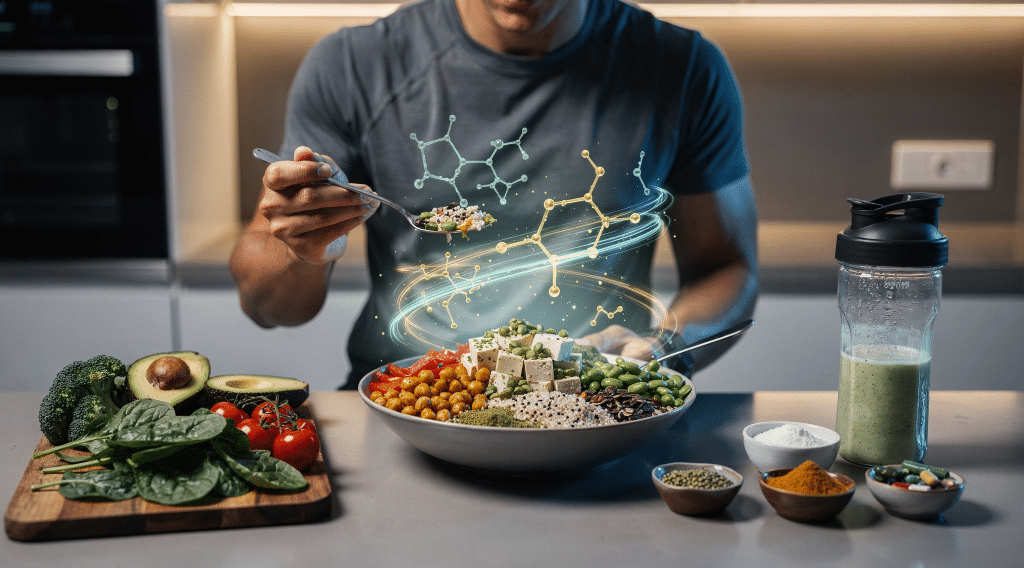
- Blending: Smoothies with plant protein powders, nuts, and seeds can improve digestibility as the blending process effectively breaks down tough plant fibers.
4. Pairing with Vitamin C: A Mineral Absorption Booster
While not directly related to protein absorption, it’s worth noting that vitamin C significantly enhances the absorption of non-heme iron (the type found in plants). Since many protein-rich plant foods (like lentils and spinach) are also good sources of iron, combining them with vitamin C-rich foods (citrus fruits, bell peppers, tomatoes) is a smart move for overall nutrient uptake.
Optimizing Digestive Health for Superior Plant Protein Absorption
Even with the best food preparation, a compromised digestive system will hinder nutrient absorption. Focusing on gut health is paramount for maximizing plant protein absorption.
1. Prioritize Gut-Friendly Foods
Incorporate plenty of fermented foods (like sauerkraut, kimchi, vegan yogurt, miso) and fiber-rich prebiotics (onions, garlic, leeks, asparagus, bananas) to feed beneficial gut bacteria. A diverse and healthy gut microbiome aids in breaking down complex plant compounds and potentially even synthesizing some vitamins.
2. Hydration is Key
Adequate water intake is essential for all digestive processes, including the movement of food through the gut and the enzymatic breakdown of proteins. Dehydration can slow digestion and potentially impact absorption efficiency.
3. Mindful Eating Practices
Eating slowly, chewing thoroughly, and being present during meals can improve digestion. When you eat mindfully, your body is better prepared to produce digestive enzymes and stomach acid, both crucial for breaking down proteins.
4. Consider Digestive Enzymes (If Needed)
For some individuals, particularly those with digestive issues, a plant-based digestive enzyme supplement might be beneficial to further aid in the breakdown of proteins and other nutrients. Consult with a healthcare professional before adding supplements.
Top Plant-Based Protein Sources and How to Optimize Their Absorption
Let’s look at some popular plant protein sources and specific tips for boosting their plant protein absorption:
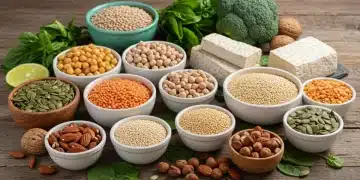
1. Legumes (Beans, Lentils, Chickpeas)
- Optimization: Always soak dried legumes overnight and discard the water before cooking. Cook thoroughly until tender. Sprouting is also highly effective. Fermented soy products (tempeh, miso, natto) are excellent choices.
- Pairing: Combine with grains (rice, quinoa) for complete protein. Add vitamin C-rich vegetables.
2. Grains (Quinoa, Oats, Brown Rice, Farro)
- Optimization: Soaking grains (especially oats and brown rice) before cooking can reduce phytates. Sprouting grains (like buckwheat or quinoa) is another excellent method. Using sourdough for bread fermentation enhances digestibility.
- Pairing: Combine with legumes, nuts, or seeds to round out amino acid profiles.
3. Nuts and Seeds (Almonds, Walnuts, Chia, Flax, Hemp)
- Optimization: Soaking nuts and seeds can reduce phytates and protease inhibitors, making them easier to digest and improving mineral absorption. Sprouting seeds like pumpkin or sunflower seeds also works. Grind flax and chia seeds to maximize nutrient availability.
- Pairing: Add to smoothies, oatmeal, or salads with other plant proteins.
4. Tofu and Tempeh
- Optimization: Tofu is generally well-digested due to processing. Tempeh, being fermented, has inherently high plant protein absorption and is often considered superior in digestibility to unfermented soy products.
- Pairing: Versatile and can be combined with almost any plant-based meal.
5. Seitan
- Optimization: Seitan is almost pure gluten protein (wheat protein). While highly digestible for those without gluten sensitivity, it lacks lysine.
- Pairing: Pair with legumes (beans, lentils) to provide the missing lysine.
6. Plant Protein Powders
- Optimization: Choose blends that combine different plant sources (e.g., pea and rice protein) to ensure a complete amino acid profile. Look for products that mention enzyme-aided digestion or sprouted ingredients for enhanced plant protein absorption.
- Pairing: Mix into smoothies with fruits, vegetables, and healthy fats.
Common Misconceptions About Plant Protein Absorption
Let’s debunk a few myths that often circulate regarding plant-based protein:
Myth 1: You need to combine complementary proteins at every meal.
Reality: As discussed, your body maintains an amino acid pool. As long as you consume a variety of plant proteins throughout the day, your body will have access to all essential amino acids for protein synthesis. The ‘every meal’ rule is outdated.
Myth 2: Plant proteins are inherently inferior to animal proteins.
Reality: While animal proteins have a different amino acid profile, plant proteins offer numerous health benefits, including fiber, antioxidants, and beneficial phytonutrients, often without the saturated fat and cholesterol found in animal products. With proper preparation and variety, plant proteins can fully support muscle growth, repair, and overall health. The key is understanding how to optimize plant protein absorption.
Myth 3: Anti-nutrients make plant foods unhealthy.
Reality: Anti-nutrients are often overblown. Many are significantly reduced or eliminated by proper cooking and preparation (soaking, sprouting, fermenting). Furthermore, some ‘anti-nutrients’ actually have health benefits; for example, phytates have antioxidant and anti-cancer properties. The overall nutritional matrix of whole plant foods far outweighs any minor inhibitory effects.
The Future of Plant Protein Absorption in 2026
As nutritional science advances, we can expect even greater insights into optimizing plant protein absorption. Research is ongoing in areas such as:
- Genetically Modified Crops: Developing plants with improved amino acid profiles or reduced anti-nutrient content.
- Novel Fermentation Techniques: Exploring new microbial strains and fermentation processes to further enhance protein digestibility and nutrient bioavailability in plant foods.
- Personalized Nutrition: Tailoring dietary recommendations based on an individual’s gut microbiome composition and genetic predispositions to optimize nutrient absorption.
- Advanced Processing: Utilizing innovative food processing technologies to create plant-based products with superior protein quality and digestibility.
These developments promise to make plant-based eating even more efficient and accessible for everyone.
Practical Tips for Your Daily Routine
Implementing these strategies doesn’t have to be complicated. Here are some practical tips to seamlessly integrate enhanced plant protein absorption into your daily life:
- Meal Prep for Success: Soak and cook large batches of legumes and grains at the beginning of the week. This makes it easy to add them to meals throughout.
- Embrace Variety: Don’t stick to just one or two plant protein sources. Rotate through different types of beans, lentils, grains, nuts, and seeds to ensure a broad spectrum of amino acids and nutrients.
- Snack Smart: Opt for snacks that combine complementary proteins, like apple slices with peanut butter, or a handful of mixed nuts and seeds.
- Spice It Up: Herbs and spices not only add flavor but often contain compounds that can aid digestion.
- Listen to Your Body: Pay attention to how different foods and preparation methods make you feel. Your body is the best indicator of what works best for your digestion and absorption.
Conclusion: Empowering Your Plant-Based Journey
The journey to a plant-based diet is incredibly rewarding, offering a wealth of health benefits and a positive impact on the planet. By understanding the principles of plant protein absorption and applying the practical strategies outlined in this guide, you can confidently build a diet that is not only delicious and diverse but also nutritionally robust.
Remember, it’s not just about how much protein you eat, but how much your body can actually use. With mindful preparation, varied food choices, and a focus on gut health, you can unlock the full potential of plant-based proteins, ensuring optimal health and vitality in 2026 and for many years to come. Embrace the power of plants, prepare them wisely, and watch your body thrive.