2025 Dietary Guidelines: Boost Athletic Performance & Muscle

The 2025 Dietary Guidelines are set to revolutionize how athletes approach nutrition, leveraging new scientific discoveries to optimize performance and muscle development.
The highly anticipated release of The 2025 Dietary Guidelines: What New Science Means for Your Athletic Performance and Muscle Growth is creating a buzz among athletes, coaches, and nutrition professionals. These guidelines, updated every five years, provide evidence-based recommendations for healthy eating patterns. For individuals focused on athletic performance and muscle growth, understanding these new directives is paramount to optimizing training, recovery, and overall physical potential. This article will delve into the anticipated changes and their practical implications for the athletic community.
Understanding the Foundation: What Are the Dietary Guidelines?
The Dietary Guidelines for Americans serve as the cornerstone of federal nutrition policy and education in the United States. They aim to promote health, prevent chronic disease, and help people reach and maintain a healthy weight. While often broad for the general population, their principles are adaptable and highly relevant to the specific needs of athletes.
These guidelines are developed by the U.S. Departments of Agriculture (USDA) and Health and Human Services (HHS), synthesizing the latest scientific research on nutrition and health. They influence school lunch programs, food labeling, and public health campaigns, making their impact widespread. For athletes, understanding the scientific basis behind these recommendations is crucial for tailoring a diet that supports rigorous training and recovery.
The Scientific Review Process
Before new guidelines are published, an independent advisory committee reviews hundreds of scientific studies. This meticulous process ensures that the recommendations are based on the most current and robust evidence available. This scientific rigor is what lends credibility to the guidelines and makes them a valuable resource for guiding dietary choices.
- Rigorous evidence review: Hundreds of studies analyzed.
- Expert panel consensus: Recommendations shaped by leading scientists.
- Public comment period: Feedback from various stakeholders considered.
Evolution of Nutritional Understanding
Over the decades, our understanding of nutrition has evolved significantly. Early guidelines focused primarily on preventing deficiency diseases, while more recent iterations have shifted towards preventing chronic diseases like heart disease and diabetes. The 2025 guidelines are expected to further refine these recommendations, potentially incorporating new insights into personalized nutrition and the role of specific dietary patterns in health and performance.
In essence, the dietary guidelines are a living document, constantly updated to reflect the dynamic nature of nutritional science. For athletes, this means a continuous opportunity to refine their dietary strategies based on the most current research, ensuring they are always at the forefront of performance optimization.
Macronutrient Revisions: Fueling Performance and Growth
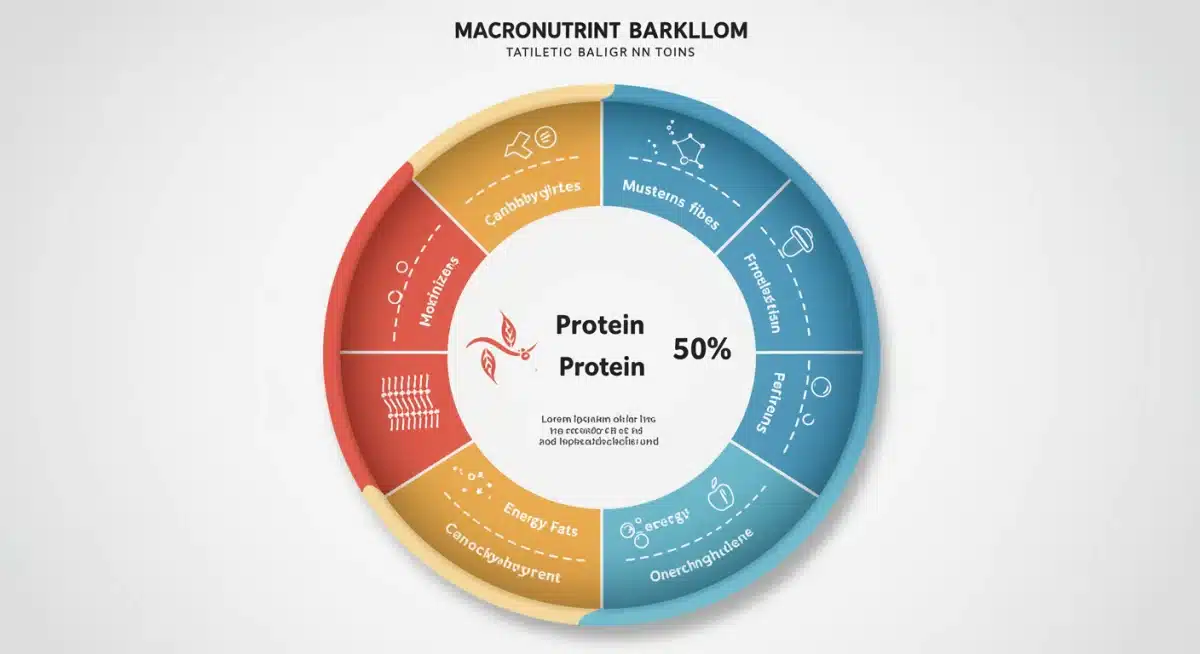
One of the most anticipated areas of change in the 2025 Dietary Guidelines relates to macronutrient recommendations – carbohydrates, proteins, and fats. For athletes, the precise balance of these nutrients is fundamental for energy production, muscle repair, and overall adaptation to training stress. New scientific understandings are likely to offer more nuanced guidance than ever before.
Carbohydrates remain the primary fuel source for high-intensity exercise. The 2025 guidelines may emphasize the quality of carbohydrates, advocating for complex carbohydrates over refined sugars to provide sustained energy and essential micronutrients. This shift is critical for athletes looking to maintain energy levels throughout long training sessions and competitions.
Protein Intake for Muscle Synthesis
Protein is indispensable for muscle repair, recovery, and growth. While general population guidelines typically recommend a certain percentage of calories from protein, athletes often require significantly more. The 2025 guidelines are expected to acknowledge this increased need, potentially offering more specific recommendations for active individuals.
- Increased protein emphasis: Higher recommendations for athletes.
- Optimal timing for protein intake: Post-exercise window for synthesis.
- Diverse protein sources: Importance of both animal and plant-based options.
Fats: More Than Just Energy Storage
Dietary fats play crucial roles in hormone production, nutrient absorption, and inflammation modulation. The new guidelines might further differentiate between types of fats, promoting unsaturated fats found in avocados, nuts, and olive oil, while advising moderation of saturated and trans fats. For athletes, healthy fats are vital for long-duration energy and overall physiological function.
The revised macronutrient recommendations will likely offer a more sophisticated framework for athletes to construct their diets. It won’t just be about hitting calorie targets, but about optimizing the quality and timing of each macronutrient to support specific athletic goals, from endurance to strength training.
Micronutrient Spotlight: Beyond the Basics
While macronutrients take center stage for energy and building blocks, micronutrients – vitamins and minerals – are the unsung heroes of athletic performance. Even minor deficiencies can significantly impair energy metabolism, immune function, and recovery. The 2025 Dietary Guidelines are expected to highlight specific micronutrients crucial for active individuals, moving beyond general recommendations.
Iron, for example, is vital for oxygen transport and energy production, and athletes, especially females and endurance athletes, are at higher risk of deficiency. The new guidelines might offer enhanced advice on iron-rich food sources and strategies to improve absorption. Similarly, Vitamin D plays a key role in bone health and immune function, both critical for athletes seeking to prevent injuries and stay healthy.
Antioxidants and Inflammation
Intense exercise can lead to increased oxidative stress and inflammation. The 2025 guidelines may place a greater emphasis on dietary antioxidants from fruits, vegetables, and whole grains, which can help combat these effects and aid in recovery. This could translate into recommendations for a broader and more colorful intake of plant-based foods.
- Increased focus on specific vitamins: Vitamin D, B vitamins.
- Mineral importance: Iron, calcium, magnesium for bone and muscle function.
- Phytonutrients: Role of plant compounds in recovery and health.
Hydration: The Often Overlooked Nutrient
Though not a micronutrient, proper hydration is fundamental to every bodily function and is often overlooked. The new guidelines might provide more detailed recommendations on fluid intake before, during, and after exercise, potentially including guidance on electrolyte replenishment, especially for athletes training in hot or humid environments. Optimal hydration is a simple yet powerful tool for maximizing performance and preventing fatigue.
The updated emphasis on specific micronutrients and hydration will empower athletes to fine-tune their diets, addressing potential deficiencies that could hinder their progress. It underscores the idea that a holistic approach to nutrition is essential for peak performance, extending beyond just calories and macros.
Dietary Patterns and Timing: Strategic Eating for Athletes
Beyond individual nutrients, the 2025 Dietary Guidelines are expected to delve deeper into the importance of overall dietary patterns and the strategic timing of nutrient intake for athletes. It’s not just what you eat, but when and how you combine foods that can significantly impact performance, recovery, and muscle adaptation.
The concept of nutrient timing – consuming specific nutrients at particular times relative to exercise – has gained considerable scientific backing. For instance, consuming protein and carbohydrates shortly after a workout can optimize muscle protein synthesis and glycogen replenishment. The new guidelines may provide more refined recommendations on these windows of opportunity.
Plant-Based Diets for Athletes
With the growing popularity of plant-based eating, the 2025 guidelines might offer more comprehensive guidance for athletes adopting vegetarian or vegan diets. This could include advice on ensuring adequate protein intake from diverse plant sources, addressing potential micronutrient deficiencies like B12 or iron, and optimizing overall nutrient density to support intense training demands.
- Pre-exercise fueling: Optimizing energy stores.
- Intra-exercise nutrition: Sustaining performance during prolonged activity.
- Post-exercise recovery: Maximizing repair and adaptation.
The Role of Food Synergy
The guidelines may also emphasize food synergy – how different components in food interact to provide greater health benefits than if consumed in isolation. For athletes, this means focusing on whole, unprocessed foods that offer a complex array of nutrients rather than relying solely on supplements. The synergistic effect of various compounds in fruits, vegetables, and whole grains can enhance antioxidant capacity and reduce inflammation, crucial for recovery.
By focusing on dietary patterns and strategic timing, the 2025 guidelines will equip athletes with a more sophisticated understanding of how to fuel their bodies. This shift from isolated nutrients to holistic eating strategies will be a game-changer for those aiming for optimal performance and muscle development.
Personalized Nutrition: Tailoring Guidelines to Individual Needs
One of the most exciting potential developments in the 2025 Dietary Guidelines is a greater emphasis on personalized nutrition. Recognizing that a one-size-fits-all approach is often insufficient, especially for athletes with varying energy demands, training intensities, and body compositions, the new guidelines may offer frameworks for individualizing dietary recommendations.
While the guidelines will still provide general principles, they might encourage individuals and their nutrition professionals to consider factors like genetics, activity level, body weight goals, and specific health conditions. For athletes, this means moving beyond generic advice to a more tailored approach that directly addresses their unique physiological requirements and performance objectives.
Assessing Energy Needs Accurately
Accurately determining an athlete’s energy expenditure is foundational to personalized nutrition. The guidelines may offer improved methodologies or tools for estimating caloric needs based on activity levels, metabolic rate, and training volume. This precision helps prevent under-fueling, which can lead to fatigue, poor recovery, and increased injury risk, or over-fueling, which can lead to unwanted weight gain.
- Individualized energy targets: Accounting for specific training loads.
- Body composition goals: Tailoring macronutrient ratios.
- Genetic predispositions: Understanding nutrient absorption and metabolism.
Bio-individuality and Response to Nutrients
New science is increasingly revealing that individuals respond differently to various nutrients and dietary patterns. The 2025 guidelines could acknowledge this bio-individuality, suggesting that athletes monitor their own responses to different foods and adjust their intake accordingly. This empowers athletes to become more attuned to their bodies and make informed choices based on direct feedback.
The shift towards personalized nutrition within the 2025 Dietary Guidelines represents a significant step forward. It acknowledges the complexity of human physiology and the diverse needs of athletes, providing a more flexible and effective framework for optimizing dietary strategies for peak performance and muscle growth.
Practical Application for Athletes and Coaches
Translating the scientific recommendations of the 2025 Dietary Guidelines into actionable strategies is crucial for athletes and their coaches. Understanding the ‘what’ is important, but knowing the ‘how’ is what drives results. The new guidelines will require a proactive approach to dietary planning and education within the athletic community.
Coaches will need to stay informed about the updated recommendations to effectively guide their athletes. This includes emphasizing balanced meal planning, promoting diverse food choices, and educating athletes on the importance of proper hydration and nutrient timing. Integrating these principles into daily routines can significantly enhance training adaptations and competitive outcomes.
Meal Planning and Preparation
The practical application often boils down to effective meal planning and preparation. Athletes can benefit from learning how to build nutrient-dense meals that align with the new guidelines, focusing on whole foods, adequate protein, and quality carbohydrates. Batch cooking and strategic snacking can help ensure consistent adherence to optimal nutrition.
- Educating athletes on food choices: Empowering informed decisions.
- Integrating nutrition into training programs: Holistic approach.
- Monitoring progress and making adjustments: Continuous optimization.
Working with Registered Dietitians
For many athletes, especially those with specific performance goals or dietary restrictions, working with a sports-specialized registered dietitian will become even more valuable. These professionals can interpret the 2025 Dietary Guidelines in the context of an individual’s unique needs, creating highly personalized nutrition plans. They can also help navigate the complex world of supplements, ensuring choices are evidence-based and safe.
The practical application of the 2025 Dietary Guidelines for athletic performance and muscle growth will demand a collaborative effort from athletes, coaches, and nutrition experts. By embracing these new insights and implementing them strategically, the athletic community can unlock new levels of potential and foster long-term health and success.
| Key Aspect | Impact on Athletes |
|---|---|
| Macronutrient Refinements | More specific guidance on carb quality, higher protein needs, and healthy fat types for energy and recovery. |
| Micronutrient Focus | Emphasis on key vitamins (D, B) and minerals (iron, calcium) crucial for performance, immunity, and bone health. |
| Nutrient Timing | Strategic consumption of nutrients before, during, and after exercise to optimize fuel, repair, and muscle synthesis. |
| Personalized Nutrition | Frameworks for tailoring dietary plans based on individual needs, genetics, activity levels, and specific goals. |
Frequently Asked Questions About the 2025 Dietary Guidelines
The 2025 Dietary Guidelines are expected to provide more specific, elevated protein recommendations for athletes, acknowledging their increased needs for muscle repair and synthesis. This will likely include guidance on optimal protein timing around workouts and the importance of diverse protein sources, both animal and plant-based, to maximize benefits for muscle growth and recovery.
While the Dietary Guidelines primarily focus on whole food intake, the 2025 edition might include general statements regarding the cautious use of supplements. It is anticipated they will emphasize obtaining nutrients from food first, and advise consulting with a healthcare professional or registered dietitian before incorporating supplements, especially for performance enhancement.
Athletes can anticipate a continued emphasis on carbohydrates as primary fuel, but with a stronger focus on carbohydrate quality. The 2025 guidelines are likely to promote complex carbohydrates like whole grains, fruits, and vegetables for sustained energy, while advising moderation of refined sugars, which can lead to energy crashes and hinder performance.
The 2025 Dietary Guidelines are expected to offer frameworks for personalized nutrition, recognizing that individual needs vary. This means providing guidance on how to tailor dietary intake based on factors like genetics, specific training loads, body composition goals, and individual responses to different foods, moving beyond a one-size-fits-all approach.
Given the rise in plant-based eating, the 2025 guidelines are likely to include more comprehensive advice for athletes following vegetarian or vegan diets. This guidance will probably cover ensuring adequate protein from diverse plant sources, addressing potential micronutrient deficiencies, and optimizing overall nutrient density to support rigorous athletic training and muscle development.
Conclusion
The forthcoming 2025 Dietary Guidelines hold immense potential for revolutionizing how athletes approach their nutrition for optimal performance and muscle growth. By incorporating the latest scientific advancements, these guidelines are expected to offer more nuanced recommendations on macronutrient balance, highlight critical micronutrients, emphasize strategic dietary patterns and timing, and embrace the principles of personalized nutrition. For athletes, coaches, and anyone committed to maximizing their physical potential, understanding and implementing these updated directives will be key to unlocking new levels of success and fostering long-term health. Staying informed and adapting dietary strategies accordingly will be paramount in the evolving landscape of sports nutrition.