Seasonal Meal Planning in the US: Winter 2025 Strategies
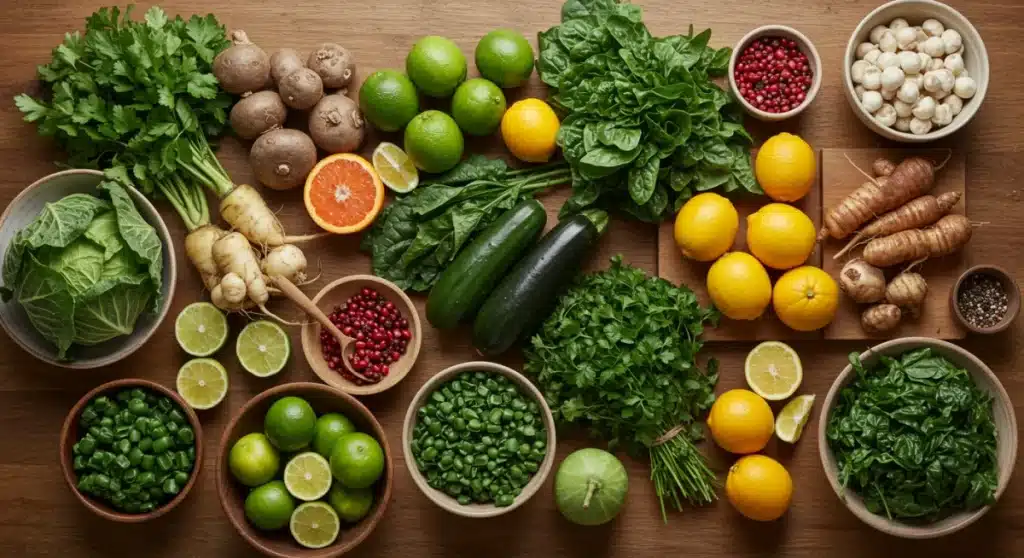
Seasonal meal planning in the US for Winter 2025 requires strategic approaches to leverage fresh, affordable ingredients, ensuring nutritious and enjoyable meals while maximizing budget efficiency.
As the chill of winter 2025 settles across the United States, kitchen tables transform. Embracing seasonal meal planning in the US becomes not just a culinary choice but a smart economic and nutritional strategy. This guide will help you navigate the colder months with fresh, affordable ingredients, ensuring your meals are both delicious and budget-friendly.
Embracing the bounty of winter produce
Winter, contrary to popular belief, offers a rich tapestry of ingredients that are both hearty and nutritious. Focusing on produce that thrives in colder climates is the cornerstone of effective seasonal meal planning. These items are often more readily available, taste better, and come at a lower cost due to reduced transportation and storage needs.
Understanding winter’s harvest
Many people associate winter with scarcity, but a closer look reveals an abundance of robust vegetables and fruits. These resilient crops are packed with essential vitamins and minerals, perfect for boosting immunity during flu season and providing sustained energy.
- Root vegetables: Carrots, parsnips, turnips, and sweet potatoes are incredibly versatile.
- Cruciferous vegetables: Broccoli, cauliflower, Brussels sprouts, and cabbage offer significant nutritional value.
- Dark leafy greens: Kale, collard greens, and Swiss chard remain vibrant even in colder temperatures.
- Citrus fruits: Oranges, grapefruits, and tangerines provide a much-needed burst of vitamin C.
By prioritizing these seasonal stars, you automatically align your meal planning with nature’s rhythm, leading to fresher flavors and fewer expenses. This approach also supports local farmers who specialize in winter crops, fostering a more sustainable food system.
Integrating these ingredients into your weekly meals can be as simple as adding roasted root vegetables to a stew or incorporating kale into a hearty soup. The natural sweetness and earthiness of winter produce lend themselves well to comforting, warming dishes that are perfect for the season.
Strategic shopping for affordability and freshness
To truly master seasonal meal planning, smart shopping is paramount. It’s not just about knowing what’s in season, but where to find it at the best price and quality. This involves a combination of local market visits and thoughtful grocery store navigation.
Leveraging farmers’ markets and local co-ops
Farmers’ markets, even in winter, are treasure troves of seasonal produce. While the variety might shrink compared to summer, the quality and freshness of available items are often superior. Direct purchases from farmers can also lead to better prices, as middlemen costs are eliminated.
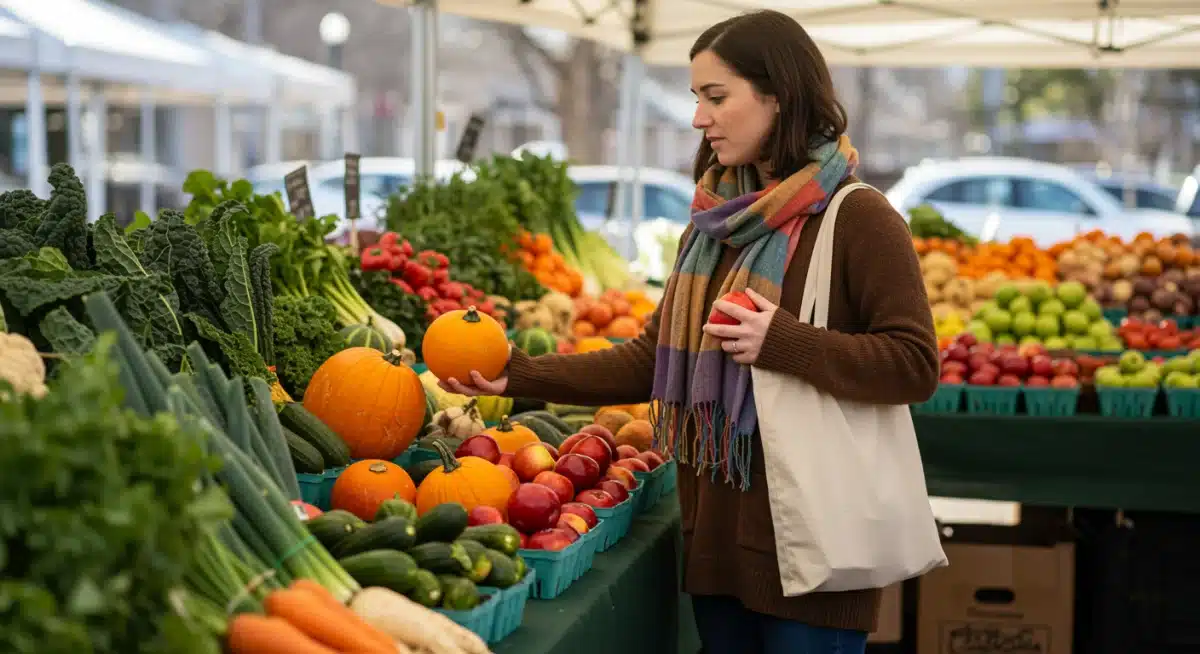
Local co-ops often offer bulk discounts on seasonal items, which can be a significant saving, especially for staples like potatoes, onions, or apples. Membership fees are typically offset by the savings over time, making them a wise investment for regular shoppers.
Optimizing grocery store trips
Even at conventional grocery stores, strategic shopping can yield great results. Pay close attention to sales and promotions on seasonal produce. Often, stores will feature in-season items prominently to move inventory, offering excellent opportunities for savings.
- Check weekly circulars: These often highlight current deals on seasonal items.
- Buy in bulk when appropriate: For produce that stores well, like squash or apples, buying larger quantities can be economical.
- Utilize frozen options: Frozen fruits and vegetables are picked at peak ripeness and can be a cost-effective alternative when fresh options are scarce or expensive.
By combining these shopping strategies, you ensure a consistent supply of fresh, affordable ingredients for your winter meal planning. This proactive approach not only saves money but also minimizes food waste by purchasing items that are at their prime.
Batch cooking and meal prepping for efficiency
Winter days can be shorter and colder, making the idea of spending hours in the kitchen less appealing. This is where batch cooking and meal prepping become invaluable tools for efficient seasonal meal planning. Preparing larger quantities of food once or twice a week can save significant time and effort during busy weekdays.
The art of batch cooking
Batch cooking involves preparing large amounts of a single dish or component that can be used in multiple meals throughout the week. Think about roasting a large tray of root vegetables or cooking a big pot of lentil soup. These foundational elements can then be transformed into various meals with minimal additional effort.
- Soups and stews: Perfect for winter, they often taste even better the next day.
- Roasted vegetables: Can be added to salads, grain bowls, or served as a side.
- Cooked grains: Quinoa, brown rice, or farro can be made in advance and used in different dishes.
- Protein sources: Prepare a large batch of chicken, beans, or tofu for quick additions to meals.
The beauty of batch cooking lies in its flexibility. A large batch of roasted butternut squash, for instance, can be pureed into a soup, added to a pasta dish, or simply enjoyed as a side dish, offering variety without extra cooking sessions.
Streamlining meal prep
Meal prepping takes batch cooking a step further by portioning out entire meals in advance. This is particularly useful for lunches or quick dinners, ensuring you have healthy options readily available and reducing the temptation for takeout.
Dedicate a specific block of time, perhaps on a Sunday, to chop vegetables, cook grains, and assemble components. Store them in airtight containers, clearly labeled, for easy access throughout the week. This not only saves time but also reduces stress during hectic weekdays, making healthy eating a sustainable habit.
Creative recipe development with winter flavors
Once you have your seasonal ingredients and your batch-cooked components, the next step is to unleash your creativity in the kitchen. Winter flavors are often rich, earthy, and comforting, lending themselves to a wide array of delicious and satisfying dishes. Experimenting with different recipes keeps meal planning exciting and prevents culinary fatigue.
Exploring comforting winter dishes
Winter is the season for warming, soul-satisfying meals. Think about dishes that utilize the robustness of root vegetables and the richness of hearty greens. These recipes often require longer cooking times, making them ideal for slow cookers or oven baking, which also fills the home with inviting aromas.
- Hearty stews and chilis: Incorporate seasonal vegetables like carrots, potatoes, and kale with lean proteins or legumes.
- Roasted vegetable medleys: A simple yet flavorful way to enjoy winter produce with herbs and spices.
- Baked casseroles: Layered dishes with seasonal ingredients, grains, and cheeses are perfect for family meals.
- Winter salads: Combine roasted root vegetables with bitter greens, nuts, and a light vinaigrette for a fresh twist.
Don’t be afraid to adapt classic recipes to incorporate seasonal winter ingredients. A traditional beef stew can be elevated with parsnips and turnips, or a simple chicken pot pie can feature a medley of seasonal greens and squash.
Incorporating global inspirations
Look beyond traditional American winter fare for inspiration. Many global cuisines excel at creating comforting, flavorful dishes from seasonal ingredients. Indian curries, Moroccan tagines, and Italian risottos offer diverse ways to utilize winter produce and introduce new flavor profiles to your table.
Experiment with different spice blends and cooking techniques to transform familiar ingredients. A simple lentil soup, for example, can become an exotic delight with the addition of turmeric, cumin, and ginger. This creative approach keeps your winter meal planning dynamic and prevents your cooking from becoming repetitive.
Maximizing nutritional value and minimizing waste
Beyond affordability and freshness, seasonal meal planning in the US for Winter 2025 also offers significant benefits in terms of nutrition and sustainability. By consciously choosing and preparing seasonal foods, you can enhance your diet and reduce your environmental footprint.
Nutritional benefits of seasonal eating
Eating seasonally often means consuming produce at its peak ripeness, when its nutrient content is at its highest. Produce that travels long distances or is harvested prematurely tends to have lower nutritional value. Winter vegetables, in particular, are rich in fiber, vitamins A and C, and various antioxidants, which are crucial for maintaining health during the colder months.
Furthermore, relying on seasonal items encourages a more diverse diet. Instead of eating the same few vegetables year-round, you naturally rotate your intake, ensuring a broader spectrum of nutrients. This dietary diversity is key to a balanced and healthy lifestyle, supporting gut health and overall well-being.
Sustainable practices and waste reduction
Seasonal meal planning inherently supports more sustainable food systems. When you buy locally and seasonally, you reduce the demand for produce that needs to be transported long distances, thereby lowering carbon emissions. It also lessens the reliance on energy-intensive greenhouses or artificial ripening processes.
Minimizing food waste is another crucial aspect. By purchasing fresh, high-quality seasonal ingredients, you’re less likely to have produce spoil before it can be used. Any leftover scraps from cooking can be repurposed:
- Vegetable scraps: Use them to make flavorful broths or stocks.
- Stale bread: Transform into croutons or breadcrumbs.
- Leftover cooked grains: Turn into breakfast porridges or added to salads.
This mindful approach to food ensures that every part of your seasonal produce is utilized, leading to less waste and a more efficient kitchen. It’s a holistic strategy that benefits both your health and the planet.
Planning for unexpected winter challenges
Winter in the US can bring unpredictable weather, from snowstorms to icy conditions, which can impact grocery runs and access to fresh produce. Effective seasonal meal planning for Winter 2025 also involves building in flexibility and having contingency plans to ensure your family remains well-fed and healthy, even when conditions are less than ideal.
Building a resilient pantry
A well-stocked pantry is your best friend during winter. This doesn’t mean hoarding, but rather maintaining a strategic supply of non-perishable and freezer-friendly items that can complement your fresh seasonal finds. These staples become crucial when a sudden storm prevents a trip to the store.
- Canned goods: Tomatoes, beans, and broths are versatile and long-lasting.
- Dried goods: Pasta, rice, lentils, and oats form the base of many meals.
- Frozen fruits and vegetables: Excellent for smoothies, soups, and stir-fries when fresh options are limited.
- Long-lasting produce: Onions, garlic, potatoes, and winter squash can be stored for weeks.
By having these items on hand, you can easily pivot your meal plans without compromising on nutrition. For example, if fresh kale isn’t available, frozen spinach can step in for a quick soup or casserole. This preparedness reduces stress and ensures continuity in your healthy eating habits.
Flexible meal planning and adaptation
While structured meal plans are beneficial, it’s equally important to remain flexible, especially during winter. Be prepared to swap ingredients based on availability or to adjust cooking methods if you’re low on a specific item. Having a few adaptable ‘go-to’ recipes that can accommodate various seasonal vegetables or proteins is incredibly helpful.
Consider dedicating one meal slot per week to a ‘pantry clean-out’ or ‘flex meal’ where you use up whatever fresh produce is left and rely on your pantry staples. This not only prevents food waste but also encourages creativity in the kitchen. Embracing this adaptability means your seasonal meal planning remains effective and stress-free throughout the entire winter season.
Making seasonal eating a year-round habit
While our focus has been on Winter 2025, the principles of seasonal meal planning are applicable throughout the year. Extending these strategies beyond the colder months can lead to sustained benefits in terms of health, budget, and environmental impact. It’s about cultivating a mindful approach to food that connects you with the natural cycles of growth and harvest.
The transition from winter to spring, then summer and fall, offers a continuous parade of new ingredients and culinary possibilities. Each season brings its unique flavors, textures, and nutritional profiles, providing an exciting opportunity to refresh your diet and explore new recipes. By consistently aligning your meals with what’s seasonally available, you ensure your diet remains diverse and rich in nutrients.
Ultimately, seasonal meal planning is more than just a set of strategies; it’s a lifestyle choice. It encourages a deeper appreciation for where our food comes from, fosters a connection to local communities, and empowers us to make healthier, more sustainable choices for ourselves and the planet. By adopting these winter 2025 strategies, you’re not just planning meals for a season, but building habits for a lifetime of wholesome, enjoyable eating.
| Key Strategy | Brief Description |
|---|---|
| Embrace Winter Produce | Focus on root vegetables, cruciferous greens, and citrus for peak freshness and nutrition. |
| Strategic Shopping | Utilize farmers’ markets, co-ops, and grocery sales for affordable, high-quality ingredients. |
| Batch Cook & Meal Prep | Save time and effort by preparing large quantities of dishes and components in advance. |
| Build Resilient Pantry | Stock non-perishables and freezer items for flexibility during unexpected winter challenges. |
Frequently asked questions about winter meal planning
For affordability in winter, prioritize root vegetables like carrots, potatoes, sweet potatoes, and parsnips. Additionally, cruciferous vegetables such as cabbage, Brussels sprouts, and kale are typically cost-effective and readily available, offering great nutritional value and versatility for various dishes.
To add excitement, experiment with different cooking methods like roasting or braising to bring out the natural sweetness of winter produce. Incorporate diverse spices and herbs, and explore global recipes such as curries or tagines that naturally utilize hearty seasonal ingredients, adding new flavors to your routine.
Yes, buying frozen produce is an excellent alternative. Fruits and vegetables are typically flash-frozen at their peak ripeness, preserving nutrients and flavor. They are often more affordable than fresh out-of-season options and provide convenience, ensuring you always have healthy ingredients on hand for soups, smoothies, and stir-fries.
Effective batch cooking involves preparing large quantities of versatile components. Roast a big tray of mixed root vegetables, cook a large pot of grains like quinoa or brown rice, or prepare a big batch of soup or chili. These can be easily repurposed into different meals throughout the week, saving significant time.
Seasonal meal planning enhances sustainability by reducing the need for long-distance transportation of produce, thereby lowering carbon emissions. It supports local agriculture, minimizes reliance on energy-intensive growing methods, and often leads to less food waste as ingredients are consumed at their freshest and most abundant.
Conclusion
Mastering seasonal meal planning in the US for Winter 2025 is a powerful approach to fostering a healthier, more economical, and sustainable lifestyle. By strategically embracing winter’s abundant produce, shopping smartly, leveraging batch cooking, and building a resilient pantry, you can navigate the colder months with ease and culinary delight. These practices not only lead to fresh, affordable, and nutritious meals but also connect you more deeply with the rhythm of nature and local food systems. Embrace these strategies, and transform your winter kitchen into a hub of warmth, flavor, and efficiency.