2026 Budget Meal Planning Guide: Healthy Eating Under $50/Week
Are you staring down your grocery bill with a mix of dread and disbelief? In 2026, the cost of living continues to climb, and finding ways to eat healthy without breaking the bank feels more challenging than ever. But what if we told you it’s entirely possible to enjoy nutritious, delicious meals for under $50 a week per person? Yes, you read that right. Welcome to the definitive guide to budget meal planning for 2026, designed to help you reclaim your finances and nourish your body.
Many believe that eating healthy is a luxury, reserved for those with ample disposable income. This misconception often leads people to processed, less nutritious options that appear cheaper upfront but cost more in terms of health and long-term well-being. Our mission is to debunk this myth and equip you with the knowledge and strategies to make smart, economical food choices that don’t compromise on taste or nutritional value. This comprehensive guide will walk you through every step of effective budget meal planning, from smart shopping to creative cooking, ensuring your weekly food budget stays well within that $50 limit.
The 2026 Reality: Why Budget Meal Planning is More Crucial Than Ever
The economic landscape of 2026 presents unique challenges. Inflation, supply chain disruptions, and evolving market trends mean that grocery prices can fluctuate unpredictably. For many households, food is one of the most significant variable expenses. Without a solid strategy, it’s easy for this cost to spiral out of control. This is where strategic budget meal planning becomes not just a helpful habit, but an essential skill for financial stability and health.
Beyond the financial aspect, the health implications of poor dietary choices are profound. A diet rich in processed foods, often chosen for their perceived affordability or convenience, can lead to a host of health issues, including increased risk of chronic diseases, lower energy levels, and compromised immune function. Conversely, a diet centered on whole, unprocessed foods supports overall well-being, boosts energy, and can even reduce healthcare costs in the long run. Our approach to budget meal planning prioritizes nutrient-dense foods, proving that you don’t have to sacrifice your health to save money.
Understanding Your Current Food Spending
Before you can effectively cut down on your food expenses, you need to understand where your money is currently going. For one to two weeks, meticulously track every penny you spend on food. This includes groceries, takeout, coffee runs, and dining out. Be honest with yourself. You might be surprised to find how much those daily lattes or impulse snack purchases add up. This initial step is crucial for identifying spending leaks and setting realistic goals for your budget meal planning journey.
Setting Your $50 Weekly Budget Goal
Committing to a $50 per person per week budget might seem daunting at first, especially if your current spending is significantly higher. However, it’s an achievable goal with the right mindset and strategies. This budget encourages creativity, reduces waste, and forces you to think critically about your food choices. Remember, this isn’t about deprivation; it’s about conscious consumption and maximizing value. The $50 target includes all food items for the week—breakfast, lunch, dinner, and snacks. It’s a challenge, yes, but one that yields substantial rewards.
Phase 1: Strategic Shopping – The Foundation of Budget Meal Planning
The supermarket is where most of your food budget decisions are made. Approaching it without a plan is like going to war without a strategy – you’re almost guaranteed to lose. Smart shopping is the cornerstone of successful budget meal planning.
Meal Planning Before Shopping
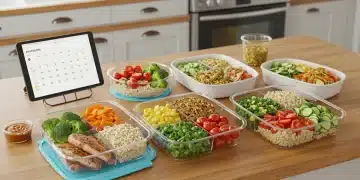
This is arguably the most critical step. Before you even think about stepping into a grocery store, you need a detailed meal plan for the entire week. This plan should outline every meal, including snacks, and ideally utilize ingredients that can be repurposed across multiple dishes. For example, roasted chicken can be dinner one night, then used in salads or sandwiches the next. This minimizes waste and maximizes your ingredients’ utility, a key tenet of efficient budget meal planning.
Tips for Effective Meal Planning:
- Check Your Pantry First: Before making your grocery list, see what you already have. Build meals around existing ingredients to avoid unnecessary purchases.
- Theme Nights: Designate specific themes for nights (e.g., Meatless Monday, Taco Tuesday, Pasta Wednesday). This simplifies planning and can introduce variety.
- Batch Cooking: Plan to cook large quantities of staples like grains (rice, quinoa), beans, or roasted vegetables that can be used in different meals throughout the week.
- Seasonal Produce: Prioritize fruits and vegetables that are in season. They are usually cheaper, fresher, and more flavorful.
- Utilize Leftovers: Factor leftovers into your lunch or dinner plans for the following day. This reduces cooking time and waste.
Creating a Smart Grocery List
Once your meal plan is solid, create a precise grocery list. Stick to this list religiously. Impulse buys are budget killers. Organize your list by supermarket aisle to save time and prevent backtracking, which often leads to picking up extra items. Always check for sales and promotions before you go, and incorporate those deals into your meal plan where possible. This proactive approach is vital for successful budget meal planning.
Where to Shop for Maximum Savings
Not all grocery stores are created equal when it comes to prices. Explore different options in your area:
- Discount Supermarkets: Stores like Aldi or Lidl often have significantly lower prices on staples compared to conventional supermarkets.
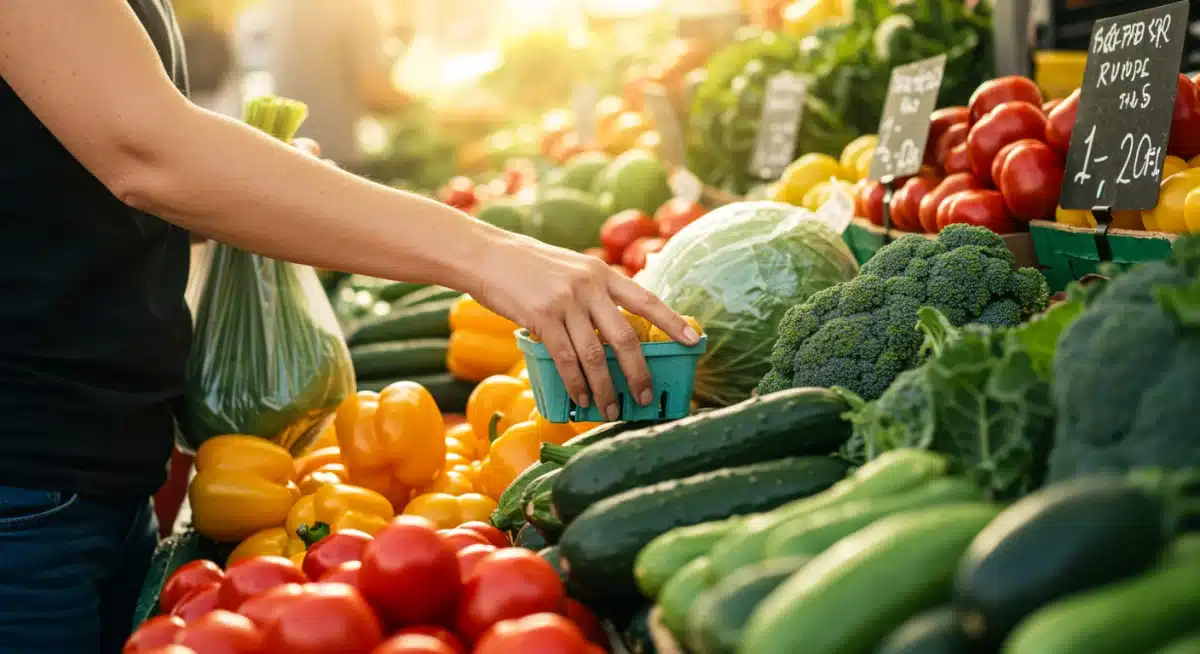
- Farmer’s Markets: While some items might be pricier, you can often find great deals on seasonal produce, especially towards closing time. Building relationships with vendors can also lead to discounts.
- Bulk Stores: For non-perishable items like grains, pasta, nuts, and spices, buying in bulk can offer substantial savings. Just ensure you have adequate storage.
- Ethnic Markets: These stores often have excellent prices on produce, spices, and specialty ingredients that can add flavor to your meals without a high cost.
Smart Shopping Strategies at the Store
Even with a list, there are techniques to employ once you’re inside the store:
- Compare Unit Prices: Always look at the unit price (price per ounce, per pound, etc.) rather than just the total price. Larger packages aren’t always cheaper.
- Shop Perimeters First: The outer aisles of most supermarkets typically contain fresh produce, dairy, and lean proteins – the healthiest and often most essential components of your diet. The inner aisles are where processed foods and impulse buys lurk.
- Don’t Shop Hungry: Shopping on an empty stomach makes you more susceptible to impulse purchases and unhealthy cravings.
- Limit Processed Foods: These are generally more expensive and less nutritious. Focus on whole ingredients.
- Consider Store Brands: Generic or store-brand products are often identical in quality to their name-brand counterparts but cost significantly less.
Phase 2: Cooking Smart – Maximizing Your Budget Meal Planning Efforts
Once you’ve mastered strategic shopping, the next step in effective budget meal planning is smart cooking. This involves techniques that stretch your ingredients further, minimize waste, and ensure every meal is both nutritious and flavorful.
Embrace Frugal Food Staples
Certain foods are inherently more budget-friendly and versatile. Building your meals around these staples is a cornerstone of affordable eating:
- Legumes: Dried beans, lentils, and chickpeas are incredibly cheap, packed with protein and fiber, and can be used in countless dishes (soups, stews, curries, salads, dips).
- Whole Grains: Rice (especially brown rice), oats, barley, and whole wheat pasta are inexpensive, filling, and provide essential nutrients.
- Eggs: A fantastic source of protein, eggs are versatile and relatively cheap.
- Seasonal Vegetables: As mentioned, seasonal produce is always more affordable. Think root vegetables in winter, leafy greens in spring, and berries in summer.
- Frozen Fruits and Vegetables: Often cheaper than fresh, especially out of season, and just as nutritious. They’re perfect for smoothies, stir-fries, and soups.
- Inexpensive Proteins: Chicken thighs/drumsticks, ground turkey/chicken, canned tuna/sardines, and tofu are excellent, budget-friendly protein sources.
Batch Cooking and Meal Prepping
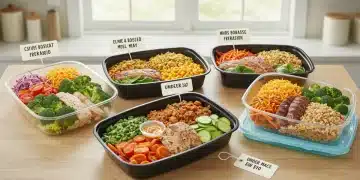
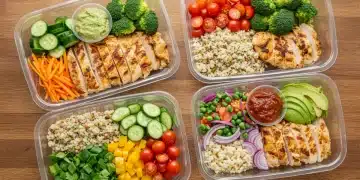
This strategy is a game-changer for budget meal planning. Dedicate a few hours one day a week (e.g., Sunday afternoon) to prep and cook components of your meals. This could include:
- Cooking a large batch of grains.
- Chopping vegetables for multiple meals.
- Washing and portioning fruits.
- Cooking a big pot of soup, chili, or stew.
- Marinating proteins for quick cooking later in the week.
Batch cooking saves time during busy weekdays, reduces the temptation for takeout, and ensures you have healthy options readily available, making your $50 budget much easier to stick to.
Creative Cooking: Making Every Ingredient Count
Waste is the enemy of budget meal planning. Get creative to use every part of your ingredients:
- Vegetable Scraps: Save vegetable trimmings (carrot peels, onion ends, celery leaves) to make homemade vegetable broth.
- Leftover Grains: Transform leftover rice into fried rice, rice pudding, or even rice cakes.
- Stale Bread: Make croutons, breadcrumbs, or French toast.
- Overripe Fruit: Perfect for smoothies, muffins, or fruit compotes.
- Repurpose Leftovers: Don’t just reheat; transform. Leftover roast chicken can become chicken salad or tacos. Leftover mashed potatoes can be made into potato cakes.
Mastering Flavor on a Budget
Eating on a budget doesn’t mean eating bland food. Spices, herbs, and homemade sauces are your best friends. Buying spices in bulk from ethnic markets can be very cost-effective. Learning to make your own dressings, marinades, and sauces from scratch is cheaper and healthier than buying pre-made versions. Ingredients like garlic, onions, ginger, and various vinegars can elevate simple dishes dramatically.
Phase 3: Sample Budget Meal Planning for Under $50/Week (2026 Edition)
To illustrate how achievable this budget is, let’s look at a sample weekly meal plan. This is just an example, and you can adapt it to your preferences and available ingredients. The key is variety, nutrition, and maximizing each purchase. This sample plan focuses on readily available, affordable ingredients that are staples for effective budget meal planning.
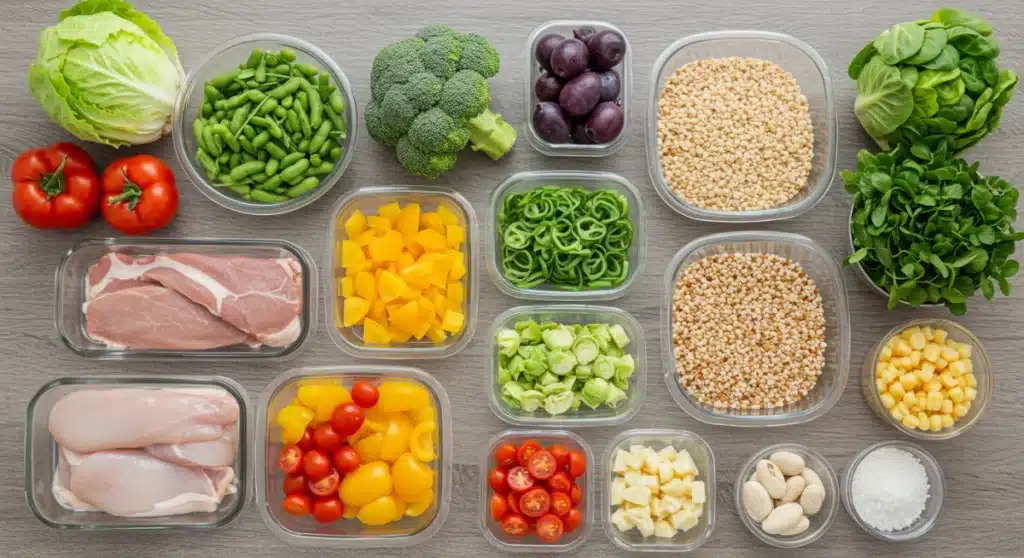
Grocery List Example (Approx. $45-50 for one person):
- Produce: 1 bag spinach, 1 head broccoli, 1 onion, 1 bag carrots, 1 bell pepper, 1 bunch bananas, 1 apple, 2 tomatoes, 1 cucumber, 2 sweet potatoes, 1 lemon
- Grains/Legumes: 1 bag dried lentils, 1 bag brown rice, 1 package whole wheat pasta, 1 small bag oats, 1 can black beans
- Proteins: 1 dozen eggs, 1 lb chicken thighs, 1 block tofu, 1 can tuna
- Dairy/Alternatives: 1 large container plain yogurt, 1 small carton milk (or non-dairy alternative)
- Pantry Staples (assuming you have some, budget for refills): Olive oil, salt, pepper, garlic powder, onion powder, cumin, chili powder, soy sauce, hot sauce
Weekly Meal Plan Example:
Monday:
- Breakfast: Oatmeal with banana and a sprinkle of cinnamon.
- Lunch: Lentil soup (batch cooked).
- Dinner: Baked chicken thigh with roasted sweet potato and broccoli.
Tuesday:
- Breakfast: Scrambled eggs with spinach.
- Lunch: Leftover baked chicken and veggies.
- Dinner: Black bean and veggie (onion, bell pepper, tomato) tacos on corn tortillas (use lettuce wraps for even more savings).
Wednesday:
- Breakfast: Yogurt with apple slices.
- Lunch: Leftover black bean and veggie mix as a salad or wrap.
- Dinner: Lentil and vegetable curry with brown rice.
Thursday:
- Breakfast: Oatmeal with a handful of berries (if fresh are cheap, otherwise frozen).
- Lunch: Leftover lentil and vegetable curry.
- Dinner: Tuna salad sandwich (on whole wheat bread if you have it) with cucumber and carrot sticks.
Friday:
- Breakfast: Scrambled eggs with a side of banana.
- Lunch: Leftover tuna salad.
- Dinner: Tofu and vegetable stir-fry with brown rice.
Saturday:
- Breakfast: Yogurt with a mix of leftover fruit.
- Lunch: Leftover tofu and vegetable stir-fry.
- Dinner: Whole wheat pasta with a simple tomato and vegetable sauce (using leftover onion, garlic, tomatoes).
Sunday:
- Breakfast: Banana pancakes (made with eggs, flour, milk, and mashed banana).
- Lunch: Leftover pasta.
- Dinner: Large batch of lentil soup or chili for the upcoming week.

Phase 4: Advanced Budget Meal Planning Tips & Tricks
Once you’ve got the basics down, these advanced tips will help you refine your budget meal planning and save even more.
Understanding and Utilizing Sales Cycles
Grocery stores often operate on sales cycles, typically every 6-8 weeks. Pay attention to when your favorite non-perishable items or freezer staples go on deep discount. When they do, stock up! This requires a bit of upfront investment but saves a lot in the long run. For example, if chicken breasts are half price, buy enough for a month and freeze what you won’t use immediately. This proactive stocking is a hallmark of truly effective budget meal planning.
Minimizing Food Waste: A Financial and Ethical Imperative
Food waste is a huge drain on your budget. The average household wastes a significant amount of food annually. By implementing strong waste reduction strategies, you can effectively lower your food spending.
- First In, First Out (FIFO): When storing groceries, put older items at the front and newer items at the back. This ensures you use older food before it spoils.
- Proper Storage: Learn the best way to store different foods to extend their shelf life. For example, store leafy greens with a paper towel to absorb moisture, and keep potatoes in a cool, dark place.
- Freezing: Freeze leftovers, extra portions of cooked meals, overripe fruits, and even some vegetables that are about to go bad.
- Composting: For unavoidable food scraps, consider composting. While it doesn’t save you money directly on food, it reduces landfill waste and can create nutrient-rich soil for a home garden, potentially saving on produce later.
Growing Your Own Food (Even a Little Bit)
Even a small herb garden on your windowsill can save you money on fresh herbs, which can be surprisingly expensive at the grocery store. If you have a bit more space, growing some basic vegetables like lettuce, tomatoes, or bell peppers can significantly impact your produce budget. It’s a satisfying way to connect with your food and enhance your budget meal planning efforts.
Learning Basic Cooking Skills
The more comfortable and skilled you are in the kitchen, the less reliant you’ll be on expensive convenience foods or takeout. Learning how to properly chop vegetables, make a simple sauce, or cook different proteins can open up a world of affordable culinary possibilities. There are countless free resources online, from YouTube tutorials to food blogs, that can help you build your cooking confidence.
The Power of Water and Homemade Beverages
Sugary drinks, sodas, and even bottled water can quickly eat into your budget. Make water your primary beverage. If you crave flavor, infuse water with lemon, cucumber, or berries. Making your own coffee or tea at home is also significantly cheaper than buying it out. This simple switch can save you tens of dollars each week, directly contributing to your $50 budget meal planning goal.
Review and Adjust Regularly
Budget meal planning isn’t a one-and-done task. It’s an ongoing process. At the end of each week, review your spending. Did you stay within your $50 budget? What worked well? What challenges did you face? Adjust your plan for the following week based on your experiences. Maybe you need to find a cheaper protein source, or perhaps you bought too much of one ingredient. Continuous learning and adaptation are key to long-term success.
Overcoming Common Challenges in Budget Meal Planning
Even with the best intentions, you might encounter hurdles. Here’s how to address some common challenges:
- Lack of Time: This is where batch cooking and simple, quick recipes become your best friends. Prioritize meals that require minimal active cooking time.
- Picky Eaters: Involve family members in the meal planning process. Offer choices within the budget. Sometimes, getting them to help prepare meals can also make them more willing to try new things.
- Boredom: Rotate your recipes and experiment with different spices and cooking methods. Use online resources like food blogs and recipe websites specifically dedicated to budget-friendly meals.
- Unexpected Expenses: Life happens. If you have an unexpected cost, pull back on discretionary spending in other areas for that week, or rely even more heavily on your cheapest staples.
- Social Pressures: Dining out with friends can be a budget-buster. Suggest potlucks, picnics, or cooking meals together at home instead.
The Long-Term Benefits of Budget Meal Planning
Beyond the immediate financial savings, adopting a rigorous budget meal planning strategy offers a wealth of long-term benefits:
- Improved Health: By focusing on whole, unprocessed foods, you’ll naturally consume fewer unhealthy fats, sugars, and additives, leading to better overall health and energy.
- Reduced Stress: Knowing what you’re going to eat each day eliminates the daily ‘what’s for dinner?’ stress and reduces the temptation for expensive last-minute solutions.
- Enhanced Cooking Skills: You’ll become a more confident and creative cook, able to whip up delicious meals from scratch.
- Environmental Impact: Reducing food waste and consuming less processed food contributes to a more sustainable lifestyle.
- Financial Freedom: The money saved on groceries can be redirected towards other financial goals, whether it’s paying down debt, saving for a down payment, or investing in your future.
Conclusion: Your Path to Budget-Friendly, Healthy Eating in 2026
Eating healthy and delicious meals for under $50 a week per person in 2026 is not a pipe dream; it’s an attainable reality. It requires commitment, planning, and a willingness to learn new habits, but the rewards are immense. By mastering strategic shopping, embracing efficient cooking techniques, and focusing on frugal staples, you can transform your relationship with food and your finances. This guide to budget meal planning provides the roadmap; now it’s up to you to take the first step.
Start small, celebrate your successes, and don’t get discouraged by occasional slip-ups. Every week is a new opportunity to refine your approach and get closer to your goal. Imagine the satisfaction of enjoying wholesome, home-cooked meals while watching your savings grow. The power of effective budget meal planning is in your hands. Happy cooking, and here’s to a healthier, wealthier you in 2026!