Budget-Friendly Family Meals: Feed Four for Under $100 Per Week in 2026

Budget-Friendly Family Meals: Feed Four for Under $100 Per Week in 2026
In an era where grocery prices seem to climb relentlessly, feeding a family nutritiously without breaking the bank has become a significant challenge for many. The good news is that with strategic planning, savvy shopping, and a dash of culinary creativity, it’s entirely possible to feed a family of four for under $100 per week, even in 2026. This comprehensive guide will walk you through eight proven strategies to achieve this budget-friendly goal, ensuring your family enjoys delicious, wholesome meals without the financial strain. Let’s dive into how you can master budget family meals and transform your grocery habits.
1. Master the Art of Meal Planning and Batch Cooking
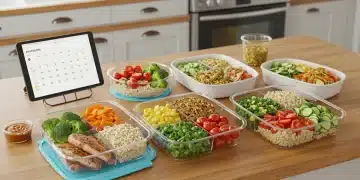
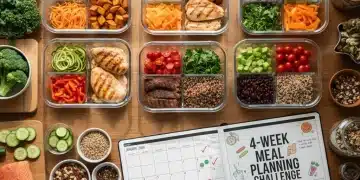
The cornerstone of successful budget family meals is meticulous meal planning. Without a plan, you’re susceptible to impulse purchases, food waste, and expensive last-minute takeout. Dedicate a specific time each week, perhaps Sunday afternoon, to plan all your meals for the upcoming week – breakfast, lunch, dinner, and snacks. This involves checking your pantry and refrigerator to see what you already have, then building your menu around those ingredients.
Creating Your Weekly Meal Plan
- Inventory First: Before you even think about recipes, take stock of your existing ingredients. This prevents duplicate purchases and ensures you use up what you have before it expires.
- Theme Nights: Introduce theme nights (e.g., “Meatless Monday,” “Taco Tuesday,” “Pasta Wednesday”) to simplify decision-making and add variety.
- Utilize Leftovers: Plan for intentional leftovers. A roast chicken can become chicken sandwiches or a chicken salad later in the week. A large batch of chili can be lunch for a few days.
- Seasonal Produce: Base your meals around in-season fruits and vegetables, which are typically cheaper and more flavorful.
The Power of Batch Cooking
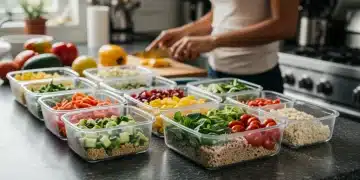
Once your meal plan is set, integrate batch cooking. This means preparing larger quantities of certain ingredients or entire dishes that can be portioned out and used throughout the week. Examples include:
- Cooking a big batch of grains like rice, quinoa, or farro.
- Chopping vegetables for multiple meals.
- Preparing large quantities of protein like grilled chicken, ground beef, or lentils.
- Making a big pot of soup, stew, or chili that can be frozen or refrigerated for several days.
Batch cooking saves time during busy weeknights and significantly reduces the temptation to order takeout, directly contributing to your goal of affordable budget family meals.
2. Smart Grocery Shopping: Your Wallet’s Best Friend
Once you have your meal plan and a detailed shopping list, it’s time to hit the grocery store with a strategy. Impulse buys are the enemy of a tight budget. Stick to your list religiously, and employ these smart shopping tactics:
Before You Go
- Check Sales Flyers and Digital Coupons: Most grocery stores release weekly flyers. Plan your meals around items that are on sale. Don’t forget to check for digital coupons or loyalty program discounts.
- Price Matching: Some stores offer price matching. If yours does, take advantage of it to consolidate your shopping trips and save money.
- Eat Before You Shop: Never shop on an empty stomach! Hunger can lead to irrational purchases and overspending.
At the Store
- Shop the Perimeter: The freshest and often healthiest (and sometimes cheapest) items like produce, dairy, and meat are typically found around the perimeter of the store. The center aisles often contain processed foods, which can be more expensive and less nutritious.
- Buy in Bulk (Wisely): Items like rice, pasta, oats, beans, and certain frozen vegetables are cheaper when bought in larger quantities. However, only buy in bulk if you have storage space and will actually use the product before it spoils.
- Generic Brands are Your Friend: Often, store-brand or generic products are just as good as their name-brand counterparts but cost significantly less. Give them a try!
- Avoid Pre-Cut/Pre-Washed: While convenient, pre-cut fruits, vegetables, and pre-marinated meats come with a premium price tag. Do the work yourself to save money.
- Unit Pricing: Always check the unit price (price per ounce, per pound) to determine the true best deal, especially for items with varying package sizes.
Implementing these shopping habits will drastically cut down your grocery bill, making your budget family meals goal a reality.
3. Embrace Frugal Proteins: Legumes, Eggs, and Lesser Cuts
Meat can be one of the most expensive components of your grocery bill. To keep your budget family meals under $100, you’ll need to get creative with your protein sources.
Plant-Based Powerhouses
- Beans and Lentils: Dried beans and lentils are incredibly cheap, versatile, and packed with protein and fiber. They can be used in soups, stews, chilis, salads, and even made into veggie burgers. A bag of dried lentils costs a fraction of the price of meat and yields numerous servings.
- Eggs: Eggs are an economical and nutrient-dense protein source. They’re not just for breakfast; consider frittatas, quiches, or egg fried rice for dinner.
- Tofu and Tempeh: These plant-based proteins are affordable and absorb flavors wonderfully, making them excellent meat substitutes in stir-fries, curries, and scrambles.
Smart Meat Choices
- Lesser-Known Cuts: Instead of premium cuts like steak or chicken breast, opt for more affordable options like chicken thighs or drumsticks, ground turkey, or pork shoulder. These cuts often have more flavor and can be slow-cooked to tenderness.
- Stretch Meat Further: When you do use meat, use it as a flavor enhancer rather than the main component. Combine ground meat with lentils or beans in dishes like tacos, casseroles, or pasta sauces to make it go further.
- Whole Chicken: Buying a whole chicken and breaking it down yourself is often cheaper than buying individual cuts. You can also use the carcass to make homemade chicken broth, which saves money and adds flavor to future meals.
4. Cook from Scratch and Minimize Processed Foods
One of the quickest ways to inflate your grocery bill is by relying on pre-made, convenience, or processed foods. Cooking from scratch not only saves money but also allows you to control the ingredients, leading to healthier budget family meals.
What to Make Yourself
- Sauces and Dressings: Store-bought sauces, marinades, and salad dressings are often expensive and high in sugar and sodium. Making your own is usually cheaper and healthier.
- Baked Goods: Bread, muffins, and cookies are much more affordable to bake at home. Consider making a large batch of homemade bread each week.
- Snacks: Instead of packaged snacks, opt for fruits, vegetables with hummus, homemade popcorn, or roasted nuts.
- Broth: As mentioned, use vegetable scraps and meat bones to make your own flavorful and free broth.
While it requires a bit more time, the savings and health benefits of cooking from scratch are substantial, directly supporting your goal of economical budget family meals.
5. Reduce Food Waste to Zero
Food waste is not just an environmental issue; it’s a financial drain. Every item you throw away is money thrown away. Minimizing food waste is a critical component of achieving your $100 weekly budget for budget family meals.
Strategies to Eliminate Waste
- Proper Storage: Learn how to properly store different types of food to maximize their shelf life. Use airtight containers, understand refrigeration zones, and know which produce should be kept at room temperature.
- First In, First Out (FIFO): When putting away groceries, move older items to the front of your pantry and fridge so they are used first.
- “Use It Up” Meals: Designate one meal a week (e.g., “Fridge Forage Friday”) to use up all the lingering ingredients in your fridge before they spoil. This could be a stir-fry, frittata, soup, or a creative pasta dish.
- Compost or Freeze Scraps: If you can’t eat them, consider composting vegetable scraps. For items like fruit that are past their prime but still edible, freeze them for smoothies or baking.
- Portion Control: Cook appropriate portion sizes to avoid excessive leftovers that might go uneaten.
6. Grow Your Own Herbs and Some Vegetables
While not everyone has a sprawling garden, even a small windowsill herb garden can make a difference in your grocery budget and the flavor of your budget family meals. Fresh herbs can be surprisingly expensive to buy repeatedly.
Easy-to-Grow Options
- Herbs: Basil, parsley, mint, chives, and cilantro are relatively easy to grow in pots, either indoors or outdoors.
- Lettuce and Spinach: These leafy greens can be grown in containers and harvested as needed.
- Scallions/Green Onions: You can regrow scallions from their root ends in a glass of water.
- Cherry Tomatoes: If you have a sunny spot, cherry tomatoes can yield a good harvest from a single plant.
Even small contributions from your own garden can reduce your reliance on store-bought produce and add fresh, vibrant flavors to your cooking.
7. Leverage Your Freezer Like a Pro
Your freezer is an invaluable tool for saving money and time when preparing budget family meals. It allows you to buy items on sale, preserve leftovers, and prep meals in advance.
Freezer Strategies
- Stock Up on Sales: When meat, poultry, or certain vegetables are on a deep discount, buy extra and freeze them.
- Batch Cook for the Freezer: Prepare double or triple batches of freezable meals like lasagna, chili, soups, stews, or casseroles. Portion them out and freeze for quick, homemade meals on busy nights.
- Freeze Leftovers: Don’t let leftovers go to waste. If you have too much for immediate consumption, portion and freeze them for future lunches or dinners.
- Freeze Produce: If you have extra fruits or vegetables nearing their end, chop them up and freeze them for smoothies, soups, or stir-fries.
- Homemade Stock: Freeze homemade chicken or vegetable broth in ice cube trays or larger containers.
A well-stocked and organized freezer means fewer trips to the grocery store and a constant supply of affordable, ready-to-eat options.
8. Get Creative with Budget-Friendly Recipes
The internet is a treasure trove of recipes designed for economical cooking. Don’t be afraid to experiment and adapt recipes to fit your budget and available ingredients. Focus on dishes that are naturally inexpensive and filling.
Recipe Ideas for Under $100/Week
- Pasta Dishes: Pasta is incredibly versatile and cheap. Think pasta with homemade marinara sauce, pasta primavera with seasonal vegetables, or a simple aglio e olio.
- Rice and Bean Bowls: A staple in many cultures, rice and beans can be elevated with spices, salsa, cheese, or a fried egg.
- Soups and Stews: Hearty soups and stews made with vegetables, legumes, and inexpensive cuts of meat (or no meat at all) are warming, filling, and budget-friendly.
- Oatmeal and Pancakes: For breakfast, oatmeal is incredibly cheap and nutritious. Homemade pancakes or waffles are also much more affordable than boxed cereals.
- Tostadas/Tacos: Corn tortillas are inexpensive and can be topped with beans, cheese, shredded lettuce, and salsa for a satisfying meal.
- Stir-fries: Use whatever vegetables you have on hand, a cheap protein like tofu or chicken thighs, and a homemade sauce for a quick and cost-effective dinner.
- Sheet Pan Meals: Chop up vegetables and a protein, toss with oil and seasonings, and roast on a single sheet pan for an easy, minimal-cleanup meal.
Look for recipes that emphasize grains, legumes, seasonal vegetables, and use meat sparingly or as a flavor accent. These types of dishes are the backbone of successful budget family meals.
Overcoming Challenges and Staying Motivated
Embarking on a journey to feed your family for under $100 a week is admirable, but it’s not without its challenges. There will be weeks when unexpected sales throw off your plan, or when you just don’t feel like cooking. Here’s how to stay the course:
Flexibility is Key
While strict meal planning is essential, allow for some flexibility. If you find an incredible deal on chicken breasts, adjust your plan to incorporate them. Don’t let a deviation derail your entire effort.
Involve the Family
Get everyone involved in the process. Children can help with meal planning, grocery list making, or simple cooking tasks. When they feel invested, they’re more likely to appreciate and eat the budget family meals you prepare.
Track Your Spending
Keep a close eye on your grocery spending. This awareness will help you identify areas where you might be overspending and reinforce your commitment to the budget. There are many apps and simple spreadsheets available to help with this.
Don’t Get Discouraged by Setbacks
You might go over budget one week, or a meal might not turn out as planned. It happens! Learn from it, adjust your strategy, and move forward. Consistency, not perfection, is the goal when it comes to long-term financial savings on budget family meals.
Conclusion: A Sustainable Path to Affordable Family Eating
Feeding a family of four for under $100 per week in 2026 is a challenging but entirely achievable goal. By diligently applying these eight strategies – mastering meal planning and batch cooking, smart grocery shopping, embracing frugal proteins, cooking from scratch, eliminating food waste, growing your own, leveraging your freezer, and getting creative with recipes – you can significantly reduce your grocery expenses without compromising on nutrition or flavor. These practices not only save you money but also instill valuable habits for healthy eating and financial stewardship. Start implementing these tips today, and watch your grocery budget transform, making delicious and affordable budget family meals a regular part of your family’s life.