Top 3 Meal Planning Apps 2026: Value for US Consumers
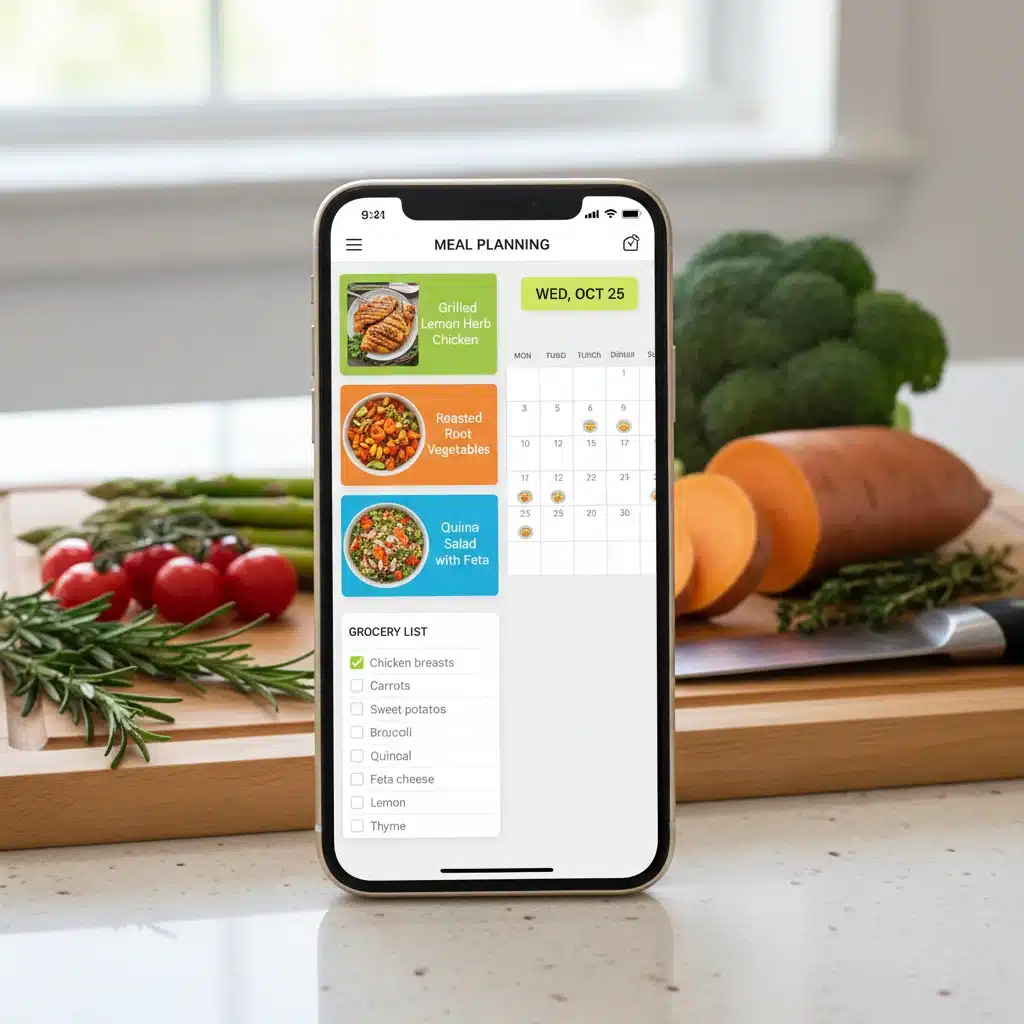
Comparing Top 3 Meal Planning Apps for 2026: Which One Delivers the Best Value for US Consumers?
In today’s fast-paced world, finding time to plan healthy, delicious meals can feel like an Olympic sport. Between busy work schedules, family commitments, and the constant barrage of information, many of us default to takeout or repetitive dishes. But what if there was a way to reclaim your kitchen, reduce food waste, and even save money, all while enjoying a wider variety of meals? Enter meal planning apps, the digital saviors designed to streamline your culinary life.
As we navigate into 2026, the landscape of digital meal planning tools has evolved dramatically. What started as simple recipe organizers has transformed into sophisticated platforms offering personalized nutrition, smart grocery lists, and even integration with smart kitchen appliances. For US consumers, the sheer number of options can be overwhelming. How do you choose the right app that truly delivers value, fits your lifestyle, and helps you achieve your dietary goals?
This comprehensive guide dives deep into the top three meal planning apps projected to dominate the market in 2026 for US consumers. We’ll meticulously compare their features, pricing structures, user experience, and unique selling points to help you make an informed decision. Whether you’re a seasoned chef looking for inspiration, a busy parent aiming for healthier family dinners, or someone embarking on a specific dietary journey, understanding the nuances of these platforms is key to finding your perfect culinary companion.
The Evolution of Meal Planning Apps: More Than Just Recipes
Gone are the days when a meal planning app simply stored your favorite recipes. Modern meal planning apps are integrated ecosystems designed to manage every aspect of your food journey. They leverage artificial intelligence and sophisticated algorithms to offer personalized recommendations based on your dietary preferences, allergies, health goals (e.g., weight loss, muscle gain, diabetes management), and even the ingredients you already have on hand. This level of customization is a game-changer, transforming meal prep from a chore into an enjoyable and efficient process.
Beyond recipe management, the best meal planning apps now include robust grocery list generators that automatically populate based on your selected meals, often organizing items by supermarket aisle for maximum efficiency. Some even offer direct integration with online grocery delivery services, taking the hassle out of shopping entirely. Nutritional tracking, budget features, and community forums are also becoming standard, creating a holistic approach to food management that empowers users to take control of their eating habits.
For US consumers, the focus on convenience, health, and cost-effectiveness is paramount. The apps we’ll be discussing excel in these areas, offering solutions that genuinely improve daily life. As technology continues to advance, we can expect even more innovative features, such as augmented reality cooking guides or seamless integration with smart refrigerators, making these tools indispensable for the modern kitchen.
Key Criteria for Evaluating Meal Planning Apps in 2026
Before we introduce our top contenders, let’s establish the critical benchmarks we used for our evaluation. These criteria are essential for any US consumer looking to invest in a meal planning app that truly meets their needs:
- Personalization & Dietary Support: How well does the app adapt to individual dietary restrictions (vegan, keto, gluten-free), allergies, and health goals? Does it offer customizable meal plans?
- Recipe Database Quality & Variety: Is there a vast, diverse, and appealing collection of recipes? Are they easy to follow, and do they cater to different skill levels?
- Grocery List Generation: Does the app automatically create smart grocery lists? Can you edit them, add non-recipe items, and organize them efficiently?
- User Interface & Experience (UI/UX): Is the app intuitive, easy to navigate, and visually appealing? Is it available on multiple devices (iOS, Android, web)?
- Cost & Value Proposition: What is the pricing model (subscription, freemium)? Does the cost justify the features and benefits offered? Are there hidden fees?
- Nutritional Information: Does the app provide detailed nutritional breakdowns for each meal? Can it track your daily intake?
- Community & Support: Are there active communities, forums, or customer support channels for assistance and inspiration?
- Integration Capabilities: Does it integrate with other health apps, smart kitchen devices, or online grocery services?
- Time-Saving Features: Does it offer features like batch cooking suggestions, meal prep guides, or quick meal ideas?
By applying these rigorous standards, we’ve identified three standout meal planning apps that are set to provide the most value to US consumers in 2026. Each app brings something unique to the table, catering to different needs and preferences.
Top Contender 1: PlateJoy – The Personalized Nutrition Powerhouse
Overview & Unique Selling Proposition
PlateJoy has long been a leader in personalized meal planning, and in 2026, it continues to refine its offering, cementing its place as a top choice for US consumers seeking highly customized dietary support. What sets PlateJoy apart is its incredibly detailed initial questionnaire, which dives deep into your health goals, dietary restrictions, allergies, food preferences (including likes and dislikes for specific ingredients), cooking habits, and even the appliances you own. This data then fuels a sophisticated algorithm that generates truly bespoke meal plans.
Users rave about PlateJoy’s ability to adapt to complex dietary needs, making it ideal for individuals with multiple restrictions or specific health objectives. Whether you’re managing diabetes, following a strict ketogenic diet, or simply trying to incorporate more plant-based meals, PlateJoy tailors every single recipe and meal suggestion to your profile.
Key Features & Benefits
- Hyper-Personalized Meal Plans: Not just a few filters, but an entire meal plan built around your unique profile.
- Dynamic Grocery Lists: Automatically generates grocery lists based on your plan, minimizing waste and organizing items logically.
- Nutritional Focus: Each recipe comes with detailed nutritional information, and the app helps you stay within your caloric and macro goals.
- Smart Leftovers & Batch Cooking: Integrates leftover planning and suggests recipes that allow for efficient batch cooking, saving time and money.
- Pantry Integration: Can account for ingredients you already have, further reducing grocery costs.
- Dietitian-Approved Recipes: A vast library of healthy, diverse recipes, all vetted for nutritional quality.
User Experience & Accessibility
PlateJoy’s interface is clean and modern, designed for ease of use across both its web platform and mobile apps (iOS and Android). The planning process is intuitive, allowing users to swap out meals they don’t like or adjust serving sizes with ease. The visual appeal of the recipes and the clear instructions contribute to a positive cooking experience. While the initial setup takes a bit more time due to the comprehensive questionnaire, the long-term benefits of such tailored planning are well worth the investment for many.
Pricing & Value for Money
PlateJoy operates on a subscription model, typically offering monthly, quarterly, and annual plans. While it might be perceived as slightly more expensive than some basic meal planning apps, its unparalleled personalization and the depth of its features justify the cost for those with specific dietary needs or who prioritize health and efficiency. The potential savings from reduced food waste and fewer impulse grocery purchases can often offset the subscription fee, making it a valuable investment for US consumers.
Top Contender 2: Yummly – The Smart Recipe Discovery & Shopping Assistant
Overview & Unique Selling Proposition
Yummly has evolved from a popular recipe discovery platform into a robust meal planning app that excels in both breadth of recipes and smart kitchen integration. In 2026, Yummly stands out for its massive, user-generated recipe database combined with powerful AI-driven recommendations and seamless grocery shopping features. Its unique selling proposition lies in its ability to inspire with an endless stream of delicious recipes while effortlessly guiding you from inspiration to plate.
Yummly is particularly appealing to those who love to explore new cuisines and experiment with different dishes but also want the convenience of having their meal plans and grocery lists organized. The app’s strength is its ability to learn your preferences over time, suggesting recipes you’re genuinely likely to enjoy, a feature that significantly enhances the cooking experience.
Key Features & Benefits
- Vast Recipe Library: Access to millions of recipes from home cooks, food blogs, and popular websites, all categorized and searchable.
- AI-Powered Recommendations: The more you use Yummly, the better it understands your tastes, dietary needs, and cooking habits, providing increasingly relevant recipe suggestions.
- Smart Shopping List: Automatically creates comprehensive grocery lists from your selected recipes, with options to add personal items and integrate with online grocery delivery services (e.g., Instacart, Amazon Fresh in the US).
- Ingredient Recognition: Can suggest recipes based on ingredients you already have, helping to reduce food waste.
- Built-in Timer & Cooking Mode: Guides you through recipes step-by-step with integrated timers and a hands-free cooking mode.
- Customizable Meal Plans: Allows users to drag and drop recipes into a weekly planner, making it easy to create a personalized schedule.
- Smart Thermometer Integration: For users with a Yummly Smart Thermometer, the app provides guided cooking and temperature monitoring for perfect results.
User Experience & Accessibility
Yummly boasts a visually rich and engaging interface. Recipe photos are vibrant, and the search functionality is highly effective, allowing users to filter by cuisine, diet, allergies, ingredients, and even cooking time. The app is available on iOS, Android, and web platforms, offering a consistent and enjoyable experience across devices. Its intuitive design makes it for new users to jump in and start planning meals almost immediately.
Pricing & Value for Money
Yummly offers a freemium model. The free version provides access to a vast number of recipes and basic meal planning features. The premium subscription unlocks advanced features like personalized meal plans, ad-free experience, exclusive recipes, and more robust grocery list integrations. For US consumers, the premium tier offers significant value, especially considering the extensive recipe database and the time-saving grocery features. It’s an excellent choice for those who want both inspiration and practical assistance in their kitchen.
Top Contender 3: Mealime – The Quick & Easy Solution for Busy Lives
Overview & Unique Selling Proposition
Mealime has carved out a niche as the go-to meal planning app for busy individuals and families who prioritize speed, simplicity, and healthy eating without compromising on flavor. In 2026, Mealime continues to shine with its focus on ultra-quick, balanced recipes and a streamlined planning process. Its unique selling proposition is its ability to deliver healthy meals with minimal effort and grocery trips, making it perfect for those with demanding schedules.
If your goal is to spend less time in the kitchen and at the grocery store while still eating well, Mealime is designed with you in mind. It simplifies the entire meal planning process, from recipe selection to grocery shopping, making healthy eating accessible even on the busiest weekdays.
Key Features & Benefits
- Fast & Easy Recipes: A curated collection of recipes that are typically quick to prepare (often 30 minutes or less) and use common ingredients.
- Customizable Meal Plans: Generate personalized meal plans based on your dietary preferences (e.g., classic, flexitarian, low carb, paleo), allergies, and dislikes.
- Streamlined Grocery Lists: Automatically creates concise, organized grocery lists that are easy to navigate in the supermarket.
- Portion Control: Easily adjust serving sizes for individuals, couples, or families, ensuring you buy and cook just what you need.
- Cook Mode: A distraction-free cooking mode with clear, step-by-step instructions.
- Minimal Food Waste: Plans are designed to use ingredients efficiently across multiple meals, significantly reducing waste.
- Offline Access: Access your meal plans and grocery lists even without an internet connection.
User Experience & Accessibility
Mealime’s strength lies in its minimalist and highly intuitive user interface. The app is incredibly easy to navigate, with a focus on quick decision-making and efficient planning. The process of building a meal plan is almost gamified, with simple swipes to select or reject recipes. It’s available on iOS and Android, offering a consistent and fluid experience. The visual design is clean and uncluttered, making it a joy to use even when you’re short on time.
Pricing & Value for Money
Mealime also offers a compelling freemium model. The free version provides access to a good selection of recipes and basic meal planning functionalities. The Pro subscription unlocks premium recipes, advanced filters, nutritional information, and the ability to add your own recipes. For US consumers, the Pro version offers exceptional value, especially given its focus on efficiency and healthy eating. It’s an affordable way to dramatically reduce the mental load of meal planning and grocery shopping, making it a strong contender for busy individuals and families.
Comparative Analysis: PlateJoy vs. Yummly vs. Mealime
While all three are excellent meal planning apps, their strengths lie in different areas, catering to diverse user needs:
- For Ultimate Personalization & Dietary Precision: PlateJoy is the undisputed champion. If you have complex dietary needs, specific health goals, or simply desire a meal plan that feels like it was crafted just for you by a nutritionist, PlateJoy’s deep customization is unmatched. The investment of time in the initial setup pays dividends in highly relevant meal suggestions.
- For Recipe Exploration & Smart Kitchen Integration: Yummly shines brightest. If you love discovering new recipes, enjoy culinary experimentation, and appreciate smart features like AI-driven recommendations and smart thermometer integration, Yummly offers an exciting and comprehensive experience. Its vast recipe database ensures you’ll never run out of inspiration.
- For Speed, Simplicity & Busy Lifestyles: Mealime is the clear winner. If your primary goal is to get healthy, delicious meals on the table with minimal fuss, grocery trips, and decision fatigue, Mealime’s streamlined approach and quick recipes are invaluable. It’s perfect for busy professionals, parents, or anyone looking to simplify their cooking routine without sacrificing health.
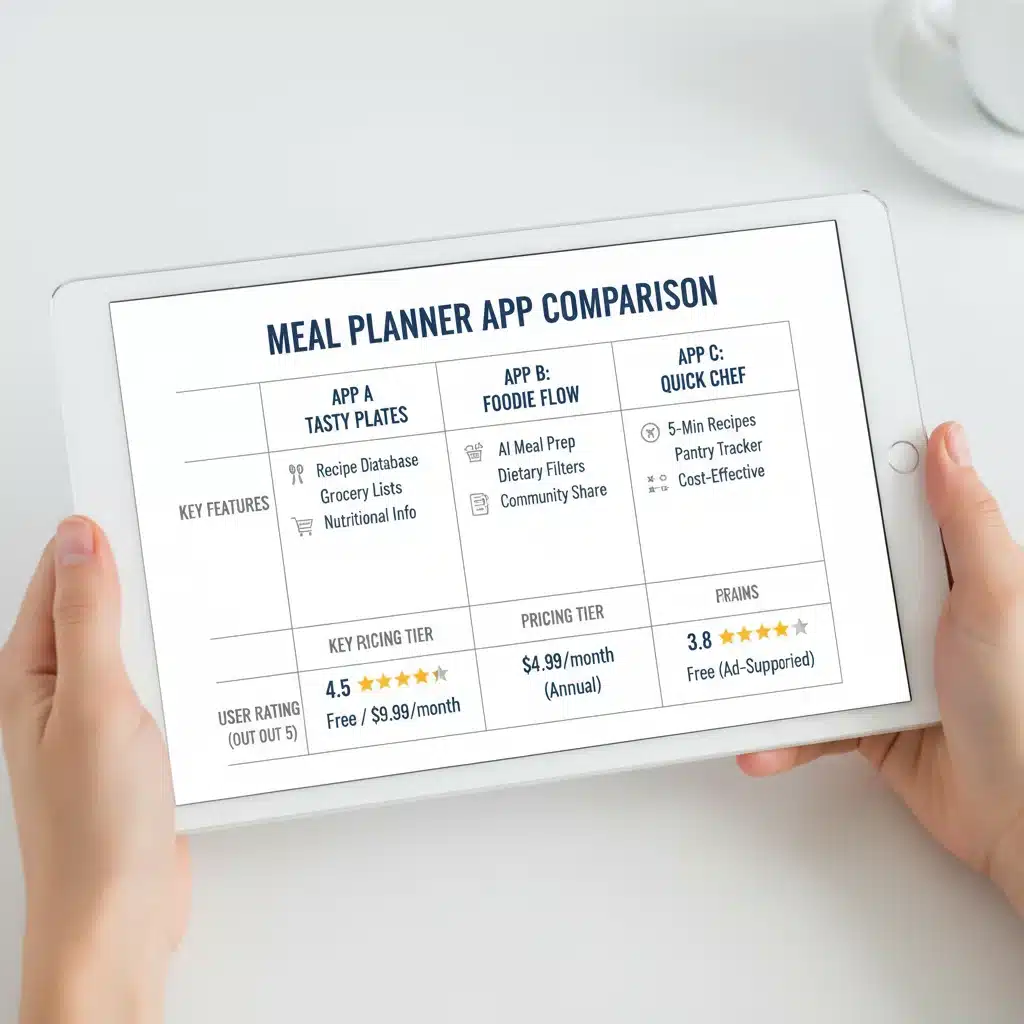
Pricing Comparison at a Glance (Estimates for 2026, subject to change):
- PlateJoy: Typically higher-tier subscription (e.g., $8-12/month when billed annually), reflecting its premium personalization.
- Yummly: Freemium model. Premium likely in the $5-7/month range (billed annually) for advanced features.
- Mealime: Freemium model. Pro subscription likely in the $3-5/month range (billed annually), offering excellent value for its efficiency.
It’s crucial for US consumers to consider not just the upfront cost, but the overall value proposition. An app that helps you reduce food waste, avoid expensive takeout, and manage your health effectively can easily pay for itself many times over.
Tips for Maximizing Your Meal Planning App Experience
Once you’ve chosen your ideal meal planning app, here are some strategies to ensure you get the most out of it:
- Be Honest with Your Preferences: The more accurate your input (dietary needs, dislikes, cooking skill), the better the app’s recommendations will be.
- Start Small: Don’t try to plan every single meal for the entire week immediately. Start with dinners, then gradually add lunches and breakfasts as you get comfortable.
- Utilize the Grocery List Feature: This is one of the biggest time-savers. Stick to it and avoid impulse buys.
- Embrace Leftovers: Many apps, especially PlateJoy, are designed to incorporate leftovers into future meals, saving you cooking time and reducing waste.
- Schedule Your Planning Time: Dedicate a specific block each week (e.g., Sunday morning) to plan your meals and generate your grocery list.
- Experiment with New Recipes: Don’t be afraid to try new things the app suggests. This helps expand your culinary horizons.
- Provide Feedback: If the app learns from your likes and dislikes (like Yummly), actively rate recipes to improve future suggestions.
- Integrate with Your Lifestyle: Use the app’s features that align with how you live. If you batch cook, look for apps that support it. If you order groceries online, use that integration.
- Review Nutritional Information: If health goals are important, regularly check the nutritional breakdowns to ensure you’re on track.
- Engage with the Community: If available, community forums can be a great source of inspiration, tips, and support.
The Future of Meal Planning: What to Expect Beyond 2026
The trajectory of meal planning apps is one of increasing sophistication and integration. Beyond 2026, we can anticipate even more seamless experiences:
- AI-Powered Ingredient Recognition: Imagine scanning your fridge with your phone, and the app instantly suggests meals based on what’s available and what’s about to expire.
- Advanced Smart Appliance Integration: Deeper connections with smart ovens, slow cookers, and even robotic kitchen assistants, allowing for remote preheating or automated cooking steps.
- Augmented Reality (AR) Cooking Guides: Overlaying instructions directly onto your countertop, guiding you through complex techniques in real-time.
- Hyper-Personalized Health & Wellness Integration: Connecting with wearables and health trackers to dynamically adjust meal plans based on your activity levels, sleep patterns, and even real-time biometric data.
- Sustainability Focus: Apps increasingly recommending seasonal, locally sourced ingredients and providing tools to minimize environmental impact.
- Voice-Activated Planning: Simply telling your smart speaker your dietary needs and having a meal plan generated instantly.
These innovations promise to make meal planning even more intuitive, efficient, and integrated into our daily lives, further solidifying the role of these apps as essential tools for modern living.
Conclusion: Finding Your Perfect Meal Planning Partner
Choosing the best meal planning app for you in 2026 ultimately comes down to your personal needs, priorities, and budget. For US consumers, the market offers robust solutions that cater to a wide spectrum of users. PlateJoy stands out for its unparalleled personalization, ideal for those with specific dietary requirements or health goals. Yummly excels in recipe discovery and smart kitchen integration, perfect for culinary adventurers. Mealime offers a streamlined, efficient experience for busy individuals and families who prioritize speed and simplicity.
No matter which app you choose, embracing a digital meal planning tool is a powerful step towards a more organized, healthier, and potentially more budget-friendly approach to food. By leveraging the advanced features of these top contenders, you can transform the way you think about and prepare your meals, making cooking an enjoyable and stress-free part of your routine. Take the leap, explore the options, and discover how a dedicated meal planning app can revolutionize your kitchen in 2026 and beyond.