Avoid These 6 Meal Planning Mistakes & Save 30% on Food Costs

Effectively avoiding common meal planning mistakes is crucial for preventing a significant increase in food costs, potentially saving you up to 30% this year by optimizing grocery purchases and reducing food waste.
Are you tired of seeing your grocery bills skyrocket? This year, many households are facing a potential 30% increase in food costs, making smart strategies more critical than ever. Learning to avoid these 6 common meal planning mistakes can be your secret weapon to keeping your budget in check and enjoying delicious, healthy meals without the financial strain.
Overlooking Inventory: The Hidden Cost of Duplication
One of the most frequent errors in meal planning begins before you even write your grocery list: failing to check what you already have. Many people rush to the store, only to discover later that they bought items they already possessed, leading to duplicate purchases and wasted food. This oversight is a significant contributor to unnecessary spending and can inflate your food budget considerably.
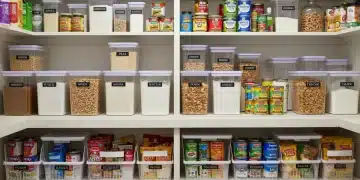
Before you even think about what meals you’ll prepare, take a thorough inventory of your pantry, refrigerator, and freezer. This simple step can reveal forgotten ingredients and prevent you from buying duplicates, saving you money and reducing clutter. Knowing what you have on hand allows you to build meals around existing items, maximizing their use and minimizing waste.
The Pantry Audit: A Weekly Ritual
- Check Expiration Dates: Prioritize using items nearing their expiration.
- Organize Shelves: Group similar items together for easy visibility.
- Make a ‘Use First’ List: Dedicate a section of your fridge or pantry for items that need to be consumed soon.
By making a comprehensive inventory a regular part of your routine, you transform your kitchen into an efficient resource hub. This proactive approach ensures that every dollar spent on groceries is utilized effectively, preventing the cycle of buying, forgetting, and eventually discarding perfectly good food. It’s a fundamental step in smart meal planning that directly impacts your bottom line.
Ignoring Sales and Seasonal Produce: Missing Out on Major Savings
Another critical misstep in meal planning is neglecting to incorporate current sales and seasonal produce into your weekly menu. Many shoppers create a meal plan first and then go grocery shopping, often paying full price for ingredients that could have been purchased at a significant discount if they had aligned their plan with store promotions. This oversight can easily add up, contributing substantially to higher food costs throughout the year.
Seasonal produce is not only fresher and more flavorful but also considerably cheaper due to its abundance. Similarly, weekly store flyers are goldmines for deals on pantry staples, meats, and dairy. Integrating these factors into your meal planning process means you’re actively seeking out savings rather than passively accepting higher prices.
Embracing Seasonal Eating and Weekly Deals
- Review Weekly Flyers: Before planning, check local grocery store advertisements for sales.
- Prioritize Seasonal Ingredients: Build meals around fruits and vegetables that are currently in season.
- Stock Up Smartly: Purchase non-perishable sale items in bulk, but only if you know you’ll use them.
By making sales and seasonal produce the foundation of your meal plan, you’re making a conscious decision to optimize your food budget. This strategy not only saves money but also encourages culinary creativity as you adapt your recipes to what’s available and affordable. It’s a dynamic approach to meal planning that yields both financial and gastronomic benefits.
Failing to Plan for Leftovers: A Missed Opportunity for Efficiency
Many meal plans focus solely on dinner, overlooking the potential of leftovers for subsequent meals. This common mistake leads to preparing entirely new dishes for lunch or other meals, which consumes more time, requires more ingredients, and ultimately increases food expenditure. Failing to strategically plan for leftovers is a significant missed opportunity for both convenience and cost savings.
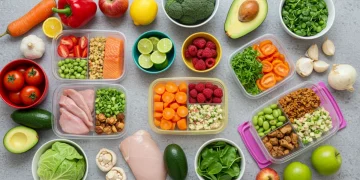
Incorporating leftovers into your meal plan means cooking with intention, often preparing larger batches of certain dishes that can be repurposed. This approach reduces the need for multiple cooking sessions and ensures that every component of a meal is consumed, minimizing food waste. It transforms a single cooking effort into multiple nutritious meals.
Strategic Leftover Utilization
Consider preparing dishes that are versatile and can be easily transformed. A roasted chicken, for instance, can provide meat for sandwiches, salads, or even a soup base for days to come. Similarly, a large batch of grains or roasted vegetables can serve as a foundation for various meals throughout the week.
- Cook in Bulk: Double recipes for dishes that freeze well or can be reimagined.
- Designate Leftover Nights: Plan one or two nights a week where everyone eats leftovers.
- Repurpose Ingredients: Think creatively about how main components can become new meals.
By intentionally planning for leftovers, you’re not just saving money; you’re also saving precious time and reducing the mental load of daily meal preparation. It’s an efficient and economical way to ensure you’re getting the most out of your groceries and your cooking efforts, directly combating rising food costs.
Not Accounting for Food Waste: The Silent Budget Killer
Food waste is perhaps the most insidious of all meal planning mistakes. It’s the silent budget killer, often going unnoticed until you realize how much perfectly good food ends up in the trash. This can stem from overbuying, improper storage, or simply not having a clear plan for using all the ingredients purchased. The financial impact of food waste is substantial, contributing directly to that potential 30% increase in food costs.
Addressing food waste requires a conscious effort to understand where and why food is being discarded. It involves more than just eating what you buy; it’s about buying what you’ll eat, storing it correctly, and having backup plans for ingredients that might not get used as quickly as anticipated. Every item thrown away represents money literally tossed into the bin.

Strategies to Combat Food Waste
Implementing a few key habits can drastically reduce the amount of food you throw away. From smarter shopping to creative cooking, every step makes a difference.
- Shop with a List (and Stick to It): Avoid impulse buys that often go to waste.
- Proper Storage: Learn the best ways to store different foods to extend their shelf life.
- ‘Eat Me First’ Bin: Designate a visible spot in your fridge for items that need to be consumed soon.
- Creative Cooking: Learn to use scraps and wilting produce in stocks, smoothies, or stir-fries.
By actively working to minimize food waste, you’re not only being more environmentally responsible but also directly protecting your wallet. It’s a powerful way to ensure that your carefully planned grocery budget is actually translating into consumed meals, not discarded food.
Lack of Flexibility in the Plan: Rigidity Leads to Expense
While having a meal plan is beneficial, an overly rigid one can ironically lead to increased spending and stress. Life happens: unexpected dinner invitations, sudden cravings, or finding an incredible deal on an ingredient not on your list. A plan that doesn’t allow for these variables often results in either food waste (if you stick to the plan and ignore the deal) or extra spending (if you deviate without adjusting the original plan).
A successful meal plan is a living document, adaptable to changing circumstances. Building in a degree of flexibility allows you to capitalize on spontaneous opportunities, incorporate last-minute sales, and respond to your family’s preferences without derailing your budget. This adaptability is key to a sustainable and cost-effective approach to feeding your household.
Building Adaptability into Your Meal Plan
Instead of assigning specific meals to every single day, consider planning meals around categories or having a few ‘flex meals’ that can be swapped in. This provides structure without stifling spontaneity.
- Theme Nights: Assign themes (e.g., ‘Taco Tuesday,’ ‘Pasta Wednesday’) rather than fixed recipes.
- ‘Pantry Meal’ Slot: Designate one night a week for a meal made entirely from pantry staples.
- Buffer Days: Don’t plan every single meal; leave room for leftovers or impromptu meals out.
- Embrace Substitutions: Be open to swapping ingredients based on what’s on sale or available.
By embracing a more flexible approach, your meal plan becomes a helpful guide rather than a restrictive rulebook. This prevents the frustration of wasted ingredients or the temptation to dine out when your rigid plan doesn’t align with your current needs, ultimately saving you money and making mealtime more enjoyable.
Not Tracking Spending and Consumption: Ignorance Isn’t Bliss for Your Budget
The final, and perhaps most critical, meal planning mistake is failing to track your actual spending and consumption. Many people create a budget and a meal plan but then don’t monitor whether they are actually adhering to them. Without this feedback loop, it’s impossible to identify patterns of overspending, pinpoint areas of waste, or understand the true impact of your meal planning efforts on your wallet.
Tracking your grocery expenses and observing what foods are consistently left uneaten provides invaluable data. It allows you to adjust your future plans, make more informed purchasing decisions, and truly understand where your money is going. Ignorance in this area ensures that inefficient habits persist, contributing directly to higher food costs.
Monitoring Your Food Budget and Habits
This doesn’t have to be a complicated process. Simple methods can provide significant insights into your spending and consumption patterns.
- Keep All Receipts: Review them weekly to compare against your meal plan and budget.
- Use a Budgeting App: Many apps help categorize spending and track grocery expenses.
- Note What’s Wasted: Keep a mental or physical note of items that consistently go bad before use.
- Analyze Your Habits: Understand why certain meals weren’t eaten or ingredients unused.
By diligently tracking your spending and consumption, you gain the power to make data-driven decisions about your meal planning. This insight transforms your approach from guesswork to strategic management, ensuring that you effectively curb rising food costs and make every dollar count towards nutritious and satisfying meals.
| Key Mistake | Solution for Savings |
|---|---|
| Ignoring Inventory | Conduct a weekly pantry and fridge audit before planning meals. |
| Skipping Sales/Seasonal | Plan meals around weekly store flyers and in-season produce. |
| No Leftover Plan | Cook larger batches and intentionally incorporate leftovers into future meals. |
| Untracked Spending | Regularly track grocery expenses and consumption to identify waste. |
Frequently Asked Questions About Meal Planning
It’s recommended to check your pantry, fridge, and freezer at least once a week before you start your meal planning process. This ensures you have an accurate inventory of what you already own, preventing duplicate purchases and reducing food waste effectively.
Begin by reviewing weekly grocery store flyers from your preferred stores. Then, build your meal plan around the discounted items, especially proteins and produce. Also, prioritize seasonal ingredients, as they are often cheaper and fresher, maximizing your savings.
To reduce food waste, plan meals based on exact portion sizes, properly store ingredients to extend shelf life, and repurpose leftovers creatively. A ‘use me first’ bin in your fridge can also help prioritize items that need to be consumed soon.
A flexible meal plan is generally more effective. While a structure is good, allowing room for spontaneity, unexpected events, or last-minute sales helps prevent waste and overspending. Consider theme nights or ‘pantry meal’ slots for adaptability.
Tracking spending helps you identify where your money is actually going and highlights areas of potential overspending or waste. This data-driven insight allows you to refine your meal planning strategies, making more informed decisions to stay within your budget and achieve savings goals.
Conclusion
Navigating the rising tide of food costs requires more than just good intentions; it demands a strategic approach to how we plan and prepare our meals. By consciously addressing these 6 common meal planning mistakes – from overlooking inventory and ignoring sales to failing to plan for leftovers and neglecting spending tracking – you empower yourself to significantly reduce your grocery bill. Implementing these practical adjustments not only prevents a potential 30% increase in your food costs this year but also fosters a more sustainable, less wasteful, and ultimately more enjoyable relationship with your food. Start today, and watch your savings grow while your culinary adventures flourish.