Vegan vs. Mediterranean: Best Healthy Recipes Under $12 in 2025
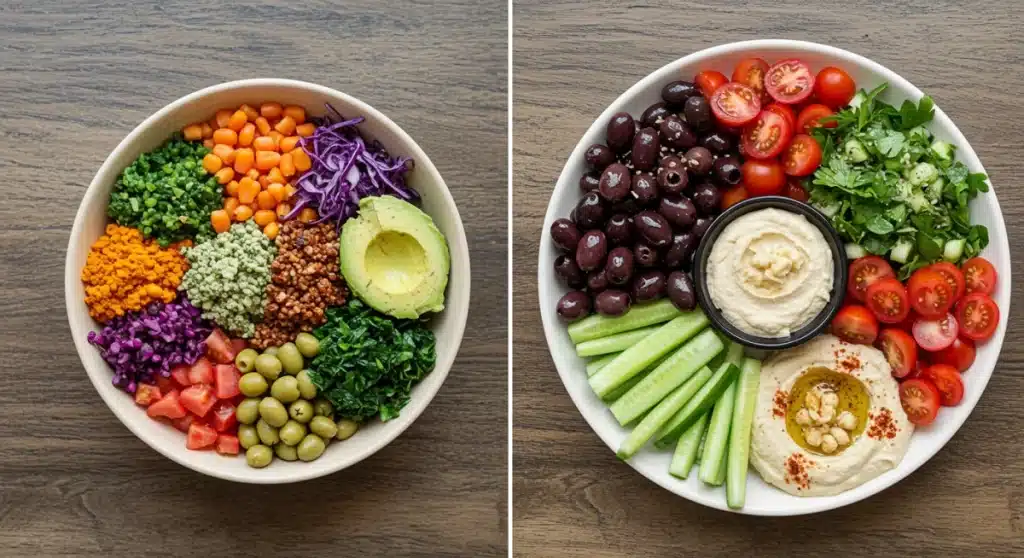
Comparing vegan versus Mediterranean healthy recipes reveals that while both offer substantial nutritional benefits, the optimal choice for under $12 per meal in 2025 often depends on specific ingredient sourcing and culinary preferences.
In a world increasingly focused on health and sustainability, dietary choices have never been more prominent. This comparison/analysis: vegan vs. Mediterranean healthy recipes – which delivers better nutritional value for under $12 per meal in 2025? dives deep into two of the most lauded eating patterns, assessing their benefits, challenges, and cost-effectiveness for the average American household. We’ll explore which approach best balances nutrition, flavor, and budget.
Understanding the Vegan Diet: Core Principles and Nutritional Strengths
The vegan diet, a plant-based eating pattern, excludes all animal products, including meat, dairy, eggs, and honey. Its philosophical underpinnings often extend beyond nutrition to ethics and environmental concerns. From a health perspective, a well-planned vegan diet is rich in fiber, vitamins, and minerals, while being low in saturated fat and cholesterol.
Adopting a vegan lifestyle means embracing a diverse array of fruits, vegetables, legumes, grains, nuts, and seeds. This variety is key to achieving comprehensive nutrition. The emphasis on whole, unprocessed foods naturally leads to higher intake of beneficial plant compounds.
Key nutritional benefits of a vegan diet
- High fiber content: Promotes digestive health and satiety.
- Rich in antioxidants: Found in abundant fruits and vegetables, combating oxidative stress.
- Lower saturated fat: Contributes to better cardiovascular health.
- Good source of plant protein: Legumes, tofu, tempeh, and nuts provide essential amino acids.
However, careful planning is essential to avoid nutrient deficiencies, particularly for vitamin B12, iron, calcium, vitamin D, iodine, and omega-3 fatty acids. Fortified foods and supplements often play a crucial role in a balanced vegan diet.
Ultimately, the vegan diet offers a powerful framework for health, provided individuals are mindful of nutrient intake and embrace a wide spectrum of plant-based foods. Its inherent focus on whole foods can significantly improve dietary quality.
Exploring the Mediterranean Diet: Traditions and Health Advantages
The Mediterranean diet is less a strict diet and more a lifestyle inspired by the traditional eating patterns of countries bordering the Mediterranean Sea. It emphasizes whole, unprocessed foods, with a strong focus on plant-based ingredients, but also includes fish, poultry, eggs, and dairy in moderation. Red meat is consumed sparingly.
Olive oil is the primary source of fat, and daily intake of fruits, vegetables, whole grains, and legumes is encouraged. Nuts and seeds are also prominent. Wine is consumed in moderation, typically with meals. This dietary pattern is renowned for its association with longevity and lower risk of chronic diseases.
Pillars of Mediterranean eating
- Abundant plant foods: High intake of fruits, vegetables, whole grains, nuts, and seeds.
- Healthy fats: Extra virgin olive oil as the main source of dietary fat.
- Moderate animal products: Fish and seafood consumed regularly, poultry and dairy in moderation.
- Social and cultural aspects: Emphasizes shared meals and an active lifestyle.
The Mediterranean diet’s strength lies in its balance and the synergy of its components. The combination of healthy fats, fiber, and diverse micronutrients contributes to its protective effects against heart disease, certain cancers, and cognitive decline. It’s a highly sustainable and enjoyable way of eating for many.
The traditional Mediterranean approach offers a holistic view of well-being, integrating food with lifestyle. It’s a flexible framework that allows for cultural variations while retaining its core health-promoting principles.
Nutritional Showdown: Vegan vs. Mediterranean — A Deep Dive
When placing vegan and Mediterranean diets side-by-side for nutritional value, both emerge as exemplary, yet with distinct profiles. The vegan diet shines in its complete absence of cholesterol and very low saturated fat content, often leading to lower blood pressure and improved lipid profiles. It typically provides higher fiber intake due to its exclusive reliance on plant foods.
The Mediterranean diet, while including some animal products, still prioritizes plant-based foods and healthy fats from olive oil, nuts, and seeds. This results in a diet rich in monounsaturated fats, omega-3s (from fish), and a wide array of vitamins and minerals from diverse food groups. The inclusion of fish provides bioavailable forms of omega-3s and vitamin D that can be harder to obtain in a purely vegan diet without supplementation.
Comparative nutritional highlights
- Fiber: Vegan diets generally have an edge due to higher legume and grain consumption.
- Saturated Fat & Cholesterol: Vegan diets are typically lower in both.
- Omega-3s: Mediterranean diets often provide more EPA/DHA from fish; vegans rely on ALA sources (flax, chia) or algae-based supplements.
- Micronutrients: Both are generally rich, but vegans need to be more vigilant about B12, iron, and calcium.
Both diets significantly reduce the risk of chronic diseases compared to standard Western diets. The choice often comes down to individual health goals, ethical considerations, and how effectively one can plan meals within each framework to cover all nutritional bases. Each diet, if poorly planned, can lead to deficiencies, highlighting the importance of variety and informed food choices.
Cost-Effectiveness: Can You Eat Healthy for Under $12 Per Meal in 2025?
The $12 per meal budget in 2025 is a realistic and achievable goal for both vegan and Mediterranean diets, provided smart shopping and meal prep strategies are employed. For vegan meals, staples like lentils, beans, rice, pasta, seasonal vegetables, and tofu are incredibly affordable. Buying in bulk and cooking from scratch are key to keeping costs down.
Mediterranean meals can also be budget-friendly by focusing on inexpensive staples such as whole grains, legumes, seasonal produce, and opting for more affordable fish options like sardines or mackerel, or incorporating fish less frequently. Chicken and eggs, consumed in moderation, can also be cost-effective protein sources. The judicious use of olive oil is important, as it can be a pricier item.
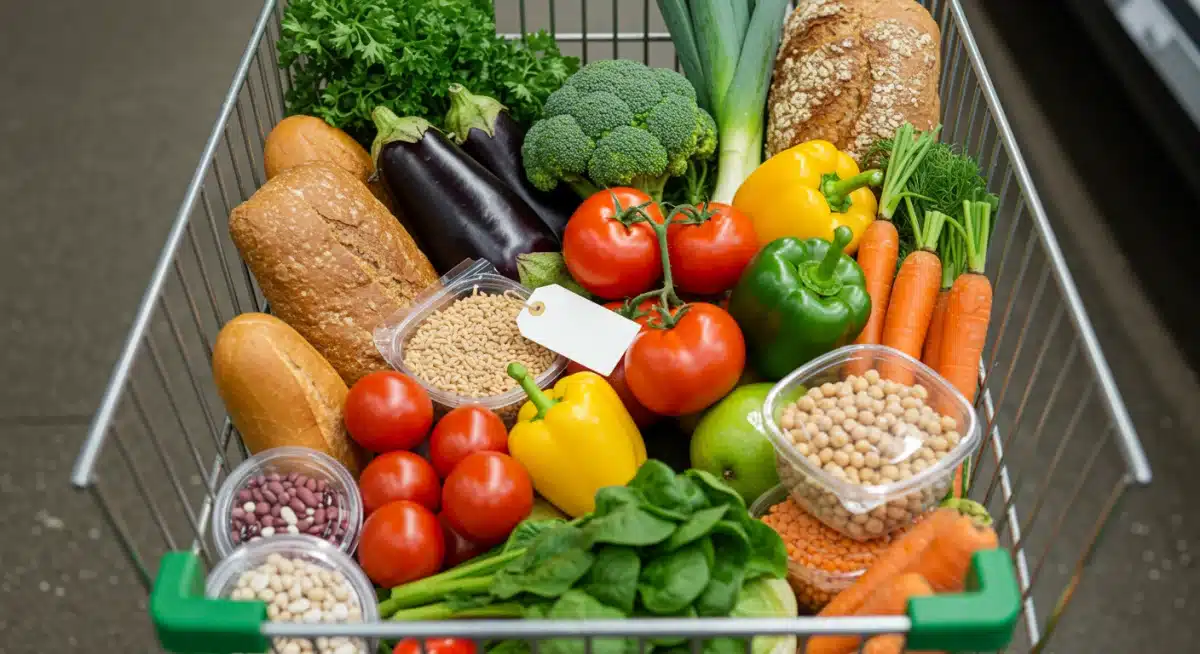
Strategic shopping is paramount. This includes utilizing sales, buying frozen vegetables when fresh are expensive, and minimizing highly processed or specialty ingredients. Meal planning also plays a significant role, reducing food waste and impulse purchases.
Budget-friendly tips for both diets
- Buy in bulk: Grains, legumes, and nuts are cheaper when purchased in larger quantities.
- Seasonal produce: Opt for fruits and vegetables that are in season and locally available.
- Cook from scratch: Preparing meals at home is almost always cheaper than eating out or buying pre-made.
- Utilize frozen foods: Frozen fruits and vegetables are often just as nutritious and more affordable.
While specialty vegan products or premium cuts of fish can quickly escalate costs, focusing on whole, unprocessed ingredients allows both diets to thrive within a $12 per meal budget. It requires a conscious effort and a bit of culinary creativity, but it is certainly attainable.
Practical Meal Planning and Recipe Ideas on a Budget
Effective meal planning is the cornerstone of sticking to a $12 per meal budget while following either a vegan or Mediterranean diet. Begin by planning your meals for the week, creating a shopping list, and sticking to it. This prevents unnecessary purchases and ensures you have all the ingredients needed for your chosen recipes.
For vegan meals, think about hearty lentil stews, bean chili, tofu scrambles with seasonal vegetables, or pasta with homemade marinara and plenty of greens. A simple chickpea curry with rice can be incredibly satisfying and economical. Utilizing batch cooking for grains and legumes can save significant time and money throughout the week.
Affordable recipe inspirations
- Vegan: Lentil soup with whole-wheat bread, chickpea and vegetable stir-fry, black bean burgers with homemade buns, pasta primavera with seasonal veggies.
- Mediterranean: Shakshuka with crusty bread, lemon-herb roasted chicken (or chickpeas) with roasted vegetables, lentil salad with feta (optional), whole-wheat pita pizzas with fresh toppings.
For Mediterranean meals, consider dishes like baked fish with roasted potatoes and a simple salad, whole-wheat pasta with a tomato and vegetable sauce, or a large batch of minestrone soup. Hummus and pita with fresh vegetables make for an excellent, inexpensive snack or light meal. The key is to embrace the versatility of plant-based ingredients and use animal products as flavorful accents rather than the main focus.
By focusing on whole, unprocessed ingredients and smart cooking techniques, both vegan and Mediterranean diets offer a plethora of delicious and budget-friendly meal options. Creativity in the kitchen, combined with mindful shopping, makes healthy eating accessible to all.
Long-Term Health Impacts and Sustainability Considerations
Both vegan and Mediterranean diets are associated with significant long-term health benefits. The vegan diet’s emphasis on whole plant foods contributes to a lower risk of heart disease, type 2 diabetes, certain cancers, and obesity. Its exclusion of animal products can lead to a reduced intake of dietary cholesterol and saturated fats, positively impacting cardiovascular health.
The Mediterranean diet, with its balanced approach to healthy fats, lean proteins, and abundant plant foods, is also strongly linked to improved cardiovascular health, reduced inflammation, and enhanced cognitive function. It has been shown to support healthy aging and reduce the risk of chronic diseases. Both diets promote a healthy gut microbiome due to their high fiber content.
Environmental and ethical aspects
- Vegan: Generally considered to have a lower environmental footprint due to reduced land use, water consumption, and greenhouse gas emissions associated with animal agriculture.
- Mediterranean: More sustainable than a typical Western diet, but its environmental impact varies depending on the sourcing of fish and other animal products.
From a sustainability standpoint, the vegan diet typically has a smaller environmental footprint due to the lower resource intensity of plant-based food production. However, the Mediterranean diet, with its focus on local, seasonal produce and sustainable fishing practices, can also be highly sustainable. The key for both is choosing locally sourced, minimally processed foods.
Ultimately, both dietary patterns offer robust pathways to long-term health. The choice between them often hinges on personal values, health goals, and the commitment to a sustainable and ethically sound food system. Both demand conscious food choices for optimal benefits.
Making Your Choice: Vegan or Mediterranean for You?
Deciding between a vegan and Mediterranean diet boils down to a blend of personal preferences, health objectives, ethical considerations, and practical lifestyle factors. There isn’t a single ‘best’ diet for everyone, as individual needs and circumstances vary greatly. Both approaches offer substantial health benefits, particularly when compared to a standard Western diet laden with processed foods.
If your primary motivation is animal welfare or environmental impact, a vegan diet aligns more directly with those values. It provides a clear framework for avoiding all animal products. Nutritionally, it demands careful attention to ensure adequate intake of certain vitamins and minerals, often requiring supplementation or fortified foods.
Factors influencing your decision
- Personal health goals: Weight management, chronic disease prevention, athletic performance.
- Ethical considerations: Animal welfare, environmental impact.
- Dietary flexibility: Preference for including some animal products vs. strict plant-only.
- Culinary preferences: Enjoyment of specific foods and cooking styles.
The Mediterranean diet offers a flexible and inclusive approach, making it potentially easier for some to adopt and maintain long-term. Its emphasis on balanced meals, healthy fats, and moderate consumption of fish and lean meats can be very appealing. It naturally incorporates a wide range of nutrient-dense foods without the same level of concern for specific nutrient deficiencies that a vegan diet might present.
Ultimately, the best diet for you is the one you can sustain long-term, that meets your nutritional needs, and that you genuinely enjoy. Both vegan and Mediterranean diets offer solid foundations for healthy eating under $12 per meal in 2025, proving that nutritious food doesn’t have to break the bank.
| Dietary Approach | Key Nutritional & Cost Aspects |
|---|---|
| Vegan Diet | High fiber, no cholesterol, rich in plant compounds. Requires B12, iron, calcium vigilance. Budget-friendly with staples like legumes and grains. |
| Mediterranean Diet | Rich in healthy fats (olive oil), omega-3s (fish), balanced micronutrients. Moderate animal products. Achievable under $12/meal with smart choices. |
| Cost-Effectiveness | Both diets can be budget-friendly (<$12/meal) by focusing on whole, unprocessed foods, seasonal produce, and bulk buying. |
| Long-Term Health | Both diets are linked to reduced risk of chronic diseases, improved cardiovascular health, and healthy aging when well-planned. |
Frequently Asked Questions About Healthy Eating
Not inherently. Both diets offer significant health benefits. A well-planned vegan diet is excellent for cholesterol and fiber, while the Mediterranean diet provides a broader spectrum of nutrients, including readily available omega-3s from fish. The best choice depends on individual needs and how well each diet is executed.
The main challenges include ensuring adequate intake of vitamin B12, iron, and calcium, which often require fortified foods or supplements. Additionally, avoiding expensive processed vegan alternatives and focusing on whole foods like legumes, grains, and seasonal vegetables is crucial for budget adherence.
To keep Mediterranean meals under $12, prioritize inexpensive staples such as whole grains, lentils, beans, and seasonal vegetables. Choose more affordable fish like sardines or mackerel, or opt for poultry and eggs in moderation. Batch cooking and strategic shopping for sales also significantly help manage costs.
Both vegan and Mediterranean diets can be effective for weight loss, as they both emphasize whole, unprocessed foods and limit unhealthy fats and sugars. The key for either is creating a calorie deficit while ensuring nutritional adequacy. Adherence and individual metabolic responses play a larger role than the diet type itself.
Yes, both diets can be safe and healthy for children with careful planning and, ideally, professional guidance. For vegan children, ensuring sufficient iron, B12, vitamin D, and calcium is vital. The Mediterranean diet’s inclusion of varied food groups makes it generally well-suited for growing children, promoting balanced nutrition from an early age.
Conclusion
The exploration into vegan vs. Mediterranean healthy recipes – which delivers better nutritional value for under $12 per meal in 2025? reveals that both dietary patterns are champions of health, each with unique strengths. The vegan diet excels in its low saturated fat and high fiber content, aligning with strong ethical and environmental principles. The Mediterranean diet offers a balanced, flexible approach rich in healthy fats and diverse whole foods. Crucially, both are achievable within a budget-conscious framework, proving that nutritious food doesn’t require a hefty price tag. The ultimate choice rests on individual health goals, personal values, and the commitment to thoughtful meal planning and preparation.