Save $50 Monthly: High-Protein, Cost-Effective Recipes 2025
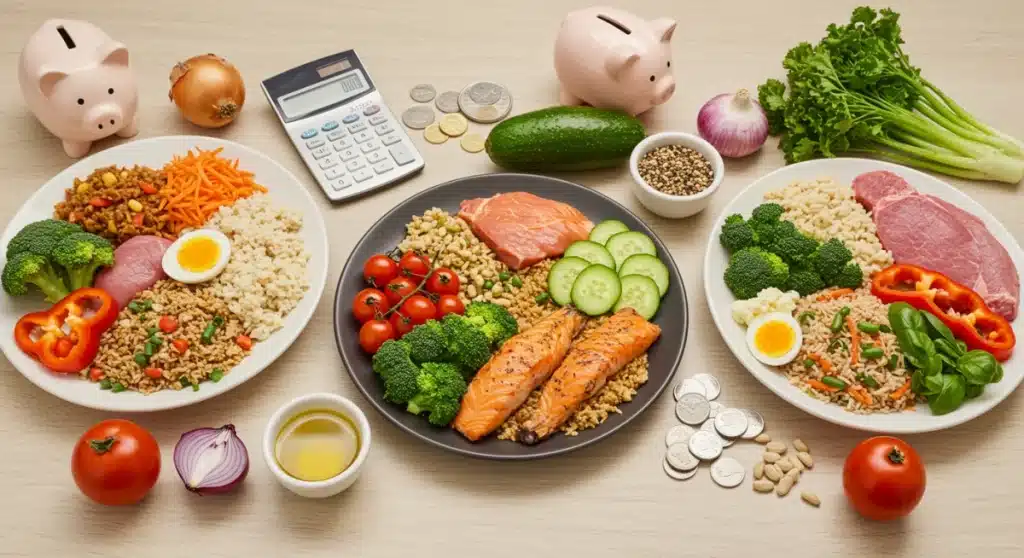
Saving over $50 monthly is achievable by integrating three specifically designed, high-protein, and healthy recipes into your diet, optimizing both your nutritional intake and your household budget throughout 2025.
Are you ready to transform your plate and your wallet? The Financial Impact: Save Over $50 Monthly with These 3 High-Protein Healthy Recipes Designed for Cost-Effective Eating in 2025 is more than just a catchy phrase; it’s a practical guide to achieving significant savings without compromising your health or taste buds.
Understanding the Link Between Diet and Dollars
The choices we make in the grocery aisle have a profound impact not only on our health but also on our financial well-being. Many believe that eating healthy means spending more, but this is a common misconception. With strategic planning and smart ingredient choices, it’s entirely possible to enjoy nutritious, high-protein meals that are also incredibly budget-friendly.
This section delves into how thoughtful meal preparation can lead to substantial savings, debunking the myth that health comes at a premium price. By focusing on whole, unprocessed foods and understanding their nutritional value, consumers can make informed decisions that benefit both their bodies and their bank accounts.
The True Cost of Convenience Foods
Convenience foods, while seemingly saving time, often come with hidden costs. These can include higher prices per serving, lower nutritional density, and ingredients that may not align with a healthy lifestyle. Opting for home-cooked meals, even when simple, typically offers better value and greater control over what you consume.
- Higher Price Point: Pre-packaged meals and processed snacks are generally more expensive than their homemade counterparts.
- Nutritional Deficiencies: Often loaded with unhealthy fats, sugars, and sodium, convenience foods can detract from your health goals.
- Lack of Control: When you don’t cook, you lose control over ingredients, portion sizes, and cooking methods.
Understanding these trade-offs is the first step toward making more cost-effective and healthier dietary choices. Preparing meals at home allows for bulk purchasing and utilizing versatile ingredients, which inherently drives down costs.
Ultimately, a mindful approach to eating and grocery shopping can significantly reduce monthly food expenses. This isn’t about deprivation but about smart substitutions and leveraging the power of home cooking. The financial benefits extend beyond just the immediate savings, contributing to overall financial stability and reduced healthcare costs in the long run due to improved health.
Recipe 1: Hearty Lentil & Vegetable Stew (Budget-Friendly Powerhouse)
This lentil and vegetable stew is a true champion of cost-effective, high-protein eating. Packed with fiber, vitamins, and plant-based protein, it’s incredibly satisfying and can be made in large batches for meal prepping throughout the week. Its versatility allows for seasonal vegetable substitutions, further enhancing its budget-friendly appeal.
Lentils are an excellent source of protein and iron, making them a fantastic base for any healthy diet, especially for those looking to reduce meat consumption or simply save money. This recipe emphasizes simple ingredients that are readily available and affordable, proving that nutritious meals don’t require exotic or expensive components.
Ingredients & Preparation for Maximum Savings
The key to maximizing savings with this stew lies in smart shopping and efficient preparation. Buying dried lentils in bulk is significantly cheaper than canned varieties, and staples like carrots, celery, and onions are consistently affordable. Utilize sales on vegetables and consider frozen options for year-round availability.
- Dried Lentils: Purchase in bulk for the best value; soak overnight if desired, though not always necessary for red or green lentils.
- Root Vegetables: Carrots, potatoes, and sweet potatoes offer sustained energy and are typically inexpensive.
- Canned Tomatoes: A pantry staple that adds depth and richness without a high cost.
- Herbs & Spices: Instead of fresh, use dried herbs like thyme, bay leaves, and oregano for long-lasting flavor.
Preparation is straightforward: sauté your aromatics, add vegetables, lentils, and broth, then simmer until everything is tender. This one-pot meal minimizes cleanup and maximizes flavor, making it an ideal choice for busy individuals and families alike. The aroma alone is enough to make this a household favorite.
By following this recipe, you’re not just cooking a meal; you’re investing in your health and your financial future. The cost per serving is remarkably low, making it a sustainable option for regular consumption. Plus, it freezes beautifully, allowing you to have healthy, budget-friendly meals on hand whenever hunger strikes.

Recipe 2: Sheet Pan Chicken & Roasted Veggies (Effortless & Nutritious)
For those seeking a high-protein meal that requires minimal effort and delivers maximum flavor, the sheet pan chicken and roasted veggies recipe is an absolute game-changer. This method not only simplifies cooking and cleanup but also allows for excellent portion control and nutrient retention. It’s a perfect solution for busy weeknights.
Chicken breast or thighs offer lean protein, while a colorful array of vegetables provides essential vitamins and minerals. The beauty of this recipe lies in its adaptability; you can easily swap out vegetables based on what’s in season or what you have on hand, keeping costs low and flavors fresh.
Smart Ingredient Choices for Budget-Conscious Roasting
To keep this meal cost-effective, focus on buying chicken in larger packs when on sale and freezing individual portions. Opt for sturdy vegetables that roast well and are typically affordable, such as broccoli, bell peppers, onions, and zucchini. A simple olive oil and herb seasoning blend is all you need.
- Chicken: Purchase family packs of chicken breasts or thighs when discounted; portion and freeze.
- Seasonal Vegetables: Choose vegetables that are currently in season for the best prices and flavor.
- Olive Oil: A good quality olive oil is worth the investment, but look for sales or store brands.
- Dried Herbs: Garlic powder, onion powder, paprika, and Italian seasoning are versatile and inexpensive.
The preparation involves simply tossing the chicken and vegetables with olive oil and spices, then spreading them onto a single sheet pan and roasting until cooked through and tender-crisp. This method ensures even cooking and a delightful caramelized finish on the vegetables, enhancing their natural sweetness.
This recipe exemplifies efficiency in the kitchen, proving that healthy, high-protein meals don’t have to be complicated or time-consuming. The minimal cleanup is an added bonus, contributing to a stress-free meal experience. It’s an excellent way to ensure you’re eating well without breaking the bank.
Recipe 3: Black Bean Burgers with Whole-Grain Buns (Plant-Powered & Economical)
Embrace plant-based power with these homemade black bean burgers, a fantastic high-protein, fiber-rich, and incredibly economical alternative to traditional meat burgers. These burgers are surprisingly easy to make, offer a satisfying texture, and are bursting with flavor, making them a family favorite even for meat-eaters.
Black beans are a nutritional powerhouse, providing ample protein, fiber, and various micronutrients at a fraction of the cost of animal protein. When paired with whole-grain buns and fresh toppings, these burgers become a complete and balanced meal that supports both your health and your budget.
Crafting Affordable & Flavorful Black Bean Burgers
The core of this recipe relies on canned black beans, which are consistently affordable. Enhancing their flavor profile with common pantry spices like cumin, chili powder, and garlic powder, along with a binder like oats or breadcrumbs, keeps the cost down while delivering delicious results. Don’t forget the whole-grain buns for added fiber.
- Canned Black Beans: Rinse thoroughly to reduce sodium content; buy store brands for extra savings.
- Oats or Breadcrumbs: Act as a binder; use what you have on hand to avoid extra purchases.
- Onion & Garlic: Essential flavor bases that are always budget-friendly.
- Whole-Grain Buns: Check for sales or consider making your own if time permits for maximum savings.
To prepare, simply mash the black beans, mix with the other ingredients, form into patties, and then pan-fry or bake until golden brown. Serve on whole-grain buns with your favorite fresh toppings like lettuce, tomato, and avocado (if budget allows). These burgers are also great for meal prep, as patties can be made ahead and frozen.
This recipe demonstrates that healthy eating doesn’t require expensive exotic ingredients. By utilizing humble, affordable staples like black beans, you can create incredibly satisfying and protein-packed meals that contribute significantly to your monthly savings and overall well-being. It’s a delicious way to diversify your protein sources.
Maximizing Your Savings: Meal Prep & Smart Shopping Strategies
Simply having the recipes isn’t enough; true savings come from strategic implementation. Meal prepping and smart shopping are two sides of the same coin, working in tandem to reduce food waste, save time, and significantly cut down on your grocery bill. This proactive approach ensures you’re always prepared with healthy, budget-friendly options.
The goal is to minimize impulse purchases and leverage bulk buying, seasonal produce, and efficient cooking methods. By dedicating a few hours each week to planning and preparation, you can unlock the full financial potential of these recipes and more, making healthy eating an effortless part of your routine.
Essential Tips for a Budget-Friendly Kitchen
Adopting a few key habits can make a huge difference in your monthly food budget. These strategies go beyond just the recipes and empower you to make smarter choices every time you shop or cook.
- Plan Your Meals: Create a weekly meal plan centered around your chosen recipes and available ingredients.
- Shop with a List: Stick to your list to avoid unnecessary impulse purchases.
- Buy in Bulk: For non-perishable items like grains, beans, and spices, bulk buying often offers significant savings.
- Utilize Sales: Stock up on items when they are on sale, especially proteins and long-lasting produce.
- Reduce Food Waste: Use leftovers creatively and properly store food to extend its shelf life.
By integrating these practices into your routine, you’ll find that saving money on food becomes second nature. It’s not just about cutting costs, but about making conscious choices that align with a healthier, more sustainable lifestyle. The cumulative effect of these small changes can lead to substantial financial benefits over time, easily exceeding the $50 monthly target.
Beyond the Plate: The Broader Financial Impact
The financial benefits of adopting these cost-effective, high-protein recipes extend far beyond the immediate savings on your grocery bill. A healthier diet can lead to a reduction in healthcare expenses, increased energy for productivity, and a general improvement in overall quality of life. This holistic view emphasizes the long-term advantages.
Investing in nutritious food is an investment in your future. When you feel better, you perform better, both professionally and personally. This can indirectly lead to greater earning potential and fewer days lost to illness, further solidifying the financial wisdom of healthy eating.
Long-Term Benefits of Mindful Eating
The ripple effect of a healthy diet touches various aspects of your financial landscape. From reduced medical bills to improved mental clarity, the advantages are multifaceted and significant.
- Lower Healthcare Costs: A healthy diet can reduce the risk of chronic diseases, leading to fewer doctor visits and medication expenses.
- Increased Productivity: Eating well provides sustained energy and focus, enhancing work performance and daily tasks.
- Reduced Dining Out: Having delicious, ready-to-eat meals at home lessens the temptation and expense of eating out.
- Sustainable Habits: Learning to cook and eat healthily on a budget creates habits that can last a lifetime, ensuring ongoing savings.
Embracing a lifestyle centered around cost-effective, healthy eating is a powerful step towards financial independence and personal well-being. It’s about making deliberate choices that support both your body and your bank account, creating a virtuous cycle of health and prosperity. The cumulative savings from these small, consistent efforts can be truly remarkable.
| Key Aspect | Brief Description |
|---|---|
| Recipe Focus | High-protein, healthy, and budget-friendly meals. |
| Monthly Savings Goal | Over $50 monthly through smart eating choices. |
| Key Strategies | Meal prep, bulk buying, seasonal produce utilization. |
| Overall Impact | Improved health, financial well-being, and reduced food waste. |
Frequently Asked Questions About Budget-Friendly Eating
The recommended dietary allowance for protein is 0.8 grams per kilogram of body weight. However, this can vary based on age, activity level, and health goals. Active individuals or those looking to build muscle may require more, typically ranging from 1.2 to 2.0 grams per kilogram. Consulting a nutritionist can provide personalized guidance for your specific needs.
The Hearty Lentil & Vegetable Stew and Black Bean Burgers are naturally vegetarian and can be easily adapted for vegan diets by ensuring all other ingredients, like broths or buns, are plant-based. The Sheet Pan Chicken recipe can be modified by substituting chicken with plant-based alternatives like tofu or tempeh, or by increasing the quantity of protein-rich vegetables.
To minimize food waste, plan your meals in advance, create a detailed grocery list, and stick to it. Store food properly in airtight containers, utilize leftovers creatively, and freeze excess portions for future meals. Composting food scraps can also reduce landfill waste and benefit your garden, further saving money.
Absolutely. By consistently choosing cost-effective ingredients, cooking at home, and minimizing expensive convenience foods or dining out, saving $50 or more per month is highly achievable. These recipes specifically target common budget drains, making it easier to reach and surpass that savings goal through mindful eating habits.
Excellent sources of affordable protein include dried or canned beans and lentils, eggs, plain Greek yogurt, oats, and certain cuts of chicken or turkey when on sale. Plant-based proteins like tofu and tempeh are also becoming increasingly accessible and budget-friendly. Shopping at local farmers’ markets or discount grocery stores can also yield significant savings.
Conclusion
Embracing a diet rich in high-protein, healthy, and cost-effective recipes is a powerful strategy for improving both your physical well-being and your financial health. The three recipes outlined—Hearty Lentil & Vegetable Stew, Sheet Pan Chicken & Roasted Veggies, and Black Bean Burgers—are prime examples of how delicious and nutritious eating doesn’t have to break the bank. By integrating these meals into your weekly rotation, coupled with smart shopping and meal prep techniques, you can realistically achieve savings of over $50 monthly in 2025. This approach not only ensures you are fueling your body with essential nutrients but also empowers you to take greater control of your finances, fostering a sustainable lifestyle that benefits every aspect of your life.