Plant-Based Power: 8 Essential Healthy Recipes for Athletes Boosting Endurance Towards 2026
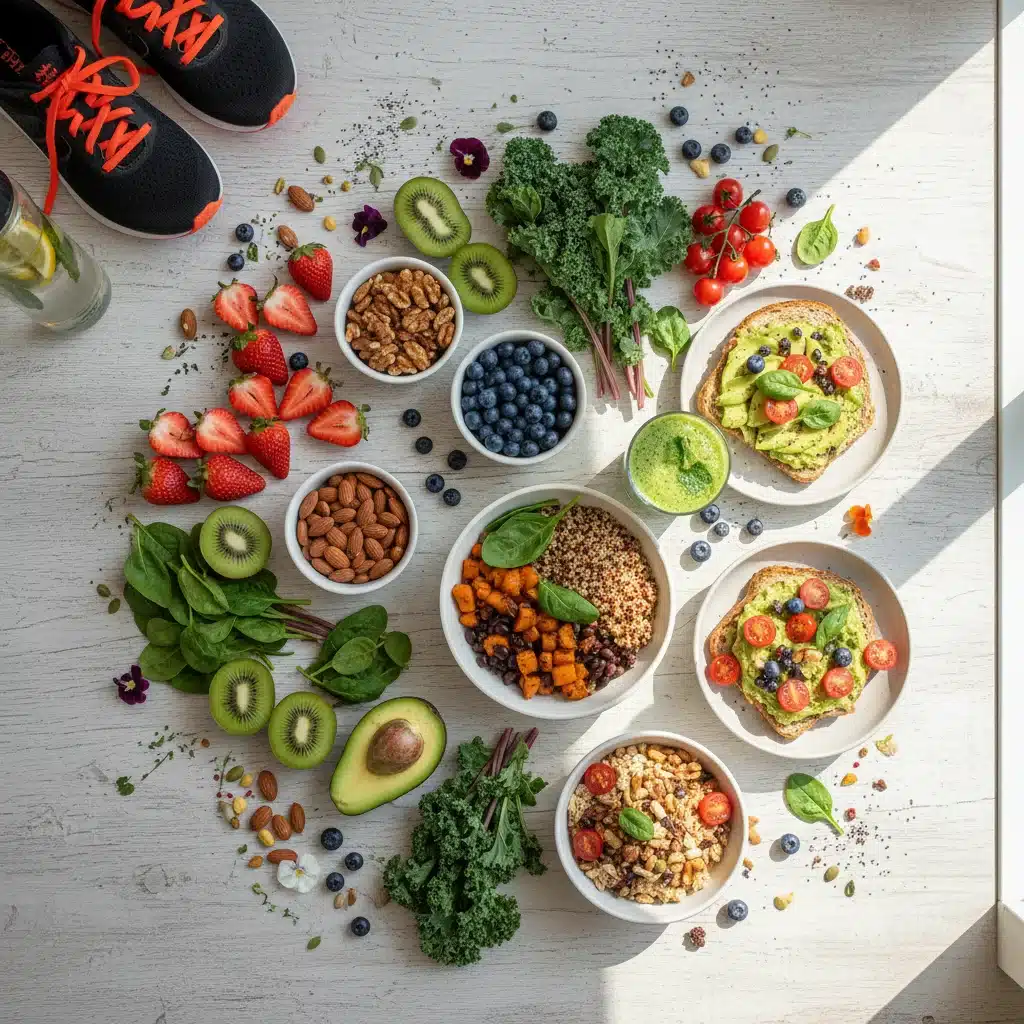
In the demanding world of athletics, every edge counts. Athletes are constantly seeking ways to optimize their performance, enhance recovery, and push their limits further. While traditional sports nutrition often emphasizes animal proteins, a growing body of evidence, and an increasing number of elite athletes, are demonstrating the profound benefits of a plant-based diet. This isn’t just about ethical choices; it’s about unlocking a new level of physical prowess, particularly when it comes to endurance.
For athletes aiming for a significant increase in endurance – say, a 20% boost by 2026 – plant-based nutrition offers a powerful, sustainable, and highly effective pathway. The abundance of complex carbohydrates, antioxidants, vitamins, minerals, and healthy fats found in plants can fuel sustained energy, reduce inflammation, and accelerate recovery, all crucial components for endurance athletes. This comprehensive guide will delve into the science behind plant-based athlete endurance and provide 8 essential healthy recipes designed to propel you towards your 2026 goals.
The Unstoppable Rise of Plant-Based Athlete Endurance
The misconception that plant-based diets lack sufficient protein or energy for athletes is rapidly being debunked. From ultra-marathoners to Olympic weightlifters, athletes across various disciplines are thriving on plant-based regimens. The key lies in strategic planning and understanding the nutrient density of plant foods. A well-planned plant-based diet provides all the macronutrients (carbohydrates, proteins, fats) and micronutrients necessary for optimal athletic function.
Why Plant-Based for Endurance?
- Sustained Energy Release: Complex carbohydrates from whole grains, legumes, fruits, and vegetables provide a steady supply of glucose, the primary fuel for endurance activities, preventing energy crashes.
- Reduced Inflammation: Plant foods are rich in antioxidants and anti-inflammatory compounds, which help combat exercise-induced inflammation and oxidative stress, leading to faster recovery and reduced muscle soreness.
- Improved Blood Flow: Nitrates found in vegetables like beets and leafy greens can enhance nitric oxide production, leading to better blood flow and oxygen delivery to working muscles.
- Optimal Gut Health: The high fiber content in plant-based diets supports a healthy gut microbiome, which is linked to improved nutrient absorption, immune function, and even mood.
- Efficient Recovery: The combination of carbohydrates for glycogen replenishment, protein for muscle repair, and anti-inflammatory compounds makes plant-based meals ideal for post-exercise recovery.
Achieving a 20% boost in endurance by 2026 is an ambitious yet attainable goal with the right nutritional foundation. These plant-based recipes are not just about delicious food; they are about functional fuel designed to support every aspect of an athlete’s journey.
Recipe 1: The Ultimate Pre-Workout Power Oatmeal
Starting your day with the right fuel is paramount for an endurance athlete. This oatmeal recipe is packed with complex carbohydrates for sustained energy, healthy fats for absorption, and a touch of protein.
Ingredients:
- 1/2 cup rolled oats
- 1 cup plant milk (almond, soy, or oat)
- 1 tbsp chia seeds
- 1 tbsp ground flaxseed
- 1/2 cup mixed berries (fresh or frozen)
- 1/4 cup chopped walnuts or pecans
- 1 tbsp maple syrup or agave (optional, for sweetness)
- Pinch of cinnamon
Instructions:
- Combine oats, plant milk, chia seeds, flaxseed, and cinnamon in a small saucepan.
- Bring to a gentle simmer over medium heat, stirring occasionally.
- Reduce heat to low and cook for 5-7 minutes, or until the oats have absorbed most of the liquid and reached your desired consistency.
- Remove from heat and stir in maple syrup if using.
- Top with mixed berries and chopped nuts.
- Serve warm and enjoy this excellent source of plant-based athlete endurance fuel.
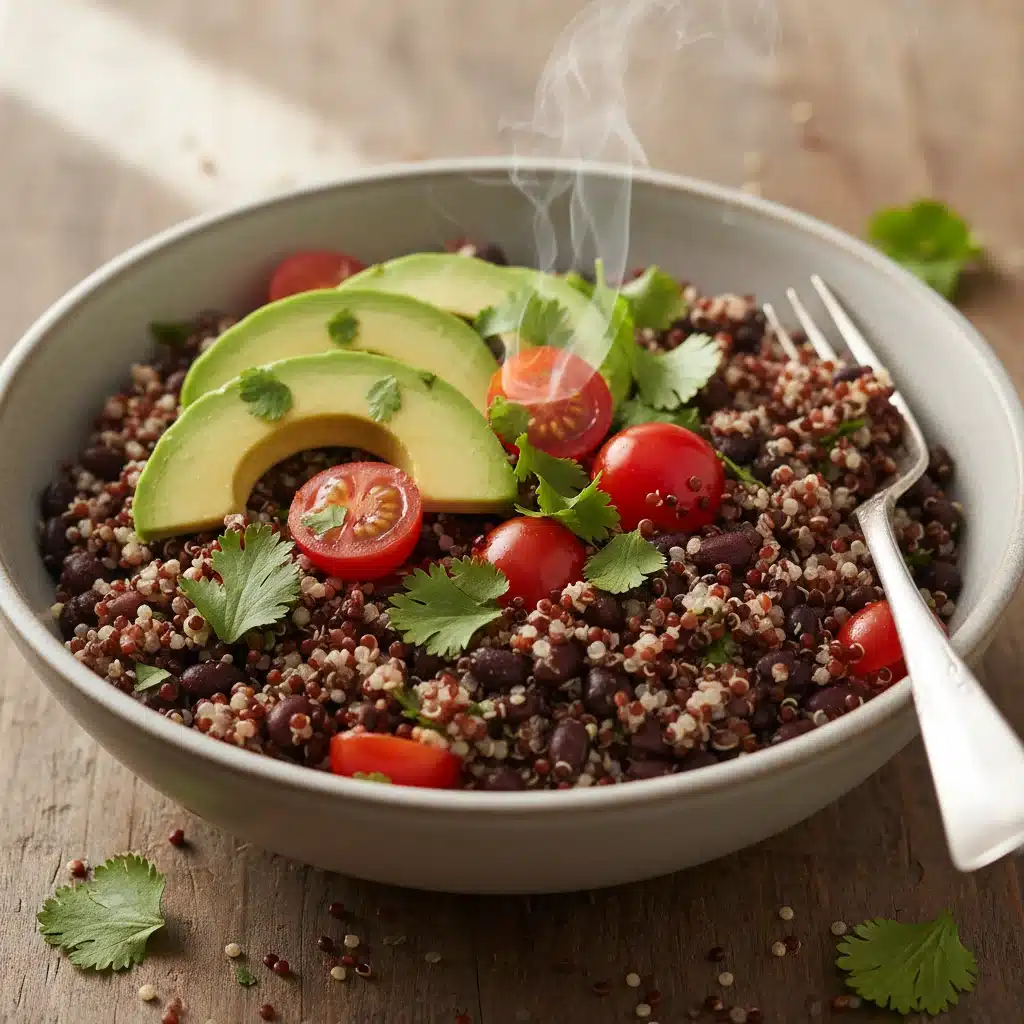
Recipe 2: Quinoa and Black Bean Power Bowl
This power bowl is a complete meal, offering a perfect balance of complex carbohydrates, plant-based protein, and fiber. It’s ideal for lunch or dinner, providing sustained energy for long training sessions.
Ingredients:
- 1 cup cooked quinoa
- 1 can (15 oz) black beans, rinsed and drained
- 1/2 cup corn (fresh or frozen)
- 1/2 red bell pepper, diced
- 1/4 red onion, finely chopped
- 1/4 cup chopped fresh cilantro
- 2 tbsp lime juice
- 1 tbsp olive oil
- 1/2 avocado, sliced
- Salt and pepper to taste
- Optional: a dash of chili powder or cumin for extra flavor
Instructions:
- In a large bowl, combine cooked quinoa, black beans, corn, diced red bell pepper, and chopped red onion.
- In a separate small bowl, whisk together lime juice, olive oil, salt, pepper, and optional spices.
- Pour the dressing over the quinoa and bean mixture and toss to combine.
- Serve in bowls, topped with sliced avocado and fresh cilantro.
- This power bowl is a fantastic way to boost your plant-based athlete endurance.
Recipe 3: High-Protein Lentil & Vegetable Soup
Soups are incredibly comforting and can be a powerhouse of nutrients. This lentil soup is rich in protein, fiber, and essential minerals, making it perfect for recovery and sustained energy.
Ingredients:
- 1 tbsp olive oil
- 1 large onion, chopped
- 2 carrots, diced
- 2 celery stalks, diced
- 3 cloves garlic, minced
- 1 cup brown or green lentils, rinsed
- 6 cups vegetable broth
- 1 can (14.5 oz) diced tomatoes
- 1 tsp dried thyme
- 1/2 tsp dried rosemary
- Salt and black pepper to taste
- 2 cups chopped spinach or kale
Instructions:
- Heat olive oil in a large pot or Dutch oven over medium heat.
- Add onion, carrots, and celery, and sauté until softened, about 5-7 minutes.
- Add minced garlic and cook for another minute until fragrant.
- Stir in rinsed lentils, vegetable broth, diced tomatoes, thyme, and rosemary.
- Bring to a boil, then reduce heat, cover, and simmer for 30-40 minutes, or until lentils are tender.
- Stir in spinach or kale and cook until wilted, about 2-3 minutes.
- Season with salt and pepper to taste.
- This hearty soup is an excellent meal for plant-based athlete endurance and recovery.
Recipe 4: Sweet Potato & Chickpea Curry
Curries are fantastic for their versatility and ability to pack a nutritional punch. Sweet potatoes provide complex carbs and vitamins, while chickpeas offer protein and fiber, making this a satisfying and energizing meal.
Ingredients:
- 1 tbsp coconut oil
- 1 onion, chopped
- 2 cloves garlic, minced
- 1 inch ginger, grated
- 1 large sweet potato, peeled and diced
- 1 can (15 oz) chickpeas, rinsed and drained
- 1 can (13.5 oz) full-fat coconut milk
- 1/2 cup vegetable broth
- 2 tbsp red curry paste (check for vegan brands)
- 1 cup chopped spinach
- Salt to taste
- Fresh cilantro and brown rice for serving
Instructions:
- Heat coconut oil in a large pot over medium heat. Add onion and cook until softened, about 5 minutes.
- Stir in garlic and grated ginger, cook for 1 minute until fragrant.
- Add red curry paste and cook for another minute, stirring constantly.
- Add diced sweet potato, chickpeas, coconut milk, and vegetable broth. Bring to a simmer.
- Cover and cook for 15-20 minutes, or until sweet potatoes are tender.
- Stir in spinach until wilted. Season with salt.
- Serve hot with brown rice and fresh cilantro. A delicious fuel for plant-based athlete endurance.
Recipe 5: Tofu Scramble with Veggies (Breakfast/Brunch)
A high-protein, savory breakfast is essential for sustained energy, especially on training days. This tofu scramble is a fantastic alternative to eggs, packed with nutrients and flavor.
Ingredients:
- 1 block (14 oz) extra-firm tofu, pressed and crumbled
- 1 tbsp olive oil
- 1/2 onion, diced
- 1/2 bell pepper (any color), diced
- 1 cup chopped spinach or kale
- 2 tbsp nutritional yeast (for cheesy flavor)
- 1/2 tsp turmeric powder (for color and anti-inflammatory benefits)
- 1/4 tsp black salt (kala namak, for eggy flavor, optional)
- Salt and black pepper to taste
- Optional: cherry tomatoes, mushrooms, or other favorite veggies
Instructions:
- Heat olive oil in a non-stick skillet over medium heat.
- Add diced onion and bell pepper, sauté until softened, about 5-7 minutes.
- Add crumbled tofu to the skillet. Use a spatula to break it up further if needed.
- Sprinkle nutritional yeast, turmeric, and black salt (if using) over the tofu. Stir well to combine.
- Cook for 8-10 minutes, stirring occasionally, until tofu is heated through and slightly browned.
- Stir in spinach or kale until wilted. Season with salt and pepper.
- Serve warm with whole-grain toast or avocado. An energizing start for any plant-based athlete endurance pursuit.
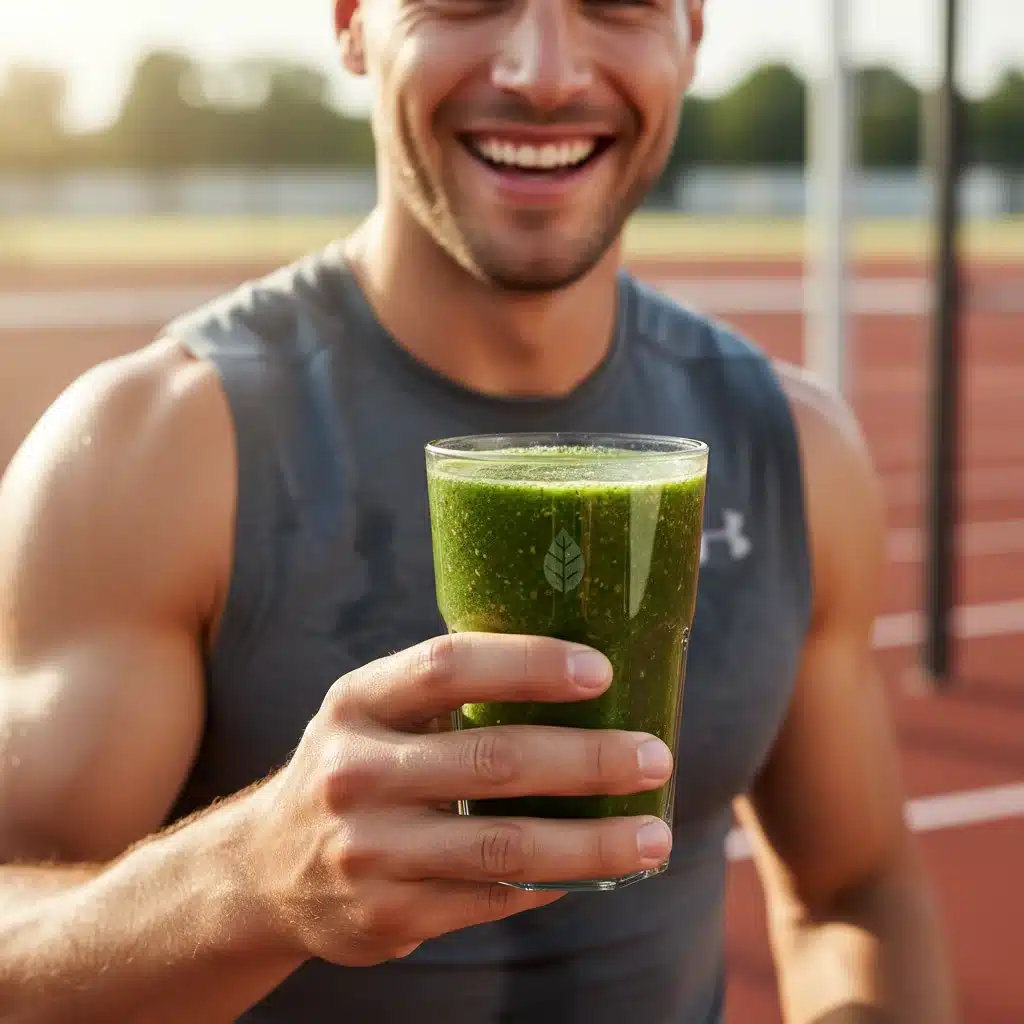
Recipe 6: Post-Workout Green Recovery Smoothie
Recovery is just as important as training. This smoothie is specifically designed to replenish glycogen stores, repair muscles, and reduce inflammation after an intense workout. It’s crucial for sustained plant-based athlete endurance.
Ingredients:
- 1 cup plant milk (almond, soy, or oat)
- 1 scoop plant-based protein powder (vanilla or unflavored)
- 1 frozen banana
- 1 cup spinach or kale
- 1/2 cup frozen berries (e.g., blueberries for antioxidants)
- 1 tbsp chia seeds or flaxseed
- Optional: 1/2 inch fresh ginger (for anti-inflammatory boost)
Instructions:
- Combine all ingredients in a high-speed blender.
- Blend until smooth and creamy. Add more plant milk if needed to reach desired consistency.
- Drink immediately after your workout for optimal recovery. This smoothie is a cornerstone for plant-based athlete endurance and speedy recuperation.
Recipe 7: Mediterranean Quinoa Salad with Roasted Vegetables
This vibrant salad is perfect for meal prepping, providing a balanced and delicious option for lunch or dinner. It’s packed with fiber, healthy fats, and complex carbohydrates, essential for plant-based athlete endurance.
Ingredients:
- 1 cup cooked quinoa
- 1 large zucchini, chopped
- 1 red bell pepper, chopped
- 1/2 red onion, sliced
- 1 cup cherry tomatoes, halved
- 1/2 cup Kalamata olives, pitted and halved
- 1/4 cup fresh parsley, chopped
- 2 tbsp olive oil
- 1 tbsp lemon juice
- 1 tsp dried oregano
- Salt and black pepper to taste
- Optional: 1/4 cup crumbled vegan feta for extra flavor
Instructions:
- Preheat oven to 400°F (200°C).
- On a baking sheet, toss zucchini, red bell pepper, and red onion with 1 tbsp olive oil, oregano, salt, and pepper.
- Roast for 20-25 minutes, or until vegetables are tender and slightly caramelized.
- In a large bowl, combine cooked quinoa, roasted vegetables, cherry tomatoes, Kalamata olives, and fresh parsley.
- Whisk together remaining 1 tbsp olive oil and lemon juice. Pour over the salad and toss to combine.
- Adjust seasoning if necessary. Serve chilled or at room temperature. A refreshing and powerful meal for plant-based athlete endurance.
Recipe 8: High-Energy Date & Nut Bars (On-the-Go Fuel)
For athletes, quick and convenient fuel is a must. These homemade bars are packed with natural sugars for quick energy, healthy fats, and fiber, making them perfect for pre-workout, mid-workout, or a healthy snack.
Ingredients:
- 1 cup pitted Medjool dates
- 1/2 cup raw almonds
- 1/2 cup raw cashews
- 1/4 cup shredded unsweetened coconut
- 2 tbsp chia seeds
- 1 tbsp cocoa powder (optional, for chocolate flavor)
- Pinch of salt
Instructions:
- If dates are very dry, soak them in warm water for 10 minutes, then drain thoroughly.
- In a food processor, combine dates, almonds, cashews, shredded coconut, chia seeds, cocoa powder (if using), and salt.
- Process until the mixture comes together and forms a sticky ball. It should be firm enough to hold its shape when pressed.
- Press the mixture evenly into a parchment-lined 8×8 inch baking dish.
- Refrigerate for at least 30 minutes to firm up, then cut into bars.
- Store in an airtight container in the refrigerator for up to 2 weeks. These bars are essential for maintaining plant-based athlete endurance on busy days.
Optimizing Your Plant-Based Athlete Endurance Journey
Beyond these delicious recipes, there are several key considerations for any athlete embracing a plant-based diet to boost endurance:
Nutrient Consideration for Plant-Based Athlete Endurance:
- Iron: Ensure adequate intake from sources like lentils, spinach, fortified cereals, and pair with vitamin C-rich foods to enhance absorption.
- Vitamin B12: This is the only vitamin not reliably found in plants. Supplementation or fortified foods (plant milks, nutritional yeast) are crucial.
- Omega-3 Fatty Acids: Flaxseeds, chia seeds, walnuts, and algal oil supplements are excellent sources for reducing inflammation and supporting brain health.
- Calcium & Vitamin D: Fortified plant milks, leafy greens, and sun exposure (or supplementation) are important for bone health.
- Protein: A varied intake of legumes, tofu, tempeh, seitan, nuts, seeds, and whole grains will easily meet protein requirements. Aim for protein at each meal.
Hydration is Non-Negotiable:
Regardless of your diet, proper hydration is fundamental for endurance. Drink plenty of water throughout the day, and consider electrolyte-rich beverages during and after intense training, especially if you are focusing on plant-based athlete endurance goals.
Listen to Your Body:
Transitioning to a new diet, even a highly beneficial one, requires attention to your body’s signals. Pay attention to energy levels, recovery time, and overall well-being. Adjust portion sizes and ingredient choices as needed to fine-tune your fuel intake for optimal plant-based athlete endurance.
Consistency and Planning:
Success in any athletic endeavor, and especially in dietary changes, comes with consistency. Meal prepping these plant-based recipes can save time and ensure you always have nutritious options readily available. Planning your meals and snacks around your training schedule will significantly impact your ability to achieve that 20% endurance boost by 2026.
Conclusion: Powering Towards 2026 with Plant-Based Athlete Endurance
Embracing a plant-based diet is more than just a dietary shift; it’s a strategic advantage for endurance athletes. The recipes provided here are not just delicious; they are meticulously designed to provide the sustained energy, efficient recovery, and comprehensive nutrition needed to push your limits. By incorporating these essential plant-based meals into your routine and paying attention to key nutritional considerations, you are setting a robust foundation for remarkable improvements in your athletic performance.
The journey to a 20% increase in endurance by 2026 is an exciting one, and with the power of plants fueling every stride, pedal, and stroke, your potential is limitless. Start experimenting with these recipes today, feel the difference, and witness how plant-based athlete endurance can transform your athletic future.