
Recent Updates (January 2026): Understanding the Impact of Micronutrients on Endurance Performance
As we step into January 2026, the world of sports science continues to evolve at an unprecedented pace. For endurance athletes, the pursuit of marginal gains is a constant endeavor, and increasingly, attention is turning towards the foundational elements of nutrition. Specifically, the role of micronutrients in optimizing endurance performance has garnered significant research interest, revealing new insights and reinforcing long-held beliefs. This comprehensive guide, updated for January 2026, delves into the critical impact of Micronutrients Endurance Performance, exploring the latest scientific findings, practical applications, and future directions for athletes aiming to push their limits.
Endurance performance is a complex interplay of physiological systems, demanding exceptional energy production, efficient oxygen transport, robust immune function, and rapid recovery. While macronutrients (carbohydrates, proteins, fats) provide the bulk energy, it is the micronutrients – vitamins and minerals – that act as the catalysts, cofactors, and structural components essential for these processes to function optimally. Without adequate intake of these vital compounds, even the most dedicated training regimen and perfectly timed macronutrient strategy can be undermined.
The landscape of sports nutrition is dynamic, with new studies frequently shedding light on previously underestimated connections. In early 2026, the emphasis on personalized nutrition, advanced diagnostic tools for assessing micronutrient status, and a deeper understanding of genetic predispositions influencing nutrient absorption and utilization are shaping how athletes and coaches approach dietary strategies. This article will provide you with the most current information to help you optimize your Micronutrients Endurance Performance strategy.
The Foundation: What Are Micronutrients and Why Are They Crucial for Endurance?
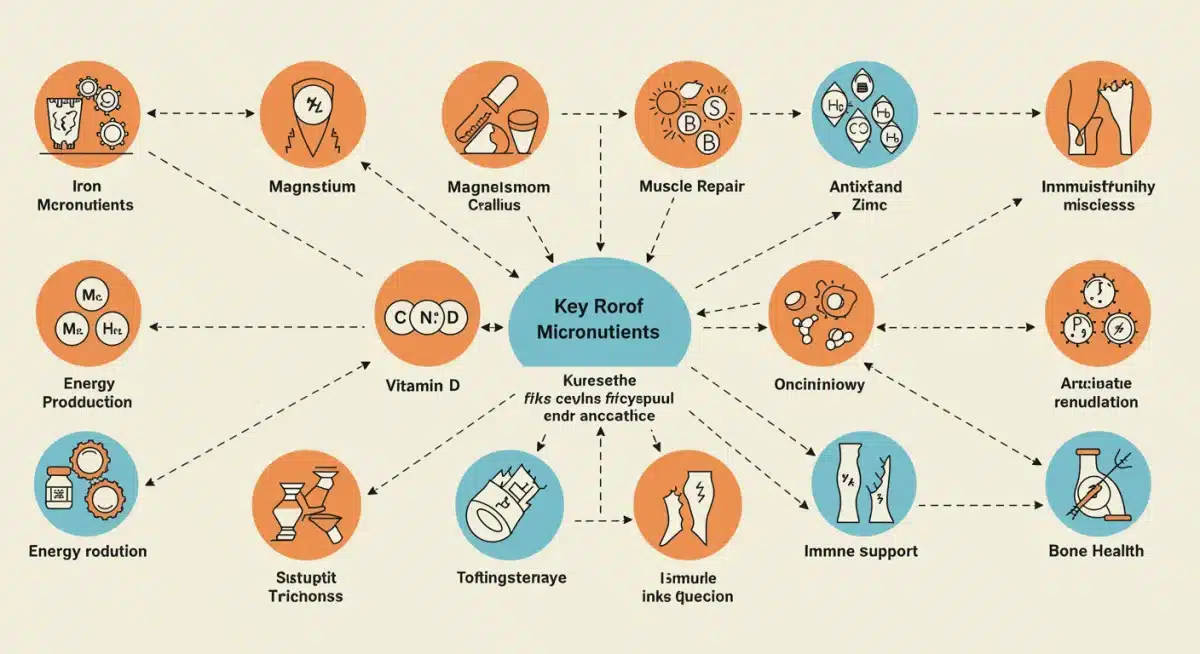
Micronutrients are essential vitamins and minerals that the body needs in small quantities to function correctly. Unlike macronutrients, they do not provide energy directly, but they are indispensable for almost every physiological process, especially those heightened during endurance activities. For athletes, their importance cannot be overstated:
- Energy Metabolism: B vitamins (Thiamine, Riboflavin, Niacin, Pantothenic Acid, Pyridoxine, Biotin, Folate, B12) are coenzymes in metabolic pathways that convert carbohydrates, fats, and proteins into ATP, the body’s primary energy currency.
- Oxygen Transport: Iron is a crucial component of hemoglobin, which carries oxygen in the blood, and myoglobin, which stores oxygen in muscles. Copper is also involved in iron metabolism.
- Muscle Function and Repair: Magnesium, calcium, and potassium are vital for muscle contraction, nerve impulse transmission, and preventing cramps. Zinc is essential for protein synthesis and tissue repair.
- Antioxidant Defense: Vitamins C and E, Selenium, and Zinc act as antioxidants, neutralizing free radicals produced during intense exercise, which can cause cellular damage and hinder recovery.
- Bone Health: Calcium, Vitamin D, Vitamin K, and Magnesium are critical for maintaining bone density, reducing the risk of stress fractures common in endurance athletes.
- Immune Function: Vitamins C and D, Zinc, and Selenium play pivotal roles in supporting the immune system, helping athletes fend off infections that can derail training.
The demands of endurance training significantly increase the body’s need for many of these micronutrients. Increased metabolic rate, elevated sweat losses, muscle damage, and immune suppression all contribute to a higher turnover or requirement for these essential compounds. Therefore, understanding and addressing the specific needs for Micronutrients Endurance Performance is paramount.
Key Micronutrients for Endurance Athletes: January 2026 Insights
Recent research, particularly in late 2025 and early 2026, has further refined our understanding of which micronutrients are most critical and how their optimal intake can be achieved. Here’s a breakdown of the key players:
Iron: The Oxygen Carrier
Iron deficiency, particularly iron-deficiency anemia, is a common issue among endurance athletes, especially females. Symptoms include fatigue, weakness, and impaired performance. New guidelines in 2026 emphasize regular iron status monitoring (ferritin levels) and a multi-faceted approach to repletion, including dietary sources (heme iron from meat, non-heme iron from plants with vitamin C), and judicious supplementation under medical supervision. Overtraining syndrome is often linked to chronic low iron levels, highlighting its importance for consistent Micronutrients Endurance Performance.
Magnesium: The Muscle & Nerve Regulator
Magnesium is involved in over 300 enzymatic reactions, including energy production, muscle contraction, nerve function, and electrolyte balance. Sweat losses can lead to significant magnesium depletion in athletes. January 2026 studies continue to underscore magnesium’s role in reducing muscle cramps, improving sleep quality, and potentially alleviating exercise-induced oxidative stress. Dietary sources like leafy greens, nuts, seeds, and whole grains are crucial. The optimal timing and form of magnesium supplementation are also areas of ongoing investigation, with some athletes finding benefits from pre-sleep magnesium intake.
B Vitamins: The Energy Catalysts
The entire B-vitamin complex is vital for converting food into energy. Thiamine (B1), Riboflavin (B2), Niacin (B3), Pantothenic Acid (B5), Pyridoxine (B6), Biotin (B7), Folate (B9), and Cobalamin (B12) all play distinct yet interconnected roles. Athletes with high energy expenditure have increased requirements for these vitamins. Recent findings suggest that even marginal deficiencies can impair exercise capacity and recovery. Emphasis in 2026 is on consuming a diverse diet rich in whole grains, lean meats, dairy, and legumes to ensure adequate B-vitamin intake for sustained Micronutrients Endurance Performance.
Vitamin D: Beyond Bone Health
Long recognized for its role in bone health, Vitamin D is increasingly recognized for its widespread impact on immune function, muscle strength, and inflammation modulation. Many athletes, especially those training indoors or living in northern latitudes, are deficient. January 2026 research highlights its potential in reducing injury risk, improving recovery, and even enhancing athletic performance. Regular testing and individualized supplementation strategies are now standard recommendations. The synergistic effect of Vitamin D with calcium and magnesium for overall athletic health is also a growing area of interest.
Antioxidants (Vitamins C, E, Selenium, Zinc): Combating Oxidative Stress
Intense exercise generates reactive oxygen species (ROS), leading to oxidative stress. Antioxidant micronutrients help neutralize these free radicals, preventing cellular damage and supporting recovery. While some oxidative stress is beneficial for adaptation, excessive levels can impede progress. The January 2026 consensus suggests a balanced intake from whole foods (fruits, vegetables, nuts, seeds) rather than high-dose supplements, which can sometimes blunt training adaptations. The focus is on a diverse intake of colorful produce to ensure a broad spectrum of antioxidant protection for optimal Micronutrients Endurance Performance.
Assessing Micronutrient Status: The 2026 Approach
One of the most significant advancements in sports nutrition for 2026 is the increased accessibility and sophistication of micronutrient status assessment. Generic recommendations often fall short due to individual variations in diet, absorption, genetic factors, and training load. The current approach emphasizes:
- Blood Tests: Regular blood work to assess levels of key micronutrients like ferritin (iron stores), 25-hydroxyvitamin D, and sometimes magnesium or B12, especially if symptoms of deficiency are present.
- Dietary Analysis: Detailed food diaries and professional nutritional assessment to identify potential gaps in intake.
- Symptom Monitoring: Paying close attention to persistent fatigue, poor recovery, frequent illness, or muscle issues that might indicate a micronutrient deficiency.
- Genetic Testing (Emerging): While still in its early stages for practical application in sports nutrition, genetic testing is beginning to offer insights into individual variations in nutrient metabolism and absorption, potentially allowing for even more personalized recommendations in the future.
It’s crucial for athletes to work with qualified sports dietitians or medical professionals to interpret these assessments and develop a personalized strategy. Self-diagnosis and indiscriminate supplementation can be ineffective or even harmful when managing Micronutrients Endurance Performance.
Optimizing Micronutrient Intake for Peak Performance: Practical Strategies (January 2026)
Based on the latest scientific understanding, here are practical strategies for endurance athletes to optimize their micronutrient intake:
Prioritize a Whole-Food, Nutrient-Dense Diet
The cornerstone of optimal micronutrient intake remains a varied diet rich in whole, unprocessed foods. This means:
- Abundant Fruits and Vegetables: Aim for a wide array of colors to ensure a broad spectrum of vitamins, minerals, and phytonutrients.
- Lean Proteins: Include sources like lean meats, poultry, fish (especially fatty fish for Vitamin D), eggs, legumes, and tofu for iron, zinc, and B vitamins.
- Whole Grains: Opt for oats, quinoa, brown rice, and whole-wheat products for B vitamins and magnesium.
- Nuts and Seeds: Excellent sources of magnesium, zinc, selenium, and Vitamin E.
- Dairy or Fortified Alternatives: For calcium and Vitamin D.
This approach not only provides essential micronutrients but also macronutrients, fiber, and beneficial plant compounds that work synergistically to support overall health and Micronutrients Endurance Performance.
Strategic Supplementation: When and How
While a whole-food diet is primary, supplementation can be necessary for athletes with identified deficiencies or those with specific dietary restrictions (e.g., vegan athletes who need B12). January 2026 guidelines recommend:
- Targeted Supplementation: Only supplement when a deficiency is confirmed by testing or when dietary intake is demonstrably inadequate (e.g., Vitamin D during winter months, B12 for vegans).
- Quality Matters: Choose reputable brands that undergo third-party testing to ensure purity and potency. Look for certifications like NSF Certified for Sport or Informed-Sport.
- Avoid Megadoses: Excessive intake of certain micronutrients can be harmful and may interfere with the absorption of others. More is not always better.
- Multivitamins: A general multivitamin can act as an insurance policy for some athletes, but it should not replace a poor diet or targeted intervention for a specific deficiency.
Always consult with a sports dietitian or doctor before starting any new supplement regimen to ensure it’s safe and appropriate for your individual needs and goals related to Micronutrients Endurance Performance.
Timing and Bioavailability
The timing of micronutrient intake and their bioavailability (how well they are absorbed and utilized by the body) are increasingly recognized factors. For example, consuming iron-rich foods with Vitamin C can enhance iron absorption. Some micronutrients, like certain B vitamins, are water-soluble and need regular replenishment. Understanding these nuances can further optimize the impact of Micronutrients Endurance Performance.
Emerging Research and Future Directions (January 2026)
The field of micronutrient research in endurance sports is continually evolving. Here are some areas gaining traction in early 2026:
The Gut Microbiome Connection
Emerging evidence suggests a profound link between the gut microbiome and micronutrient absorption, as well as overall athletic performance. A healthy and diverse gut flora can influence the synthesis of certain vitamins (like Vitamin K and some B vitamins) and optimize the absorption of minerals. Future research will likely explore targeted probiotic and prebiotic interventions to enhance micronutrient status and support Micronutrients Endurance Performance.
Personalized Nutrition Through -Omics Technologies
Nutrigenomics (how genes affect response to nutrients) and metabolomics (studying metabolic processes) are technologies that promise to revolutionize personalized nutrition. In the coming years, it might be possible to tailor micronutrient recommendations based on an individual’s genetic makeup and metabolic profile, moving beyond current generalized guidelines to truly optimize Micronutrients Endurance Performance at a molecular level.
Micronutrients and Mental Fortitude
Beyond physical performance, the role of micronutrients in cognitive function, mood regulation, and mental fatigue during endurance events is an expanding area of study. Micronutrients like B vitamins, magnesium, and zinc are critical for neurotransmitter synthesis and brain health. Optimizing these could potentially enhance an athlete’s mental resilience and focus during prolonged efforts.

Addressing Common Misconceptions About Micronutrients and Endurance
Despite the growing body of knowledge, several misconceptions persist regarding micronutrients and their role in endurance sports. Dispelling these myths is crucial for athletes to make informed decisions and truly leverage the benefits of optimized Micronutrients Endurance Performance.
Misconception 1: More is Always Better
This is perhaps the most prevalent and dangerous misconception. While micronutrients are essential, consuming them in excessive amounts, especially through high-dose supplements, can be detrimental. Fat-soluble vitamins (A, D, E, K) can accumulate to toxic levels in the body. Certain minerals, like iron and zinc, can also cause adverse effects, including gastrointestinal distress, interference with other nutrient absorption, or even organ damage when consumed in mega-doses. The goal is optimal intake, not maximal intake.
Misconception 2: A Daily Multivitamin Covers All Bases
While a multivitamin can provide a baseline of essential micronutrients, it’s not a substitute for a healthy diet, nor can it correct significant deficiencies. Most standard multivitamins do not contain therapeutic doses of specific micronutrients needed to address a diagnosed deficiency (e.g., iron for anemia, high-dose Vitamin D for severe deficiency). Furthermore, the bioavailability of nutrients in a multivitamin can vary. A multivitamin should be seen as a dietary insurance policy, not a primary strategy for enhancing Micronutrients Endurance Performance.
Misconception 3: All Athletes Need the Same Micronutrient Strategy
Individual needs vary significantly based on age, gender, training volume and intensity, dietary preferences (e.g., vegetarian, vegan), geographic location (for Vitamin D exposure), and even genetics. What works for one athlete may not be optimal for another. This reinforces the 2026 emphasis on personalized assessment and strategies, moving away from a one-size-fits-all approach to Micronutrients Endurance Performance.
Misconception 4: Micronutrients Only Affect Physical Performance
As touched upon earlier, micronutrients have a profound impact beyond just physical capacity. They influence immune function, bone health, mood, cognitive function, and sleep quality – all of which are indirectly yet powerfully linked to an athlete’s ability to train consistently, recover effectively, and perform at their best. Neglecting micronutrient status can lead to chronic fatigue, frequent illness, and mental fogginess, significantly hindering overall Micronutrients Endurance Performance.
Misconception 5: You Can Always Get Enough from Food
While a well-planned, whole-food diet is the ideal source, several factors can make it challenging for endurance athletes to meet all their micronutrient needs through food alone:
- Increased Requirements: The sheer volume and intensity of training significantly increase the demand for many micronutrients beyond what the average person needs.
- Soil Depletion: Modern agricultural practices can sometimes lead to lower micronutrient content in foods compared to decades past.
- Dietary Restrictions: Athletes following vegetarian, vegan, or other restrictive diets may struggle to obtain adequate iron, B12, zinc, or calcium without careful planning and potentially supplementation.
- Poor Absorption: Some individuals may have underlying digestive issues or genetic factors that impair nutrient absorption.
Therefore, while food is primary, strategic and evidence-based supplementation can play a vital, supportive role in optimizing Micronutrients Endurance Performance for many athletes.
The Interconnectedness of Micronutrients and Macronutrients
It’s important to remember that micronutrients don’t operate in isolation. They are intricately linked with macronutrient metabolism. For instance, without adequate B vitamins, carbohydrates cannot be efficiently converted into energy. Without sufficient iron, oxygen transport to muscles (fueled by carbohydrates and fats) is compromised. Protein synthesis and muscle repair, which rely heavily on adequate protein intake, also require zinc and magnesium. This synergistic relationship means that a holistic approach to nutrition, balancing both macro and micro components, is essential for truly maximizing Micronutrients Endurance Performance.
Conclusion: A Proactive Approach to Micronutrients in 2026
As we navigate January 2026, the message for endurance athletes is clear: micronutrients are not secondary players but rather indispensable components of peak performance. A proactive, personalized, and evidence-based approach to micronutrient intake is no longer a luxury but a necessity for those striving for excellence.
By prioritizing a diverse, whole-food diet, undergoing regular assessments, and strategically supplementing when necessary, athletes can ensure their bodies have the essential tools to manage the demands of training, recover effectively, bolster immune function, and ultimately, unlock their full potential. The science of Micronutrients Endurance Performance is continually advancing, offering exciting new avenues for athletes to gain an edge. Stay informed, consult with experts, and fuel your body intelligently to conquer your endurance goals in 2026 and beyond.