Unlock Peak Performance: 3-Month Meal Plan for Athletes 2026
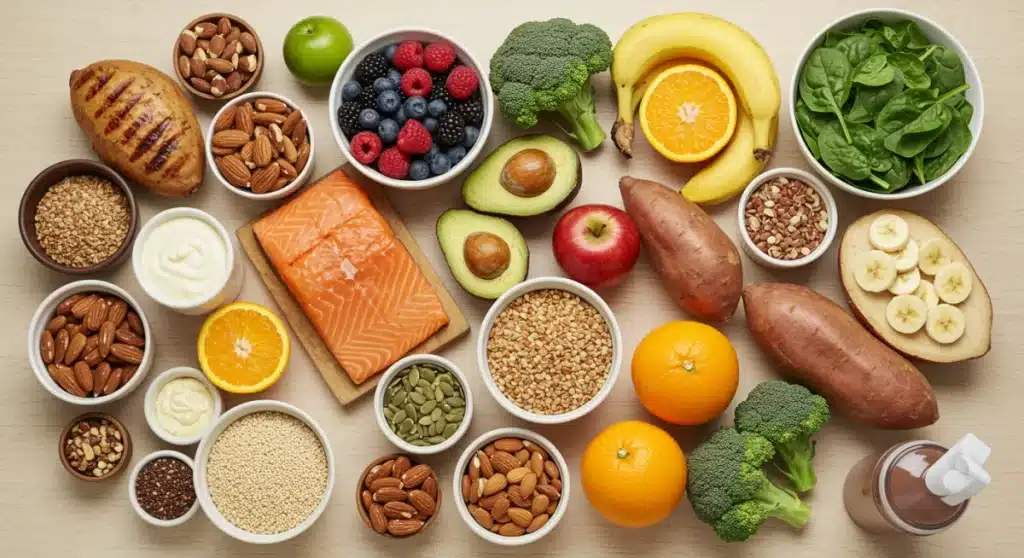
This guide provides a strategic, 3-month meal planning framework for athletes in 2026, focusing on optimizing nutrition for enhanced performance, efficient recovery, and sustained energy levels throughout rigorous training cycles.
Are you ready to elevate your game and achieve unparalleled athletic success in 2026? This comprehensive article, Unlock Your Peak Performance: A 3-Month Meal Planning Guide for Athletes in 2026., is your essential blueprint. We’ll delve into strategic nutrition to fuel your body, optimize recovery, and sharpen your competitive edge, ensuring you’re at your absolute best.
Understanding the Foundations of Athlete Nutrition for 2026
Achieving peak athletic performance isn’t solely about training intensity; it’s intricately linked to what you consume. For athletes in 2026, understanding the fundamental pillars of nutrition is paramount. Your diet directly impacts energy levels, muscle repair, immune function, and overall athletic longevity. This section lays the groundwork for a successful 3-month meal plan by exploring the essential macronutrients and micronutrients that power every athlete.
Modern sports nutrition emphasizes a personalized approach, recognizing that no two athletes are exactly alike. Factors such as sport type, training volume, body composition goals, and individual metabolic rates all influence dietary needs. A one-size-fits-all approach is insufficient for optimal results in today’s competitive landscape.
The Role of Macronutrients in Performance
Macronutrients—carbohydrates, proteins, and fats—are the energy providers and building blocks of your body. Each plays a distinct yet interconnected role in supporting athletic endeavors.
- Carbohydrates: The primary fuel source for high-intensity exercise and brain function. Athletes require ample complex carbohydrates to replenish glycogen stores.
- Proteins: Crucial for muscle repair, growth, and hormone production. Adequate protein intake supports recovery and adaptation to training stress.
- Fats: Essential for hormone regulation, nutrient absorption, and long-duration energy. Healthy fats are vital for overall health and sustained energy during prolonged activity.
Balancing these macronutrients according to your training phase and specific sport demands is a cornerstone of effective athlete meal planning. For instance, endurance athletes might prioritize higher carbohydrate intake, while strength athletes focus more on protein.
Key Micronutrients and Hydration
Beyond macros, vitamins, and minerals (micronutrients) are critical catalysts for countless bodily functions, including energy production, immune support, and bone health. Deficiencies can severely hinder performance and recovery.
Hydration is another non-negotiable aspect of athlete nutrition. Even slight dehydration can impair performance, reduce stamina, and increase the risk of injury. Consuming enough fluids before, during, and after exercise is as important as solid food intake.
In conclusion, a robust understanding of nutritional basics, including macronutrient balance, micronutrient sufficiency, and consistent hydration, forms the essential foundation for any athlete aiming to unlock their peak performance in 2026. This foundational knowledge empowers you to make informed dietary choices that directly support your athletic aspirations.
Month 1: Building a Strong Nutritional Base
The first month of your athlete meal planning 2026 journey focuses on establishing consistent, healthy eating patterns and optimizing nutrient timing. This phase is about recalibrating your body’s response to food and ensuring you meet your baseline caloric and nutrient requirements. It’s not about drastic changes but rather about strategic adjustments that lay the groundwork for more intense phases.
During this initial month, emphasis is placed on whole, unprocessed foods. This means prioritizing fresh fruits, vegetables, lean proteins, and complex carbohydrates over highly processed alternatives. The goal is to maximize nutrient density and minimize inflammatory foods that can impede recovery and performance.
Strategic Meal Timing and Portion Control
Effective meal timing is crucial for athletes. Eating at the right intervals ensures a steady supply of energy and supports continuous muscle repair. This month, begin experimenting with pre- and post-workout nutrition.
- Pre-Workout: Focus on easily digestible carbohydrates with a small amount of protein 1-2 hours before training to provide sustained energy.
- Post-Workout: A combination of carbohydrates and protein within 30-60 minutes after exercise is vital for glycogen replenishment and muscle protein synthesis.
- Regular Meals: Aim for 3 main meals and 2-3 snacks throughout the day to maintain energy levels and prevent extreme hunger, which can lead to poor food choices.
Portion control is also key to managing calorie intake and ensuring you’re consuming enough, but not too much, to support your training. Learning to listen to your body’s hunger and fullness cues is an invaluable skill developed in this phase.
Sample Meal Plan for Week 1-4
This sample provides a template; individual needs will vary. The focus is on balanced meals with diverse nutrient sources.
Breakfast: Oatmeal with berries, nuts, and a scoop of protein powder, or scrambled eggs with whole-wheat toast and avocado.
Lunch: Large salad with grilled chicken or chickpeas, mixed greens, various vegetables, and a light vinaigrette, or turkey and veggie wrap on whole-wheat tortilla.
Dinner: Baked salmon with sweet potato and steamed broccoli, or lean ground beef stir-fry with brown rice and mixed vegetables.
Snacks: Greek yogurt, fruit (apple, banana), a handful of almonds, or a rice cake with peanut butter.
This first month is about building habit and consistency. By focusing on nutrient-dense foods, strategic timing, and mindful portioning, athletes can establish a solid nutritional base that will serve as a springboard for increased demands in subsequent months.
Month 2: Optimizing for Training Intensity and Recovery
As training intensity increases, so does the body’s demand for fuel and efficient recovery. Month 2 of your athlete meal planning 2026 guide shifts focus towards fine-tuning your nutritional strategy to support higher training volumes and more demanding sessions. This involves adjusting macronutrient ratios, incorporating specific recovery foods, and paying closer attention to inflammation management.
The aim is to prevent overtraining syndrome and optimize adaptation to training stress. Athletes will learn to manipulate their diet to match the energy expenditure and recovery needs of their sport, ensuring that every training session contributes positively to their performance goals.
Adjusting Macronutrient Ratios for Performance
With increased training, carbohydrate needs typically rise to fuel prolonged or intense efforts. Protein intake also remains crucial for muscle repair and growth, especially as muscles are subjected to greater stress. Healthy fats continue to play a supporting role in overall health and sustained energy.
- Increased Carbohydrates: Focus on incorporating more complex carbs like whole grains, starchy vegetables, and fruits around training sessions to ensure glycogen stores are fully loaded.
- Consistent Protein: Maintain a high protein intake, distributing it evenly throughout the day to maximize muscle protein synthesis. Consider protein shakes as a convenient post-workout option.
- Balanced Fats: Ensure healthy fats from sources like avocados, nuts, seeds, and olive oil are still part of your diet to support hormone function and reduce inflammation.
Monitoring your body’s response—energy levels, recovery time, and perceived exertion—will help you make informed adjustments to these ratios. This personalized approach is what truly differentiates effective meal planning.
Advanced Recovery Nutrition Strategies
Recovery isn’t just about resting; it’s about actively facilitating the body’s repair processes through nutrition. This month, integrate foods known for their anti-inflammatory and restorative properties.
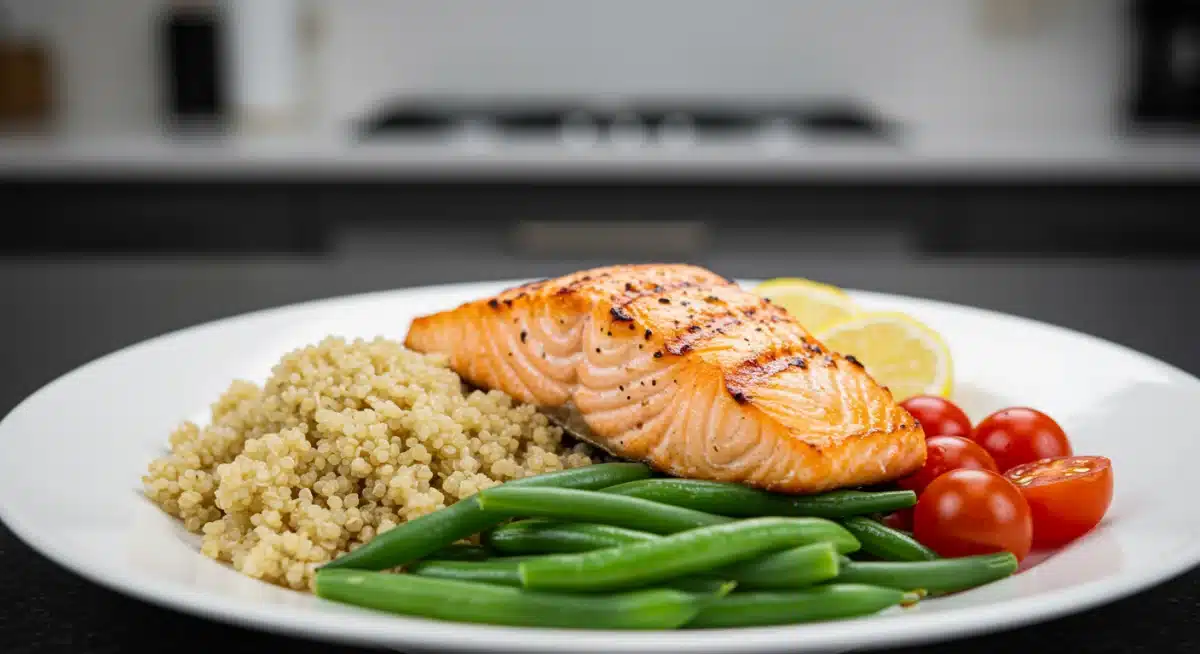
Post-Workout Recovery Meals: Beyond the immediate carb/protein shake, focus on full meals that include anti-inflammatory ingredients like omega-3 rich fish (salmon, mackerel), colorful berries, and leafy greens. Tart cherry juice has also shown promise in reducing muscle soreness.
In summary, Month 2 is about intelligently adapting your diet to meet the escalating demands of your training. By strategically adjusting macronutrient intake and emphasizing advanced recovery nutrition, athletes can optimize their body’s capacity to perform and bounce back stronger, setting the stage for peak performance.
Month 3: Peaking for Competition and Sustaining Performance
The final month of your athlete meal planning 2026 guide culminates in strategies designed for peaking performance and maintaining it through competition. This phase refines all previous learning, focusing on precision nutrition to ensure you are race-ready, energized, and mentally sharp. It often involves specific carbohydrate loading protocols and meticulous hydration plans.
This period demands an acute awareness of your body’s signals and a strict adherence to proven nutritional strategies. The goal is to arrive at competition day feeling optimally fueled, without gastrointestinal distress or energy crashes.
Carbohydrate Loading and Pre-Competition Nutrition
For endurance athletes, carbohydrate loading is a well-established strategy to maximize muscle glycogen stores, providing a sustained energy source for prolonged events. This typically involves increasing carbohydrate intake while slightly reducing fat and protein in the days leading up to competition.
- 3-4 Days Out: Gradually increase carbohydrate intake to 8-10 grams per kilogram of body weight per day, focusing on easily digestible sources like pasta, rice, potatoes, and bread.
- Day Before Competition: Stick to familiar, low-fiber, carbohydrate-rich foods to avoid gastrointestinal issues. Maintain good hydration.
- Morning of Competition: A light, high-carbohydrate, low-fiber, and moderate-protein meal 2-4 hours before the event. Examples include oatmeal, toast with jam, or a banana.
For strength and power athletes, the focus remains on consistent nutrient intake, ensuring adequate protein for muscle maintenance and repair, alongside sufficient carbohydrates for energy.
During and Post-Competition Strategies
Nutrition during competition is vital for maintaining energy and preventing fatigue. This typically involves easily digestible carbohydrates and electrolytes.
During Competition: Sports drinks, gels, and easily chewable energy bars can provide quick energy. Practice these strategies during training to find what works best for your body.
Post-Competition: The immediate post-event window is critical for initiating recovery. Consume a carbohydrate-protein rich meal or snack within 30-60 minutes to replenish glycogen and repair muscle tissue. Continue with consistent hydration.
Month 3 is the execution phase, where all your diligent planning comes to fruition. By meticulously managing carbohydrate intake, pre-competition meals, and post-event recovery, athletes can confidently approach their performance goals, knowing their nutrition is fully optimized.
The Importance of Hydration and Electrolytes
While often overlooked in favor of macronutrients, proper hydration and electrolyte balance are foundational for any athlete aiming to unlock their peak performance. Dehydration, even mild, can significantly impair physical and cognitive function, leading to reduced endurance, strength, and mental focus. For athletes in 2026, a sophisticated understanding of fluid and electrolyte needs is non-negotiable for competitive success.
Water constitutes a significant portion of our body weight and is involved in virtually every physiological process, from nutrient transportation to temperature regulation. Electrolytes, such as sodium, potassium, and magnesium, are minerals that carry an electric charge and are crucial for nerve and muscle function, as well as maintaining fluid balance.
Daily Hydration Goals and Monitoring
Establishing daily hydration goals is the first step. While general recommendations exist, an athlete’s needs fluctuate based on training intensity, duration, environmental conditions, and individual sweat rates. Monitoring urine color (aim for light yellow) and pre- and post-training body weight are simple yet effective methods to gauge hydration status.
- Baseline Intake: Aim for at least 8-10 glasses (2-2.5 liters) of water daily, even on non-training days.
- Pre-Training: Consume 500-600 ml of water 2-3 hours before exercise, and another 200-300 ml 10-20 minutes prior.
- During Training: Sip 150-250 ml every 15-20 minutes, adjusting based on sweat loss. For sessions longer than 60 minutes, consider a sports drink with electrolytes.
- Post-Training: Replenish fluids by consuming 125-150% of the weight lost during exercise.
Understanding your individual sweat rate through timed weigh-ins during training can provide precise data for your personalized hydration plan.
Electrolyte Replenishment Strategies
Sweating not only leads to fluid loss but also to the depletion of essential electrolytes. Replacing these is crucial, especially during prolonged or intense exercise in hot environments.
Sources of Electrolytes: Sports drinks are formulated to replace electrolytes and carbohydrates. Natural sources include fruits (bananas for potassium), vegetables, and even a pinch of salt in water. Salty snacks can also contribute to sodium intake after heavy sweating.
Avoiding Hyponatremia: While rare, over-hydrating with plain water during very long events can dilute sodium levels, leading to hyponatremia. This underscores the importance of balanced fluid and electrolyte intake.
In conclusion, meticulous attention to hydration and electrolyte balance forms an indispensable part of an athlete’s nutritional strategy. By proactively managing fluid intake and replacing lost minerals, athletes can safeguard their performance, accelerate recovery, and maintain optimal physiological function throughout their training and competition cycles.
Supplements: When and How to Integrate Them Wisely
In the pursuit of unlocking peak performance, many athletes consider dietary supplements. While some supplements can offer a marginal benefit when used appropriately, they are never a substitute for a well-structured whole-food meal plan. For athletes in 2026, a critical and informed approach to supplementation is essential, focusing on products backed by scientific evidence and third-party testing.
The supplement industry is vast and often unregulated, making it challenging for athletes to distinguish between effective aids and ineffective, or even harmful, products. The guiding principle should always be: food first, then supplements strategically if necessary to fill specific gaps or provide a proven ergogenic effect.
Evidence-Based Supplements for Athletes
A select few supplements have consistent scientific backing for improving athletic performance or supporting recovery. These are the ones athletes should consider, always after consulting with a sports dietitian or medical professional.
- Creatine Monohydrate: Widely researched for its benefits in increasing strength, power, and muscle mass, particularly in short-burst, high-intensity activities.
- Caffeine: Known to enhance alertness, reduce perceived exertion, and improve endurance performance. Dosage and timing are crucial.
- Beta-Alanine: Can help buffer lactic acid, leading to improved high-intensity exercise capacity and delaying fatigue.
- Protein Powder (Whey/Casein): A convenient way to meet daily protein targets, especially around training, but not superior to whole food protein sources.
- Omega-3 Fatty Acids: May aid in reducing inflammation and supporting overall cardiovascular health, beneficial for recovery.
It’s important to note that even these beneficial supplements are not magic bullets; their effects are modest and depend heavily on consistent training and an optimal diet.
Navigating Supplement Safety and Quality
The risk of contamination or mislabeling in supplements is a serious concern for athletes, particularly those subject to anti-doping regulations. Choosing third-party certified products is paramount.
Third-Party Certification: Look for certifications like NSF Certified for Sport®, Informed-Sport, or USP Verified. These programs test products for banned substances and ensure label accuracy, providing peace of mind for athletes.
Individual Needs and Risks: Before introducing any supplement, assess whether it aligns with your specific needs and goals. Consider potential interactions with medications and any pre-existing health conditions. Always prioritize safety and efficacy over marketing claims.
In conclusion, while supplements can play a supportive role in an athlete’s regimen, they should be approached with caution and informed decision-making. By prioritizing evidence-based options and ensuring product safety through third-party certification, athletes can integrate supplements wisely to complement their comprehensive 3-month meal planning guide and enhance their pursuit of peak performance.
Meal Prep Strategies for Consistent Success
Consistency is the bedrock of effective athlete meal planning 2026. Even the most perfectly designed meal plan will fail if it’s not consistently executed. This is where strategic meal preparation, or ‘meal prep,’ becomes an invaluable tool for athletes. By dedicating time to planning and preparing meals in advance, you eliminate guesswork, reduce the likelihood of poor food choices, and ensure you always have performance-fueling food readily available.
Meal prep isn’t just about cooking; it’s about optimizing your time and resources to maintain nutritional adherence, especially during busy training weeks. It empowers athletes to take control of their diet, ensuring every bite contributes to their peak performance goals.
Efficient Planning and Shopping
Successful meal prep begins with meticulous planning. Dedicate a specific time each week to plan your meals and snacks, considering your training schedule, food preferences, and nutritional goals.
- Weekly Menu: Outline all meals and snacks for the upcoming week, specifying ingredients and portion sizes.
- Shopping List: Create a detailed shopping list based on your menu. Group items by grocery store aisle to save time.
- Bulk Buying: Purchase non-perishable staples and items you use frequently in bulk to reduce cost and ensure availability.
This systematic approach transforms grocery shopping from a chore into a highly efficient task, ensuring you have all the necessary components for your week’s meals.
Cooking and Storage Tips
Once you have your ingredients, efficient cooking and proper storage are key to successful meal prep. Choose a day, typically a Sunday, to dedicate a few hours to cooking.
Batch Cooking: Cook large quantities of staple ingredients like grains (quinoa, brown rice), lean proteins (chicken breast, ground turkey), and roasted vegetables. This allows for quick assembly of various meals throughout the week.
Versatile Ingredients: Prepare versatile components that can be mixed and matched. For example, cooked chicken can go into salads, wraps, or stir-fries.
Proper Storage: Invest in high-quality, airtight food containers. Label containers with the meal name and date to ensure freshness and easy identification. Store meals in the refrigerator for up to 3-4 days or freeze for longer periods.
By integrating these meal prep strategies, athletes can significantly improve their dietary consistency, reduce stress, and free up valuable time that can be better spent on training and recovery. This proactive approach to nutrition is a powerful lever for anyone looking to unlock their peak performance in 2026 and beyond.
Adapting Your Plan: Listening to Your Body and Evolving Needs
The journey to unlock peak performance with a 3-month meal planning guide for athletes in 2026 is not static; it’s a dynamic process that requires constant adaptation. Your body’s needs will evolve with changes in training intensity, sport demands, and even environmental factors. A successful athlete understands the importance of listening to their body and being flexible with their nutritional approach, rather than rigidly adhering to a plan that no longer serves them.
This section emphasizes the critical skill of self-assessment and the willingness to adjust your meal plan based on feedback from your training, recovery, and overall well-being. It’s about becoming an active participant in your nutritional strategy.
Recognizing Your Body’s Signals
Your body provides valuable clues about its nutritional status. Learning to interpret these signals is crucial for making timely adjustments to your meal plan.
- Energy Levels: Consistent fatigue, lack of motivation, or sudden drops in energy could indicate insufficient caloric or carbohydrate intake.
- Recovery: Prolonged muscle soreness, poor sleep, or increased susceptibility to illness might signal inadequate protein, micronutrient deficiencies, or insufficient anti-inflammatory foods.
- Digestive Health: Bloating, discomfort, or irregular bowel movements could point to food sensitivities, fiber imbalances, or inadequate hydration.
- Performance Plateaus: A lack of progress in training or competition might be a sign that your current nutritional strategy isn’t adequately supporting your demands.
Keeping a training and nutrition journal can help you track these signals and identify patterns, making it easier to pinpoint areas for adjustment.
Flexibility and Professional Guidance
While having a structured plan is vital, flexibility within that structure is equally important. Life happens, and sometimes you’ll need to make on-the-fly adjustments. Don’t view deviations as failures, but as opportunities to learn and adapt.
Seeking Expert Advice: Don’t hesitate to consult with a registered sports dietitian. They can provide personalized advice, conduct detailed nutritional assessments, and help you fine-tune your plan as your needs change. Their expertise is invaluable for navigating complex nutritional challenges.
Continuous Learning: Stay informed about the latest sports nutrition research and trends. The field is constantly evolving, and continuous learning will empower you to make the best choices for your athletic career.
In conclusion, the ability to adapt your meal plan based on your body’s evolving needs is a hallmark of elite athletes. By diligently listening to your body, embracing flexibility, and seeking professional guidance when necessary, you ensure your 3-month meal planning guide remains a dynamic tool that consistently supports your journey towards peak performance in 2026 and beyond.
| Key Aspect | Brief Description |
|---|---|
| Month 1 Focus | Establishing consistent healthy eating patterns, nutrient timing, and whole-food prioritization. |
| Month 2 Focus | Optimizing macronutrient ratios for increased training intensity and advanced recovery strategies. |
| Month 3 Focus | Peaking for competition, carbohydrate loading, and meticulous pre/post-event nutrition. |
| Key Principles | Hydration, electrolytes, evidence-based supplementation, meal prep, and continuous adaptation. |
Frequently Asked Questions About Athlete Meal Planning
Athletes should regularly review and be prepared to adjust their meal plan based on training phases, intensity changes, and how their body responds. Monthly check-ins are a good starting point, with minor tweaks as needed for daily performance and recovery.
While not strictly part of a performance-focused plan, occasional ‘flexibility’ meals can help with adherence. The key is moderation and ensuring they don’t derail overall nutritional goals. Prioritize nutrient-dense foods 90% of the time.
Excellent protein sources for muscle recovery include lean meats (chicken, beef), fish (salmon, tuna), eggs, dairy products (Greek yogurt, cottage cheese), legumes (lentils, beans), and plant-based options like tofu and tempeh.
Breakfast is crucial for athletes as it replenishes glycogen stores after an overnight fast and kickstarts metabolism. A balanced breakfast provides sustained energy for morning training sessions and cognitive function throughout the day.
Absolutely. Well-planned plant-based diets can fully support peak athletic performance. They require careful attention to complete protein sources, iron, vitamin B12, calcium, and omega-3s, often supplemented or sourced from fortified foods.
Conclusion: Sustaining Peak Performance Beyond 3 Months
Embarking on the Unlock Your Peak Performance: A 3-Month Meal Planning Guide for Athletes in 2026. is a transformative step towards athletic excellence. This guide has provided a structured yet flexible framework, moving from foundational nutrition to advanced strategies for training and competition. The principles of consistent whole-food intake, strategic macronutrient timing, meticulous hydration, and informed supplementation are not merely short-term fixes but lifelong habits. By internalizing these practices and continuously adapting your approach, you empower yourself to sustain peak performance, achieve your athletic goals, and maintain optimal health well beyond 2026. Your journey to nutritional mastery is an ongoing commitment, yielding remarkable dividends in every aspect of your athletic life.