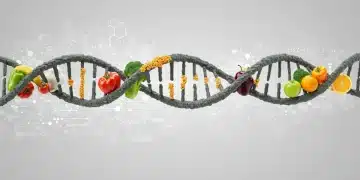
New Dietary Guidelines for Athletes 2026: 6-Month Prep

The upcoming New Dietary Guidelines for Athletes in 2026 will introduce significant shifts in nutritional recommendations, necessitating proactive adjustments in current dietary practices to ensure optimal athletic performance and long-term health.
As the athletic world constantly evolves, so does our understanding of optimal nutrition. The upcoming New Dietary Guidelines for Athletes in 2026: What You Need to Know in the Next 6 Months are set to redefine how athletes fuel their bodies. Are you ready for these pivotal changes?
Understanding the Shift: Why New Guidelines in 2026?
The landscape of sports science is dynamic, with new research constantly emerging that refines our understanding of human physiology and performance. The impending New Dietary Guidelines for Athletes in 2026 are not merely an update but a significant recalibration based on the latest scientific findings, technological advancements, and a more holistic view of athlete well-being. These guidelines aim to provide a more precise, individualized approach to nutrition, moving beyond one-size-fits-all recommendations.
For decades, dietary advice for athletes has progressed from basic caloric intake to complex macronutrient ratios. The 2026 guidelines are expected to integrate emerging areas such as epigenetics, gut microbiome health, and personalized nutrition, acknowledging that each athlete’s body responds uniquely to different dietary interventions. This shift reflects a deeper commitment to optimizing not just immediate performance but also long-term health and injury prevention.
The Evolution of Sports Nutrition Science
Sports nutrition has matured considerably, moving from anecdotal evidence to rigorous scientific inquiry. Early recommendations focused primarily on carbohydrate loading and protein intake for muscle repair. However, contemporary research delves into the nuances of nutrient timing, the role of micronutrients, and the impact of diet on mental fortitude and recovery. The new guidelines will likely synthesize these findings into actionable advice.
- Enhanced focus on personalized nutrition plans.
- Integration of microbiome health in performance optimization.
- Emphasis on sustainable and ethically sourced food choices.
- Advanced understanding of nutrient timing for recovery and adaptation.
The impetus for these new guidelines stems from a combination of factors: an increase in high-level athletic competition, a greater understanding of chronic disease prevention through diet, and the availability of sophisticated diagnostic tools that allow for highly individualized assessments. Preparing for these changes now will give athletes a distinct advantage.
Key Nutritional Changes Expected: Macronutrients and Micronutrients
The New Dietary Guidelines for Athletes in 2026 are anticipated to introduce nuanced adjustments to both macronutrient and micronutrient recommendations. While the fundamental roles of carbohydrates, proteins, and fats remain crucial, the emphasis will likely shift towards quality, timing, and individual variability. Athletes should prepare to re-evaluate their current intake based on these refined parameters to ensure optimal fueling and recovery.
Expect to see more specific guidance on carbohydrate types, moving beyond simple vs. complex to consider glycemic response and fiber content in relation to training phases. Protein recommendations may become more precise, detailing not just total intake but also distribution throughout the day and the importance of specific amino acids. Fats will continue to be recognized for their role in hormone production and energy, with a stronger focus on omega-3s and other essential fatty acids.
Refined Carbohydrate Strategies
Carbohydrates are the primary fuel for most athletic endeavors, but the new guidelines may advocate for a more strategic approach to their consumption. This could involve periodized carbohydrate intake, where quantities and types vary significantly based on training intensity and competition schedules.
- Prioritizing whole grains and complex carbohydrates for sustained energy.
- Strategic use of simple sugars during and immediately after intense exercise.
- Emphasis on fiber intake from diverse plant sources.
- Considering individual metabolic responses to different carbohydrate sources.
Beyond macronutrients, the spotlight will undoubtedly shine brighter on micronutrients. Vitamins and minerals, though needed in smaller amounts, play critical roles in energy production, immune function, and recovery. The new guidelines might highlight specific deficiencies common in athletes and recommend targeted supplementation or dietary strategies to address them.
The Role of Personalized Nutrition and Genetic Factors
One of the most significant advancements expected in the New Dietary Guidelines for Athletes in 2026 is the profound integration of personalized nutrition, heavily influenced by individual genetic makeup and metabolic profiles. The era of generic dietary advice is rapidly waning, replaced by a sophisticated understanding that ‘one size fits all’ simply does not apply to elite athletic performance. Athletes will increasingly be encouraged to undergo genetic testing and metabolic assessments to tailor their nutritional plans with unprecedented precision.
This personalized approach acknowledges that factors such as nutrient absorption rates, metabolic efficiency, and even susceptibility to certain dietary intolerances are often genetically predisposed. Understanding these individual nuances allows for the creation of dietary strategies that maximize an athlete’s potential, minimize risks of nutrient deficiencies, and optimize recovery processes. It’s about moving from broad recommendations to highly specific, data-driven nutritional interventions.
Nutrigenomics: Diet Meets DNA
Nutrigenomics, the study of how genes affect a person’s response to diet, is at the forefront of personalized nutrition. The 2026 guidelines will likely incorporate findings from this field, suggesting how specific genetic variations might influence an athlete’s need for certain vitamins, their sensitivity to caffeine, or their optimal carbohydrate-to-fat ratio.
- Genetic testing to identify predispositions for nutrient deficiencies.
- Tailoring macronutrient ratios based on individual metabolic pathways.
- Optimizing supplement use according to genetic markers.
- Understanding genetic influences on recovery and inflammation.
Implementing personalized nutrition will require a collaborative effort between athletes, coaches, and sports nutritionists. The aim is to create dietary plans that are not only effective but also sustainable and enjoyable for the individual, fostering a deeper connection between an athlete’s diet and their overall performance strategy.
Hydration and Electrolyte Management: Beyond Water
While water intake has always been a cornerstone of athlete hydration, the New Dietary Guidelines for Athletes in 2026 are set to elevate the discussion around hydration and electrolyte management. The focus will shift from simply drinking enough water to a more sophisticated understanding of fluid balance, osmolarity, and the precise replenishment of electrolytes lost through sweat. This nuanced approach recognizes that optimal hydration is not just about quantity but also about the quality and composition of fluids consumed, especially during and after intense physical exertion.
Expect to see more detailed recommendations on pre-hydration strategies, intra-exercise fluid intake based on individual sweat rates, and post-exercise rehydration protocols that consider both fluid and electrolyte deficits. The guidelines will likely emphasize the importance of monitoring hydration status through various indicators, moving beyond thirst as the sole guide.

Advanced Hydration Strategies
The new guidelines will likely advocate for a more scientific approach to hydration, urging athletes to understand their individual sweat rates and electrolyte losses. This information can then be used to formulate personalized hydration plans that include not only water but also electrolyte-rich beverages.
- Calculating individual sweat rates for precise fluid replacement.
- Monitoring urine color and body weight changes as hydration indicators.
- Strategic use of sodium, potassium, and magnesium in sports drinks.
- Developing pre-cooling and rehydration protocols for various climates.
The emphasis on electrolyte management will be particularly critical for athletes in endurance sports or those training in hot and humid conditions. Understanding the specific electrolytes lost and how to effectively replace them will be key to preventing cramps, fatigue, and even more serious heat-related illnesses. The guidelines will provide frameworks for these advanced strategies.
Supplements and Ergogenic Aids: A Revised Perspective
The realm of supplements and ergogenic aids has long been a complex and often controversial area in sports nutrition. The New Dietary Guidelines for Athletes in 2026 are expected to provide a much-needed revised perspective, aiming to clarify which supplements offer genuine, evidence-based benefits and under what specific conditions. This will involve a rigorous evaluation of current research, moving away from marketing hype towards scientific efficacy and safety.
The guidelines will likely emphasize a ‘food first’ approach, reinforcing that supplements should complement, not replace, a well-balanced diet. However, for certain micronutrient deficiencies or specific performance goals, evidence-based supplementation may be recommended. There will likely be a stronger focus on the quality, purity, and third-party testing of supplements to mitigate risks of contamination or undeclared substances, which is a significant concern for competitive athletes.
Evidence-Based Supplementation
The new guidelines will categorize supplements based on their scientific backing, likely using a tiered system (e.g., strong evidence, moderate evidence, insufficient evidence). This will help athletes and practitioners make informed decisions about which supplements are truly beneficial for their specific needs.
- Clear recommendations on creatine, caffeine, and beta-alanine use.
- Guidance on vitamin D, iron, and calcium supplementation for deficiency.
- Emphasis on third-party certified products to ensure safety and purity.
- Discouraging the use of unproven or potentially harmful substances.
This revised perspective aims to empower athletes to make safer and more effective choices regarding supplements. It will provide a framework for evaluating product claims and understanding the potential benefits and risks, ensuring that any supplement use genuinely supports performance and health without compromising integrity.
Implementing Changes in the Next 6 Months: A Practical Roadmap
With the New Dietary Guidelines for Athletes in 2026 on the horizon, the next six months offer a crucial window for proactive implementation and adaptation. This period is not about drastic, overnight changes but rather a strategic, phased approach to integrating the anticipated recommendations into your current regimen. A well-structured roadmap will ensure a smooth transition, allowing athletes to gradually adjust their nutritional habits without disrupting training or performance.
Start by conducting a thorough audit of your current dietary practices. This involves tracking food intake, hydration, and supplement use to establish a baseline. From there, identify areas that align with the forecasted guidelines and those that will require significant adjustment. Engaging with a sports nutritionist who is up-to-date on the impending changes can provide invaluable personalized guidance.
Phased Nutritional Adjustments
Breaking down the implementation into manageable phases will prevent overwhelm and allow the body to adapt gradually. Focus on one or two key areas each month, such as optimizing carbohydrate timing or refining protein distribution, before moving on to more complex changes like personalized micronutrient strategies.
- Month 1-2: Baseline assessment and initial macronutrient adjustments.
- Month 3-4: Focus on hydration protocols and electrolyte balance.
- Month 5-6: Integrate personalized micronutrient strategies and supplement review.
- Ongoing: Regular monitoring and fine-tuning based on performance and well-being.
Beyond dietary adjustments, consider incorporating education into your routine. Staying informed about the evolving science behind the guidelines will foster a deeper understanding and appreciation for the changes. The goal is to not just follow new rules but to internalize the principles of optimal athlete nutrition for sustained success.
| Key Point | Brief Description |
|---|---|
| Personalized Nutrition | Expect tailored plans based on genetics and metabolic profiles. |
| Refined Macronutrient Focus | Emphasis on quality, timing, and individual needs for carbs, proteins, fats. |
| Advanced Hydration | Beyond water, focusing on electrolyte balance and individual sweat rates. |
| Evidence-Based Supplements | Clearer guidance favoring scientifically proven and safe ergogenic aids. |
Frequently Asked Questions About 2026 Athlete Guidelines
The primary reason is to integrate the latest scientific advancements in sports nutrition, including personalized approaches based on genetics and gut microbiome research, to optimize athlete performance, recovery, and long-term health more effectively than previous general recommendations.
Personalized nutrition will likely involve more detailed assessments of your unique metabolic profile and genetic predispositions. This could lead to specific adjustments in macronutrient ratios, micronutrient focus, and even meal timing, moving away from generic advice toward highly tailored plans for maximum efficacy.
It is highly recommended to start making gradual, informed changes now. The next six months provide a crucial window to audit your current diet, consult with a sports nutritionist, and implement phased adjustments, ensuring a smooth transition and early adoption of optimal strategies.
Technology will be pivotal, especially in personalized nutrition and hydration. Tools for genetic testing, metabolic tracking, continuous glucose monitoring, and advanced sweat analysis will help provide the data needed to create highly individualized and effective dietary and hydration plans for athletes.
Yes, the guidelines are expected to offer a more revised, evidence-based perspective on supplements. They will likely categorize supplements by scientific backing and emphasize third-party testing for safety and efficacy, promoting a ‘food first’ approach while identifying beneficial aids for specific needs.
Conclusion
The impending New Dietary Guidelines for Athletes in 2026 represent a significant leap forward in sports nutrition, promising a more precise, personalized, and scientifically grounded approach to fueling athletic performance. By focusing on individualized needs, refined macronutrient strategies, advanced hydration, and evidence-based supplementation, these guidelines aim to optimize not only immediate performance but also long-term health and well-being. The next six months are a critical period for athletes and their support teams to proactive review current practices, seek expert guidance, and begin implementing phased changes. Embracing these evolving standards now will ensure athletes are well-prepared to meet the demands of future competition, maximizing their potential and safeguarding their health for years to come.