Nutritionist 7-Day Meal Plans: Secrets for Weight Management in 2026

In the ever-evolving landscape of health and wellness, achieving and maintaining a healthy weight remains a paramount goal for many. However, the sheer volume of conflicting information and fad diets can make this journey feel overwhelming. This is where the expertise of top US nutritionists becomes invaluable. They don’t just offer quick fixes; they provide sustainable, science-backed strategies, often encapsulated in meticulously crafted nutritionist meal plans. These 7-day healthy meal plans are not merely about calorie restriction; they are comprehensive blueprints designed for sustained weight management and overall well-being in 2026 and beyond.
The secret to their success lies in a personalized, holistic approach that considers individual needs, preferences, and physiological responses. This article delves deep into the insider secrets of how these professionals develop effective 7-day healthy meal plans, offering you a roadmap to understanding and implementing these powerful strategies in your own life. We’ll explore the foundational principles, the art of customization, essential components, and common pitfalls to avoid, ensuring your journey towards sustained weight management is both effective and enjoyable.
The Cornerstone of Success: Understanding Personalized Nutrition
At the heart of every effective nutritionist meal plan is the principle of personalized nutrition. There’s no one-size-fits-all diet, and what works wonders for one person might be ineffective or even detrimental for another. Top US nutritionists begin by thoroughly assessing an individual’s unique profile, which includes:
- Medical History and Health Conditions: This includes allergies, intolerances, chronic diseases (e.g., diabetes, heart disease), and any medications being taken.
- Dietary Preferences and Restrictions: Vegetarian, vegan, gluten-free, dairy-free, cultural food preferences, and dislikes are all taken into account.
- Lifestyle Factors: Activity level, work schedule, stress levels, sleep patterns, and cooking habits significantly impact the feasibility and adherence to a meal plan.
- Metabolic Rate and Body Composition: Understanding an individual’s basal metabolic rate (BMR) and body fat percentage helps in setting realistic calorie and macronutrient targets.
- Goals and Expectations: Whether the goal is weight loss, muscle gain, improved energy, or managing a specific health condition, the plan is tailored accordingly.
This initial comprehensive assessment forms the bedrock upon which a truly effective 7-day healthy meal plan is built. Without this personalized approach, even the most well-intentioned efforts can fall short. Nutritionists understand that adherence is key, and a plan that feels restrictive or doesn’t align with one’s life is destined to fail.
Key Components of a Successful 7-Day Healthy Meal Plan
Once the individual assessment is complete, nutritionists meticulously construct the nutritionist meal plan, focusing on several critical components that ensure nutritional adequacy, satiety, and long-term success. These components go beyond just counting calories and delve into the quality and balance of nutrients.
1. Macronutrient Balance: The Power Trio
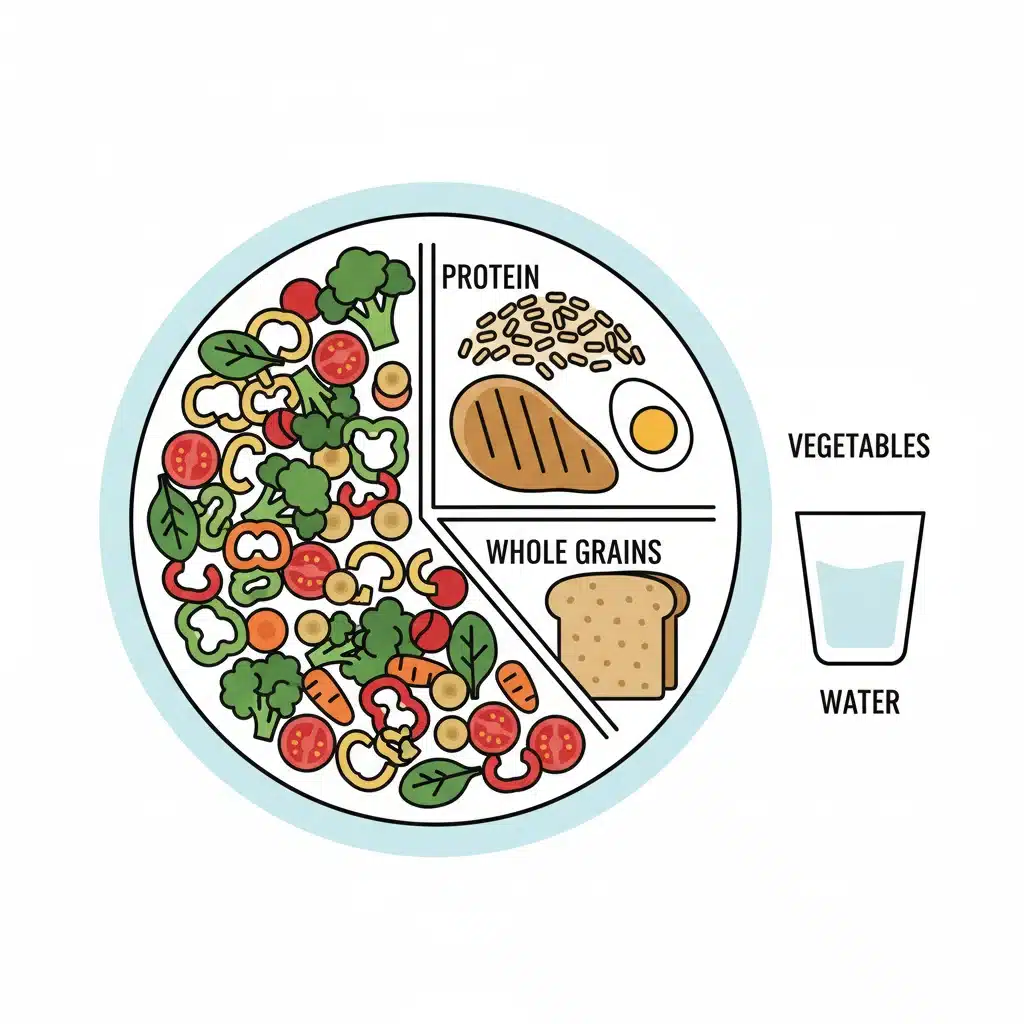
A well-structured meal plan carefully balances macronutrients – carbohydrates, proteins, and fats – to provide sustained energy, support muscle maintenance, and promote satiety. The ideal ratio varies based on individual goals and activity levels, but general guidelines often include:
- Complex Carbohydrates: These are the body’s primary energy source. Nutritionists prioritize whole grains (oats, quinoa, brown rice), legumes, fruits, and vegetables over refined carbohydrates. They provide fiber, which aids digestion, regulates blood sugar, and promotes fullness.
- Lean Proteins: Essential for muscle repair and growth, protein also plays a crucial role in satiety. Sources include lean meats, poultry, fish, eggs, dairy, tofu, tempeh, and legumes. Spreading protein intake throughout the day is often recommended.
- Healthy Fats: Crucial for hormone production, nutrient absorption, and brain health, healthy fats (avocado, nuts, seeds, olive oil, fatty fish) are incorporated in appropriate amounts. They contribute to satiety and add flavor to meals.
The precise proportions of these macronutrients are fine-tuned to an individual’s metabolic needs and weight management objectives, making each nutritionist meal plan uniquely effective.
2. Micronutrient Density: Beyond the Basics
While macronutrients provide energy, micronutrients (vitamins and minerals) are vital for countless bodily functions. Top nutritionists ensure that their 7-day healthy meal plans are rich in a wide array of fruits, vegetables, and whole foods to supply these essential nutrients. This focus on nutrient-dense foods not only supports overall health but also helps prevent cravings that can arise from nutritional deficiencies.
3. Hydration: The Often-Underestimated Element
Adequate water intake is fundamental for weight management and overall health. Nutritionists emphasize drinking plenty of water throughout the day, often suggesting specific targets based on activity level and body weight. Water aids metabolism, helps with satiety, and is crucial for nutrient transport and waste removal. Herbal teas and infused water are often recommended as healthy alternatives to sugary beverages.
4. Portion Control and Mindful Eating
Even the healthiest foods can contribute to weight gain if consumed in excess. A key element of a successful nutritionist meal plan is teaching appropriate portion sizes. This isn’t about deprivation but about understanding how much food your body truly needs. Furthermore, nutritionists often incorporate principles of mindful eating, encouraging individuals to savor their food, eat slowly, and pay attention to hunger and fullness cues. This helps foster a healthier relationship with food.
5. Meal Timing and Frequency
While the debate on optimal meal timing continues, nutritionists often recommend regular meal patterns to stabilize blood sugar levels, manage hunger, and optimize metabolism. This might involve three balanced meals and one or two healthy snacks, depending on the individual’s schedule and energy needs. The goal is to prevent extreme hunger that can lead to overeating or poor food choices.
Crafting the 7-Day Healthy Meal Plan: A Step-by-Step Approach
The process of creating a 7-day healthy meal plan involves a systematic approach, moving from broad principles to specific daily menus. Here’s a glimpse into the nutritionist’s thought process:
Step 1: Setting Calorie and Macronutrient Targets
Based on the initial assessment, the nutritionist calculates an appropriate daily calorie target for weight management. This is then broken down into ideal macronutrient percentages (e.g., 30% protein, 40% carbs, 30% fat) to guide food selections. This scientific foundation ensures the plan is effective for the client’s specific goals.
Step 2: Incorporating Favorite Foods and Flexibility
To enhance adherence, nutritionists strategically integrate foods the client enjoys, within healthy limits. They also build in flexibility, understanding that life happens. A rigid plan is often unsustainable. This might include ‘flex meals’ or guidance on making healthy choices when dining out, ensuring the nutritionist meal plan is adaptable.

Step 3: Structuring Meals for Balance and Satiety
Each meal and snack within the 7-day plan is designed to be balanced and satisfying. For example, breakfast might include whole grains, protein, and fruit. Lunch and dinner will typically feature lean protein, a generous portion of non-starchy vegetables, and a source of complex carbohydrates. Snacks are used to bridge gaps between meals and prevent excessive hunger.
Step 4: Focusing on Variety and Nutrient Diversity
A diverse range of foods is crucial to ensure a broad spectrum of micronutrients and to prevent palate fatigue. Nutritionists encourage consuming a ‘rainbow’ of fruits and vegetables throughout the week and rotating protein sources. This makes the nutritionist meal plan both nutritious and interesting.
Step 5: Practicality and Meal Preparation (Meal Prep)
Understanding that time is often a barrier, nutritionists integrate practical strategies like meal prepping. They might suggest preparing certain components in advance (e.g., cooking a batch of quinoa, chopping vegetables) to streamline daily meal assembly. This foresight makes following the 7-day healthy meal plan significantly easier for busy individuals.
Step 6: Iteration and Adjustment
A nutritionist meal plan is not static. It’s a living document that evolves with the client’s progress, feedback, and changing needs. Nutritionists regularly review and adjust plans based on how the client feels, their energy levels, weight changes, and overall adherence. This iterative process is vital for long-term success.
Sample Day from a Nutritionist’s 7-Day Healthy Meal Plan (Illustrative)
To illustrate these principles, here’s a hypothetical example of a single day from a balanced nutritionist meal plan for sustained weight management:
- Breakfast: Oatmeal (1/2 cup dry) cooked with water or unsweetened almond milk, topped with 1/4 cup berries, 1 tablespoon chopped walnuts, and a scoop of plant-based protein powder (or 2 hard-boiled eggs on the side).
- Mid-Morning Snack: Apple slices with 1 tablespoon almond butter.
- Lunch: Large salad with mixed greens, 4 oz grilled chicken breast (or chickpeas for vegetarian), various colorful vegetables (bell peppers, cucumber, carrots), 1/4 cup quinoa, and a light vinaigrette dressing (olive oil and vinegar).
- Afternoon Snack: Greek yogurt (plain, unsweetened) with a sprinkle of chia seeds.
- Dinner: Baked salmon (5 oz) with steamed broccoli (1 cup) and 1/2 cup brown rice.
- Evening Snack (Optional): Small handful of air-popped popcorn or a small piece of fruit.
This example demonstrates the balance of macronutrients, inclusion of nutrient-dense foods, and consideration for satiety throughout the day. Remember, this is illustrative; an actual nutritionist meal plan would be far more detailed and specific to the individual.
Common Pitfalls to Avoid in Weight Management
Even with a well-designed nutritionist meal plan, certain common mistakes can hinder progress. Top nutritionists educate their clients on these pitfalls to help them navigate their journey more effectively:
1. Underestimating Portion Sizes
Many individuals unknowingly consume more than they intend. Using measuring cups and food scales, especially in the initial stages, can be incredibly helpful in understanding accurate portion sizes. This is a foundational skill taught within effective 7-day healthy meal plans.
2. Over-Reliance on ‘Diet’ Foods
Products marketed as ‘diet’ or ‘low-fat’ often contain artificial sweeteners, excessive sodium, or unhealthy additives. Nutritionists advocate for whole, unprocessed foods as the cornerstone of a healthy diet, rather than relying on highly processed diet alternatives.
3. Neglecting Sleep and Stress Management
Poor sleep and chronic stress can significantly impact hormone regulation (e.g., ghrelin, leptin, cortisol), leading to increased appetite, cravings, and fat storage. A holistic nutritionist meal plan often includes recommendations for improving sleep hygiene and stress reduction techniques, recognizing their profound impact on weight management.
4. Insufficient Physical Activity
While diet is crucial, physical activity complements a healthy eating plan by burning calories, building muscle, improving metabolism, and enhancing mood. Nutritionists often collaborate with fitness professionals or provide general guidelines for incorporating regular exercise into the routine.
5. Lack of Consistency and Patience
Sustainable weight management is a marathon, not a sprint. Many become discouraged if they don’t see immediate results. Nutritionists emphasize consistency, patience, and celebrating small victories. The body takes time to adapt, and fluctuations are normal. A 7-day healthy meal plan is a starting point, not the entire journey.
The Role of Technology in Modern Nutritionist Meal Plans
In 2026, technology plays an increasingly significant role in supporting nutritionist meal plans. Apps for food tracking, meal planning, and even smart kitchen appliances can help individuals adhere to their plans. Nutritionists often leverage these tools to:
- Monitor Progress: Clients can log their food intake, activity levels, and body metrics, providing valuable data for nutritionists to analyze and adjust plans.
- Provide Resources: Access to recipe databases, educational materials, and shopping lists directly through an app makes following the plan more convenient.
- Facilitate Communication: Secure messaging platforms allow for ongoing support and quick adjustments, fostering a stronger client-nutritionist relationship.
However, nutritionists stress that technology is a tool, not a replacement for personalized professional guidance. The human element of understanding, empathy, and expert knowledge remains paramount in crafting truly effective 7-day healthy meal plans.
Beyond the Plate: Cultivating a Healthy Mindset
A crucial, yet often overlooked, aspect of sustained weight management is the psychological component. Top US nutritionists understand that food is deeply intertwined with emotions, habits, and social contexts. Therefore, their approach extends beyond just the physical plate. They often:
1. Address Emotional Eating
Many people turn to food for comfort, stress relief, or as a coping mechanism. Nutritionists help clients identify triggers for emotional eating and develop healthier coping strategies that don’t involve food. This might include mindfulness practices, journaling, or engaging in alternative activities.
2. Foster a Positive Body Image
The focus shifts from restrictive dieting and self-criticism to nourishing the body and appreciating its capabilities. A positive body image and self-compassion are vital for long-term psychological well-being and adherence to a healthy lifestyle. The nutritionist meal plan becomes a tool for self-care, not punishment.
3. Build Sustainable Habits
The goal is not just to follow a 7-day healthy meal plan for a week, but to internalize healthy eating principles and make them lifelong habits. Nutritionists empower clients with knowledge and skills, enabling them to make informed food choices independently, even after the structured plan concludes.
4. Celebrate Non-Scale Victories
Weight loss is just one metric of success. Nutritionists encourage clients to acknowledge other positive changes, such as increased energy, better sleep, improved mood, reduced cravings, healthier skin, and enhanced athletic performance. These ‘non-scale victories’ reinforce positive behaviors and motivation, making the nutritionist meal plan journey more rewarding.
Why Professional Guidance Matters for Your Nutritionist Meal Plan
While this article provides insights into the methodology, attempting to self-diagnose and create an intricate nutritionist meal plan can be challenging and potentially lead to suboptimal results. The value of consulting a qualified US nutritionist cannot be overstated:
- Expert Knowledge: They possess in-depth knowledge of nutritional science, biochemistry, and human physiology.
- Objective Assessment: A professional can objectively assess your situation, identify underlying issues, and provide unbiased recommendations.
- Accountability and Support: Regular check-ins and ongoing support from a nutritionist can significantly boost adherence and motivation.
- Tailored Adjustments: As your body changes and your goals evolve, a nutritionist can make precise, evidence-based adjustments to your 7-day healthy meal plan.
- Safety: They ensure that your meal plan is safe, nutritionally complete, and doesn’t exacerbate any existing health conditions.
Conclusion: Your Path to Sustained Weight Management with Expert Nutritionist Meal Plans
The insider secrets to how top US nutritionists craft 7-day healthy meal plans for sustained weight management in 2026 boil down to a blend of personalized science, practical strategies, and a holistic understanding of human behavior. It’s about moving beyond crash diets and embracing a lifestyle guided by nutrient-dense foods, balanced macronutrients, adequate hydration, and mindful eating practices.
These expertly designed nutritionist meal plans are not just lists of foods; they are educational tools that empower individuals to take control of their health, cultivate positive habits, and achieve lasting results. By understanding the principles outlined in this article, you are better equipped to appreciate the depth and effectiveness of professional nutritional guidance. Whether you choose to work with a nutritionist directly or apply these insights to your own healthy eating journey, the path to sustained weight management is paved with informed choices, consistency, and a commitment to nurturing your body from the inside out.
Embrace the wisdom of these experts, and embark on your journey towards a healthier, more vibrant you, supported by the foundational principles of a well-crafted nutritionist meal plan.