Personalized Nutrition 2026: Genetic Data Revolutionizing Diet

Understanding Personalized Nutrition: How Genetic Data is Shaping Dietary Recommendations in 2026
The year 2026 marks a pivotal moment in the evolution of health and wellness, particularly in the realm of diet and nutrition. For decades, the concept of a ‘one-size-fits-all’ dietary approach has dominated public health advice. However, with breakthroughs in genomics and data science, we are now firmly in an era where personalized nutrition genetic recommendations are not just a futuristic dream, but a tangible reality. This comprehensive guide delves into how our understanding of our unique genetic makeup is fundamentally transforming the way we eat, offering unprecedented opportunities for optimizing individual health.
The journey towards truly personalized nutrition has been long and complex. Early dietary guidelines focused on broad categories of food and general caloric intake. As scientific understanding advanced, we moved towards more nuanced approaches, considering macronutrient ratios and the impact of specific food groups. Yet, even these more sophisticated models often failed to account for the vast individual variability in how our bodies process and respond to food. This is where the power of genetic data comes into play, offering a microscopic view into our unique biological blueprint and unlocking the potential for dietary advice that is as individual as we are.
In 2026, the integration of genetic information into mainstream nutritional guidance is no longer a niche concept but a burgeoning field with widespread applications. From preventing chronic diseases to enhancing athletic performance and improving daily well-being, the implications of this revolution are profound. This article will explore the core principles of personalized nutrition, the scientific advancements driving its growth, the practical applications in our daily lives, and the ethical considerations that come with such powerful data. Prepare to redefine your understanding of ‘healthy eating’ through the lens of your own unique genetic code.
What is Personalized Nutrition and Why is Genetic Data Key?
At its core, personalized nutrition is the practice of tailoring dietary recommendations to an individual’s unique characteristics. While these characteristics can include factors like age, gender, lifestyle, health status, and even gut microbiome composition, the most revolutionary and impactful element emerging in 2026 is the integration of genetic data. Our genes, the fundamental units of heredity, carry instructions that influence everything from our metabolism of nutrients to our susceptibility to certain diseases and our responses to various foods.
The concept of nutrigenomics is central to this paradigm shift. Nutrigenomics is the study of how nutrients affect gene expression, and conversely, how our genes influence our body’s response to nutrients. It recognizes that subtle variations in our DNA, known as single nucleotide polymorphisms (SNPs), can significantly alter how we process carbohydrates, fats, proteins, vitamins, and minerals. For instance, some individuals might have a genetic predisposition to metabolize caffeine slowly, making them more sensitive to its effects, while others might effectively process it quickly. Similarly, genetic variations can impact lactose tolerance, gluten sensitivity, or even the efficiency with which our bodies use certain vitamins.
Prior to the widespread availability and affordability of genetic sequencing, understanding these individual differences was largely speculative or based on trial and error. However, in 2026, direct-to-consumer genetic testing kits and clinical genomic analyses have become sophisticated, accessible tools. These tests can identify specific genetic markers that are relevant to diet and health, providing actionable insights that traditional dietary advice simply cannot. This shift from general recommendations to highly specific, genetically informed guidance is what truly defines the personalized nutrition landscape of today.
Imagine a world where your diet isn’t based on what works for the ‘average’ person, but on a precise understanding of what your body needs to thrive, right down to the molecular level. This is the promise of personalized nutrition driven by genetic data. It moves beyond simply avoiding unhealthy foods to actively selecting foods that are genetically optimal for you, enhancing your health, preventing disease, and maximizing your potential. The implications for public health, preventative medicine, and individual well-being are immense, paving the way for a healthier, more informed future.
The Science Behind Personalized Nutrition: Nutrigenomics and Beyond
To truly grasp the power of personalized nutrition, it’s essential to delve deeper into the scientific disciplines that underpin it. Nutrigenomics, as mentioned, is a cornerstone, but it works in conjunction with other ‘omics’ sciences to create a holistic picture of an individual’s biological response to food. These include nutrigenetics, epigenetics, and the study of the human microbiome (microbiomics).
Nutrigenomics and Nutrigenetics: A Closer Look
- Nutrigenomics: Explores how dietary components influence gene expression. This means certain foods or nutrients can ‘turn on’ or ‘turn off’ genes, impacting various physiological processes like inflammation, metabolism, and detoxification. For example, specific compounds in broccoli can activate genes involved in detoxification pathways.
- Nutrigenetics: Focuses on how genetic variations (SNPs) affect an individual’s response to nutrients and dietary components. This is about understanding predisposition. For instance, a specific genetic variant might make someone more prone to vitamin D deficiency, necessitating higher dietary intake or supplementation.
Together, these fields provide a two-way street of understanding: how what we eat affects our genes, and how our genes affect what we need to eat. This intricate dance forms the bedrock of personalized nutrition genetic recommendations.
Epigenetics: Beyond the DNA Sequence
Beyond the fixed sequence of our DNA, epigenetics studies heritable changes in gene expression that occur without altering the underlying DNA sequence. Environmental factors, including diet, can significantly impact epigenetic markers. For example, certain nutrients like folate and B vitamins are crucial for methylation, an epigenetic process that can switch genes on or off. This means that even if you have a genetic predisposition for a certain condition, your diet can epigenetically influence whether that gene is expressed or remains dormant. This adds another layer of complexity and opportunity for personalized dietary interventions.
The Microbiome: Our Inner Ecosystem
The human gut microbiome, the vast community of microorganisms residing in our digestive tract, is increasingly recognized as a critical player in health and disease. In 2026, our understanding of how diet impacts the microbiome, and how the microbiome, in turn, influences our health and response to food, has grown exponentially. Genetic variations can influence the composition of an individual’s microbiome, and conversely, the microbiome can influence how we metabolize nutrients and even communicate with our genes. Personalized nutrition increasingly incorporates microbiome analysis, alongside genetic data, to create a truly holistic dietary strategy.
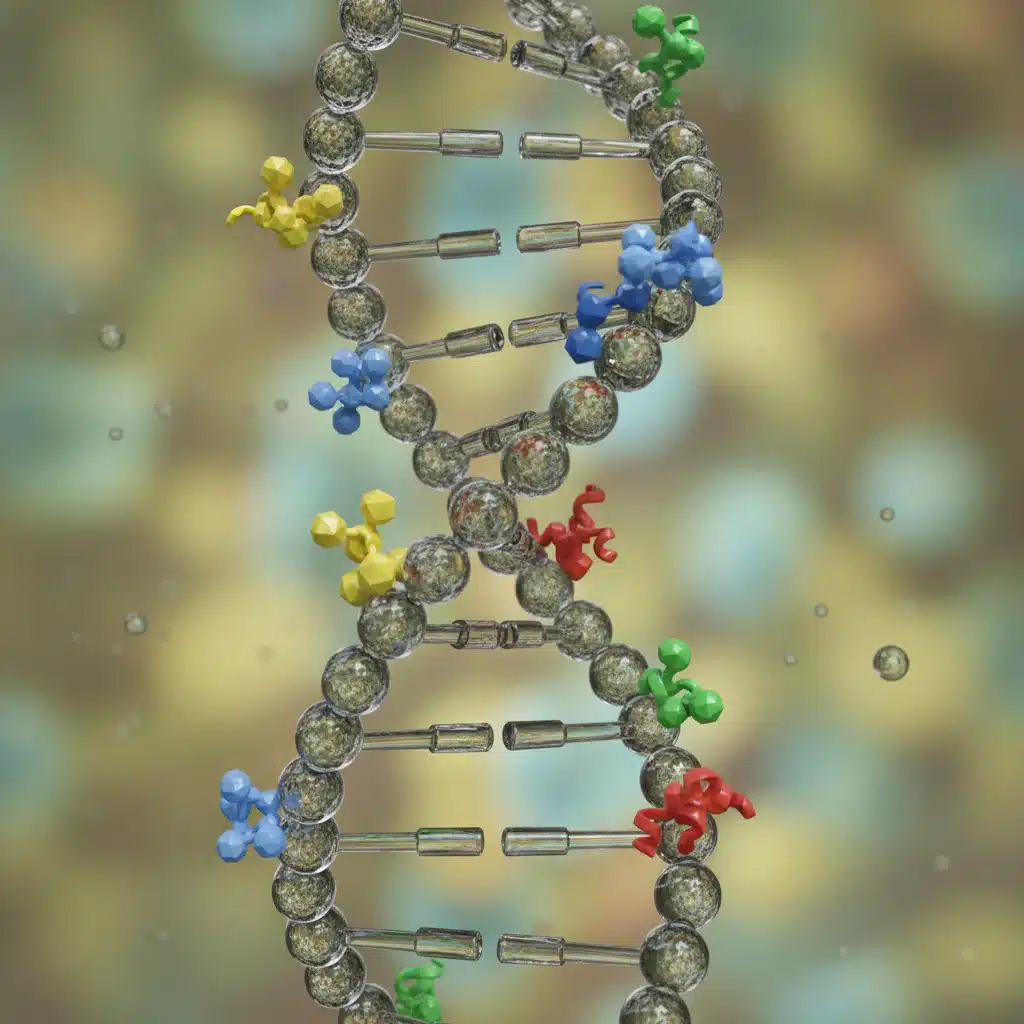
The convergence of these ‘omics’ sciences allows for an unprecedented level of detail in understanding individual metabolic pathways, nutrient requirements, and disease predispositions. This scientific foundation is what empowers the sophisticated algorithms and expert systems used in 2026 to translate complex genetic and biological data into practical, actionable personalized dietary advice. The future of nutrition is not just about what you eat, but about how your unique biology interacts with every bite.
Practical Applications: How Personalized Nutrition is Used Today (2026)
The theoretical underpinnings of personalized nutrition have now translated into a wide array of practical applications in 2026, revolutionizing various aspects of health and lifestyle. The accessibility of genetic testing, coupled with advanced data analytics and AI, has made personalized nutrition genetic recommendations a reality for many.
Disease Prevention and Management
One of the most significant applications is in the prevention and management of chronic diseases. Genetic predispositions to conditions like type 2 diabetes, cardiovascular disease, obesity, and certain cancers can now be identified. Based on this genetic insight, personalized dietary plans can be developed to mitigate risks. For example, individuals with a genetic predisposition to high cholesterol might receive recommendations for specific types of fats and fibers, while those at risk for type 2 diabetes might get precise carbohydrate intake guidelines tailored to their metabolic profile.
For individuals already managing chronic conditions, personalized nutrition can optimize treatment outcomes. For instance, a person with inflammatory bowel disease might receive dietary advice that avoids foods known to trigger inflammation based on their genetic markers, while simultaneously promoting foods that support a healthy gut microbiome specific to their needs.
Weight Management and Body Composition
The struggle with weight management is often a complex interplay of genetics, lifestyle, and environment. Personalized nutrition offers a powerful tool to move beyond generic diet plans. Genetic data can reveal how an individual metabolizes fats and carbohydrates, their satiety signals, their predisposition to store fat, and even their response to different types of exercise. This allows for the creation of highly effective, sustainable weight management strategies that align with an individual’s unique biology, rather than fighting against it. This isn’t just about losing weight, but about achieving and maintaining an optimal body composition that supports long-term health.
Enhanced Athletic Performance and Recovery
Athletes are constantly seeking an edge, and personalized nutrition provides just that. Genetic insights can inform optimal macronutrient ratios for energy, specific micronutrient needs for muscle repair and recovery, and even hydration strategies. For example, an athlete might discover a genetic variation that affects their creatine metabolism, leading to tailored supplementation or dietary adjustments. Understanding genetic predispositions to inflammation or oxidative stress can also guide dietary choices to reduce injury risk and accelerate recovery times, allowing athletes to train harder and perform better.
Optimizing General Health and Well-being
Beyond specific conditions or performance goals, personalized nutrition is increasingly adopted by individuals seeking to simply optimize their general health and well-being. This includes improving energy levels, enhancing cognitive function, boosting immunity, and promoting healthy aging. Genetic data can reveal optimal intake levels for various vitamins and minerals, identify food sensitivities or intolerances, and suggest dietary patterns that support mood regulation and sleep quality. The result is a diet that feels intuitively right because it is biologically right for you.
Precision Supplementation
The supplement industry has long been a ‘shotgun approach,’ but personalized nutrition is bringing precision to it. Instead of guessing which supplements might be beneficial, genetic data can pinpoint specific nutrient deficiencies or metabolic bottlenecks, allowing for targeted supplementation. For example, if genetic analysis reveals a reduced ability to convert certain B vitamins into their active forms, a personalized plan might recommend specific coenzyme forms of those vitamins, ensuring maximum efficacy.
In 2026, these applications are no longer confined to elite clinics but are becoming increasingly integrated into everyday health management, accessible through various platforms and healthcare providers. The era of informed eating, guided by our own genetic blueprint, is truly here.
Challenges and Ethical Considerations in Personalized Nutrition
While the promise of personalized nutrition genetic is immense, its rapid advancement also brings forth a unique set of challenges and ethical considerations that must be carefully addressed. As with any powerful technology dealing with sensitive personal data, responsible development and deployment are paramount.
Data Privacy and Security
Genetic data is arguably the most personal information an individual possesses. Its implications extend beyond health to family lineage, predisposition to various conditions, and even potential impact on insurance or employment. Ensuring robust data privacy and security measures is critical. Companies offering personalized nutrition services must adhere to stringent regulations regarding data storage, access, and sharing. Clear, transparent policies about how genetic information is collected, used, and protected are essential to build and maintain consumer trust. The risk of data breaches or misuse of this sensitive information is a constant concern that requires ongoing vigilance and technological safeguards.
Accuracy and Interpretation of Genetic Data
The science of nutrigenomics is rapidly evolving, and while significant progress has been made, not all genetic associations with diet and health are equally well-established. There’s a risk of oversimplification or misinterpretation of genetic reports, leading to potentially unnecessary dietary restrictions or unfounded anxieties. It’s crucial that personalized nutrition services are based on robust scientific evidence and that their interpretations are communicated clearly and responsibly. The involvement of qualified professionals, such as registered dietitians or genetic counselors, in interpreting results and formulating recommendations, is vital to avoid misleading conclusions.
Accessibility and Equity
As with many cutting-edge health technologies, there’s a concern that personalized nutrition services, especially those involving advanced genetic testing, might be prohibitively expensive, creating a disparity in access. If only affluent individuals can afford these advanced dietary insights, it could exacerbate existing health inequalities. Efforts must be made to ensure that the benefits of personalized nutrition are accessible to a broader population, potentially through insurance coverage, government subsidies, or the development of more affordable testing options.
Ethical Implications of Genetic Information
The availability of genetic information raises broader ethical questions. What are the psychological impacts of knowing one’s genetic predispositions to certain diseases? Could this knowledge lead to discrimination? How should incidental findings (e.g., discovery of a serious disease risk unrelated to nutrition) be handled? These are complex questions that require ongoing societal dialogue, clear ethical guidelines, and robust regulatory frameworks.
Over-reliance and ‘Genetic Determinism’
There’s a potential risk that individuals might become overly reliant on their genetic reports, viewing their health as solely determined by their genes. This ‘genetic determinism’ can overlook the crucial role of lifestyle, environment, and personal choice in health outcomes. Personalized nutrition should be presented as a tool to inform and guide, not to dictate. It’s about empowering individuals with information to make better choices, understanding that genetics are just one piece of a complex health puzzle.

Addressing these challenges requires a collaborative effort from scientists, healthcare providers, policymakers, and the public. As personalized nutrition continues to evolve, maintaining a balance between innovation and ethical responsibility will be key to harnessing its full potential for human health.
The Future of Personalized Nutrition: Beyond 2026
Looking beyond 2026, the trajectory of personalized nutrition is one of continuous innovation and integration. The foundation laid by current advancements in genetic data analysis will undoubtedly lead to even more sophisticated and holistic approaches to dietary recommendations. The keyword personalized nutrition genetic will become increasingly intertwined with a broader ecosystem of health data.
Integration with Wearable Technology and AI
One of the most exciting future developments is the deeper integration of personalized nutrition with wearable technology and artificial intelligence. Imagine smart devices that not only track activity and sleep but also monitor real-time physiological responses to food. Continuous glucose monitors, advanced biosensors detecting metabolic markers, and even smart toilets analyzing waste products could feed data directly into AI algorithms. These algorithms, combined with genetic profiles, could then provide dynamic, real-time dietary adjustments. For example, if your wearable detects a suboptimal response to a certain meal, the AI could immediately suggest alternatives or modifications for your next eating occasion, always aligning with your genetic predispositions.
Predictive and Preventative Health
The future will see personalized nutrition move even further into predictive and preventative health. Instead of just managing existing conditions, genetic and lifestyle data will allow for highly accurate predictions of future health risks. Dietary interventions could then be implemented years or even decades in advance to prevent the onset of diseases. This proactive approach has the potential to dramatically reduce the global burden of chronic illness, shifting healthcare from treatment to true prevention.
Advanced Microbiome Therapeutics
Our understanding of the gut microbiome is still in its infancy, but rapid advancements are expected. Future personalized nutrition will likely incorporate highly sophisticated microbiome analysis, leading to tailored probiotic and prebiotic interventions, and even personalized fecal microbiota transplants (FMTs) to optimize gut health based on an individual’s genetic and environmental factors. Dietary recommendations will focus on cultivating a microbiome that is genetically and metabolically optimal for each person.
Hyper-Personalized Food Production
The concept of personalized food production is also on the horizon. This could involve 3D food printing technologies that create meals with precise nutrient compositions tailored to an individual’s genetic profile and real-time needs. Imagine a future where your breakfast is ‘printed’ with the exact macronutrient balance, micronutrient fortification, and bioactive compounds your body requires at that specific moment, all informed by your personalized nutrition genetic data.
Ethical Frameworks and Regulation
As personalized nutrition becomes more pervasive and technologically advanced, the development of robust ethical frameworks and international regulations will be paramount. This includes establishing clear guidelines for data ownership, privacy, responsible marketing, and ensuring equitable access. Public education will also play a crucial role in empowering individuals to understand and utilize their genetic and health data responsibly.
The future of personalized nutrition is not just about eating healthy; it’s about eating intelligently, leveraging the most advanced scientific insights to unlock individual human potential. The journey beyond 2026 promises a world where diet is a truly personalized science, meticulously crafted for every unique individual.
Conclusion: The Dawn of a New Dietary Era with Personalized Nutrition Genetic Insights
The landscape of nutrition has irrevocably changed. In 2026, the era of generalized dietary advice is rapidly giving way to a new paradigm defined by personalized nutrition genetic insights. We have moved from a ‘one-size-fits-all’ approach to one that acknowledges and celebrates the unique biological blueprint of every individual. This revolution, driven by advancements in genomics, nutrigenomics, epigenetics, and microbiome research, offers an unprecedented opportunity to optimize health, prevent disease, and enhance overall well-being on a truly personal level.
We’ve explored how genetic data provides a deep understanding of individual metabolic pathways, nutrient requirements, and predispositions to various health conditions. This scientific foundation empowers the creation of dietary recommendations that are not merely suggestions, but precise, data-driven strategies designed to work in harmony with your body. From managing weight and enhancing athletic performance to preventing chronic diseases and simply feeling your best, the practical applications of personalized nutrition are vast and continue to expand.
However, with great power comes great responsibility. The journey forward is not without its challenges. Issues of data privacy, the accurate interpretation of complex genetic information, ensuring equitable access, and navigating profound ethical considerations remain central to the responsible development of this field. It is imperative that we continue to foster a collaborative environment among scientists, healthcare professionals, policymakers, and the public to address these concerns effectively.
Looking ahead, the future of personalized nutrition promises even greater integration with emerging technologies like AI and wearable devices, leading to dynamic, real-time dietary adjustments. We anticipate a future where food production itself can be hyper-personalized, delivering optimal nutrition tailored to the moment-to-moment needs of an individual. This vision paints a picture of a world where preventative health is paramount, and dietary choices are made with unparalleled precision and insight.
Ultimately, personalized nutrition is more than just a trend; it represents a fundamental shift in how we approach our health. It empowers individuals with the knowledge to make informed decisions about their diet, moving beyond broad guidelines to embrace a truly bespoke approach to eating. As we continue to unlock the secrets held within our DNA, the promise of a healthier, more vibrant future, shaped by the power of personalized nutrition, is not just a possibility – it’s an unfolding reality.