Omega-3 Fatty Acids: New Research on Optimal Intake for Cardiovascular Health in 2026

Omega-3 Fatty Acids: New Research on Optimal Intake for Cardiovascular Health in 2026
In the ever-evolving landscape of nutritional science, few topics garner as much consistent interest and rigorous investigation as omega-3 fatty acids. These essential fats, primarily eicosapentaenoic acid (EPA) and docosahexaenoic acid (DHA), have long been lauded for their profound impact on human health, with particular emphasis on their cardiovascular benefits. As we step into 2026, a wealth of new research has emerged, refining our understanding of the optimal intake of omega-3 fatty acids for robust cardiovascular health, offering more precise guidelines and uncovering novel mechanisms of action. This comprehensive article delves into these latest findings, providing an up-to-date guide for individuals and healthcare professionals seeking to leverage the full potential of omega-3s for heart protection.
The journey of omega-3 research has been marked by significant breakthroughs, from initial observational studies linking fish consumption to reduced heart disease risk to detailed mechanistic explorations of their anti-inflammatory, anti-arrhythmic, and lipid-modulating properties. However, the exact ‘optimal’ dose has remained a subject of ongoing debate, influenced by factors such as individual genetics, dietary patterns, existing health conditions, and the specific cardiovascular outcomes being targeted. The year 2026 brings us closer to personalized nutrition, with research offering more nuanced recommendations than ever before.
The Enduring Importance of Omega-3 Fatty Acids for Heart Health
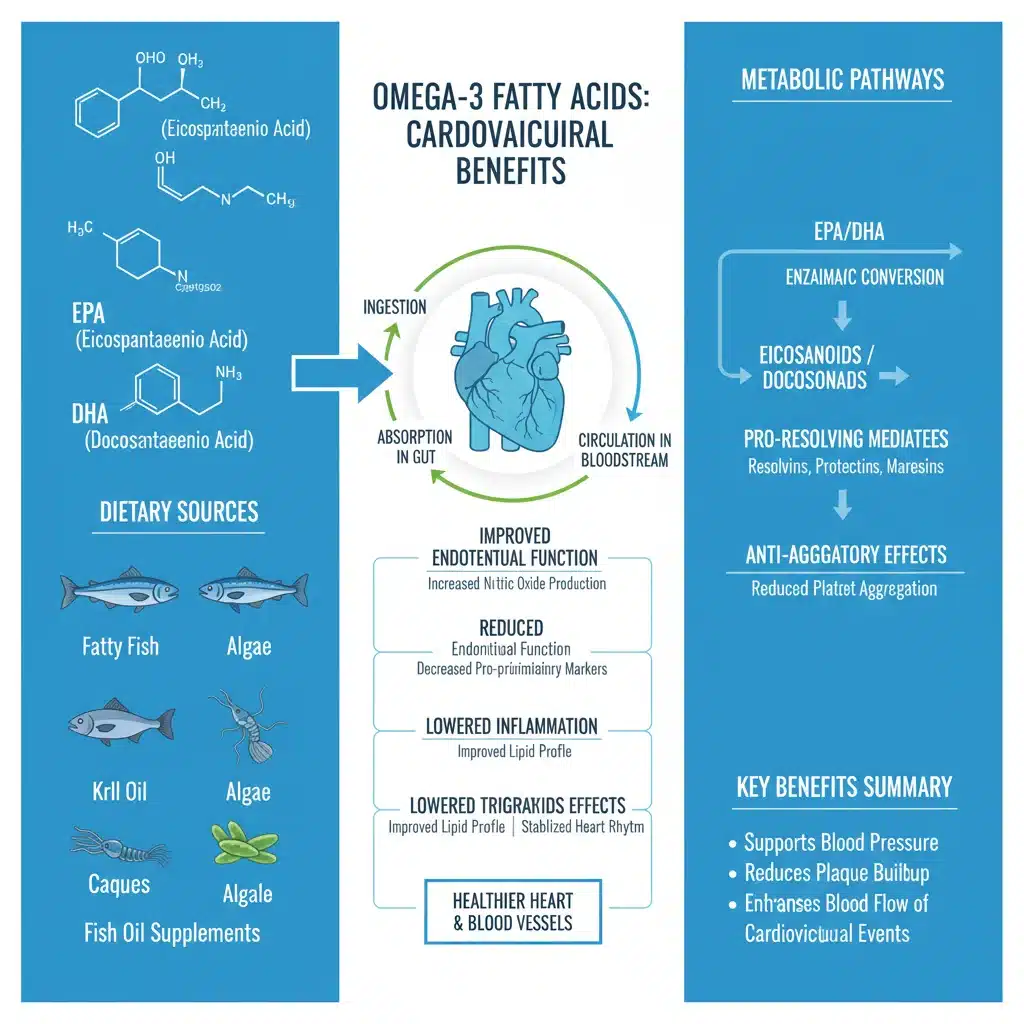
Before diving into the specifics of 2026 research, it’s crucial to reiterate why omega-3 fatty acids hold such a prominent position in cardiovascular health. EPA and DHA are integral components of cell membranes throughout the body, particularly abundant in the brain, eyes, and heart. Their structural role is fundamental, but their functional roles are even more diverse and impactful. They serve as precursors to signaling molecules called eicosanoids, which play critical roles in inflammation, blood clotting, and blood vessel constriction and dilation.
Historically, the primary cardiovascular benefits attributed to omega-3s include:
- Reduction in Triglycerides: High levels of triglycerides are a known risk factor for heart disease. Omega-3s, particularly EPA, are highly effective at lowering triglyceride levels.
- Blood Pressure Regulation: Studies have shown that regular intake of omega-3s can lead to modest reductions in blood pressure, especially in individuals with hypertension.
- Anti-inflammatory Effects: Chronic low-grade inflammation is a key driver of atherosclerosis. Omega-3s have potent anti-inflammatory properties that can help mitigate this process.
- Improved Endothelial Function: The endothelium, the inner lining of blood vessels, plays a crucial role in vascular health. Omega-3s can improve endothelial function, leading to better vasodilation and reduced plaque formation.
- Anti-arrhythmic Properties: Omega-3s have been shown to stabilize cardiac cell membranes, potentially reducing the risk of fatal arrhythmias.
- Plaque Stability: Some research suggests that omega-3s may contribute to the stabilization of atherosclerotic plaques, making them less prone to rupture and causing heart attacks or strokes.
The 2026 research builds upon this foundational knowledge, offering more precise data on how these mechanisms are optimized through specific intake levels and ratios of EPA and DHA.
Key Discoveries in 2026 Research: Refining Optimal Omega-3 Intake
The latest wave of research has brought several pivotal insights into focus, shifting our understanding from general recommendations to more tailored approaches for omega-3 cardiovascular health. One of the most significant themes emerging from 2026 studies is the increasing recognition of the distinct roles of EPA and DHA, and the importance of their ratio.
The EPA-DHA Divide: A Matter of Ratio and Specificity
For years, EPA and DHA were often grouped together, with recommendations focusing on total omega-3 intake. However, 2026 research strongly emphasizes that their cardiovascular benefits, while synergistic, are also distinct. Studies are increasingly demonstrating that:
- EPA’s Primary Role in Inflammation and Triglyceride Reduction: New meta-analyses and large-scale clinical trials in 2026 have solidified EPA’s position as the dominant player in reducing inflammation and lowering triglyceride levels. High-dose EPA formulations, in particular, have shown remarkable efficacy in reducing major adverse cardiovascular events (MACE) in patients with elevated triglycerides and established cardiovascular disease or diabetes.
- DHA’s Contribution to Endothelial Function and Blood Pressure: While DHA also contributes to overall cardiovascular health, its unique strengths appear to lie in improving endothelial function, enhancing nitric oxide bioavailability, and potentially offering more significant benefits in blood pressure regulation compared to EPA alone. Some studies also highlight DHA’s role in maintaining heart rhythm stability.
- Optimal EPA:DHA Ratios: Emerging evidence suggests that for specific cardiovascular conditions, a particular EPA:DHA ratio might be more beneficial. For primary prevention in generally healthy individuals, a balanced intake is often recommended. However, for secondary prevention or in high-risk populations, a higher EPA-to-DHA ratio (e.g., 2:1 or even higher) is gaining traction, especially for triglyceride management and anti-inflammatory effects. This nuanced understanding allows for more targeted therapeutic strategies.
This distinction is crucial for both dietary choices and supplementation strategies. While fatty fish naturally provide both, supplements can offer varying ratios, necessitating a more informed choice based on individual needs.
Personalized Omega-3 Dosing: Beyond One-Size-Fits-All
Another groundbreaking aspect of 2026 research is the move towards personalized omega-3 cardiovascular health recommendations. Traditional guidelines often provide broad ranges (e.g., 250-500 mg/day of combined EPA and DHA). However, individual responses to omega-3 supplementation can vary significantly due to:
- Genetic Polymorphisms: Certain genetic variations can influence how efficiently an individual metabolizes and incorporates omega-3s into their tissues. Research in 2026 is identifying specific gene markers that could predict responsiveness to omega-3 interventions.
- Baseline Omega-3 Status: Individuals with very low baseline omega-3 levels (often measured by the Omega-3 Index) may require higher initial doses to reach therapeutic targets. Conversely, those with adequate levels might maintain benefits with lower doses.
- Dietary Intake of Other Fats: The overall dietary fat profile, including the intake of omega-6 fatty acids, can influence the effectiveness of omega-3s. A high omega-6 to omega-3 ratio can hinder the beneficial actions of omega-3s.
- Specific Health Conditions: Patients with established cardiovascular disease, diabetes, hypertriglyceridemia, or chronic inflammatory conditions may require significantly higher doses than healthy individuals for optimal benefits.
The concept of the ‘Omega-3 Index’ – the percentage of EPA and DHA in red blood cell membranes – has gained even greater prominence in 2026 as a biomarker for assessing an individual’s omega-3 status and guiding personalized dosing. An Omega-3 Index of 8% or higher is increasingly recognized as a protective target for cardiovascular health.
Recommended Optimal Intake Levels in 2026
Based on the consolidated evidence from 2026 research, the optimal intake levels for omega-3 fatty acids for cardiovascular health are becoming more refined and stratified:
For General Cardiovascular Health (Primary Prevention):
For healthy adults without diagnosed cardiovascular disease, the recommendation generally ranges from 500 mg to 1000 mg of combined EPA and DHA per day. This can typically be achieved through the consumption of two to three servings of fatty fish (salmon, mackerel, sardines, herring, trout) per week. For those who do not consume fish, or consume it infrequently, a daily supplement providing this amount is a viable option. The emphasis here is on maintaining adequate tissue levels to support overall heart function and reduce baseline inflammation.
For Individuals with Elevated Cardiovascular Risk Factors (e.g., High Triglycerides, Hypertension):
For individuals with risk factors such as elevated triglycerides (above 150 mg/dL), mild hypertension, or a family history of heart disease, the recommended intake often increases to 1000 mg to 2000 mg of combined EPA and DHA per day. In this context, supplemental forms are often necessary to reach these therapeutic levels consistently. Particular attention should be paid to formulations with a higher EPA content if triglyceride reduction is a primary goal. The 2026 data points towards a significant reduction in risk markers at these intake levels.
For Patients with Established Cardiovascular Disease (Secondary Prevention):
For patients who have already experienced a cardiovascular event (e.g., heart attack, stroke) or have diagnosed cardiovascular disease, the evidence from 2026 strongly supports higher therapeutic doses. Recommendations for this group typically range from 2000 mg to 4000 mg (2-4 grams) of combined EPA and DHA per day, often with a preference for EPA-rich formulations. These higher doses have been shown in recent trials to significantly reduce the risk of recurrent cardiovascular events, including non-fatal myocardial infarction, stroke, and cardiovascular death. It is crucial for patients in this category to consult with their healthcare provider to determine the most appropriate dosage and formulation, as these higher doses should be medically supervised.
Special Considerations:
- Pregnancy and Lactation: While primarily focused on fetal brain and eye development, adequate maternal omega-3 intake (especially DHA) also supports maternal cardiovascular health. Recommendations typically range from 200-300 mg DHA daily, often as part of a combined EPA/DHA supplement.
- Vegetarians and Vegans: For individuals following plant-based diets, alpha-linolenic acid (ALA) from sources like flaxseed, chia seeds, and walnuts is essential. However, the conversion of ALA to EPA and DHA in the body is inefficient. Therefore, algae-based DHA supplements are strongly recommended to ensure adequate intake of preformed DHA and often some EPA.
- Interaction with Medications: High doses of omega-3s can have anti-platelet effects, potentially increasing the risk of bleeding in individuals taking anticoagulant medications (e.g., warfarin, aspirin, direct oral anticoagulants). Medical supervision is essential in such cases.
Sources of Omega-3 Fatty Acids: Dietary vs. Supplemental
Achieving optimal omega-3 cardiovascular health can be approached through diet, supplementation, or a combination of both. The 2026 research continues to underscore the importance of dietary sources as the preferred first line of defense, with supplements playing a crucial role when dietary intake is insufficient or higher therapeutic doses are required.
Dietary Sources:
- Fatty Fish: Salmon, mackerel, sardines, herring, anchovies, and trout are excellent sources of EPA and DHA. Aim for 2-3 servings (e.g., 3-4 ounces per serving) per week.
- Other Seafood: While lower in concentration, other seafood like tuna and shellfish also contribute to omega-3 intake.
- Plant-Based ALA Sources: Flaxseeds, chia seeds, walnuts, and canola oil provide ALA. While beneficial, remember the inefficient conversion to EPA and DHA.
Supplements:
When choosing an omega-3 supplement, 2026 research highlights several important considerations:
- Formulation: Omega-3s are available as ethyl esters (EE), triglycerides (TG), or re-esterified triglycerides (rTG). While all forms can be effective, rTG forms are generally considered to have superior bioavailability.
- Concentration: Look for supplements with high concentrations of EPA and DHA per capsule to reduce the number of pills needed, especially for higher doses.
- Purity and Freshness: Choose reputable brands that provide third-party testing for purity (absence of heavy metals, PCBs, dioxins) and freshness (low oxidation levels, indicated by TOTOX values). Rancid fish oil can be pro-inflammatory.
- EPA:DHA Ratio: As discussed, consider the specific ratio based on your health goals and in consultation with your healthcare provider.
- Algae-Based Options: For vegetarians and vegans, algae-based supplements are an excellent way to obtain preformed DHA and often EPA.
Emerging Research and Future Directions: The Horizon of Omega-3 Science in 2026
The field of omega-3 cardiovascular health is far from static. In 2026, research continues to explore new frontiers:
Genomic and Metabolomic Insights:
Advanced genomic and metabolomic studies are providing deeper insights into how omega-3s interact with individual biological systems. This includes identifying specific genetic markers that predict an individual’s response to omega-3 supplementation, paving the way for truly personalized nutrition recommendations.
Omega-3 and Gut Microbiome:
The intricate relationship between omega-3 fatty acids and the gut microbiome is another exciting area of research. Preliminary 2026 studies suggest that omega-3s can modulate gut microbiota composition, potentially influencing inflammation, metabolic health, and even cardiovascular risk through gut-brain and gut-heart axes.
Beyond Traditional Cardiovascular Outcomes:
While the focus remains on heart health, 2026 research is also expanding to explore the broader systemic benefits of optimal omega-3 intake, including their roles in cognitive function, mental health, immune regulation, and healthy aging, all of which indirectly contribute to overall cardiovascular well-being.
Novel Delivery Methods:
Researchers are investigating new ways to enhance the bioavailability and stability of omega-3s, including various emulsion technologies and targeted delivery systems, which could further optimize their therapeutic efficacy.

Practical Recommendations for Integrating Omega-3s into Your Lifestyle
Given the wealth of new information from 2026 research, here are practical steps to optimize your omega-3 cardiovascular health:
- Assess Your Current Intake: Honestly evaluate how much fatty fish you consume weekly. If it’s less than two servings, consider dietary adjustments or supplementation.
- Consider an Omega-3 Index Test: This simple blood test can provide a clear picture of your current omega-3 status and help guide personalized intake goals. Discuss this with your doctor.
- Prioritize Dietary Sources: Make fatty fish a regular part of your diet. Experiment with different types and recipes to keep it enjoyable.
- Choose Supplements Wisely: If supplementing, select a high-quality product from a reputable brand, paying attention to EPA/DHA concentration, form (rTG preferred), and third-party purity testing.
- Consult Your Healthcare Provider: This is especially crucial if you have existing cardiovascular disease, other health conditions, or are taking medications. Your doctor can help determine the optimal dose and monitor for any potential interactions.
- Monitor and Adjust: Cardiovascular health is a journey. Regularly review your diet, lifestyle, and omega-3 intake with your healthcare team to make necessary adjustments based on your evolving health status and new research findings.
- Balance with a Healthy Lifestyle: Remember that omega-3s are a component of a holistic approach to cardiovascular health. They work best when combined with a balanced diet rich in fruits, vegetables, and whole grains, regular physical activity, stress management, and avoidance of smoking.
Conclusion: A Brighter Future for Cardiovascular Health with Omega-3s in 2026
The year 2026 marks a significant advancement in our understanding of omega-3 fatty acids and their optimal intake for cardiovascular health. The shift from general recommendations to more personalized, data-driven strategies, coupled with a deeper appreciation for the distinct roles of EPA and DHA, empowers individuals and clinicians to make more informed decisions.
While the foundational message remains consistent – omega-3s are vital for a healthy heart – the nuances provided by the latest research offer a clearer roadmap. By embracing these new insights, prioritizing quality sources, and working closely with healthcare professionals, we can harness the full protective power of omega-3 fatty acids, paving the way for a future with less cardiovascular disease and improved overall well-being. The journey of omega-3 science continues, promising even more exciting discoveries in the years to come, but for now, the evidence in 2026 is robust and actionable: optimize your omega-3 intake for a healthier heart.