Decoding Food Labels 2026: Your Guide to Healthier Choices
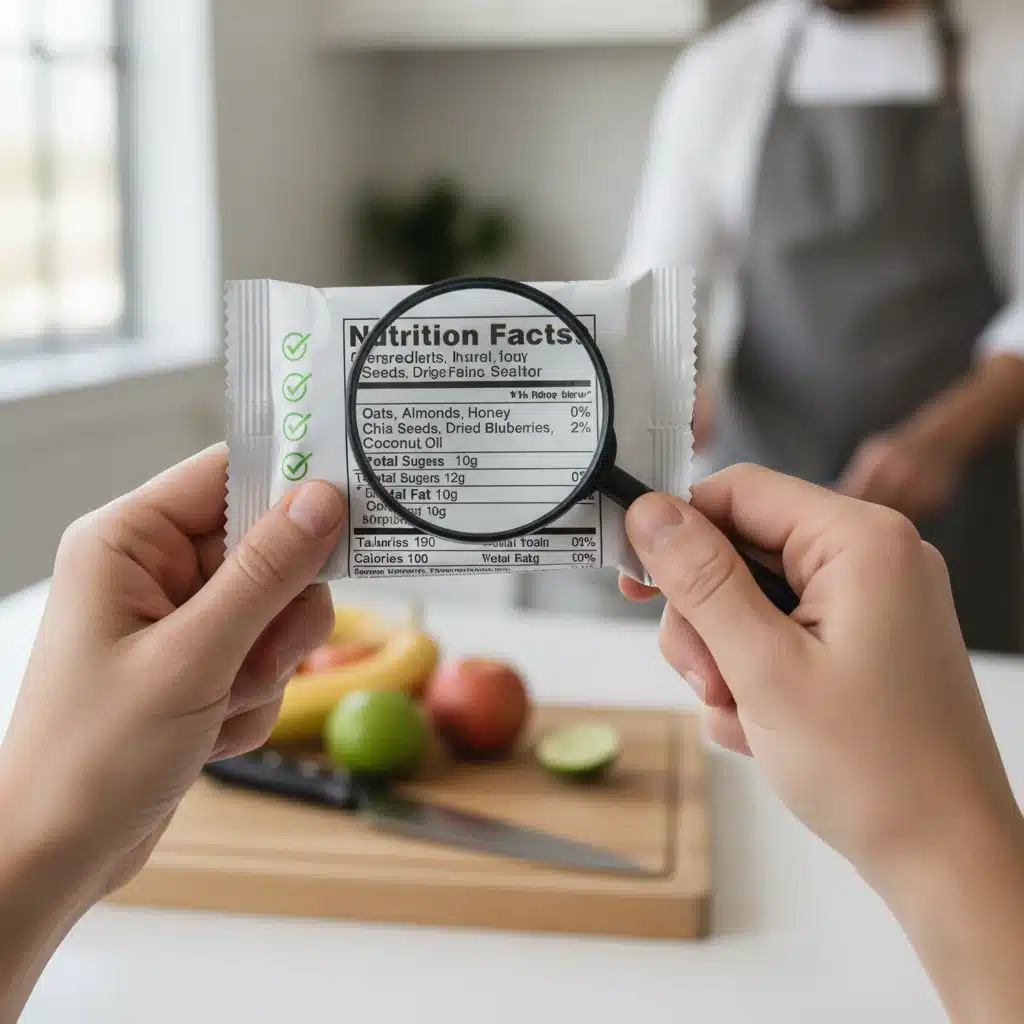
In an increasingly health-conscious world, the ability to make informed dietary choices is paramount. As we navigate through 2026, the landscape of food products continues to evolve, making the skill of decoding food labels more crucial than ever. This comprehensive guide is designed to empower you, the modern meal planner, to cut through the marketing jargon, identify hidden ingredients, and ultimately make healthier choices for yourself and your family. Forget the days of blindly tossing items into your shopping cart; 2026 is the year you become a label-reading expert.
The average consumer spends mere seconds looking at a food label, often focusing solely on calorie counts or fat content. However, the true story of a product’s nutritional value lies much deeper within the ingredient list and the detailed nutrition facts panel. With the rise of ultra-processed foods and the ever-present challenge of hidden sugars, understanding these labels is not just a recommendation, but a necessity for maintaining optimal health and preventing diet-related diseases. This guide will walk you through the essential components of a food label, providing you with the knowledge and tools to confidently choose foods that genuinely support your well-being.
The Evolution of Food Labels: What’s New in 2026?
Food labeling regulations are not static; they adapt to new scientific discoveries, public health concerns, and consumer demands. As we step into 2026, several key shifts in labeling practices are becoming more prevalent. While the core components remain, there’s an increased emphasis on transparency, particularly regarding allergens, genetically modified organisms (GMOs), and the origin of ingredients. Some regions are also adopting clearer front-of-package labeling systems, such as ‘traffic light’ ratings or nutrient profiling scores, to provide at-a-glance information about a product’s healthfulness. Staying updated on these changes is crucial for effective decoding food labels.
Beyond regulatory changes, manufacturers are also responding to consumer demand for cleaner labels. This often translates to shorter ingredient lists, fewer artificial additives, and a greater emphasis on whole, recognizable ingredients. However, this trend can sometimes be a double-edged sword, as marketing terms like ‘natural’ or ‘clean’ are not always legally defined and can be used to mislead. Our goal is to equip you with the critical thinking skills to look beyond these buzzwords and truly understand what you’re consuming.
Mastering the Nutrition Facts Panel: Beyond Calories
The Nutrition Facts panel is the cornerstone of any food label. While many people gravitate towards the calorie count, a truly informed consumer understands that this is just one piece of the puzzle. In 2026, a holistic approach to understanding this panel is essential for decoding food labels effectively.
Serving Size and Servings Per Container
This is arguably the most overlooked yet critical piece of information. All the nutritional values listed on the label pertain to a single serving. It’s common for a single package to contain multiple servings. If you consume the entire package, you need to multiply all the listed nutrients by the number of servings. Misinterpreting serving sizes is a common pitfall leading to overconsumption of calories, sugar, and unhealthy fats.
Total Fat, Saturated Fat, and Trans Fat
While fat has been demonized in the past, we now understand that not all fats are created equal. Focus on limiting saturated and trans fats, which are linked to increased risk of heart disease. Trans fats, in particular, should be avoided entirely if possible. Look for products with low amounts of these fats and higher amounts of beneficial unsaturated fats (though these are not always explicitly listed on the main panel). The key to decoding food labels for fat content is understanding the types of fat.
Cholesterol and Sodium
These two nutrients are particularly important for individuals managing blood pressure and heart health. High sodium intake is a pervasive issue in modern diets, often hidden in processed foods. Aim for foods with lower sodium content, especially if you have or are at risk for hypertension. Cholesterol content can also be a concern, though dietary cholesterol’s impact on blood cholesterol is often less significant than saturated and trans fat intake.
Total Carbohydrates, Dietary Fiber, and Sugars
This section is where the battle against hidden sugars truly begins. Total carbohydrates include sugars, starches, and fiber. Dietary fiber is a beneficial carbohydrate that aids digestion and can help regulate blood sugar. Aim for foods high in fiber. The ‘Sugars’ line item is crucial. This includes naturally occurring sugars (like those in fruit and milk) and added sugars. Many 2026 labels are making a clearer distinction between these two, which is a significant step forward in decoding food labels for sugar content.
Protein
Protein is essential for muscle repair, growth, and satiety. Look for foods that provide a good source of protein, especially if you’re trying to manage weight or build muscle. The amount of protein per serving can vary significantly between similar products.
Vitamins and Minerals
The panel lists key vitamins and minerals and their percentage of the Daily Value (%DV). This can help you identify products that are good sources of essential nutrients like Vitamin D, calcium, iron, and potassium. Pay attention to these percentages to ensure you’re meeting your daily requirements.
The Ingredient List: Unmasking Hidden Sugars and Unwanted Additives
If the Nutrition Facts panel tells you *what* nutrients are in your food, the ingredient list tells you *what* your food is actually made of. This is where decoding food labels truly becomes an art. Ingredients are listed in descending order by weight, meaning the first ingredients are present in the largest amounts.
The Many Faces of Sugar
This is perhaps the most challenging aspect of label reading. Food manufacturers are adept at disguising sugar under numerous different names. In 2026, awareness of these aliases is crucial. Here’s a non-exhaustive list of common hidden sugars to watch out for:
- High-Fructose Corn Syrup (HFCS)
- Corn Syrup Solids
- Maltodextrin
- Dextrose, Fructose, Glucose, Sucrose, Lactose, Maltose
- Evaporated Cane Juice / Cane Sugar
- Rice Syrup
- Agave Nectar / Syrup
- Maple Syrup
- Honey
- Molasses
- Fruit Juice Concentrate
- Caramel
- Sorghum Syrup
If you see several of these terms listed, especially at the beginning of the ingredient list, it’s a strong indicator that the product is high in added sugars, regardless of what the ‘Sugars’ line on the Nutrition Facts panel might initially suggest (before added sugars are explicitly separated).
Navigating Artificial Additives and Preservatives
Beyond sugar, look out for artificial colors (e.g., Red 40, Yellow 5), artificial flavors, and various preservatives (e.g., BHA, BHT, sodium benzoate). While many are deemed safe in small quantities by regulatory bodies, a general rule for healthier eating is to choose foods with fewer artificial ingredients and a shorter, more recognizable ingredient list. The ability to identify and avoid these is key to truly decoding food labels for a cleaner diet.
Understanding Fats and Oils in the Ingredient List
While the Nutrition Facts panel gives you the total fat, the ingredient list reveals the sources. Look for healthier oils like olive oil, avocado oil, and sunflower oil. Be wary of partially hydrogenated oils (a source of trans fats, though increasingly rare due to regulations) and highly processed vegetable oils that might contribute to inflammation in excess. Some products may also use palm oil, which raises both health and environmental concerns.

Front-of-Package Labeling: A Quick Glance Guide for 2026
To assist consumers in making quicker decisions, many countries and companies are adopting front-of-package (FOP) labeling systems. While these vary, they generally aim to provide a simplified summary of a product’s nutritional profile. Common FOP labels include:
- Traffic Light Systems: Red, amber, or green indicators for high, medium, or low levels of fat, sugar, salt, and saturated fat.
- Nutri-Score: A five-color scale (A to E) that evaluates the overall nutritional quality of products, with ‘A’ being the healthiest.
- Health Stars: A star rating system, often seen in Australia and New Zealand, where more stars indicate a healthier product.
- Warning Labels: Specific labels indicating high levels of sugar, sodium, or saturated fat, often in black and white boxes.
While these systems can be helpful for a quick assessment, they are not a substitute for thoroughly examining the Nutrition Facts panel and ingredient list. They can give you a general idea, but true understanding of decoding food labels requires diving deeper.
Allergens and Dietary Restrictions: A Critical Read
For individuals with allergies or specific dietary restrictions (e.g., gluten-free, vegan, kosher), the allergen declaration and certification symbols are paramount. Most regulations require common allergens (like milk, eggs, peanuts, tree nuts, soy, wheat, fish, and shellfish) to be clearly listed, often in bold or in a separate ‘Contains’ statement. Always double-check these sections, as formulations can change, and cross-contamination warnings are also important to note. When decoding food labels, this section is non-negotiable for safety.
Beyond the Label: Understanding Marketing Claims
Food packaging is a powerful marketing tool, and manufacturers often use appealing claims to entice consumers. In 2026, it’s more important than ever to distinguish between meaningful claims and mere marketing fluff. Here’s how to approach common claims:
- ‘Natural’: This term is largely unregulated and can be applied to products that have undergone significant processing. It doesn’t necessarily mean ‘healthy.’
- ‘Organic’: This claim is regulated and indicates that the product was produced according to specific organic farming standards. Look for the USDA Organic seal or equivalent certifications.
- ‘Whole Grain’: Ensure ‘whole grain’ or ‘whole wheat’ is listed as the first ingredient to guarantee a significant amount. ‘Multigrain’ or ‘wheat flour’ alone does not guarantee whole grains.
- ‘Sugar-Free’ / ‘No Added Sugar’: ‘Sugar-free’ means less than 0.5 grams of sugar per serving. ‘No added sugar’ means no sugar was added during processing, but the product might still contain naturally occurring sugars or artificial sweeteners.
- ‘Low Fat’ / ‘Fat-Free’: These claims often mean that sugar or other additives have been used to compensate for the reduction in fat, potentially making the product less healthy overall.
- ‘Light’ / ‘Lite’: This usually means a product has 50% less fat or 1/3 fewer calories than the original version. Always check the nutrition panel for specifics.
- ‘Source of X’ / ‘High in X’: These indicate that a serving provides a certain percentage of the Daily Value for a specific nutrient.
A critical eye towards these claims is an integral part of effectively decoding food labels.
Putting It All Together: A Meal Planner’s Strategy for 2026
Now that you’re armed with the knowledge of how to dissect a food label, let’s integrate this into your 2026 meal planning strategy. The goal is to make healthier choices consistently, not just occasionally.
- Prioritize Whole Foods: The simplest way to avoid label confusion is to choose whole, unprocessed foods as much as possible – fresh fruits, vegetables, lean meats, fish, and legumes. These generally don’t require labels!
- Start with the Ingredient List: Before even looking at the Nutrition Facts, quickly scan the ingredient list. If it’s long, contains many unpronounceable words, or has multiple forms of sugar near the top, consider putting it back.
- Examine Serving Size First: Always adjust the Nutrition Facts to reflect the amount you actually plan to eat.
- Focus on Key Nutrients: Prioritize limiting added sugars, saturated fat, trans fat, and sodium. Prioritize increasing fiber, protein, and beneficial vitamins/minerals.
- Compare Products: Don’t just pick the first option. Compare similar products from different brands. You’ll often find significant differences in sugar, sodium, and additive content.
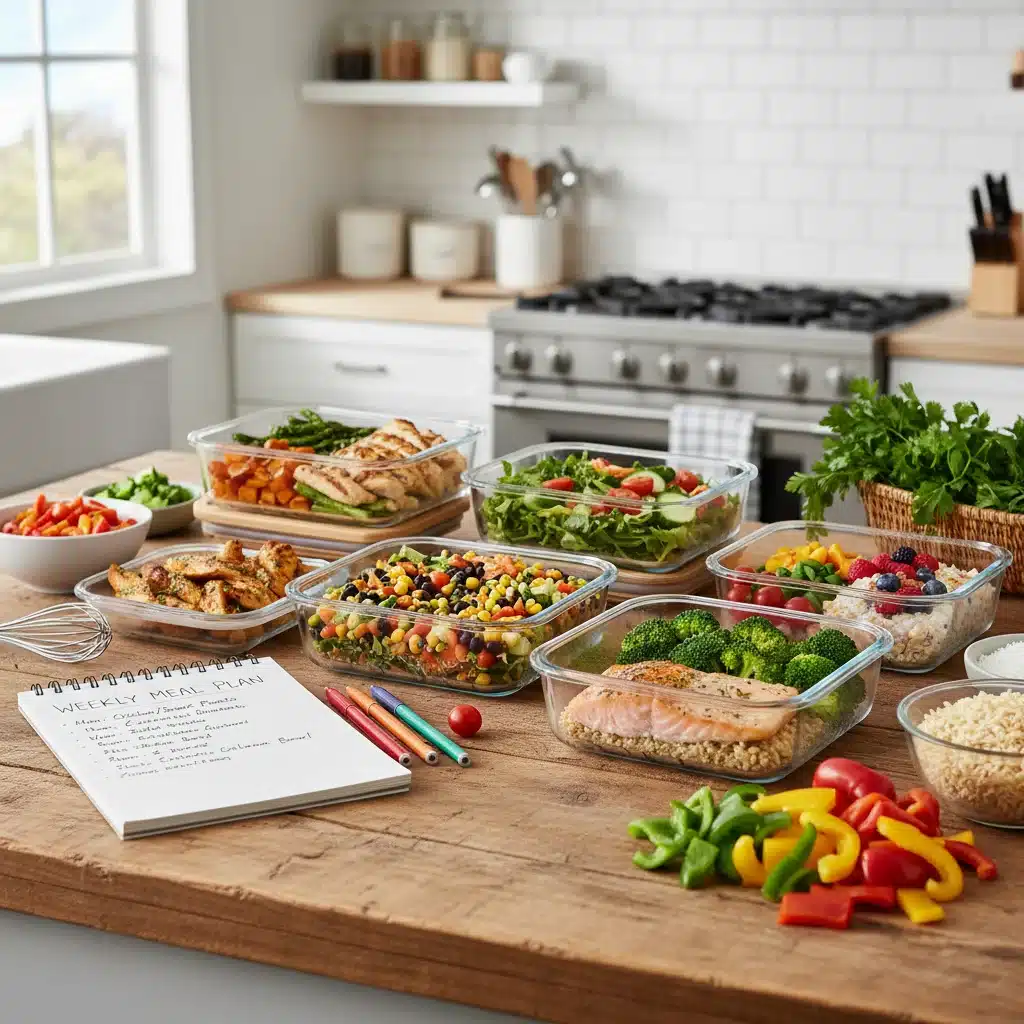
- Plan Ahead: When meal planning, consider the nutritional profile of your overall meals, not just individual ingredients. A balanced plate is key.
- Stay Updated: Food labeling regulations and scientific understanding evolve. Keep an eye on reputable health news sources for updates on nutritional guidelines and labeling changes.
The Impact of Informed Choices on Your Health
The effort you put into decoding food labels directly translates into tangible health benefits. By consistently choosing products lower in added sugars, unhealthy fats, and excessive sodium, you contribute to a reduced risk of chronic diseases such as type 2 diabetes, heart disease, and certain cancers. You’ll likely experience improved energy levels, better weight management, and enhanced overall well-being. Furthermore, by understanding what you’re eating, you cultivate a deeper connection with your food and develop more mindful eating habits, which are invaluable for long-term health.
For parents, teaching children how to read and understand food labels is an essential life skill that empowers them to make healthy choices from a young age. It fosters a sense of nutritional literacy that will serve them well throughout their lives, helping to combat the pervasive influence of unhealthy food marketing.
Future Trends in Food Labeling and Nutrition
Looking beyond 2026, we can anticipate further advancements in food labeling. Digital labels accessible via QR codes, personalized nutrition recommendations based on genetics, and even ‘sustainability scores’ on packaging are likely to become more common. The goal across all these innovations remains the same: to provide consumers with clearer, more actionable information to make healthier and more responsible choices. Your ability to adapt and continue decoding food labels will be a lifelong asset.
The journey to healthier eating is continuous, and understanding food labels is a powerful step in that direction. It transforms you from a passive consumer into an active participant in your own health journey. By applying the principles discussed in this guide, you can confidently navigate the supermarket aisles, make informed decisions, and build a meal plan that truly nourishes your body and mind. Embrace the challenge of decoding food labels, and unlock a healthier, more vibrant you in 2026 and beyond.