The Science of Hydration: Beyond Water, Electrolytes for Peak Performance in 2026

The Science of Hydration: Beyond Water, Electrolytes for Peak Performance in 2026
In the relentless pursuit of optimal health and peak physical and cognitive performance, the conversation often gravitates towards diet, exercise, and sleep. While these pillars are undeniably crucial, there’s a foundational element that underpins every biological process in the human body, one that is frequently underestimated and misunderstood: hydration. However, in 2026, we understand that hydration is far more nuanced than simply drinking enough water. It’s about maintaining a delicate balance of essential minerals – electrolytes – that govern everything from nerve impulses to muscle contractions. Understanding the intricate role of Electrolytes Performance 2026 is not just for elite athletes; it’s fundamental for anyone looking to truly thrive.
As we navigate the complexities of modern life, with its varied stressors, environmental challenges, and ever-increasing demands on our bodies and minds, the importance of precise hydration becomes paramount. This comprehensive guide will delve into the cutting-edge science of hydration, exploring why electrolytes are the unsung heroes of our physiology and how optimizing their balance can unlock unprecedented levels of performance and well-being in the year 2026 and beyond.
The Fundamental Role of Water: The Body’s Primary Solvent
Before we dive into the world of electrolytes, it’s essential to acknowledge the undisputed king of hydration: water. Our bodies are composed of approximately 50-70% water, a testament to its indispensable nature. Water acts as the universal solvent, facilitating countless biochemical reactions. It transports nutrients to cells, carries waste products away, regulates body temperature through sweating, lubricates joints, and protects organs and tissues. Without adequate water, no bodily system can function efficiently, let alone optimally. Dehydration, even mild, can lead to fatigue, headaches, decreased cognitive function, and impaired physical performance. This foundational understanding sets the stage for appreciating the critical partnership between water and electrolytes in achieving true hydration.
The average adult needs to consume around 2 to 3 liters of water per day, though this can vary significantly based on activity level, climate, and individual metabolic rates. Athletes, individuals in hot environments, or those performing strenuous physical labor will naturally require more. However, simply chugging large quantities of plain water isn’t always the most effective strategy, especially in situations of significant fluid loss, which is where the concept of Electrolytes Performance 2026 truly comes into play.
Electrolytes: The Electrical Engineers of Your Body
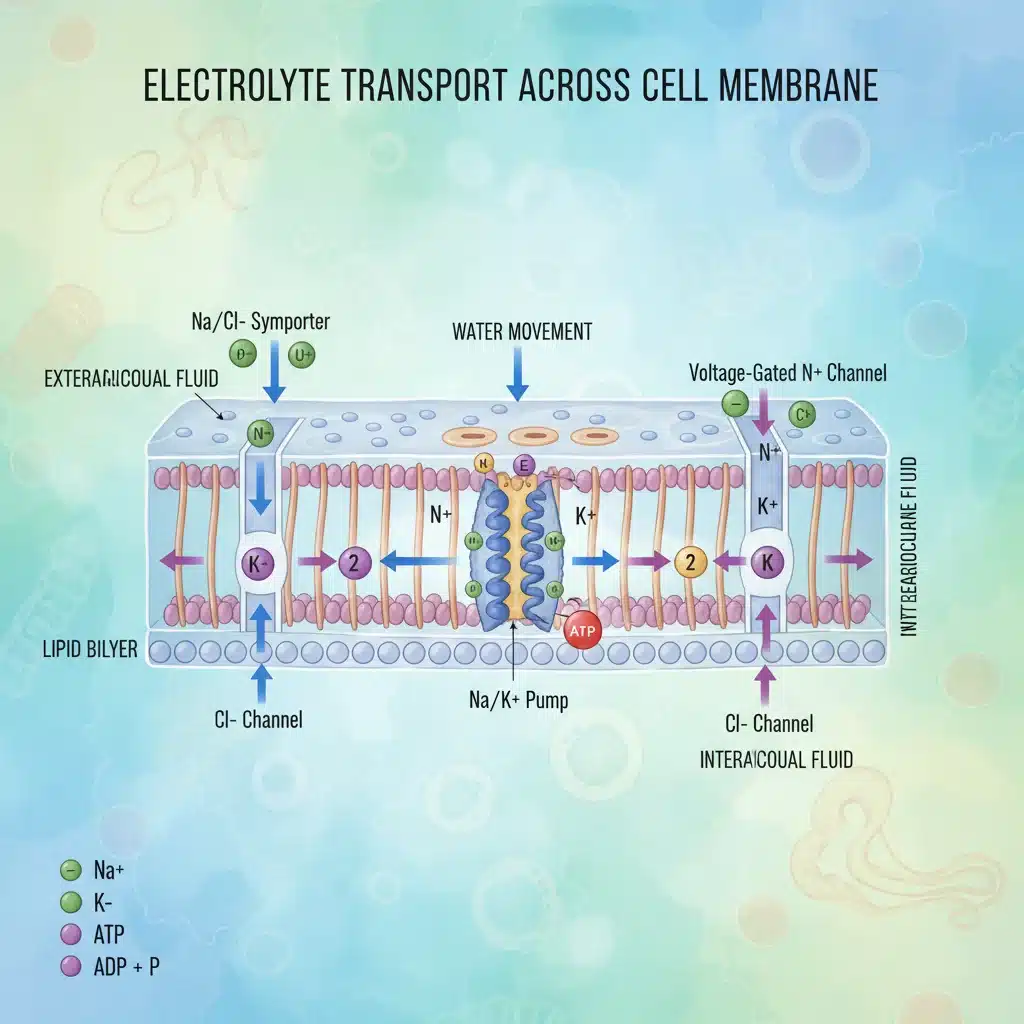
So, what exactly are electrolytes? In simple terms, electrolytes are minerals that carry an electric charge when dissolved in water. They are found in your blood, urine, tissues, and other body fluids. These charged particles are absolutely vital for a multitude of bodily functions, acting as the electrical engineers that power our physiological systems. The primary electrolytes include sodium, potassium, chloride, magnesium, calcium, phosphate, and bicarbonate.
Each of these minerals plays a distinct yet interconnected role:
- Sodium (Na+): Crucial for maintaining fluid balance outside cells, nerve impulse transmission, and muscle function. Often the most talked-about electrolyte in the context of sweat loss.
- Potassium (K+): Essential for maintaining fluid balance inside cells, nerve signals, and muscle contractions, including the critical function of the heart.
- Chloride (Cl-): Works closely with sodium to maintain fluid balance and blood pressure. Also a component of stomach acid.
- Magnesium (Mg2+): Involved in over 300 enzymatic reactions, including muscle and nerve function, blood glucose control, and blood pressure regulation. Often deficient in modern diets.
- Calcium (Ca2+): Best known for bone health, but also vital for muscle contraction, nerve signaling, and blood clotting.
- Phosphate (PO4^3-): Important for bone and teeth formation, energy storage and release (ATP), and nerve function.
- Bicarbonate (HCO3-): Plays a key role in maintaining the body’s pH balance (acid-base balance).
The balance of these electrolytes is tightly regulated by the kidneys and hormones. Any imbalance, whether too high or too low, can have significant consequences for health and performance. This is where understanding Electrolytes Performance 2026 becomes critical for proactive health management.
The Impact of Electrolyte Imbalance on Performance
The consequences of electrolyte imbalance can range from mild discomfort to severe, life-threatening conditions. For anyone engaged in physical activity, especially prolonged or intense workouts, adequate electrolyte replenishment is not merely beneficial; it’s essential. When we sweat, we lose not just water, but also significant amounts of electrolytes, primarily sodium and chloride, but also smaller amounts of potassium, magnesium, and calcium.
Physical Performance
- Muscle Cramps: One of the most common and debilitating signs of electrolyte depletion, particularly sodium, potassium, and magnesium. These minerals are vital for proper muscle contraction and relaxation.
- Fatigue and Weakness: Electrolytes are integral to energy production and nerve signaling. Imbalances can lead to a general feeling of sluggishness and reduced physical capacity.
- Decreased Endurance: Without the proper electrical signals facilitated by electrolytes, muscles cannot sustain effort, leading to premature fatigue and reduced endurance.
- Impaired Coordination: Nerve impulses rely on electrolyte gradients. Disruptions can manifest as reduced coordination and slower reaction times.
- Heat-Related Illnesses: Severe electrolyte depletion, especially in hot conditions, can contribute to heat exhaustion and heatstroke, as the body struggles to regulate temperature.
Cognitive Performance
It’s not just physical prowess that suffers. Our brains are highly sensitive to electrolyte balance:
- Reduced Focus and Concentration: Electrolytes facilitate neurotransmission. Imbalances can make it difficult to concentrate and maintain mental clarity.
- Memory Impairment: Studies suggest that even mild dehydration and electrolyte shifts can negatively impact short-term memory and learning.
- Mood Swings and Irritability: The brain’s electrical activity influences mood. Disruptions can lead to feelings of irritability, anxiety, and even confusion.
- Slower Reaction Times: Critical for athletes and anyone requiring quick decision-making, compromised nerve signaling due to electrolyte imbalance can slow cognitive processing.
Understanding these impacts underscores why focusing on Electrolytes Performance 2026 is a non-negotiable aspect of any serious performance strategy, whether in sports, academics, or demanding professional environments.
Sources of Electrolytes: Beyond the Sports Drink
While commercial sports drinks are a well-known source of electrolytes, especially for athletes, it’s important to recognize that a balanced diet rich in whole foods can provide a substantial amount of these vital minerals. Relying solely on processed drinks might not always be the most optimal or natural approach for everyday hydration.
Natural Food Sources:
- Sodium: Table salt (in moderation), processed foods (be mindful), cured meats, dairy products.
- Potassium: Bananas, avocados, spinach, sweet potatoes, coconut water, oranges, beans, lentils.
- Chloride: Table salt, seaweed, tomatoes, celery, olives.
- Magnesium: Leafy green vegetables (spinach, kale), nuts (almonds, cashews), seeds (pumpkin, chia), legumes, dark chocolate, whole grains.
- Calcium: Dairy products (milk, yogurt, cheese), fortified plant milks, leafy greens (collard greens, turnip greens), tofu.
- Phosphate: Meat, poultry, fish, eggs, dairy, nuts, legumes.

Integrating a wide variety of these foods into your daily diet is the first and most fundamental step towards maintaining healthy electrolyte levels. For the general population, this dietary approach is often sufficient. However, for those with higher demands, supplementary strategies become relevant, especially when considering Electrolytes Performance 2026 in a high-performance context.
Electrolyte Supplements and Drinks:
For athletes, individuals working in hot environments, or those experiencing significant fluid loss (e.g., due to illness), electrolyte supplements or specialized sports drinks can be incredibly beneficial. When choosing a supplement, consider:
- Balance: Look for products that offer a balanced profile of key electrolytes, not just sodium. Many focus heavily on sodium, but potassium and magnesium are equally important.
- Sugar Content: Many sports drinks are high in sugar. While some sugar (glucose) can aid in electrolyte and water absorption during intense, prolonged exercise, excessive sugar is counterproductive for general hydration. Look for lower-sugar or sugar-free options if not engaging in high-intensity endurance activity.
- Additives: Be mindful of artificial colors, flavors, and sweeteners. Opt for cleaner formulations where possible.
- Form: Electrolytes come in various forms: powders, tablets, capsules, and ready-to-drink beverages. Choose what best fits your lifestyle and needs.
Advanced Hydration Strategies for 2026 and Beyond
As we look towards 2026, the science of hydration is becoming increasingly personalized and sophisticated. Generic advice is being replaced by tailored strategies based on individual needs, activity levels, and even genetic predispositions.
Personalized Hydration Plans:
The future of hydration involves understanding your own unique sweat rate and electrolyte loss. Tools like sweat patches and advanced wearables are becoming more common, allowing individuals to measure their fluid and electrolyte losses during exercise. This data can then inform a personalized replenishment strategy, optimizing Electrolytes Performance 2026 for each individual.
- Pre-Hydration: Don’t wait until you’re thirsty. Begin hydrating several hours before intense activity, consuming water and potentially a small amount of electrolytes.
- During Activity: Sip fluids regularly. For activities lasting longer than 60 minutes or in hot conditions, an electrolyte-rich beverage is often advisable.
- Post-Activity: Replenish both fluid and electrolytes lost. This aids in recovery and prepares the body for subsequent efforts. Weighing yourself before and after exercise can give you an idea of fluid loss (1 kg lost = approximately 1 liter of fluid).
The Role of Trace Minerals:
While sodium, potassium, and magnesium are the primary players, trace minerals like zinc, copper, and selenium also play supporting roles in enzymatic processes that affect hydration and overall cellular function. A diet rich in whole, unprocessed foods naturally provides these, but specific deficiencies might warrant targeted supplementation under professional guidance.
Hydration for Cognitive Enhancement:
Beyond physical performance, optimizing electrolyte balance is increasingly recognized for its role in cognitive function. For students, professionals, and anyone requiring sustained mental acuity, maintaining optimal hydration with adequate electrolytes can be a game-changer. Consider incorporating electrolyte-rich foods and potentially a low-dose electrolyte supplement during periods of intense mental work.
Common Misconceptions About Hydration and Electrolytes
Despite the growing body of knowledge, several myths persist:
- "Just drink water when you’re thirsty." While thirst is a signal, it often indicates you’re already slightly dehydrated. Proactive hydration, especially with electrolytes, is more effective for preventing performance drops.
- "All sports drinks are good." Many contain excessive sugar and artificial ingredients. Choose wisely, focusing on electrolyte balance and minimal additives.
- "Electrolytes are only for athletes." Anyone who sweats, lives in a hot climate, or experiences illness (vomiting, diarrhea) can benefit from electrolyte replenishment. Also, certain diets (e.g., ketogenic) can alter electrolyte balance.
- "More is always better." Excessive intake of certain electrolytes, especially sodium, can be harmful. Balance is key. Always consult a healthcare professional before making significant changes to your electrolyte intake.
The Future of Electrolyte Research and Application
Looking ahead to 2026 and beyond, research into electrolytes is becoming increasingly granular. We anticipate advancements in:
- Genomic Hydration: Understanding how individual genetic variations influence electrolyte metabolism and sweat composition, leading to ultra-personalized hydration plans.
- Smart Hydration Devices: Wearable technology that not only tracks fluid intake but also analyzes sweat composition in real-time, providing immediate, actionable feedback on electrolyte needs.
- Bio-integrated Electrolyte Delivery: Novel methods for controlled, sustained release of electrolytes, potentially through smart patches or ingestible sensors that respond to physiological needs.
- Electrolytes for Chronic Disease Management: Further exploration into the role of electrolyte balance in managing conditions like hypertension, diabetes, and neurological disorders.
The emphasis on Electrolytes Performance 2026 will shift from a general recommendation to a precise, data-driven, and highly individualized science, ensuring that every individual can achieve their optimal physiological state.
Practical Tips for Optimizing Your Electrolyte Balance
To integrate the principles of Electrolytes Performance 2026 into your daily life:
- Prioritize Whole Foods: Build your diet around a variety of fruits, vegetables, nuts, seeds, and lean proteins to get a broad spectrum of minerals.
- Listen to Your Body: Pay attention to signs of dehydration or imbalance, such as headaches, fatigue, muscle cramps, or reduced urine output.
- Adjust for Activity and Environment: Increase fluid and electrolyte intake during exercise, hot weather, or illness.
- Consider Salt Intake Wisely: While excessive sodium is a concern for many, active individuals may need to ensure adequate intake, especially after heavy sweating. Use high-quality sea salt or Himalayan pink salt in moderation.
- Evaluate Supplements if Needed: If you’re an athlete or have specific needs, research high-quality electrolyte supplements. Consult a nutritionist or doctor if unsure.
- Monitor Urine Color: A simple, albeit imperfect, indicator of hydration status. Aim for a pale yellow color.
- Avoid Over-Hydration with Plain Water: Drinking excessive amounts of plain water, especially during prolonged endurance events, can dilute electrolytes and lead to hyponatremia (dangerously low sodium levels). This is where balanced electrolyte intake becomes crucial.
Conclusion: The Future is Hydrated and Electrified
As we move deeper into the 21st century, the understanding of human physiology continues to evolve. In 2026, it’s clear that hydration is not a monolithic concept but a dynamic interplay between water and electrolytes. Optimizing this balance is not just about quenching thirst; it’s about fine-tuning the electrical symphony that powers every cell, every muscle contraction, and every thought.
By embracing the science of Electrolytes Performance 2026, we empower ourselves to unlock greater physical resilience, sharpen cognitive function, and achieve a profound sense of well-being. Whether you’re an elite athlete, a busy professional, or simply someone committed to a healthier lifestyle, paying close attention to your electrolyte balance will be a cornerstone of your success. Make informed choices, listen to your body, and harness the power of these essential minerals to thrive.