Dietary Fiber 2026: Gut Health & Disease Prevention Breakthroughs
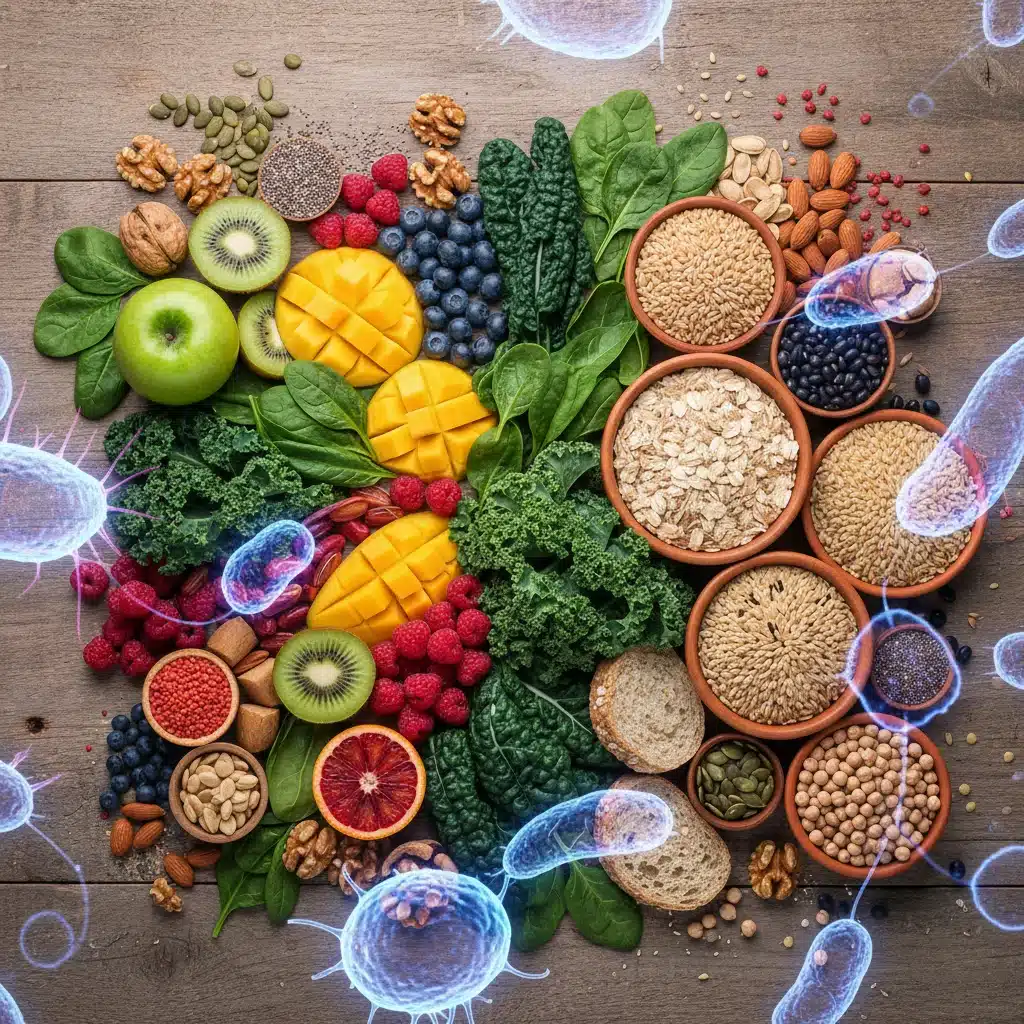
Dietary Fiber 2026: New Findings on Gut Health and Disease Prevention
In the dynamic landscape of nutritional science, few components have garnered as much attention and continued research as dietary fiber. As we step into 2026, the scientific community continues to unravel the multifaceted benefits of this often-underappreciated nutrient, solidifying its role as a cornerstone of optimal health. Beyond its well-known contributions to digestive regularity, recent breakthroughs are painting a much more intricate picture of how dietary fiber influences everything from our gut microbiome and immune system to chronic disease prevention and even mental well-being.
This comprehensive guide delves into the latest findings and evolving understanding of Dietary Fiber Benefits in 2026. We will explore how different types of fiber interact with our bodies, the cutting-edge research linking fiber intake to specific health outcomes, and practical strategies to ensure you’re harnessing the full power of this essential nutrient. Prepare to redefine your perception of fiber and discover why it’s more critical than ever to make it a priority in your daily diet.
The Evolving Definition of Dietary Fiber: Beyond Bulk
For decades, dietary fiber was primarily recognized for its role in adding bulk to stools and facilitating bowel movements. While this function remains crucial, the scientific definition and understanding have significantly expanded. In 2026, we understand dietary fiber not just as indigestible carbohydrates, but as a diverse group of plant-derived compounds that resist digestion in the small intestine and undergo partial or complete fermentation in the large intestine. This fermentation process is where much of the magic happens, giving rise to a cascade of beneficial physiological effects.
The classification of fiber into soluble and insoluble types is still relevant, but research is now delving deeper into the specific properties of different fiber molecules. Soluble fibers, found in oats, barley, nuts, seeds, beans, lentils, and some fruits and vegetables, dissolve in water to form a gel-like substance. This gel can help lower blood cholesterol and glucose levels. Insoluble fibers, present in whole wheat, wheat bran, and many vegetables, do not dissolve in water and add bulk to the stool, promoting regularity.
However, the 2026 perspective emphasizes the functional properties of fiber beyond simple solubility. Researchers are now categorizing fibers based on their fermentability, viscosity, and ability to bind to other compounds. This nuanced approach allows for a more precise understanding of how specific fibers impact the gut microbiome and overall health, moving beyond a blanket recommendation to a more tailored, functional approach to fiber intake.
The Gut Microbiome: The Central Hub of Fiber’s Influence
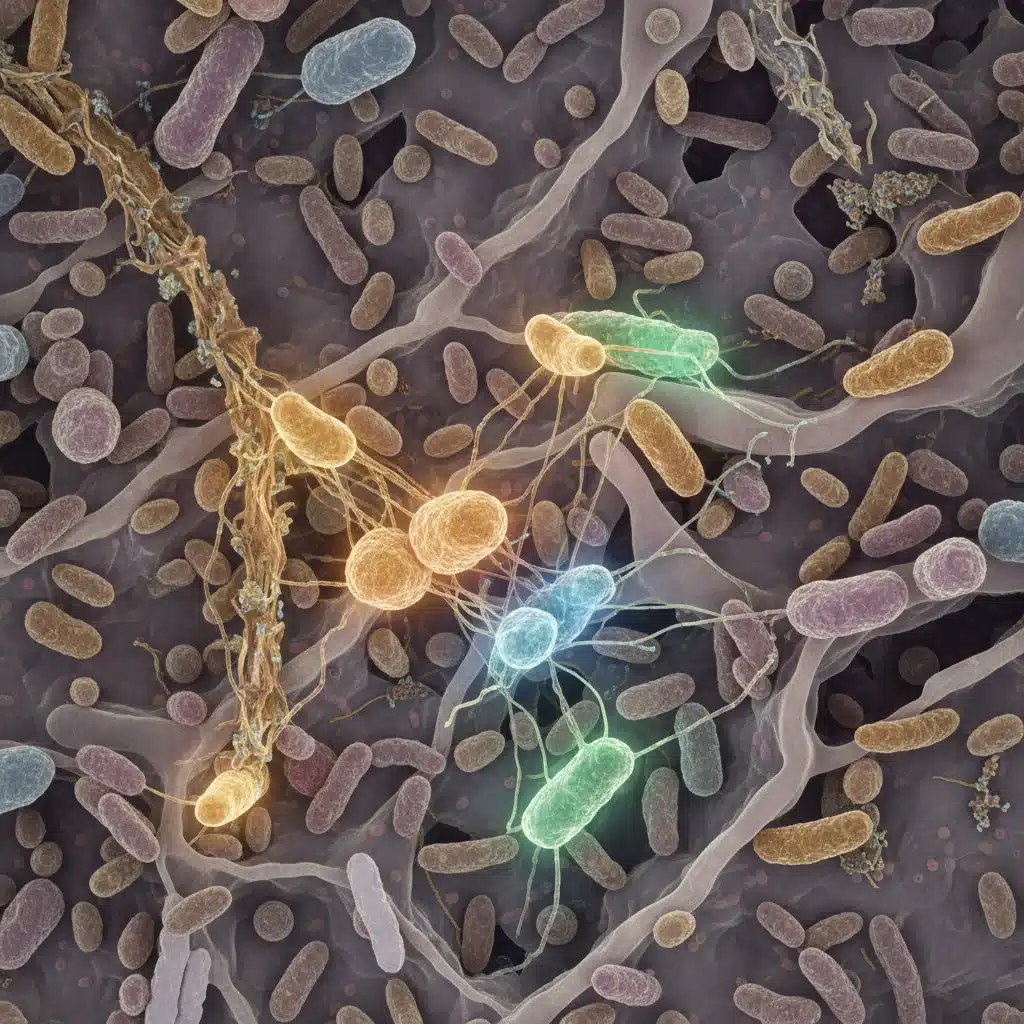
The human gut is home to trillions of microorganisms, collectively known as the gut microbiome. This complex ecosystem plays a pivotal role in digestion, nutrient absorption, immune function, and even mood regulation. Dietary fiber is the primary fuel source for many beneficial gut bacteria, making it a critical determinant of microbiome health. In 2026, the link between Dietary Fiber Benefits and a thriving gut microbiome is stronger than ever.
When fiber reaches the large intestine, it is fermented by gut bacteria, producing short-chain fatty acids (SCFAs) such as acetate, propionate, and butyrate. Butyrate, in particular, has emerged as a superstar compound. It serves as the primary energy source for colonocytes (cells lining the colon), helps maintain the integrity of the gut barrier, and possesses potent anti-inflammatory properties. New research in 2026 is exploring how specific types of fiber can selectively promote the growth of butyrate-producing bacteria, offering targeted interventions for various health conditions.
Moreover, a diverse microbiome, nurtured by a variety of fiber types, is associated with greater resilience against pathogens and improved overall health. Studies in 2026 are investigating how different dietary patterns rich in diverse fibers can reshape the gut microbiome in beneficial ways, leading to improved metabolic health, reduced inflammation, and enhanced immune responses. The concept of ‘precision nutrition’ is gaining traction, where fiber recommendations might soon be personalized based on an individual’s unique gut microbiome composition.
2026 Breakthroughs in Disease Prevention Through Fiber
The preventive power of dietary fiber against chronic diseases has been a consistent theme in nutritional science. However, 2026 has brought forth even more compelling evidence and deeper mechanistic insights into these protective effects. The Dietary Fiber Benefits extend far beyond simple digestive health.
Cardiovascular Health
Fiber’s role in cardiovascular health is well-established, primarily through its ability to lower cholesterol levels. Soluble fibers, such as beta-glucans in oats and psyllium, bind to bile acids in the gut, leading to their excretion. To replenish bile acids, the liver uses cholesterol from the bloodstream, thereby lowering LDL (‘bad’) cholesterol. Recent 2026 studies have further illuminated the anti-inflammatory effects of fiber-derived SCFAs on blood vessels, contributing to reduced atherosclerosis risk and improved endothelial function.
Furthermore, fiber-rich diets are often associated with better blood pressure control. This is attributed to several factors, including improved insulin sensitivity, reduced systemic inflammation, and the production of vasodilatory compounds by gut bacteria. The cumulative effect is a significant reduction in the risk of heart disease and stroke, making fiber an indispensable component of a heart-healthy diet.
Type 2 Diabetes Management and Prevention
For individuals at risk of or living with type 2 diabetes, dietary fiber is a powerful ally. Soluble fiber slows down the absorption of glucose, preventing rapid spikes in blood sugar levels after meals. This helps improve glycemic control and reduces the demand on the pancreas to produce insulin. Insoluble fiber also plays a role by contributing to satiety, which can aid in weight management – a critical factor in diabetes prevention and management.
New research in 2026 is focusing on the gut-hormone axis, demonstrating how fiber fermentation influences the release of gut hormones like GLP-1 (glucagon-like peptide-1), which enhance insulin secretion and improve glucose metabolism. These findings suggest that specific fiber types could be therapeutic targets for novel diabetes interventions, further highlighting the profound Dietary Fiber Benefits.
Cancer Prevention, Especially Colorectal Cancer
The protective effect of dietary fiber against colorectal cancer is one of its most compelling attributes. Fiber increases stool bulk, diluting carcinogens and speeding up their transit time through the colon, thereby reducing exposure of the colon lining to harmful substances. More importantly, the SCFAs produced during fiber fermentation, particularly butyrate, have been shown to possess anti-cancer properties. Butyrate can induce apoptosis (programmed cell death) in cancer cells and inhibit their proliferation.
Emerging 2026 research is exploring how fiber’s influence on the gut microbiome can modulate immune responses in the colon, creating an environment less conducive to cancer development. The diversity of the microbiome, fostered by a high-fiber diet, appears to play a crucial role in this protective mechanism. These insights are paving the way for dietary recommendations that are not just about eating ‘more’ fiber, but eating the ‘right’ kinds of fiber for specific health outcomes.
Weight Management and Satiety
In the ongoing battle against obesity, dietary fiber offers a simple yet effective tool. Fiber-rich foods tend to be lower in caloric density and higher in volume, promoting feelings of fullness and satiety. This can lead to reduced overall calorie intake without feelings of deprivation. Soluble fiber, by forming a gel in the stomach, further slows gastric emptying, prolonging satiety.
The impact of fiber on gut hormones that regulate appetite has also been a focal point of 2026 research. Fiber fermentation can influence the release of hormones like PYY (peptide YY) and GLP-1, which signal fullness to the brain, helping to regulate food intake. This multi-pronged approach makes increasing Dietary Fiber Benefits a key strategy for sustainable weight management.
Beyond the Gut: Fiber’s Impact on Mental Health and Immunity
The intricate connection between the gut and the brain, often referred to as the gut-brain axis, is one of the most exciting areas of research in 2026. Accumulating evidence suggests that dietary fiber’s influence on the gut microbiome can have profound effects on mental health, including mood, anxiety, and cognitive function.
SCFAs produced by fiber fermentation can cross the blood-brain barrier and directly influence brain function. They can also modulate inflammation throughout the body, including neuroinflammation, which is implicated in various neurological and psychiatric disorders. A diverse and healthy gut microbiome, supported by a high-fiber diet, has been linked to lower rates of depression and anxiety in observational studies, with intervention trials currently underway to confirm these causal links.
The immune system is another major beneficiary of adequate fiber intake. Approximately 70-80% of the body’s immune cells reside in the gut. A healthy gut barrier, maintained by butyrate, prevents the leakage of toxins and pathogens into the bloodstream, thereby reducing systemic inflammation and immune overactivation. Furthermore, the gut microbiome educates and modulates immune cells, influencing their ability to respond appropriately to threats. By fostering a balanced microbiome, Dietary Fiber Benefits contribute significantly to a robust and well-regulated immune system, which is crucial for fighting off infections and reducing the risk of autoimmune conditions.
Practical Strategies for Optimizing Your Dietary Fiber Intake in 2026
Understanding the science behind dietary fiber is crucial, but implementing this knowledge into daily life is where the real transformation happens. Despite the overwhelming evidence, many individuals still fall short of the recommended daily fiber intake (typically 25-38 grams for adults).
Embrace Whole, Unprocessed Foods
The most effective way to increase your fiber intake is to prioritize whole, unprocessed plant foods. These include:
- Fruits: Berries, apples, pears, bananas, oranges – eat the skin whenever possible!
- Vegetables: Leafy greens, broccoli, Brussels sprouts, carrots, sweet potatoes, artichokes.
- Legumes: Beans (black, kidney, pinto), lentils, chickpeas, peas.
- Whole Grains: Oats, quinoa, brown rice, whole wheat bread/pasta, barley.
- Nuts and Seeds: Almonds, chia seeds, flax seeds, walnuts, sunflower seeds.
Processed foods often strip away much of the natural fiber, so opting for their whole counterparts is key to maximizing Dietary Fiber Benefits.
Gradual Increase and Hydration
If you’re currently consuming a low-fiber diet, it’s important to increase your intake gradually. A sudden surge in fiber can lead to digestive discomfort such as bloating, gas, and cramping. Start by adding a few grams of fiber each day and allow your digestive system to adapt. Simultaneously, ensure you’re drinking plenty of water. Fiber absorbs water, and adequate hydration is essential for it to move smoothly through your digestive tract and prevent constipation.

Diversify Your Fiber Sources
Remember the importance of microbiome diversity? This translates directly to your plate. Don’t rely on just one or two fiber sources. Aim for a wide variety of fruits, vegetables, legumes, and whole grains. Each plant food contains a unique blend of fiber types, feeding different beneficial bacteria in your gut. This diversity is crucial for unlocking the full spectrum of Dietary Fiber Benefits.
Read Food Labels
Become a savvy label reader. Look for the ‘Dietary Fiber’ content on nutrition labels. Foods with 5 grams or more of fiber per serving are considered high fiber. Pay attention to the ingredients list for whole grains listed at the beginning.
Consider Fiber Supplements (with Caution)
While whole foods should always be your primary source of fiber, supplements like psyllium, methylcellulose, or inulin can be helpful if you struggle to meet your daily requirements. However, supplements lack the vitamins, minerals, and phytochemicals found in whole foods. Always consult with a healthcare professional before starting any new supplement regimen, especially if you have underlying health conditions.
The Future of Fiber: Personalized Nutrition and Beyond
As we look beyond 2026, the research into dietary fiber is only going to become more sophisticated. The concept of personalized nutrition, where dietary recommendations are tailored to an individual’s genetic makeup, lifestyle, and crucially, their unique gut microbiome, is rapidly advancing. Imagine a future where a simple stool test could tell you exactly which types of fiber your gut bacteria crave to optimize your health.
Further research will undoubtedly uncover more specific roles for various fiber types in modulating immune responses, influencing hormone balance, and potentially even impacting neurological disorders. The development of novel ‘designer fibers’ – prebiotics engineered to selectively promote the growth of specific beneficial bacteria – is also an exciting area of innovation. These advancements promise to unlock even more profound Dietary Fiber Benefits.
Fiber and Sustainable Food Systems
It’s also important to consider the broader implications of a fiber-rich diet. Sustainable food systems that prioritize plant diversity and reduce reliance on animal products align perfectly with recommendations for optimal fiber intake, offering a win-win for both human health and planetary well-being. This societal shift towards more plant-forward eating patterns will naturally increase global fiber consumption.
Conclusion: Making Dietary Fiber a Priority in 2026 and Beyond
The journey into 2026 reveals dietary fiber as far more than a simple digestive aid. It is a powerful, multifaceted nutrient that profoundly influences our gut microbiome, immune system, metabolic health, and even mental well-being. The compelling evidence linking adequate fiber intake to the prevention and management of chronic diseases like heart disease, type 2 diabetes, and colorectal cancer underscores its indispensable role in a healthy lifestyle.
By embracing a diverse array of whole, unprocessed plant foods, gradually increasing your intake, staying hydrated, and paying attention to food labels, you can harness the incredible Dietary Fiber Benefits. As science continues to unravel the intricate mechanisms through which fiber works its magic, one thing remains clear: prioritizing fiber in your diet is one of the most impactful steps you can take for your long-term health and vitality. Make 2026 the year you truly elevate your understanding and consumption of this essential nutrient, and empower your body to thrive from the inside out.