Smart Swaps: Make Comfort Foods 30% Healthier in 2026
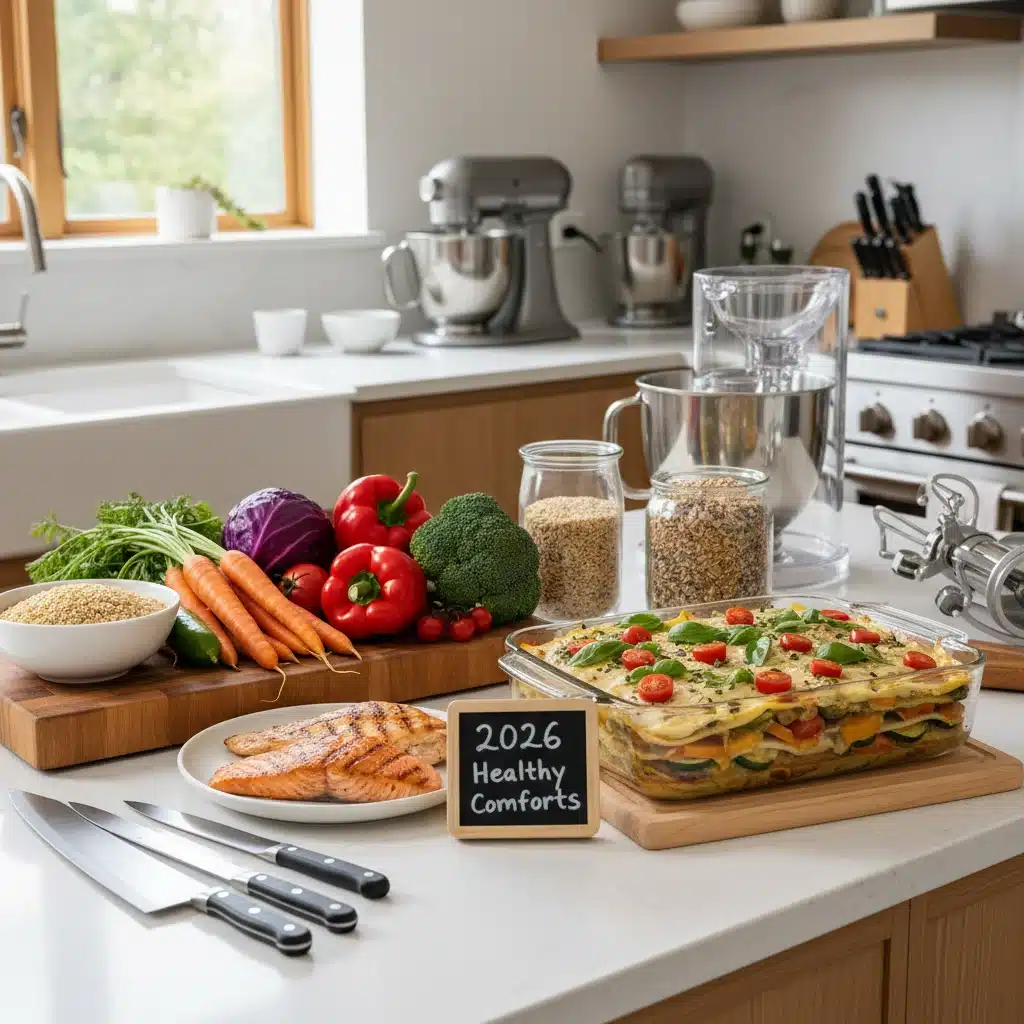
There’s a certain undeniable joy that comes with indulging in our favorite comfort foods. Whether it’s a cheesy lasagna, a hearty bowl of macaroni and cheese, or a plate of crispy fried chicken, these dishes hold a special place in our hearts and often evoke feelings of nostalgia and warmth. However, in our pursuit of a healthier lifestyle, we often find ourselves at a crossroads: do we sacrifice the foods we love for the sake of wellness, or do we give in to temptation and potentially derail our health goals? The good news is, you don’t have to choose. With a few smart, strategic recipe adjustments, you can transform your beloved comfort foods into significantly healthier versions, often making them 30% or more nutritious, without losing an ounce of their comforting appeal. This guide will walk you through five simple yet impactful swaps that will revolutionize your cooking in 2026, allowing you to enjoy healthier comfort food guilt-free.
The Philosophy Behind Healthier Comfort Food: Balance, Not Deprivation
Before we dive into the specific swaps, let’s establish the core philosophy: this isn’t about deprivation or completely overhauling your diet. It’s about smart substitutions and mindful preparation that enhance the nutritional value of your meals while retaining their essence. Our goal is to infuse more vitamins, minerals, and fiber, reduce unhealthy fats, excess sodium, and refined sugars, and ultimately create healthier comfort food experiences that truly nourish your body and soul. Think of it as an upgrade, not a compromise.
The year 2026 is all about embracing sustainable health practices. Extreme diets and restrictive eating habits are out; balanced, enjoyable, and nutritious meals are in. By making these thoughtful changes, you’re not just cooking a healthier meal; you’re building a more sustainable and enjoyable relationship with food. You’re proving that delicious and nutritious can indeed coexist beautifully on the same plate. This approach to healthier comfort food is a game-changer for long-term well-being.
Why Aim for 30% Healthier? The Impact of Small Changes
Why 30%? This number is a realistic and achievable target that can have a significant cumulative impact on your overall health. Small, consistent changes add up. Reducing saturated fat by 30% in a single meal, or increasing fiber by 30%, might seem minor on its own. However, when applied across multiple meals throughout the week and month, these adjustments contribute to better cardiovascular health, improved digestion, more stable energy levels, and even weight management. It’s about creating a ripple effect of positive health outcomes, all stemming from your commitment to healthier comfort food.
Moreover, a 30% improvement is often imperceptible in terms of taste and texture, especially when done cleverly. Your taste buds will still register the familiar flavors and comforting sensations, but your body will be receiving a much better nutritional profile. This makes the transition to healthier comfort food much easier and more sustainable than drastic, sudden changes that can lead to feelings of restriction and eventual rebound.
Smart Swap 1: Whole Grains Over Refined Grains
One of the easiest and most impactful ways to make your comfort food healthier is by swapping refined grains for whole grains. This applies to pasta, rice, bread, and even flour in baking. Refined grains are stripped of their bran and germ during processing, which removes most of their fiber, vitamins, and minerals. Whole grains, on the other hand, retain all three parts of the grain, offering a wealth of health benefits.
The Benefits of Whole Grains for Healthier Comfort Food
- Increased Fiber: Whole grains are rich in dietary fiber, which aids digestion, promotes satiety, and helps regulate blood sugar levels. This means you’ll feel fuller for longer, reducing the likelihood of overeating.
- More Nutrients: They provide essential B vitamins, iron, magnesium, and selenium, which are crucial for energy production, red blood cell formation, and overall bodily functions.
- Improved Heart Health: Studies show that regular consumption of whole grains can lower the risk of heart disease, stroke, and type 2 diabetes.
- Better Blood Sugar Control: The fiber in whole grains slows down the absorption of sugar into the bloodstream, preventing sharp spikes and crashes.
Practical Applications for Your Favorite Dishes
Here’s how to implement this swap for healthier comfort food:
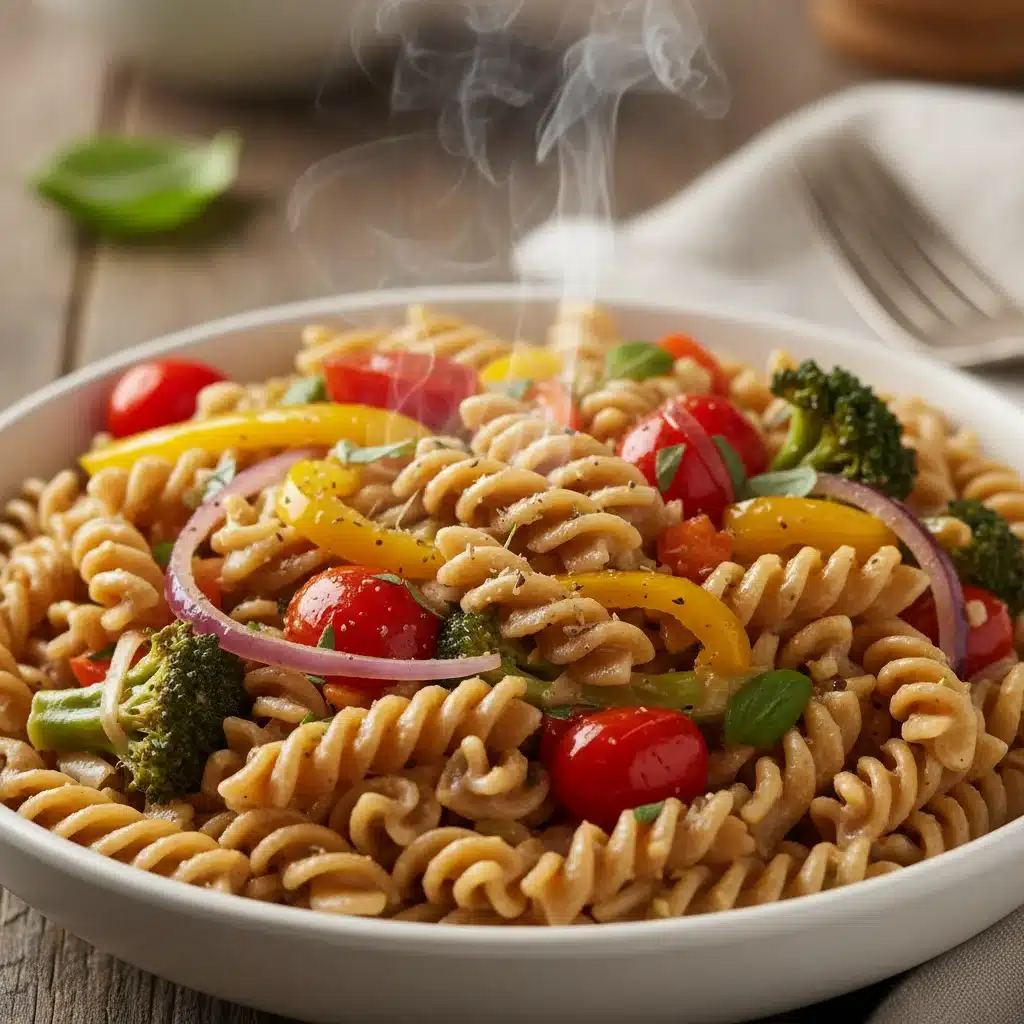
- Pasta Dishes: Instead of white pasta, opt for whole wheat pasta. The texture is slightly different, but most brands have significantly improved their whole wheat offerings, making them delicious and hearty. For dishes like lasagna or baked ziti, whole wheat pasta sheets work perfectly.
- Rice Dishes: Transform your fried rice or rice pilaf by using brown rice, wild rice, or even quinoa. These alternatives add a nutty flavor and a substantial nutritional boost.
- Baked Goods: When baking, replace half or all of the all-purpose flour with whole wheat flour. This works well in muffins, pancakes, and even some cookie recipes. For a lighter touch, try whole wheat pastry flour.
- Breading: For dishes like chicken tenders or fish and chips, use whole wheat breadcrumbs instead of regular ones. You can also experiment with crushed whole-grain crackers or even oat flour for a gluten-free option.
Starting with a 50/50 mix of refined and whole grains can be a great way to ease into this change for your healthier comfort food recipes, gradually increasing the whole grain proportion as your palate adjusts.
Smart Swap 2: Lean Proteins and Plant-Based Alternatives
Many comfort foods are meat-centric, and while meat provides essential protein, often the cuts used are high in saturated fat. Swapping out high-fat meats for leaner options or incorporating plant-based proteins can dramatically reduce the calorie and fat content while boosting fiber and other nutrients.
The Power of Lean and Plant-Based Proteins for Healthier Comfort Food
- Reduced Saturated Fat: Lean meats have less saturated fat, which is beneficial for heart health. Plant-based proteins are naturally cholesterol-free and often lower in fat.
- High-Quality Protein: Both lean meats and plant-based alternatives provide essential amino acids necessary for muscle repair, growth, and overall bodily functions.
- Increased Fiber (Plant-Based): Legumes, tofu, and tempeh are excellent sources of dietary fiber, contributing to digestive health and satiety.
- Versatility: The wide array of lean and plant-based options allows for incredible culinary creativity in making healthier comfort food.
How to Implement This Swap
Consider these substitutions for your healthier comfort food recipes:
- Ground Meat: Instead of regular ground beef, opt for lean ground turkey, ground chicken, or extra-lean ground beef (90% lean or higher). For a plant-based alternative, use crumbled extra-firm tofu, lentils, or a mixture of mushrooms and walnuts in dishes like tacos, chili, or Bolognese sauce.
- Chicken and Pork: Choose skinless chicken breast or thigh instead of cuts with skin. For pork, opt for loin or tenderloin which are much leaner than ribs or shoulder.
- Sausages and Bacon: Look for lower-fat turkey or chicken sausages, or plant-based sausage alternatives. Turkey bacon can also be a good substitute for traditional pork bacon.
- Meatless Meals: Embrace dishes where legumes (beans, lentils, chickpeas) are the star. Think lentil shepherd’s pie, black bean burgers, or chickpea curry. These are inherently packed with fiber and protein, making them fantastic healthier comfort food options.
Smart Swap 3: Vegetable Power-Up – Sneak in More Veggies
This swap is perhaps the most straightforward and versatile for creating healthier comfort food. Most comfort food recipes can benefit from an increased vegetable content. Vegetables add volume, fiber, vitamins, and minerals, often with minimal caloric impact. They also introduce beautiful colors and textures, making your meals more appealing.
The Undeniable Advantages of More Vegetables
- Nutrient Density: Vegetables are powerhouses of vitamins (A, C, K, folate), minerals (potassium, magnesium), and antioxidants.
- Increased Fiber: Boosts satiety, aids digestion, and contributes to a healthy gut microbiome.
- Lower Calorie Density: You can eat a larger portion of a vegetable-rich meal for fewer calories, making it easier to manage weight.
- Flavor and Texture: Vegetables add depth of flavor, natural sweetness, and interesting textures to dishes.
Creative Ways to Sneak in Veggies for Healthier Comfort Food
Here’s how to integrate more vegetables seamlessly:
- Sauces and Soups: Finely chop or grate vegetables like carrots, zucchini, mushrooms, bell peppers, and spinach into pasta sauces, chilis, stews, and soups. They often melt into the dish, adding nutrients without significantly altering the texture. Consider blending steamed cauliflower into cheese sauces for extra creaminess and nutrition.
- Casseroles and Bakes: Layer extra vegetables into your casseroles. Think spinach in lasagna, broccoli in mac and cheese, or mixed vegetables in shepherd’s pie.
- Mashed Sides: Blend steamed cauliflower into mashed potatoes to reduce calories and increase fiber. You can even make entirely mashed cauliflower for a super low-carb option.
- Burgers and Meatloaf: Mix finely chopped or grated vegetables (onions, mushrooms, carrots, zucchini) into your burger patties or meatloaf mixture. This not only adds nutrients but also keeps the meat moist.
- Pizza Toppings: Load up your pizzas with an abundance of colorful vegetables like bell peppers, onions, mushrooms, olives, spinach, and artichoke hearts.
- Fries and Chips: Instead of traditional potato fries, try making sweet potato fries, zucchini fries, or even baked kale chips.
By making vegetables a prominent feature, you’re not just making healthier comfort food; you’re making it more vibrant and delicious.
Smart Swap 4: Healthier Fats and Cooking Methods
Fats are crucial for flavor and texture in comfort food, but the type and quantity of fat used can significantly impact the health profile of a dish. Swapping unhealthy fats for healthier ones and opting for lighter cooking methods can reduce saturated and trans fats while increasing beneficial monounsaturated and polyunsaturated fats.
Understanding Fats for Healthier Comfort Food
- Monounsaturated and Polyunsaturated Fats: Found in olive oil, avocado oil, nuts, and seeds, these fats are beneficial for heart health and can help lower bad cholesterol levels.
- Saturated Fats: Found in butter, lard, and fatty meats. While not entirely bad, excessive intake can raise bad cholesterol.
- Trans Fats: Found in highly processed foods and some fried items. These should be avoided as they significantly increase the risk of heart disease.
Implementing Healthier Fat Swaps and Cooking Methods
Here’s how to make your cooking fats and methods healthier for healthier comfort food:
- Cooking Oils: Replace butter or vegetable shortening with olive oil, avocado oil, or grapeseed oil for sautéing and baking. Use these oils sparingly, as even healthy fats are calorie-dense.
- Dairy Fats: In recipes calling for heavy cream or full-fat cheese, experiment with lighter alternatives. Use evaporated skim milk, unsweetened almond milk, or low-fat Greek yogurt in creamy sauces. Opt for reduced-fat cheeses or use smaller quantities of full-fat, flavorful cheeses. Nutritional yeast can also provide a cheesy flavor without dairy.
- Frying Alternatives: Instead of deep-frying, try baking, air-frying, or pan-frying with minimal oil. For example, baked chicken tenders or air-fried French fries can achieve a satisfying crispiness with far less fat.
- Dressings and Spreads: Make your own salad dressings with olive oil and vinegar, or use avocado instead of mayonnaise in sandwiches and dips.
- Butter in Baking: In some baking recipes, you can substitute a portion of the butter with applesauce, mashed banana, or pureed avocado to reduce fat and add moisture.

Smart Swap 5: Reduce Sodium and Added Sugars
Sodium and added sugars are two of the biggest culprits in making comfort foods less healthy. High sodium intake contributes to high blood pressure, while excessive added sugars can lead to weight gain, increased risk of type 2 diabetes, and other health issues. Reducing these can significantly improve the health profile of your healthier comfort food.
The Hidden Dangers of Excess Sodium and Sugar
- Sodium: Often hidden in processed foods, canned goods, and restaurant meals. It can cause fluid retention and strain the cardiovascular system.
- Added Sugars: Provide empty calories, contribute to inflammation, and can lead to energy crashes. They are prevalent in sauces, baked goods, and even savory dishes.
Strategies for Reducing Sodium and Sugar for Healthier Comfort Food
Here’s how to cut back without sacrificing flavor:
- Seasoning Smarter: Instead of relying heavily on salt, use herbs, spices, garlic, onion powder, and citrus zest to enhance flavor. Fresh herbs like parsley, cilantro, basil, and oregano are excellent for adding vibrancy.
- Homemade Sauces: Processed sauces (ketchup, BBQ sauce, canned soups, gravies) are often loaded with sodium and sugar. Make your own from scratch where possible, giving you full control over ingredients. For example, make a simple tomato sauce from crushed tomatoes and herbs instead of a jarred sauce.
- Reading Labels: Pay attention to nutrition labels, especially the sodium and sugar content in packaged ingredients like broths, canned vegetables, and condiments. Choose low-sodium or no-salt-added versions.
- Natural Sweeteners: For recipes requiring sweetness, consider natural alternatives in moderation, such as a small amount of maple syrup, honey, or fruit purees. Often, the natural sweetness of ingredients like sweet potatoes, carrots, or roasted onions can reduce the need for added sugar.
- Gradual Reduction: Your taste buds will adapt. Gradually reduce the amount of salt and sugar you add to your recipes. Over time, you’ll find that less is more, and you’ll become more sensitive to the natural flavors of your healthier comfort food.
Putting It All Together: A Healthier Comfort Food Example
Let’s take a classic comfort food like Macaroni and Cheese and apply these swaps to create a delicious and significantly healthier version for 2026:
Traditional Mac & Cheese: White pasta, butter, heavy cream, full-fat cheese, sometimes bacon.
Healthier Comfort Food Mac & Cheese (30%+ Healthier):
- Whole Grains: Use whole wheat elbow macaroni. (Swap 1)
- Leaner Dairy/Veggies: Create a cheese sauce with unsweetened almond milk or evaporated skim milk, blended steamed cauliflower, a smaller amount of sharp cheddar cheese, and nutritional yeast for extra cheesy flavor. (Swap 3 & Swap 4)
- Sneak in More Veggies: Stir in a generous portion of steamed broccoli florets or finely chopped spinach into the sauce. (Swap 3)
- Healthier Fats: Use a tablespoon of olive oil instead of butter for sautéing any aromatics. (Swap 4)
- Reduced Sodium: Season with garlic powder, onion powder, a pinch of smoked paprika, and black pepper instead of excessive salt. Use low-sodium broth if adding any liquid. (Swap 5)
- Optional Protein Boost: Add some shredded lean chicken breast or a handful of white beans for extra protein and fiber. (Swap 2)
By implementing just a few of these changes, you’ve transformed a calorie-dense dish into a nutrient-rich meal that still delivers on that comforting promise. This approach is not about making food boring; it’s about making it smarter and more aligned with your health goals for 2026 and beyond. Enjoy your healthier comfort food!
Beyond the Plate: Mindful Eating and Portion Control
While these recipe adjustments are powerful, remember that the way we eat is just as important as what we eat. Practicing mindful eating and portion control can further enhance the benefits of your healthier comfort food. Pay attention to your body’s hunger and fullness cues, eat slowly, and savor each bite. Even the healthiest version of your favorite dish can contribute to overeating if consumed in excessive quantities. Enjoy your improved meals in moderation, and you’ll reap the full rewards of your efforts.
Making Healthier Comfort Food a Lifestyle
The journey to a healthier lifestyle is continuous. These five smart swaps are not just temporary fixes but rather tools to incorporate into your regular cooking repertoire. As you become more comfortable with them, you’ll likely discover even more creative ways to adapt your recipes and develop new favorites. The beauty of this approach is its flexibility and sustainability. You’re not saying goodbye to comfort food; you’re simply elevating it to a new, healthier standard. In 2026, let’s redefine comfort food as food that not only satisfies our cravings but also nourishes our bodies and supports our long-term well-being. Embrace these changes, and enjoy every delicious, healthier comfort food bite!