Advanced Sports Nutrition 2026: Fueling Peak Performance & Recovery

Advanced Sports Nutrition 2026: Fueling Peak Performance & Recovery
The landscape of athletic performance is continuously evolving, and at its heart lies sports nutrition. As we look towards 2026, the field of sports nutrition 2026 is witnessing unprecedented advancements, moving beyond generic advice to highly personalized, data-driven strategies. Athletes today, from elite professionals to dedicated enthusiasts, are seeking every possible edge to optimize their training, performance, and recovery. This comprehensive guide delves into the groundbreaking trends, scientific breakthroughs, and practical applications that define the future of fueling the human body for athletic excellence.
Gone are the days of one-size-fits-all meal plans and basic protein shakes. The future of sports nutrition 2026 is about precision, individualization, and integrating cutting-edge science with practical dietary approaches. We’ll explore how genomics, microbiomics, advanced supplementation, and smart technology are converging to create truly bespoke nutritional programs. Prepare to redefine your understanding of what it means to fuel for success.
The Era of Personalized Nutrition: A Game Changer in Sports Nutrition 2026
One of the most significant shifts defining sports nutrition 2026 is the move towards hyper-personalization. Athletes are no longer seen as homogenous groups, but as unique biological systems with distinct needs. This paradigm shift is driven by a confluence of factors, primarily advancements in ‘omics’ technologies.
Genomics and Nutrigenomics: Tailoring Diet to DNA
Imagine a diet plan crafted specifically for your genetic makeup. This is the promise of nutrigenomics, a field rapidly maturing by 2026. Genetic testing can reveal individual predispositions to certain nutrient deficiencies, metabolic rates, inflammatory responses, and even caffeine sensitivity. For athletes, understanding these genetic blueprints means coaches and nutritionists can design diets that:
- Optimize carbohydrate and fat utilization based on genetic markers.
- Identify optimal protein intake for muscle synthesis and repair.
- Predict susceptibility to oxidative stress and recommend targeted antioxidant strategies.
- Tailor micronutrient supplementation to prevent genetic-based deficiencies.
This level of precision ensures that every calorie and every nutrient consumed contributes maximally to the athlete’s performance goals, minimizing waste and potential adverse effects. The integration of genetic data into routine athletic assessments will become a standard practice in sports nutrition 2026.
Microbiome Mapping: The Gut-Performance Connection
The human gut microbiome, a complex ecosystem of trillions of microorganisms, is increasingly recognized as a critical determinant of health and athletic performance. By 2026, microbiome mapping will be a routine tool in personalized sports nutrition. Analyzing an athlete’s gut flora can reveal insights into:
- Nutrient absorption efficiency.
- Immune system function and inflammation pathways.
- Energy metabolism and body composition.
- Even mental well-being and stress response, which indirectly impacts performance.
Based on these insights, personalized probiotic, prebiotic, and dietary fiber interventions can be implemented. For instance, an athlete with a gut microbiome dominated by bacteria that are less efficient at breaking down complex carbohydrates might benefit from specific dietary adjustments or targeted probiotic strains to improve energy availability and reduce gastrointestinal distress during prolonged exercise. This nuanced approach to gut health is a cornerstone of advanced sports nutrition 2026.
Advanced Biometric Tracking and Wearables
Wearable technology has moved beyond simple step counting. By 2026, sophisticated wearables and continuous glucose monitors (CGMs) provide real-time data on an athlete’s physiological state. This includes:
- Heart rate variability (HRV) for recovery assessment.
- Sleep quality and patterns.
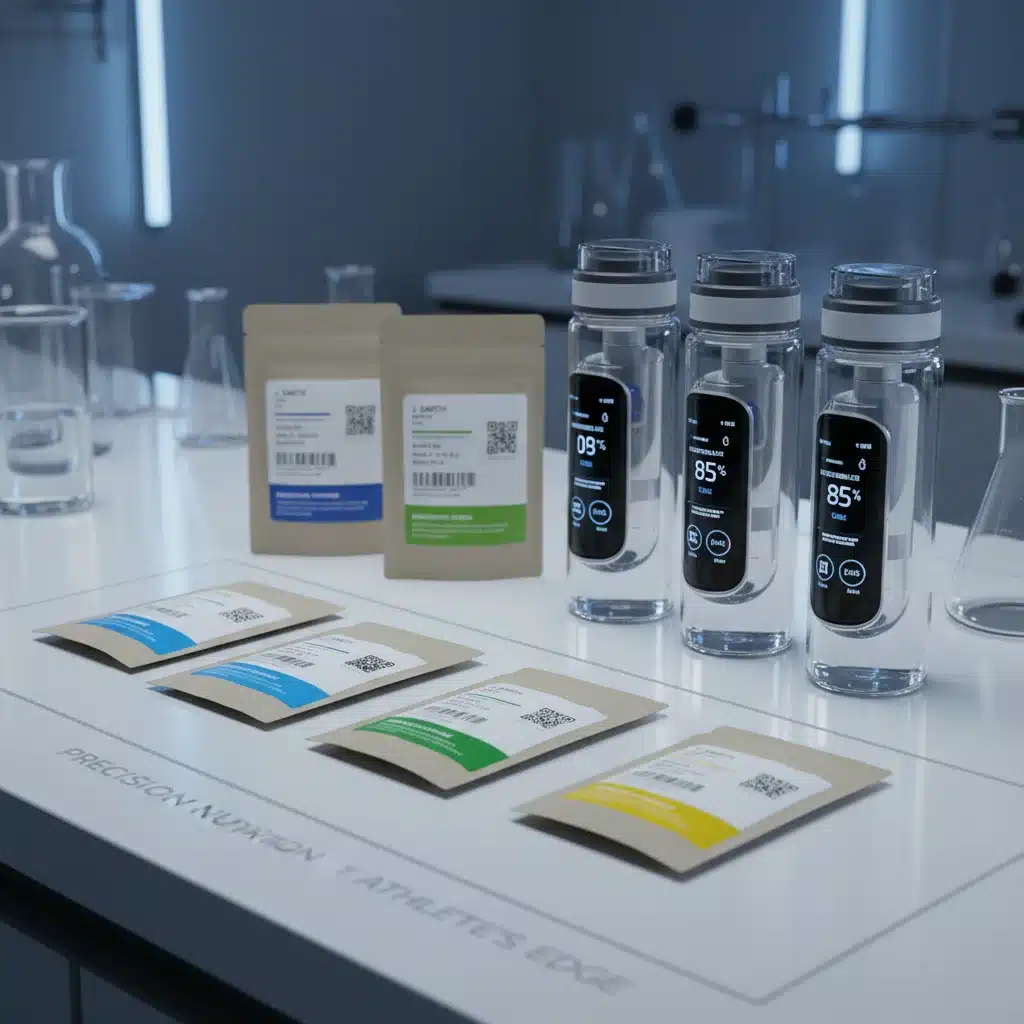
- Sweat electrolyte analysis for precise hydration strategies.
- Continuous glucose monitoring to optimize carbohydrate timing and prevent energy dips.
These data streams, when integrated with AI-driven analytics, allow for dynamic adjustments to nutritional plans. If an athlete’s HRV indicates poor recovery, their carbohydrate intake might be increased post-workout. If sweat analysis shows significant sodium loss, electrolyte replenishment can be precisely tailored. This real-time feedback loop is revolutionary for sports nutrition 2026, enabling unprecedented responsiveness to the body’s changing demands.
Cutting-Edge Supplementation: Beyond the Basics in Sports Nutrition 2026
While whole foods remain the foundation, supplementation continues to evolve, offering targeted support for specific physiological processes. In sports nutrition 2026, the focus is on evidence-based, highly bioavailable, and often novel compounds.
Smart Carbohydrates and Advanced Protein Hydrolysates
The understanding of carbohydrate metabolism has become more sophisticated. Beyond simple and complex carbs, we are seeing the rise of ‘smart carbohydrates’ – engineered polysaccharides that offer sustained energy release without significant insulin spikes, ideal for endurance athletes. Examples include highly branched cyclic dextrins (HBCDs) and specific forms of waxy maize starch, which are being further refined for improved gastric emptying and absorption.
Protein supplementation also continues its evolution. While whey protein remains a staple, advanced protein hydrolysates, which are pre-digested proteins, are gaining traction. These offer ultra-fast absorption, reducing the time it takes for amino acids to reach muscle tissue, thereby accelerating recovery and muscle protein synthesis. Plant-based protein blends are also becoming more sophisticated, offering complete amino acid profiles and improved digestibility, catering to a wider range of dietary preferences and needs inherent in sports nutrition 2026.
Emerging Ergogenic Aids and Nootropics
The search for performance enhancement continues, leading to the development and refinement of new ergogenic aids. By 2026, we’re seeing increased interest in:
- Adaptogens: Herbs like Ashwagandha, Rhodiola Rosea, and Ginseng, which help the body adapt to physical and mental stress, improving resilience and reducing fatigue. Their standardized extracts are becoming more potent and reliable.
- Nootropics: Cognitive enhancers that can improve focus, reaction time, and decision-making under pressure. While still an area of intense research, compounds like L-Theanine, creatine (known for its physical benefits, but also cognitive), and specific forms of choline are being explored for their synergistic effects on brain function, crucial for high-stakes competition in sports nutrition 2026.
- Nitrate-rich compounds: Beyond beetroot juice, concentrated nitrate supplements are being developed for their ability to enhance nitric oxide production, improving blood flow, oxygen delivery, and muscle efficiency.
Strict regulation and scientific validation remain paramount in this space, ensuring safety and efficacy for athletes.
The Rise of Functional Foods and Bioactive Compounds
Beyond traditional supplements, functional foods infused with bioactive compounds are becoming more prevalent. Think about protein bars fortified with specific probiotics, beverages containing collagen peptides for joint health, or snacks enriched with omega-3 fatty acids for anti-inflammatory benefits. These foods offer a convenient and palatable way to deliver targeted nutritional support, blurring the lines between food and medicine, a key characteristic of sports nutrition 2026.
Optimizing Recovery and Regeneration: The Unsung Hero of Sports Nutrition 2026
Performance isn’t just about training; it’s about how effectively an athlete recovers. In sports nutrition 2026, recovery strategies are as sophisticated as training protocols, with nutrition playing a central role.
Targeted Post-Exercise Nutrition
The ‘anabolic window’ concept has evolved. While immediate post-exercise nutrition is still important, the understanding has shifted to a broader, more flexible window, emphasizing overall daily nutrient timing. However, specific post-exercise strategies remain crucial:
- Carbohydrate-to-Protein Ratios: Optimized ratios are tailored to the type and intensity of exercise, aiming to replenish glycogen stores and initiate muscle repair. For endurance athletes, a higher carb-to-protein ratio might be favored, while strength athletes might prioritize protein.
- Anti-inflammatory Nutrients: Beyond general antioxidants, specific compounds like curcumin, tart cherry extract, and omega-3 fatty acids are used to mitigate exercise-induced inflammation and muscle soreness, accelerating return to training.
- Sleep-Enhancing Nutrients: Recognizing sleep as a cornerstone of recovery, nutritional interventions like magnesium, zinc, and tryptophan (a precursor to serotonin and melatonin) are employed to improve sleep quality and duration.
Hydration: Beyond Water
Hydration strategies in sports nutrition 2026 are highly personalized. As mentioned, sweat patches and smart bottles provide real-time data on fluid and electrolyte loss. This allows for the creation of custom hydration plans that specify not just the volume of fluid, but also the precise concentration of electrolytes (sodium, potassium, magnesium, calcium) needed to prevent dehydration and maintain optimal physiological function. Hypotonic, isotonic, and hypertonic solutions are chosen strategically based on individual needs and environmental conditions.
Collagen and Joint Health
With the increasing intensity of training, joint health is a significant concern. Collagen peptides, particularly Type I and Type II, are gaining prominence in sports nutrition 2026 for their role in supporting connective tissue, reducing joint pain, and potentially preventing injuries. These are often consumed in specific forms and dosages to maximize bioavailability and efficacy, often combined with Vitamin C for optimal synthesis.
The Role of Technology and AI in Sports Nutrition 2026
Technology is not just a tool; it’s an integrated partner in sports nutrition 2026. Artificial intelligence (AI) and machine learning are revolutionizing how nutritional data is collected, analyzed, and translated into actionable insights.
AI-Driven Nutritional Platforms
AI algorithms can process vast amounts of data from wearables, genetic tests, microbiome analyses, training logs, and even subjective feedback to generate highly dynamic and responsive nutritional plans. These platforms can:
- Predict energy needs based on anticipated training loads.
- Suggest meal adjustments based on real-time recovery metrics.
- Identify patterns and correlations between diet, performance, and health markers that human practitioners might miss.
- Provide personalized shopping lists and recipe suggestions.
This means athletes can receive instant, data-backed guidance, allowing for continuous optimization of their dietary intake. The synergy between human expertise and AI capabilities is a defining feature of sports nutrition 2026.
Smart Kitchen Appliances and Food Tracking
The kitchen itself is becoming smarter. Integrated scales, smart blenders, and even refrigerators with inventory tracking capabilities can simplify meal preparation and accurate portion control. Advanced food tracking apps leverage image recognition and AI to make logging meals faster and more precise, reducing the burden on athletes and improving data accuracy for nutritionists. These technological aids support adherence to complex personalized plans, a crucial element for success in sports nutrition 2026.

Ethical Considerations and Future Challenges in Sports Nutrition 2026
As sports nutrition 2026 becomes more advanced and personalized, ethical considerations and challenges also come to the forefront.
Data Privacy and Security
With the collection of sensitive genetic, biometric, and health data, ensuring privacy and security is paramount. Robust regulations and ethical guidelines are essential to protect athlete information and prevent misuse.
Accessibility and Equity
The highly personalized and technologically advanced approaches in sports nutrition 2026 can be costly. Ensuring these benefits are accessible to a wider range of athletes, not just the elite, will be a significant challenge. Developing cost-effective solutions and educational programs will be crucial for broader adoption.
The Role of the Nutritionist
While AI and technology provide powerful tools, the role of qualified sports nutritionists remains indispensable. They interpret complex data, provide contextual understanding, offer psychological support, and tailor strategies to individual preferences and lifestyles. The future will see nutritionists evolve into highly skilled data interpreters and personalized health strategists, collaborating closely with other members of the athlete’s support team.
Combating Misinformation and Pseudoscience
The internet is rife with nutritional misinformation. As the field advances, it becomes even more critical to educate athletes and the public on evidence-based practices and to distinguish legitimate scientific advancements from marketing hype. Trusted sources and qualified professionals will play a vital role in guiding athletes through the complex world of sports nutrition 2026.