USDA Guidelines 2026: 5 Key Nutrients for Optimal Health
The landscape of nutrition is ever-evolving, driven by ongoing research and a deeper understanding of how our bodies interact with the food we consume. As we look towards 2026, the United States Department of Agriculture (USDA) is poised to release updated guidelines that promise to reshape our approach to healthy eating. These new USDA guidelines emphasize not just general food groups, but a targeted focus on specific, key nutrients crucial for optimal health and disease prevention. Understanding and implementing these guidelines will be paramount for anyone aiming to enhance their well-being in the coming years.
This comprehensive guide delves into the core of the USDA 2026 Nutrients, identifying the five most critical components recommended for inclusion in your weekly meal plan. We’ll explore why these nutrients are vital, where to find them in abundance, and practical, delicious ways to integrate them into your diet without feeling overwhelmed. From bolstering your immune system to enhancing cognitive function and supporting long-term vitality, these nutrients are the building blocks of a healthier you. Prepare to transform your plate and your health with actionable insights derived from the forefront of nutritional science.
Understanding the Shift: Why New USDA Guidelines Matter for the USDA 2026 Nutrients Focus
For decades, the USDA has been a cornerstone of dietary recommendations for Americans, providing science-based advice to promote health and reduce the risk of chronic diseases. The upcoming 2026 guidelines are not just a minor update; they represent a significant shift towards a more precise and nutrient-focused approach. Previous guidelines often focused on broad food groups, offering general advice like ‘eat more fruits and vegetables.’ While valuable, this approach sometimes overlooked the nuanced interplay of specific nutrients and their profound impact on physiological functions.
The impetus for these new guidelines stems from a growing body of research highlighting nutrient deficiencies even among individuals who appear to follow a ‘healthy’ diet. Modern diets, often rich in processed foods and lacking in nutrient density, contribute to these gaps. The USDA 2026 Nutrients initiative aims to bridge these gaps by spotlighting specific vitamins, minerals, and macronutrients that are frequently under-consumed or play particularly critical roles in health outcomes. This targeted approach empowers individuals to make more informed food choices, moving beyond generic recommendations to a more personalized and effective dietary strategy.
Adopting these new guidelines is not merely about compliance; it’s about optimizing your health. By focusing on these key nutrients, you can proactively address potential deficiencies, bolster your body’s natural defenses, and enhance various bodily functions, from energy production to cellular repair. The goal is to foster a population that is not just free from disease, but thriving with optimal vitality. This article will serve as your essential guide to navigating these changes, ensuring you are well-equipped to integrate the USDA 2026 Nutrients into your daily life.
The Five Pillars of Health: Unveiling the USDA 2026 Nutrients
While the full scope of the USDA’s 2026 guidelines will encompass a wide range of dietary advice, our focus here is on the five key nutrients that are expected to be highlighted due to their widespread impact on public health and common deficiencies. These nutrients are critical for maintaining bodily functions, preventing chronic diseases, and promoting overall well-being. Let’s explore each one in detail, understanding its importance and how it contributes to your optimal health.
1. Vitamin D: The Sunshine Vitamin for Bone and Immune Health
Often dubbed the ‘sunshine vitamin,’ Vitamin D is far more than just a nutrient for strong bones. Its role in the body is incredibly diverse, impacting everything from immune function to mood regulation. Despite its importance, Vitamin D deficiency is remarkably common, affecting a significant portion of the global population. The USDA 2026 Nutrients guidelines are expected to underscore the critical need for adequate Vitamin D intake.
Why it’s crucial: Vitamin D facilitates calcium absorption, making it indispensable for bone health and preventing conditions like osteoporosis. Beyond bones, it plays a pivotal role in modulating the immune system, helping the body fight off infections and potentially reducing the risk of autoimmune diseases. Emerging research also links sufficient Vitamin D levels to improved cardiovascular health, better mood regulation, and even a reduced risk of certain cancers.
Where to find it: While sunlight exposure is a primary source, dietary sources are essential, especially in regions with limited sun. Fatty fish like salmon, mackerel, and tuna are excellent natural sources. Fortified foods such as milk, orange juice, and cereals also contribute significantly. Some mushrooms, particularly those exposed to UV light, can provide Vitamin D. Incorporating these into your weekly meal plan is a proactive step towards meeting your Vitamin D requirements.
2. Omega-3 Fatty Acids: Brain Power and Anti-Inflammatory Benefits
Omega-3 fatty acids are a group of polyunsaturated fats essential for human health, particularly eicosapentaenoic acid (EPA) and docosahexaenoic acid (DHA). Our bodies cannot produce these, so they must be obtained through diet. The emphasis on Omega-3s within the USDA 2026 Nutrients framework highlights their profound benefits, especially for brain and heart health.
Why it’s crucial: EPA and DHA are integral components of cell membranes throughout the body, particularly in the brain and retina. They are renowned for their anti-inflammatory properties, which can help manage or prevent chronic diseases like heart disease, arthritis, and certain neurological disorders. Omega-3s are also vital for cognitive function, supporting memory, learning, and overall brain health. For pregnant women, adequate Omega-3 intake is critical for fetal brain and eye development.
Where to find it: The richest sources are fatty fish like salmon, sardines, anchovies, and mackerel. For those who don’t consume fish, plant-based sources of alpha-linolenic acid (ALA), which the body can convert into EPA and DHA (though inefficiently), include flaxseeds, chia seeds, walnuts, and canola oil. Regular consumption of these foods is key to leveraging the powerful benefits of Omega-3s.
3. Dietary Fiber: The Unsung Hero for Gut Health and Beyond
Often overlooked, dietary fiber is a complex carbohydrate that plays an indispensable role in digestive health and overall well-being. The USDA 2026 Nutrients guidelines are expected to reinforce the importance of ample fiber intake, given its widespread benefits and common deficiency in modern diets.
Why it’s crucial: Fiber comes in two main forms: soluble and insoluble. Soluble fiber dissolves in water to form a gel-like substance, helping to lower cholesterol and control blood sugar levels. Insoluble fiber adds bulk to stool, promoting regularity and preventing constipation. Beyond digestion, a high-fiber diet is associated with a reduced risk of heart disease, type 2 diabetes, and certain cancers. It also contributes to satiety, aiding in weight management by making you feel fuller for longer.
Where to find it: Fiber is abundant in plant-based foods. Excellent sources include whole grains (oats, barley, whole wheat bread), legumes (beans, lentils, chickpeas), fruits (berries, apples, pears), vegetables (broccoli, spinach, carrots), and nuts and seeds. Aim to incorporate a variety of these fiber-rich foods into every meal to meet your daily requirements.
4. Potassium: The Electrolyte for Heart and Blood Pressure Regulation
Potassium is an essential mineral and electrolyte that plays a vital role in numerous bodily functions, particularly nerve signaling, muscle contractions, and fluid balance. Its importance in maintaining healthy blood pressure levels is a key reason it’s expected to be a focus within the USDA 2026 Nutrients recommendations.
Why it’s crucial: Potassium works in conjunction with sodium to maintain the body’s fluid balance, which is critical for nerve impulses and muscle function. Crucially, adequate potassium intake helps to counteract the effects of sodium on blood pressure, making it a cornerstone of cardiovascular health. It can help reduce the risk of stroke and heart disease. Additionally, potassium supports bone health and can help prevent kidney stones.
Where to find it: Many fruits and vegetables are excellent sources of potassium. Bananas are famously rich in potassium, but other great options include potatoes (with skin), sweet potatoes, spinach, broccoli, avocados, oranges, and dried apricots. Legumes and dairy products like yogurt also contribute. Shifting towards a diet rich in whole, unprocessed plant foods is the most effective way to boost your potassium intake.
5. Calcium: Building Blocks for Strong Bones and Beyond
Calcium is the most abundant mineral in the body, primarily known for its role in building and maintaining strong bones and teeth. However, its functions extend far beyond skeletal health, impacting muscle function, nerve transmission, and hormone secretion. The USDA 2026 Nutrients guidelines will undoubtedly reiterate calcium’s fundamental importance across all life stages.
Why it’s crucial: Approximately 99% of the body’s calcium is stored in bones and teeth, providing structural support. The remaining 1% is crucial for vital functions such as blood clotting, muscle contraction (including the heart), and regulating nerve signals. Chronic calcium deficiency can lead to osteoporosis, a condition characterized by brittle bones and increased fracture risk. Adequate intake is particularly important during childhood, adolescence, and in older adults, especially women.
Where to find it: Dairy products like milk, yogurt, and cheese are well-known sources. For those who are lactose intolerant or follow plant-based diets, excellent non-dairy sources include fortified plant milks (almond, soy, oat), fortified orange juice, dark leafy greens (kale, collard greens), broccoli, tofu (calcium-set), and fortified cereals. Incorporating a variety of these sources ensures a steady supply of this essential mineral.
Crafting Your Weekly Meal Plan: Integrating USDA 2026 Nutrients Seamlessly
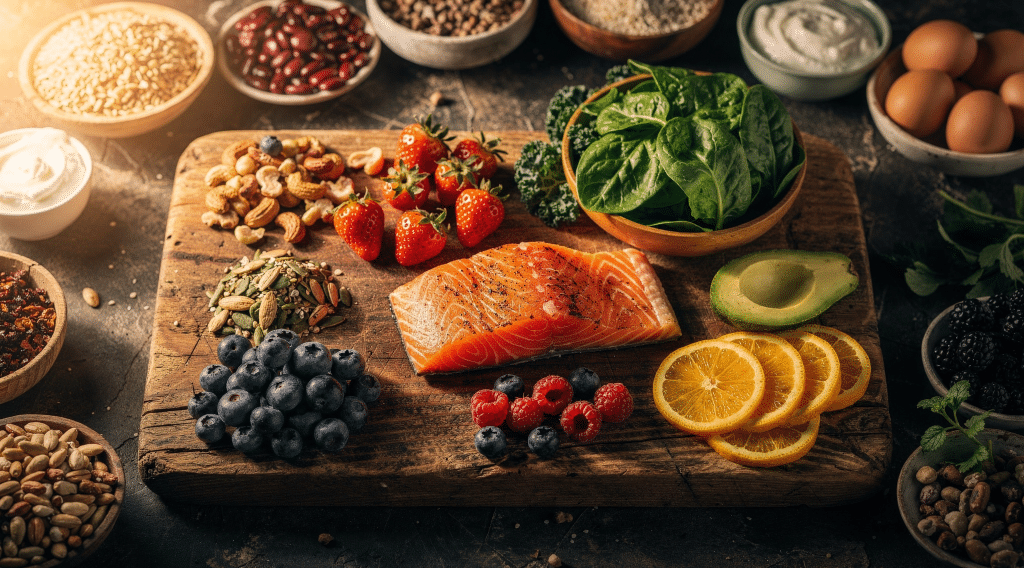
Now that we’ve identified the five key USDA 2026 Nutrients, the next step is to translate this knowledge into practical, delicious meal plans. The goal is not to overhaul your entire diet overnight but to make gradual, sustainable changes that naturally incorporate these vital components. Here’s a strategic approach to integrate Vitamin D, Omega-3s, Fiber, Potassium, and Calcium into your weekly routine.
Breakfast: Start Your Day Nutrient-Rich
- Oatmeal Power Bowl: Cook rolled oats (Fiber) with fortified plant milk (Calcium, Vitamin D). Top with chia seeds (Omega-3, Fiber), sliced banana (Potassium, Fiber), and a sprinkle of walnuts (Omega-3).
- Scrambled Eggs with Spinach: Scramble eggs (Vitamin D) with fresh spinach (Calcium, Potassium, Fiber) and a side of whole-wheat toast (Fiber).
- Yogurt Parfait: Layer Greek yogurt (Calcium) with berries (Fiber, Potassium) and a handful of flaxseeds (Omega-3, Fiber).
Lunch: Midday Boost with Key Nutrients
- Salmon Salad Sandwich: Use canned salmon (Omega-3, Vitamin D) mixed with Greek yogurt (Calcium) and served on whole-grain bread (Fiber) with leafy greens (Calcium, Potassium, Fiber).
- Lentil Soup with Whole Grain Roll: A hearty lentil soup (Fiber, Potassium) paired with a whole-grain roll (Fiber) and a side salad with kale (Calcium, Potassium, Fiber).
- Avocado & Chickpea Wrap: Mash chickpeas (Fiber, Potassium) with avocado (Potassium, Fiber) and wrap in a whole-wheat tortilla (Fiber) with sliced bell peppers (Potassium) and spinach (Calcium, Potassium, Fiber).
Dinner: Delicious and Nutrient-Dense Evenings
- Baked Salmon with Roasted Sweet Potatoes & Broccoli: A classic combination providing Omega-3s and Vitamin D from salmon, and abundant Fiber, Potassium, and some Calcium from sweet potatoes and broccoli.
- Chicken & Veggie Stir-fry with Brown Rice: Use lean chicken (protein) with a medley of colorful vegetables like bok choy (Calcium, Potassium), bell peppers (Potassium), and snow peas (Fiber), served over brown rice (Fiber).
- Black Bean Burgers on Whole Wheat Buns: Homemade black bean burgers (Fiber, Potassium) with a whole-wheat bun (Fiber), topped with avocado (Potassium) and a slice of low-fat cheese (Calcium).
Snacks: Smart Choices Between Meals
- Fruit & Nut Mix: A handful of almonds (Calcium, Fiber) and walnuts (Omega-3, Fiber) with an apple (Fiber, Potassium).
- Fortified Orange Juice: A glass of orange juice fortified with Vitamin D and Calcium.
- Veggies with Hummus: Carrot sticks and cucumber slices (Fiber, Potassium) with hummus (Fiber, Potassium).
Tips for Successful Nutrient Integration into Your Weekly Meal Plan
Implementing the USDA 2026 Nutrients into your diet doesn’t have to be complicated. Here are some practical tips to help you succeed:
- Prioritize Whole Foods: The easiest way to get a wide array of nutrients is by focusing on unprocessed, whole foods. Fruits, vegetables, whole grains, legumes, lean proteins, and healthy fats should form the foundation of your diet.
- Read Food Labels: Pay attention to the nutrition facts panel, especially for fortified foods. This can help you identify products that contribute to your Vitamin D and Calcium intake.
- Meal Prep Strategically: Dedicate some time each week to prepare components of your meals. Cook a batch of quinoa or brown rice, chop vegetables, or bake fish for easy assembly throughout the week. This ensures you always have nutrient-rich options readily available.
- Vary Your Diet: Don’t rely on just one or two foods for your nutrient intake. A diverse diet ensures you get a broader spectrum of vitamins, minerals, and other beneficial compounds. For example, rotate different types of fatty fish and various leafy greens.
- Hydrate Adequately: While not a nutrient itself, water is essential for the absorption and utilization of all nutrients. Ensure you’re drinking enough water throughout the day.
- Consider Supplements (with caution): If dietary intake is consistently insufficient, discuss supplementation with a healthcare professional. However, remember that supplements are meant to complement, not replace, a nutrient-rich diet.
- Cook at Home More Often: Eating out can make it harder to control the nutrient content of your meals. Cooking at home allows you to choose fresh ingredients and prepare meals in a way that maximizes nutrient retention.
- Make Small, Consistent Changes: Instead of trying to change everything at once, focus on incorporating one or two new nutrient-rich foods each week. Small, consistent efforts lead to lasting habits. For instance, start by adding flaxseeds to your morning smoothie or swapping white bread for whole-wheat.
- Educate Yourself: Continuously learn about the nutritional content of different foods. The more you know, the better equipped you’ll be to make informed choices that align with the USDA 2026 Nutrients guidelines.
- Listen to Your Body: Pay attention to how different foods make you feel. A diet rich in these key nutrients should leave you feeling energized, focused, and generally well.
Beyond the Plate: Lifestyle Factors Supporting Optimal Health
While integrating the USDA 2026 Nutrients into your diet is foundational, optimal health is a holistic endeavor. Several lifestyle factors synergize with good nutrition to amplify its benefits and contribute to overall well-being. Ignoring these aspects can undermine even the most meticulously planned diet.
Regular Physical Activity
Exercise is a powerful partner to nutrition. It helps in the absorption and utilization of nutrients, strengthens bones (especially crucial for calcium), improves cardiovascular health (benefiting from Omega-3s and Potassium), and aids in weight management (complementing fiber’s role in satiety). Aim for a combination of aerobic exercise, strength training, and flexibility to reap comprehensive benefits. Even moderate activity, like a daily brisk walk, can make a significant difference.
Adequate Sleep
Sleep is often the unsung hero of health. During sleep, your body repairs and regenerates. Chronic sleep deprivation can disrupt hormone balance, increase inflammation, and impair immune function, effectively negating some of the benefits gained from a nutrient-rich diet. Prioritize 7-9 hours of quality sleep per night to allow your body to fully benefit from the USDA 2026 Nutrients you’re consuming.
Stress Management
Chronic stress can wreak havoc on your body, leading to increased inflammation, digestive issues, and nutrient depletion. Practices like mindfulness, meditation, yoga, spending time in nature, or engaging in hobbies can help manage stress levels. A calmer mind and body are better equipped to absorb and utilize nutrients efficiently.
Minimizing Processed Foods and Added Sugars
While the focus of the USDA 2026 Nutrients is on what to include, it’s equally important to be mindful of what to limit. Processed foods, often high in unhealthy fats, added sugars, and sodium, can displace nutrient-dense options in your diet. They contribute to inflammation and can hinder the body’s ability to utilize essential nutrients effectively. By reducing your intake of these items, you create more space for the beneficial foods that provide the key nutrients.
Conclusion: Embracing the Future of Nutrition with USDA 2026 Nutrients
The upcoming USDA 2026 Nutrients guidelines represent an exciting evolution in our understanding of healthy eating. By shifting focus to these five critical nutrients – Vitamin D, Omega-3 Fatty Acids, Dietary Fiber, Potassium, and Calcium – we are empowered to make more precise and impactful dietary choices. This isn’t just about following rules; it’s about equipping your body with the fundamental building blocks it needs to thrive, prevent disease, and maintain optimal health throughout your life.
Integrating these nutrients into your weekly meal plan is a journey, not a destination. It involves conscious choices, strategic planning, and a willingness to explore new foods and cooking methods. Remember, every small step towards a more nutrient-dense diet contributes to a larger, positive impact on your well-being. From starting your day with a fiber-rich breakfast to ending it with an Omega-3 packed dinner, the opportunities to nourish your body are endless.
By combining a focus on the USDA 2026 Nutrients with a holistic approach to lifestyle – including regular physical activity, adequate sleep, and stress management – you are setting yourself up for unparalleled health and vitality. Embrace these new guidelines, empower yourself with knowledge, and take proactive steps today to cultivate a healthier, more vibrant future. Your body will thank you for it.