Omega-3 for Inflammation: US Guide to Dosage & Sources 2026
The Efficacy of Omega-3 Supplementation for Inflammation Reduction: A 2026 US Perspective on Dosage and Sources
In the ever-evolving landscape of health and wellness, the spotlight on anti-inflammatory strategies continues to grow brighter. Chronic inflammation, a silent culprit behind numerous health issues ranging from cardiovascular disease and arthritis to certain cancers and neurodegenerative disorders, has become a major public health concern in the United States. As we navigate 2026, the scientific community and the general public are increasingly turning their attention to natural, dietary interventions that can effectively combat this pervasive problem. Among these, Omega-3 fatty acids stand out as a powerhouse nutrient with well-documented anti-inflammatory properties. This comprehensive guide delves deep into the efficacy of Omega-3 Inflammation US supplementation, exploring optimal dosages, diverse sources, and the latest research insights relevant to the American population.
Understanding the role of Omega-3s in inflammation reduction is crucial for anyone looking to optimize their health. These essential fatty acids, primarily eicosapentaenoic acid (EPA) and docosahexaenoic acid (DHA), are not produced by the human body and must be obtained through diet or supplementation. Their profound impact on cellular function and immune response makes them indispensable in the fight against chronic inflammation. This article aims to provide a definitive resource for US consumers in 2026, offering actionable advice and evidence-based information to help you harness the full potential of Omega-3s.
The Science Behind Omega-3 and Inflammation
To truly appreciate the power of Omega-3 Inflammation US, it’s essential to grasp the underlying science. Inflammation is a natural protective response of the immune system to injury or infection. However, when this response becomes chronic, it can lead to tissue damage and contribute to various diseases. Omega-3 fatty acids, particularly EPA and DHA, play a critical role in modulating this inflammatory response at a cellular level.
When consumed, EPA and DHA are incorporated into cell membranes, where they compete with arachidonic acid (AA), an Omega-6 fatty acid that serves as a precursor to pro-inflammatory molecules. By replacing AA in cell membranes, Omega-3s reduce the production of inflammatory eicosanoids (prostaglandins, thromboxanes, and leukotrienes) and shift the balance towards less inflammatory or even anti-inflammatory compounds. Furthermore, Omega-3s are precursors to specialized pro-resolving mediators (SPMs) such as resolvins, protectins, and maresins. These fascinating molecules actively work to resolve inflammation, promoting tissue repair and restoring homeostasis. This dual action – reducing pro-inflammatory mediators and generating pro-resolving ones – underscores the comprehensive anti-inflammatory benefits of Omega-3s.
Recent research in the US continues to solidify these findings. Studies are increasingly focusing on the specific mechanisms by which EPA and DHA exert their effects, providing a more nuanced understanding of their therapeutic potential. For instance, investigations into the gut microbiome’s role in inflammation and how Omega-3s interact with gut bacteria are opening new avenues for research and application. The intricate interplay between diet, inflammation, and overall health makes Omega-3s a cornerstone of preventative and therapeutic strategies.
The impact of Omega-3 Inflammation US extends beyond just reducing pain or swelling. It’s about systemic health improvement. By mitigating chronic inflammation, Omega-3s contribute to a healthier cardiovascular system, improved joint function, enhanced brain health, and even a more robust immune response. This holistic benefit makes them a valuable addition to almost any health regimen, especially in a society grappling with widespread inflammatory conditions.
Optimal Omega-3 Dosage for Inflammation in 2026
Determining the optimal dosage of Omega-3s for inflammation reduction can be complex, as it depends on individual health status, dietary intake, and the specific inflammatory condition being addressed. However, based on current scientific consensus and evolving recommendations for 2026 in the US, some general guidelines can be established.
For general health and mild inflammation, a daily intake of 1,000-2,000 mg of combined EPA and DHA is often recommended. This range is typically achieved through a combination of dietary sources and moderate supplementation. For individuals with more significant inflammatory conditions, such as rheumatoid arthritis, psoriasis, or inflammatory bowel disease, higher dosages may be necessary, often ranging from 2,000-4,000 mg of combined EPA and DHA per day. It’s crucial to note that these higher dosages should ideally be taken under the guidance of a healthcare professional, as they can interact with certain medications (e.g., blood thinners) and may not be suitable for everyone.
When selecting a supplement, pay close attention to the EPA and DHA content rather than just the total Omega-3 count. A high-quality fish oil supplement will clearly state the amounts of EPA and DHA per serving. For instance, a 1,000 mg fish oil capsule might contain only 300 mg of EPA and 200 mg of DHA, meaning you would need to take multiple capsules to reach the desired therapeutic dose. Always check the supplement facts panel carefully.
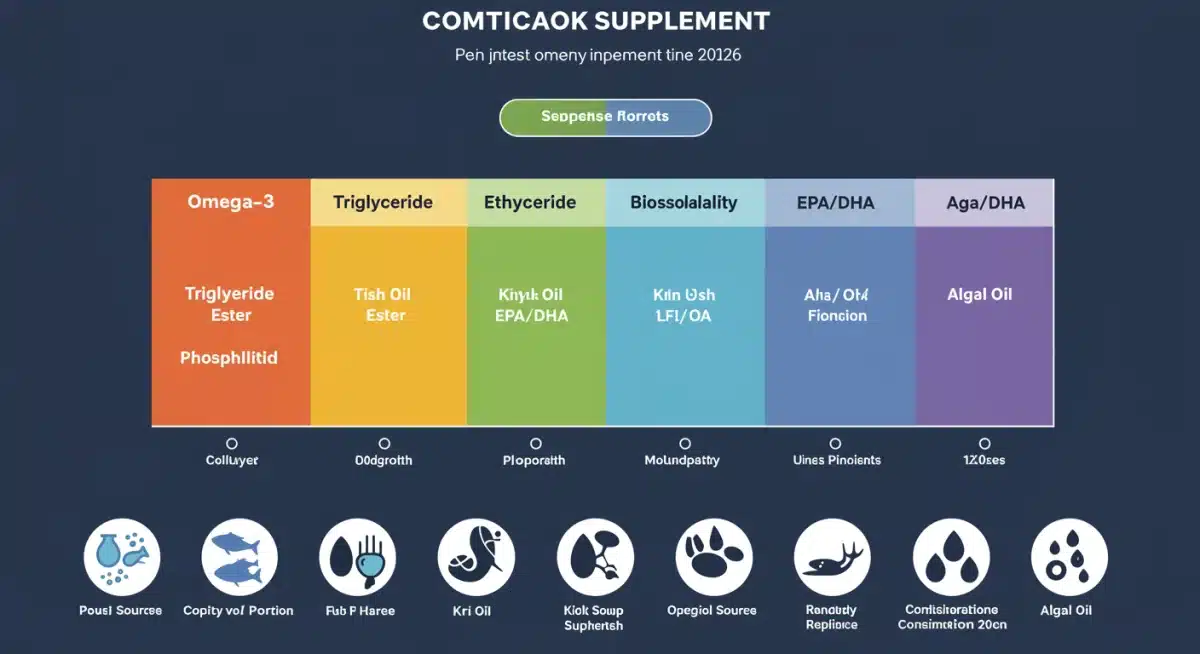
The form of Omega-3 also matters for absorption and efficacy. Triglyceride (TG) form Omega-3s are generally considered more bioavailable than ethyl ester (EE) forms, meaning the body can absorb and utilize them more efficiently. While EE forms are often more concentrated and less expensive, many studies suggest TG forms offer superior absorption. Phospholipid forms, found in krill oil, also offer excellent bioavailability dueating to their unique molecular structure.
In 2026, the emphasis in the US is on personalized nutrition. Genetic factors, lifestyle, and existing health conditions all influence how an individual responds to Omega-3 supplementation. Therefore, consulting with a registered dietitian or a physician who specializes in functional medicine can help tailor a precise Omega-3 Inflammation US dosage plan that is most effective for your unique needs.
It’s also important to consider the Omega-6 to Omega-3 ratio in your diet. Modern Western diets, including those prevalent in the US, tend to be very high in Omega-6 fatty acids (found in vegetable oils like corn, soy, and sunflower oil), which can promote inflammation. While Omega-6s are essential, an imbalance can counteract the anti-inflammatory benefits of Omega-3s. Striving for a more balanced ratio, ideally closer to 1:1 or 2:1 Omega-6 to Omega-3, is a key component of an anti-inflammatory lifestyle.

Top Sources of Omega-3 Fatty Acids for US Consumers
Obtaining sufficient Omega-3s through diet is the preferred approach, with supplementation serving as a valuable adjunct. For US consumers in 2026, there are several excellent sources of these vital fatty acids.
Fatty Fish
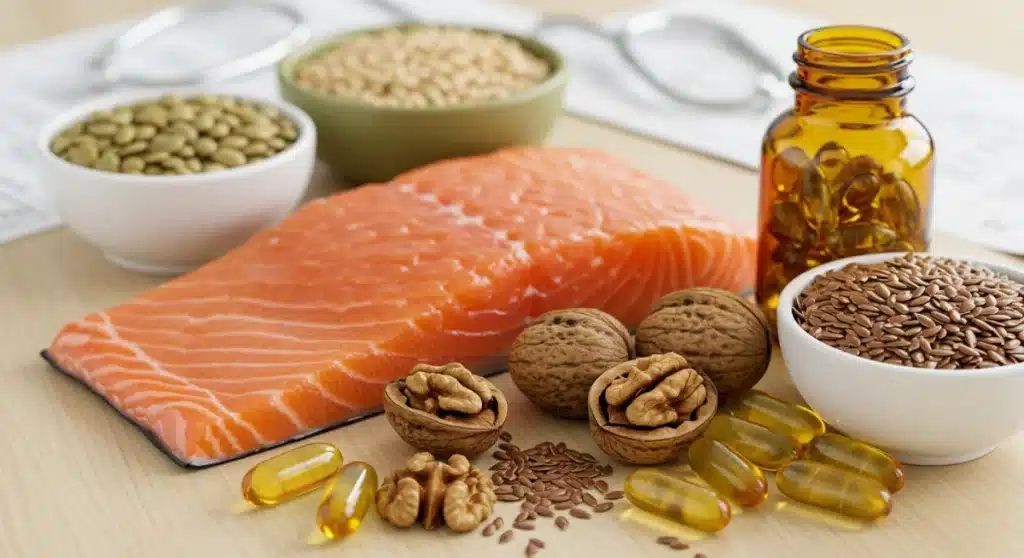
The most well-known and potent dietary sources of EPA and DHA are fatty fish. These include:
- Salmon: Wild-caught salmon, particularly Alaskan salmon, is an outstanding source. A 3.5-ounce (100-gram) serving can provide over 2,000 mg of combined EPA and DHA.
- Mackerel: These small, oily fish are packed with Omega-3s, offering around 1,000 mg per serving.
- Sardines: Small, inexpensive, and sustainable, sardines are another excellent choice, providing about 500 mg per serving.
- Herring: Similar to sardines, herring is a rich source of Omega-3s.
- Tuna: While tuna contains Omega-3s, levels vary significantly by type (e.g., albacore has more than skipjack) and mercury content can be a concern with frequent consumption.
The American Heart Association recommends two servings of fatty fish per week for adults. However, for individuals targeting inflammation reduction, more frequent consumption or supplementation might be beneficial.
Plant-Based Omega-3s (ALA)
For vegetarians, vegans, or those who prefer plant-based options, alpha-linolenic acid (ALA) is an essential Omega-3 fatty acid found in certain plants. While ALA can be converted into EPA and DHA in the body, the conversion rate is relatively low (typically less than 10%). Therefore, plant-based sources of ALA are important but may not provide sufficient EPA and DHA for significant inflammation reduction without careful planning or direct algal oil supplementation.
Good plant-based ALA sources include:
- Flaxseeds and Flaxseed Oil: One of the richest plant sources of ALA.
- Chia Seeds: Another excellent source of ALA and fiber.
- Walnuts: Contain a good amount of ALA.
- Hemp Seeds: Offer a balanced ratio of Omega-3 to Omega-6.
- Soybeans and Soybean Oil: Also contain ALA.
For those relying solely on plant-based diets, incorporating an algal oil supplement directly providing EPA and DHA is highly recommended to ensure adequate intake of these critical anti-inflammatory compounds. This is particularly relevant for effective Omega-3 Inflammation US management in the vegan and vegetarian communities.
Omega-3 Supplements
Given the challenges of consistently consuming enough fatty fish or relying solely on ALA conversion, Omega-3 supplements are a popular and effective way to ensure adequate intake of EPA and DHA. The US market in 2026 offers a wide variety of supplements, including:
- Fish Oil: The most common type, derived from the tissues of oily fish. Look for molecularly distilled products to ensure purity and removal of heavy metals and PCBs.
- Krill Oil: Sourced from tiny crustaceans, krill oil contains EPA and DHA in a phospholipid form, which some research suggests may enhance bioavailability. It also contains astaxanthin, a powerful antioxidant.
- Algal Oil: A vegetarian and vegan-friendly source of EPA and DHA, derived directly from algae. This is an excellent option for those who avoid animal products or are concerned about contaminants in fish oil.
- Cod Liver Oil: Historically popular, cod liver oil provides Omega-3s along with vitamins A and D. However, excessive intake can lead to vitamin A toxicity, so moderation is key.
When choosing a supplement, always prioritize third-party tested products (e.g., by organizations like IFOS or NSF International) to verify purity, potency, and absence of contaminants. This is particularly important for Omega-3 Inflammation US consumers given the varying quality of products on the market.
Omega-3s and Specific Inflammatory Conditions: A 2026 Outlook
The anti-inflammatory benefits of Omega-3 Inflammation US supplementation are not generalized; they have been studied extensively in the context of various specific inflammatory conditions. As we look at 2026, research continues to refine our understanding of their role in these areas.
Cardiovascular Health
Chronic inflammation is a significant contributor to atherosclerosis, heart disease, and stroke. Omega-3s are well-established for their cardioprotective effects, including reducing triglyceride levels, lowering blood pressure, improving endothelial function, and decreasing the risk of arrhythmias. By mitigating systemic inflammation, Omega-3s play a crucial role in maintaining a healthy cardiovascular system, a major health priority in the US.
Rheumatoid Arthritis (RA) and Other Joint Conditions
For individuals suffering from inflammatory joint conditions like rheumatoid arthritis, Omega-3s can significantly reduce joint pain, stiffness, and the need for anti-inflammatory medications. The ability of EPA and DHA to modulate inflammatory pathways directly impacts the severity of symptoms and can improve overall quality of life. Many studies support the use of high-dose Omega-3s (often 3-4 grams of combined EPA/DHA) as an adjunctive therapy for RA patients.
Inflammatory Bowel Disease (IBD)
Conditions like Crohn’s disease and ulcerative colitis are characterized by chronic inflammation of the digestive tract. While research on Omega-3s for IBD has yielded mixed results, some studies suggest benefits in reducing inflammation and improving symptoms, particularly when used in conjunction with conventional therapies. The anti-inflammatory actions of Omega-3s may help to soothe the inflamed gut lining and support gut barrier integrity.
Neuroinflammation and Brain Health
Emerging research is highlighting the critical role of neuroinflammation in conditions such as Alzheimer’s disease, Parkinson’s disease, and depression. DHA, in particular, is a major structural component of the brain, and both EPA and DHA have neuroprotective and anti-inflammatory effects. Supplementation with Omega-3 Inflammation US is being explored for its potential to reduce neuroinflammation, support cognitive function, and even alleviate symptoms of mood disorders. This area is a rapidly expanding field of research for 2026.
Skin Conditions (Psoriasis, Eczema)
Inflammatory skin conditions like psoriasis and eczema can also benefit from Omega-3 supplementation. By reducing systemic inflammation and influencing skin barrier function, Omega-3s can help to alleviate redness, itching, and scaling. While not a standalone cure, they can be a valuable part of a holistic management plan.
Potential Side Effects and Considerations
While generally safe and well-tolerated, Omega-3 supplementation, especially at higher doses, can have some potential side effects and considerations for US consumers in 2026:
- Gastrointestinal Issues: The most common side effects include a fishy aftertaste, indigestion, nausea, and diarrhea. These can often be mitigated by taking supplements with food, freezing capsules, or choosing enteric-coated formulations.
- Blood Thinning: High doses of Omega-3s can have a mild blood-thinning effect. This is usually not a concern for healthy individuals but can be significant for those taking anticoagulant medications (e.g., warfarin, aspirin) or those with bleeding disorders. Consultation with a doctor is essential in such cases.
- Blood Sugar Levels: Some studies suggest that very high doses of Omega-3s might slightly increase fasting blood sugar levels in individuals with type 2 diabetes, though the effect is typically minor.
- Vitamin A Toxicity (Cod Liver Oil): As mentioned, excessive intake of cod liver oil can lead to vitamin A toxicity. If using cod liver oil, ensure total vitamin A intake remains within safe limits.
- Interactions with Medications: Always inform your healthcare provider about any supplements you are taking, especially if you are on prescription medications, to avoid potential interactions.
It’s also important to be aware of the quality and purity of Omega-3 supplements. The US market is regulated by the FDA, but the responsibility often falls on the consumer to choose reputable brands that perform third-party testing for heavy metals (mercury, lead), PCBs, and other contaminants. Look for certifications like IFOS (International Fish Oil Standards) or NSF International.
Integrating Omega-3s into Your 2026 Lifestyle
Successfully integrating Omega-3 Inflammation US strategies into your daily life involves a multifaceted approach that combines dietary choices with strategic supplementation, tailored to your individual needs and the latest health recommendations for 2026.
Dietary First Approach
Prioritize whole foods rich in Omega-3s. Aim for at least two servings of fatty fish per week. Incorporate plant-based ALA sources like flaxseeds, chia seeds, and walnuts into your meals. Consider reducing your intake of highly processed foods and vegetable oils high in Omega-6s to help balance your Omega-6 to Omega-3 ratio. This foundational dietary approach is the most sustainable and beneficial long-term strategy.
Strategic Supplementation
If dietary intake is insufficient or if you have specific inflammatory conditions, Omega-3 supplementation can provide targeted support. Work with a healthcare professional to determine the appropriate dosage and type of supplement (fish oil, krill oil, algal oil) for your individual circumstances. Remember to choose high-quality, third-party tested products to ensure purity and potency.
Lifestyle Factors
Omega-3s are a powerful tool, but they are most effective when part of a holistic anti-inflammatory lifestyle. This includes:
- Regular Physical Activity: Exercise itself has potent anti-inflammatory effects.
- Stress Management: Chronic stress can fuel inflammation. Practices like meditation, yoga, or spending time in nature can help.
- Adequate Sleep: Poor sleep patterns are linked to increased inflammation.
- Antioxidant-Rich Diet: Consume a variety of fruits, vegetables, and whole grains, which provide antioxidants that combat oxidative stress and inflammation.
- Avoiding Inflammatory Triggers: Identify and minimize exposure to personal inflammatory triggers, which might include certain foods, allergens, or environmental toxins.
By combining effective Omega-3 Inflammation US strategies with these healthy lifestyle choices, individuals can significantly reduce their inflammatory burden and improve their overall health and well-being in 2026 and beyond.
The Future of Omega-3 Research in the US
The field of Omega-3 research is dynamic and constantly evolving. In the US, for 2026, we can anticipate continued advancements in several key areas:
- Personalized Nutrition: Genetic testing and biomarker analysis will likely play an even greater role in determining optimal Omega-3 dosages and types for individuals.
- Novel Delivery Methods: Research into enhanced bioavailability and targeted delivery systems for Omega-3s may lead to more effective supplements.
- Specific Disease Applications: Further studies will likely uncover more precise roles for Omega-3s in specific inflammatory and chronic diseases, potentially leading to new therapeutic guidelines.
- Sustainability and Sourcing: As demand for Omega-3s grows, there will be an increased focus on sustainable sourcing practices for fish and krill, as well as expanded production of algal oil to meet the needs of a growing population.
- Interaction with the Microbiome: The intricate relationship between Omega-3s, gut health, and the microbiome will continue to be a hot topic, with potential implications for inflammatory bowel conditions and systemic inflammation.
These ongoing developments underscore the importance of staying informed and consulting with healthcare professionals to ensure you are utilizing Omega-3s in the most effective and evidence-based way for your health goals. The promise of Omega-3 Inflammation US research for improving public health remains incredibly strong.
Conclusion
Chronic inflammation poses a significant challenge to public health in the United States, but the powerful anti-inflammatory properties of Omega-3 fatty acids offer a compelling solution. As we look at 2026, the evidence supporting the efficacy of EPA and DHA in modulating inflammatory responses is robust and continues to grow. By understanding optimal dosages, discerning between high-quality dietary and supplemental sources, and integrating Omega-3s into a holistic anti-inflammatory lifestyle, US consumers can take proactive steps toward better health.
Whether you’re aiming to prevent disease, manage chronic conditions, or simply enhance your overall well-being, prioritizing your Omega-3 Inflammation US intake is a strategy backed by science. Always remember to consult with a healthcare professional to tailor your approach, especially when dealing with existing health conditions or considering higher doses of supplementation. The journey to reduced inflammation and improved health is a continuous one, and Omega-3s are undoubtedly a vital companion on that path.
Embrace the power of Omega-3s and invest in your long-term health. The research is clear, and the benefits are profound. Make informed choices about your supplementation and dietary habits, and empower yourself to live a life with less inflammation and greater vitality in 2026 and beyond.