Decoding New Food Labels: Your Guide to US Changes by 2026
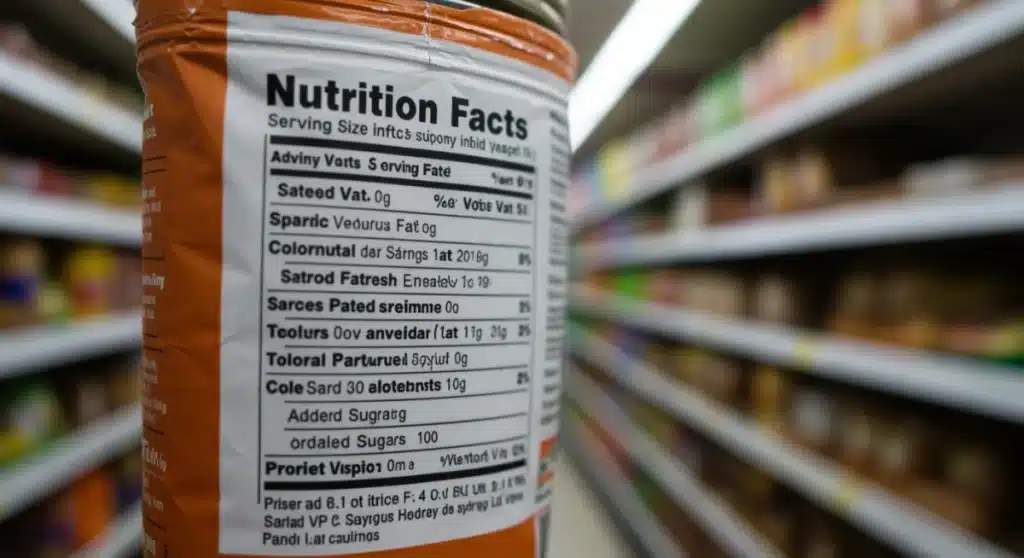
The landscape of our grocery store shelves is constantly evolving, and with it, the information we rely on to make informed dietary choices. As consumers, our ability to understand what’s in our food is paramount to maintaining health and wellness. This is precisely why the upcoming US Food Labeling Changes, slated for full implementation by January 2026, are so significant. These revisions, mandated by the Food and Drug Administration (FDA), aim to provide clearer, more relevant nutritional information, empowering you to navigate the complexities of packaged foods with greater confidence.
For decades, the Nutrition Facts label has been our primary tool for deciphering food contents. However, dietary science and consumption patterns have shifted dramatically. What was considered adequate information years ago may no longer serve the needs of today’s health-conscious public. The FDA recognized this need for modernization, initiating a comprehensive overhaul that touches upon various aspects of food labeling, from serving sizes to nutrient declarations. This article will serve as your essential guide to understanding these critical updates, ensuring you are well-prepared to interpret the new labels and make the best choices for yourself and your family.
Understanding the Rationale Behind the US Food Labeling Changes
Why the change? The motivations behind the new US Food Labeling Changes are multifaceted, rooted in public health concerns and evolving scientific understanding. Over the past few decades, rates of obesity, diabetes, and heart disease have soared in the United States. Many of these conditions are directly linked to dietary habits, particularly the overconsumption of certain nutrients like added sugars, saturated fats, and sodium. The original Nutrition Facts label, introduced in 1994, was revolutionary for its time, but it needed an update to reflect current dietary recommendations and address prevalent health issues.
One of the primary drivers was the growing recognition of the impact of ‘added sugars’ on health. While total sugars were always listed, consumers often struggled to differentiate between naturally occurring sugars (like those in fruit) and sugars added during processing. This distinction is crucial, as excessive intake of added sugars contributes significantly to calorie intake without providing substantial nutritional benefits. The new label directly addresses this by requiring a separate line for ‘Added Sugars.’
Furthermore, portion sizes have dramatically increased over the years, yet the serving sizes listed on older labels often remained unrealistically small, leading consumers to unknowingly consume multiple servings. The FDA’s revisions aim to align serving sizes more closely with what people actually eat and drink, making the nutritional information more reflective of real-world consumption. This focus on realistic serving sizes is a cornerstone of the new US Food Labeling Changes.
Public feedback also played a significant role. Through extensive research and public comments, the FDA identified common areas of confusion and opportunities for improvement. Consumers expressed a desire for clearer information, easier-to-read formats, and a greater emphasis on nutrients that are often under-consumed (like Vitamin D and Potassium) or over-consumed (like Sodium).
Key Revisions to the Nutrition Facts Label: What’s New?
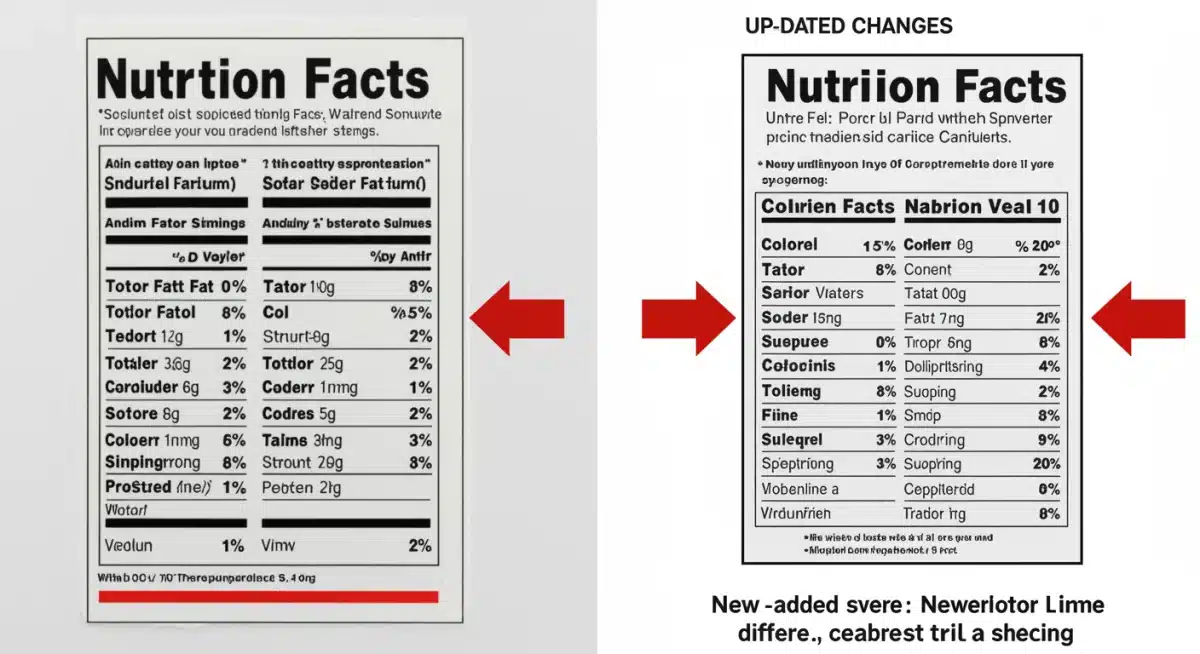
The most visible aspect of the US Food Labeling Changes is undoubtedly the redesigned Nutrition Facts label. While the fundamental concept remains the same – providing a snapshot of a food’s nutritional content – several key elements have been updated to enhance clarity and relevance. Understanding these changes is crucial for every consumer.
1. Emphasis on Calories and Serving Size
Perhaps the most noticeable change is the increased prominence of calorie information. The ‘Calories’ declaration is now larger and bolder, making it easier to spot at a glance. This change reflects the continued public health focus on managing calorie intake. Alongside this, the ‘Serving Size’ information is also more prominent and has been updated to reflect realistic consumption amounts. For products that are typically consumed in one sitting (e.g., a 20-ounce soda), the label will now show the nutrition information for the entire package, even if it technically contains more than one serving. This ‘dual column’ labeling will also appear on certain packages, showing both per-serving and per-package nutrition information, offering a comprehensive view of total nutrient intake if the entire package is consumed.
2. The Addition of ‘Added Sugars’
As mentioned, this is one of the most significant updates. The new label now includes a separate line for ‘Added Sugars’ in grams and as a percent Daily Value (%DV). This helps consumers differentiate between sugars naturally present in foods (like lactose in milk or fructose in fruit) and sugars that are added during processing (like sucrose, dextrose, or high-fructose corn syrup). The %DV for added sugars is based on a 2,000-calorie daily diet, where no more than 10% of total daily calories should come from added sugars. This empowers consumers to make more informed choices about their sugar intake, a critical step in addressing prevalent health issues.
3. Changes in Nutrients Declared
Some nutrients have been removed, and others have been added or updated. ‘Calories from Fat’ has been removed because the type of fat is more important than the total amount. Vitamins A and C are no longer required on the label because deficiencies in these vitamins are less common today. Instead, Vitamin D and Potassium are now required, as many Americans do not get enough of these nutrients, and they play vital roles in bone health and blood pressure regulation, respectively. Iron and Calcium remain mandatory, and their amounts, along with Vitamin D and Potassium, must be declared in actual amounts (milligrams or micrograms) in addition to the %DV.
4. Updated Daily Values
The Daily Values (DVs) for several nutrients have been updated to reflect current scientific recommendations. DVs are reference amounts of nutrients to consume or not to exceed each day. These updates affect nutrients like sodium, dietary fiber, and Vitamin D, among others. A higher %DV generally indicates a greater contribution to your daily needs, helping you quickly assess if a food is high or low in a particular nutrient.
5. Redesigned Layout for Better Readability
The overall design of the Nutrition Facts label has been refreshed to improve readability. The font size for ‘Calories,’ ‘Serving Size,’ and ‘Servings Per Container’ has been increased. The %DV is now listed on the left side of the label, making it easier to read and understand how a food fits into a daily diet. These subtle yet impactful design changes are all part of the effort to make the information more accessible and actionable for the average consumer, reinforcing the goals of the US Food Labeling Changes.
Beyond the Nutrition Facts: Other Important Labeling Updates
While the Nutrition Facts panel is the most prominent feature, the US Food Labeling Changes extend to other crucial aspects of food packaging, particularly regarding allergen declarations and nutrient content claims. These additional updates are designed to further protect consumers and ensure transparency.
Food Allergen Labeling and Consumer Protection Act (FALCPA) Updates
The FDA has also reinforced and clarified aspects of the Food Allergen Labeling and Consumer Protection Act of 2004 (FALCPA). While not entirely new, the emphasis on strict adherence and clear labeling of major food allergens remains paramount. The major food allergens identified by FALCPA are milk, eggs, fish, shellfish, tree nuts, peanuts, wheat, and soybeans. Manufacturers are required to declare the presence of these allergens clearly on food labels, typically immediately after or adjacent to the ingredient list, often in a ‘Contains’ statement. While sesame was recently added as a major allergen under a separate law (FASTER Act of 2021), its inclusion on packaging aligns with the broader push for comprehensive allergen disclosure within the overall framework of US Food Labeling Changes.
For individuals with severe food allergies, these declarations are life-saving. The updated regulations aim to minimize ambiguity and ensure that allergen information is always readily available and easy to identify. This includes clearer guidance on preventing cross-contact during manufacturing, though pre-cautionary allergen labeling (e.g., ‘May contain traces of…’) remains voluntary.
Nutrient Content Claims and Health Claims
The FDA also regulates nutrient content claims (e.g., ‘low fat,’ ‘high fiber,’ ‘good source of’) and health claims (e.g., ‘Diets low in saturated fat and cholesterol may reduce the risk of heart disease’). While the core regulations for these claims haven’t undergone a complete overhaul akin to the Nutrition Facts panel, the context of the new label provides a fresh perspective. For instance, with ‘Added Sugars’ now explicitly listed, claims like ‘no added sugar’ or ‘reduced sugar’ become even more transparent and verifiable for consumers. The updated DVs also influence how certain nutrient content claims can be made, ensuring they align with the latest scientific understanding.
It’s important for consumers to understand that these claims are strictly regulated by the FDA. A ‘low fat’ product, for example, must meet specific criteria regarding its fat content per serving. Familiarizing yourself with these definitions can help you avoid misleading marketing and make truly informed decisions about products claiming specific health benefits. The overarching goal of the US Food Labeling Changes is to foster an environment where consumers can trust the information presented on food packages.
Impact on Consumers: Making Healthier Choices
The ultimate goal of these US Food Labeling Changes is to empower consumers to make healthier and more informed food choices. By providing clearer, more relevant, and easier-to-understand information, the FDA hopes to contribute to improved public health outcomes. But how exactly will these changes impact your daily shopping experience and dietary decisions?
Easier Identification of Key Nutrients
The enhanced visibility of calories, serving sizes, and especially ‘Added Sugars’ means you can quickly scan a label and grasp the most critical information relevant to weight management and preventing chronic diseases. No more squinting to find tiny numbers or trying to calculate added sugars from a long ingredient list. This immediacy of information is a significant advantage.
Better Understanding of Portion Control
With serving sizes more accurately reflecting what people typically consume, you’ll have a more realistic understanding of the nutritional impact of your meals and snacks. The dual-column labeling for certain products is particularly helpful, as it removes the guesswork from understanding the full nutritional load if you eat the entire package. This directly supports better portion control, a fundamental aspect of healthy eating.
Informed Choices Regarding Added Sugars
The ‘Added Sugars’ line is a game-changer. It allows you to consciously choose products with lower amounts of added sweeteners, a critical step in reducing your risk of type 2 diabetes, obesity, and cardiovascular disease. You can now easily compare similar products and opt for the one that relies more on natural sweetness than artificial or processed sugars. This clarity on added sugars is a central pillar of the US Food Labeling Changes.
Addressing Nutrient Deficiencies
The mandatory inclusion of Vitamin D and Potassium highlights nutrients that many Americans are deficient in. By seeing these on the label, you can actively seek out foods that are good sources of these essential vitamins and minerals, supporting bone health, muscle function, and electrolyte balance. This encourages a more holistic approach to nutrition, moving beyond just avoiding ‘bad’ nutrients to actively seeking ‘good’ ones.
Enhanced Allergen Safety
For those with food allergies or sensitivities, the continued emphasis on clear allergen labeling provides an extra layer of safety. Knowing exactly what allergens are present, or potentially present, in a product allows for quicker and more confident decision-making, reducing the risk of accidental exposure.

Navigating Your Grocery Store with Confidence
As the January 2026 deadline approaches, you’ll increasingly see the new labels appearing on products. Here are some practical tips to help you navigate your grocery store trips with confidence and leverage the new US Food Labeling Changes to your advantage:
1. Prioritize Calories and Serving Size
When comparing products, first look at the calories and serving size. Remember that the serving size is a reference amount, not a recommendation. Adjust your intake based on your personal dietary needs and goals. If a package contains multiple servings and you plan to eat the whole thing, check for dual-column labeling to see the total nutrient content.
2. Scrutinize Added Sugars
Make ‘Added Sugars’ a focal point. Aim to choose products with lower amounts, especially for everyday items. Remember the 10% Daily Value guideline. This is one of the most powerful tools the new labels provide for improving your diet.
3. Check the Daily Values (%DV)
The %DV provides a quick way to determine if a food is high or low in a particular nutrient. Generally, 5% DV or less is considered low, and 20% DV or more is considered high. Use this to balance your intake: aim for higher %DVs for nutrients like fiber, Vitamin D, calcium, and potassium, and lower %DVs for saturated fat, sodium, and added sugars.
4. Don’t Forget the Ingredient List
While the Nutrition Facts label is excellent for quantitative data, the ingredient list provides qualitative information. Ingredients are listed in descending order by weight. A shorter ingredient list with recognizable items is often a good sign. Pay attention to ingredients that contribute to added sugars (e.g., corn syrup, fructose, maltose) even if the ‘Added Sugars’ line is your primary guide.
5. Be Mindful of Health Claims
Understand that claims like ‘natural’ or ‘healthy’ are often marketing terms. Always cross-reference these claims with the Nutrition Facts label and ingredient list to verify their validity. For example, a product claiming ‘low fat’ might still be high in added sugars. The new labels help you see the full picture.
6. Educate Yourself Continuously
The world of nutrition is always evolving. Stay informed about dietary guidelines and health recommendations. The more you understand about nutrition, the better equipped you’ll be to interpret food labels and make choices that support your health goals. These US Food Labeling Changes are a significant step, but continuous learning is key.
Challenges and Considerations for the Future
While the new US Food Labeling Changes represent a significant step forward, the transition isn’t without its challenges and considerations. Both consumers and food manufacturers face adjustments, and the long-term impact will continue to be evaluated.
Manufacturer Compliance
Food manufacturers have invested considerable resources to update their labels, reformulate products, and ensure compliance with the new regulations. This process involves extensive testing, reprinting packaging, and adjusting production lines. For smaller businesses, this can be a particularly heavy lift. The FDA has provided guidance and resources, but the sheer scale of the change requires significant effort across the industry.
Consumer Education
The success of these changes hinges on consumer understanding and adoption. While the labels are designed to be clearer, there’s still a need for ongoing public education campaigns to ensure that everyone, regardless of their prior nutritional knowledge, can effectively use the new information. This includes explaining the significance of ‘Added Sugars’ and the updated Daily Values. Our role as consumers is to actively seek out this information and integrate it into our shopping habits.
Evolving Dietary Science
Nutrition science is constantly advancing. While the current US Food Labeling Changes reflect the best available science, future discoveries may necessitate further revisions. For instance, the role of different types of fats or the impact of ultra-processed foods are areas of ongoing research that could influence future labeling requirements. The FDA’s approach is dynamic, aiming to adapt as scientific understanding evolves.
Global Harmonization
Food labeling regulations vary significantly across countries. While the US has made its updates, there’s an ongoing global effort to harmonize food labeling standards to facilitate international trade and provide consistent information to consumers worldwide. Future discussions may involve aligning US standards with those of other major economies, which could bring further changes down the line.
Conclusion: Embracing a More Transparent Food Future
The upcoming US Food Labeling Changes by January 2026 mark a pivotal moment in how we interact with the food we eat. These revisions are not merely aesthetic; they represent a significant public health initiative designed to provide consumers with the tools they need to make more informed, healthier choices. From the bolded calorie count and realistic serving sizes to the crucial ‘Added Sugars’ line and updated nutrient declarations, every change is geared towards greater transparency and clarity.
As you encounter these new labels in your grocery store, embrace them as allies in your journey towards better health. Take the time to understand the new information, compare products, and make conscious decisions that align with your dietary goals. By actively engaging with these updated labels, you’re not just reading a package; you’re taking control of your nutrition and contributing to a more health-conscious society. The future of food labeling in the US is brighter, more transparent, and ultimately, more empowering for every consumer.