Boost Fiber Intake: New Plant-Based Recipes for 2026
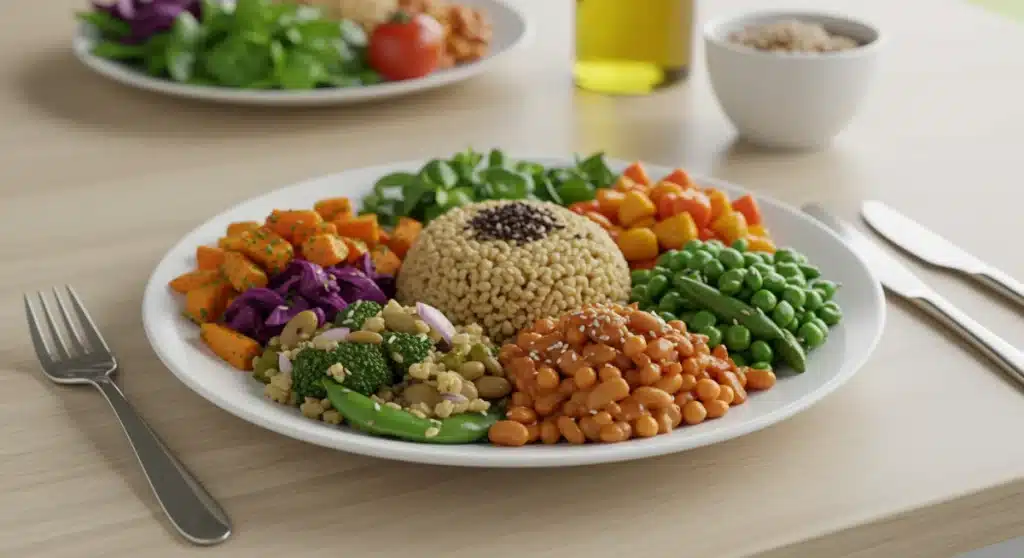
Boost Your Fiber Intake by 15% with These New Plant-Based Recipes for 2026
Welcome to the future of healthy eating! As we step into 2026, the focus on holistic well-being continues to gain momentum, with dietary fiber emerging as a superstar nutrient for optimal health. Far too many of us fall short of the recommended daily fiber intake, which is crucial for everything from digestive health to heart wellness and even mood regulation. But what if we told you that achieving a significant 15% increase in your daily fiber intake could be not only easy but also incredibly delicious? This year, we’re unveiling groundbreaking new plant-based fiber recipes specifically designed to help you reach that goal with vibrant, flavorful, and satisfying meals.
The journey towards a fiber-rich diet doesn’t have to be bland or complicated. In fact, it’s an opportunity to explore a world of textures, flavors, and culinary creativity. Our carefully curated collection of plant-based fiber recipes for 2026 focuses on maximizing nutrient density without sacrificing taste or convenience. We understand that modern life is busy, which is why these recipes are not only packed with fiber but also straightforward to prepare, making healthy eating accessible to everyone.
Why is increasing your fiber intake so important? Dietary fiber, found primarily in fruits, vegetables, whole grains, and legumes, is a type of carbohydrate that the body cannot digest. Instead, it passes through the digestive system largely intact, performing a myriad of vital functions along the way. It helps regulate blood sugar levels, lowers cholesterol, promotes regular bowel movements, and feeds the beneficial bacteria in your gut, contributing to a robust microbiome. A diet rich in fiber has been linked to a reduced risk of heart disease, type 2 diabetes, and certain types of cancer. By aiming for a 15% increase, you’re not just tweaking your diet; you’re investing in a healthier, more energetic future.
This article will introduce you to three revolutionary plant-based fiber recipes that are set to become staples in your kitchen. From hearty breakfasts to satisfying dinners, these dishes are packed with ingredients known for their high fiber content and exceptional nutritional profiles. Get ready to transform your plate and your health!
The Fiber Revolution: Understanding the "Why" Behind Plant-Based Fiber Recipes
Before we dive into the delicious details of our plant-based fiber recipes, let’s take a moment to truly appreciate the power of fiber. In an era where processed foods often dominate diets, many individuals struggle to meet the recommended daily fiber intake, which typically ranges from 25 to 38 grams for adults. The average person consumes significantly less, often around 15 grams per day. This "fiber gap" can lead to a host of health issues, including digestive discomfort, fluctuating energy levels, and an increased risk of chronic diseases.
Fiber comes in two main forms: soluble and insoluble. Soluble fiber dissolves in water, forming a gel-like substance that can help lower blood glucose levels and cholesterol. Foods like oats, peas, beans, apples, citrus fruits, carrots, and barley are excellent sources of soluble fiber. Insoluble fiber, on the other hand, does not dissolve in water. It adds bulk to your stool and helps food pass more quickly through your stomach and intestines, promoting regularity. Whole-wheat flour, wheat bran, nuts, beans, and vegetables like cauliflower, green beans, and potatoes are rich in insoluble fiber. Both types are essential for a healthy digestive system and overall well-being.
Our plant-based fiber recipes are meticulously crafted to provide a balanced mix of both soluble and insoluble fibers, ensuring comprehensive benefits. We’re moving beyond just "adding fiber" and instead focusing on creating meals where fiber-rich ingredients are the stars, enhancing flavor and nutritional value simultaneously. The goal is not just to reach a numerical target but to cultivate a lifestyle where fiber-rich foods are naturally integrated and enjoyed.
Furthermore, plant-based diets are inherently rich in fiber. By focusing on whole, unprocessed plant foods, you naturally increase your intake of this vital nutrient. This approach also comes with the added benefits of consuming a wider array of vitamins, minerals, antioxidants, and phytonutrients, all of which work synergistically to support your health. The synergy of nutrients in whole plant foods is far more powerful than isolated supplements, making our plant-based fiber recipes a superior choice for long-term health.
Let’s debunk a common myth: healthy eating doesn’t have to be monotonous. Our 2026 selection of plant-based fiber recipes proves that you can enjoy incredibly diverse and exciting meals while significantly boosting your fiber intake. These recipes are designed to be adaptable, allowing you to incorporate your favorite seasonal ingredients and personalize them to your taste. Prepare to be inspired and delighted by the culinary possibilities that a fiber-focused, plant-based diet offers.
Recipe 1: The "Morning Glory" High-Fiber Power Bowl
Start your day with an explosion of flavor and fiber! This "Morning Glory" Power Bowl is designed to keep you feeling full, energized, and satisfied until lunchtime. It’s a perfect example of a plant-based fiber recipe that’s both delicious and incredibly nutritious.
Ingredients:
- ½ cup rolled oats (gluten-free if preferred)
- 1 cup unsweetened almond milk (or other plant-based milk)
- 1 tbsp chia seeds
- 1 tbsp ground flaxseeds
- ½ cup mixed berries (fresh or frozen, e.g., blueberries, raspberries, blackberries)
- ¼ cup cooked quinoa
- 2 tbsp chopped walnuts or almonds
- 1 tsp maple syrup or agave nectar (optional)
- Pinch of cinnamon
Instructions:
- In a small saucepan, combine rolled oats, almond milk, and cinnamon. Bring to a gentle simmer over medium heat, stirring occasionally.
- Once simmering, reduce heat to low and cook for 5-7 minutes, or until the oats have absorbed most of the liquid and reached your desired consistency. Stir in the chia seeds and ground flaxseeds during the last minute of cooking.
- Remove from heat and transfer the oatmeal to a serving bowl.
- Top with mixed berries, cooked quinoa, and chopped walnuts or almonds.
- If desired, drizzle with maple syrup or agave nectar for a touch of sweetness.
- Serve immediately and enjoy a fiber-packed start to your day!
Why it Works for Fiber:
This "Morning Glory" Power Bowl is a fiber powerhouse. Rolled oats are an excellent source of soluble fiber, known for its ability to lower cholesterol and stabilize blood sugar. Chia seeds and ground flaxseeds are superstars, providing both soluble and insoluble fiber, along with omega-3 fatty acids. Quinoa adds another layer of complex carbohydrates and protein, boosting the fiber content and making the meal incredibly satisfying. The mixed berries contribute a significant amount of dietary fiber, especially raspberries and blackberries, which are among the highest-fiber fruits. Walnuts or almonds add a crunchy texture and healthy fats, alongside additional fiber. This plant-based fiber recipe ensures you’re starting your day with a substantial fiber boost, setting you up for success.
This single serving can provide upwards of 10-12 grams of fiber, significantly contributing to your daily target and helping you achieve that 15% increase with ease. The sustained energy release from the complex carbohydrates and fiber will also prevent mid-morning slumps, keeping you focused and productive.
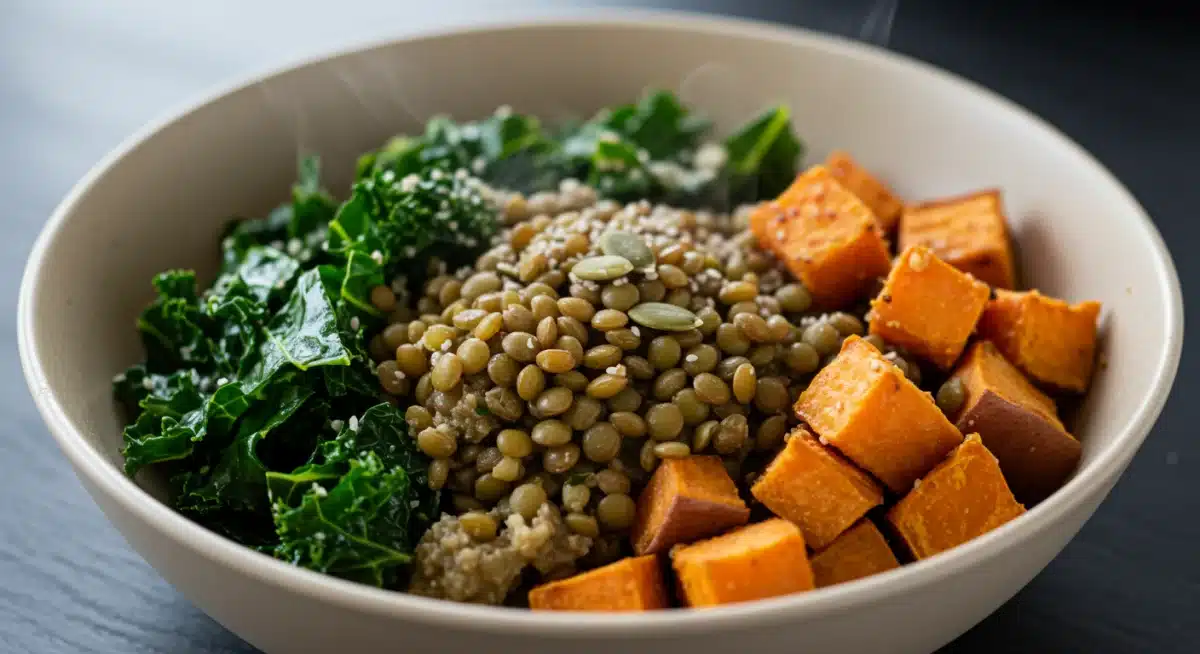
Recipe 2: Hearty "Mediterranean Sunshine" Lentil and Kale Power Bowl
For a lunch or dinner that feels both indulgent and incredibly nourishing, our "Mediterranean Sunshine" Lentil and Kale Power Bowl is a must-try. This plant-based fiber recipe is bursting with Mediterranean flavors and a remarkable amount of fiber, making it a perfect choice for those seeking to enhance their digestive health and overall vitality.
Ingredients:
- 1 cup cooked green or brown lentils
- 2 cups chopped kale, stems removed
- ½ red bell pepper, diced
- ¼ red onion, thinly sliced
- ¼ cup Kalamata olives, halved
- ¼ cup sun-dried tomatoes, packed in oil, drained and chopped
- 2 tbsp fresh parsley, chopped
- 1 tbsp lemon juice
- 2 tbsp extra virgin olive oil
- 1 clove garlic, minced
- Salt and black pepper to taste
- Optional: 2 tbsp hummus for serving
Instructions:
- In a large bowl, combine the cooked lentils, chopped kale, diced red bell pepper, thinly sliced red onion, Kalamata olives, sun-dried tomatoes, and fresh parsley.
- In a small bowl, whisk together the lemon juice, extra virgin olive oil, minced garlic, salt, and black pepper to create the dressing.
- Pour the dressing over the lentil and kale mixture. Toss gently to ensure all ingredients are well coated.
- Let the bowl sit for at least 10-15 minutes to allow the flavors to meld. This also helps tenderize the kale.
- Serve as is, or with a dollop of hummus for added creaminess and protein.
- Enjoy this incredibly satisfying and fiber-rich meal!
Why it Works for Fiber:
Lentils are the undisputed champions of fiber in this dish, providing a substantial amount of both soluble and insoluble fiber. They are also an excellent source of plant-based protein, making this a truly complete meal. Kale, a dark leafy green, contributes a significant amount of insoluble fiber, alongside vitamins A, C, and K. The combination of bell peppers, red onion, olives, and sun-dried tomatoes not only adds layers of flavor but also additional fiber and a wealth of antioxidants. The healthy fats from olive oil and olives aid in nutrient absorption, while the fresh lemon juice brightens all the flavors. This plant-based fiber recipe is a testament to how delicious and diverse fiber-rich meals can be.
A single serving of this "Mediterranean Sunshine" bowl can easily deliver 15-20 grams of fiber, catapulting you towards your daily fiber goals. The high fiber and protein content will ensure you stay full and satisfied, preventing cravings and supporting stable blood sugar levels throughout the afternoon or evening. It’s also a fantastic meal prep option, as the flavors tend to deepen overnight.
Recipe 3: "Sweet Potato & Black Bean Fiesta" Stuffed Peppers
For a dinner that’s both comforting and packed with nutrients, look no further than our "Sweet Potato & Black Bean Fiesta" Stuffed Peppers. This innovative plant-based fiber recipe takes a classic dish and elevates it with fiber-rich ingredients and bold, zesty flavors, making it a perfect addition to your weekly meal rotation.
Ingredients:
- 4 large bell peppers (any color), halved lengthwise and seeds removed
- 1 tbsp olive oil
- 1 medium sweet potato, peeled and diced into ½-inch cubes
- 1 can (15-ounce) black beans, rinsed and drained
- ½ cup cooked quinoa or brown rice
- ½ cup corn (fresh, frozen, or canned)
- ¼ cup chopped red onion
- 1 clove garlic, minced
- 1 tsp chili powder
- ½ tsp smoked paprika
- ¼ tsp cumin
- Salt and black pepper to taste
- ¼ cup fresh cilantro, chopped (for garnish)
- Optional: salsa, avocado slices, or a plant-based sour cream for serving
Instructions:
- Preheat your oven to 375°F (190°C). Lightly grease a baking dish.
- Place the halved bell peppers cut-side up in the prepared baking dish. Bake for 15-20 minutes, or until slightly tender but still firm.
- While the peppers are baking, heat olive oil in a large skillet over medium heat. Add diced sweet potato and red onion, cooking for 8-10 minutes until the sweet potato starts to soften.
- Add minced garlic, chili powder, smoked paprika, and cumin to the skillet. Cook for another minute until fragrant.
- Stir in the rinsed black beans, cooked quinoa/brown rice, and corn. Cook for 3-5 minutes, allowing the flavors to meld. Season with salt and black pepper to taste.
- Carefully remove the bell peppers from the oven. Fill each pepper half generously with the sweet potato and black bean mixture.
- Return the stuffed peppers to the oven and bake for another 15-20 minutes, or until the peppers are fully tender and the filling is heated through.
- Garnish with fresh cilantro before serving. Optional: top with salsa, avocado slices, or a dollop of plant-based sour cream.
- Savor this delightful and fiber-rich "Sweet Potato & Black Bean Fiesta"!
Why it Works for Fiber:
This plant-based fiber recipe is a symphony of fiber-rich ingredients. Sweet potatoes are an excellent source of dietary fiber, particularly insoluble fiber, along with beta-carotene. Black beans are legumes, which are powerhouses of both soluble and insoluble fiber, as well as plant-based protein. Quinoa or brown rice adds additional complex carbohydrates and fiber, creating a hearty and satisfying filling. Bell peppers themselves contribute fiber, especially when their skin is consumed. Corn also adds a sweet burst of fiber. The combination of these ingredients ensures a substantial fiber intake per serving, making it an effective and delicious way to increase your daily fiber by 15% or more.
Expect to get anywhere from 12-18 grams of fiber per serving with these stuffed peppers, depending on the exact portion sizes and additions. This recipe not only helps you meet your fiber goals but also provides a wide spectrum of vitamins, minerals, and antioxidants, supporting overall health and vitality. It’s a meal that truly nourishes from the inside out.
Beyond the Recipes: Tips for Sustained Fiber Increase in 2026
While these three plant-based fiber recipes are fantastic starting points, integrating more fiber into your diet is an ongoing journey. Here are some additional tips to help you consistently achieve and maintain a 15% (or more!) increase in your daily fiber intake throughout 2026 and beyond:
1. Embrace Whole Grains:
Swap refined grains for whole grains whenever possible. Choose whole-wheat bread, pasta, and tortillas. Opt for brown rice, quinoa, farro, and barley instead of white rice. These small changes add up significantly over time, bolstering your fiber intake with every meal.
2. "Hide" Fiber in Smoothies:
Smoothies are a fantastic vehicle for fiber. Add a handful of spinach or kale (you won’t taste it!), chia seeds, flaxseeds, oats, or even a ¼ cup of white beans (they blend seamlessly and add incredible creaminess and fiber) to your morning blend. Berries, especially raspberries and blackberries, are also excellent fiber boosters for smoothies.
3. Legumes at Every Meal:
Make legumes a staple. Lentils, beans (black, kidney, cannellini, pinto), and chickpeas are incredibly versatile and fiber-rich. Add them to soups, salads, stews, and even blend them into dips like hummus. A ½ cup serving of most cooked legumes provides 6-8 grams of fiber.
4. Don’t Peel Your Produce:
Many fruits and vegetables have significant fiber content in their skins. For example, leave the skin on apples, pears, potatoes, and cucumbers when appropriate. Just make sure to wash them thoroughly.
5. Snack Smart:
Choose fiber-rich snacks. Instead of processed chips or crackers, reach for fresh fruit with nuts, air-popped popcorn, vegetable sticks with hummus, or a handful of almonds. These choices keep you satisfied and contribute valuable fiber.
6. Read Food Labels:
Become a label detective. Look for "fiber" on the nutrition facts panel. Aim for foods that have at least 3-5 grams of fiber per serving to make a meaningful impact. Be wary of "added fiber" in highly processed foods, as these may not offer the same comprehensive benefits as naturally occurring fiber.
7. Hydrate, Hydrate, Hydrate:
Increasing your fiber intake requires a corresponding increase in water intake. Fiber absorbs water, helping it move through your digestive system smoothly. Without adequate hydration, a high-fiber diet can lead to constipation and discomfort. Aim for at least 8 glasses of water daily.
8. Gradual Increase:
Don’t drastically increase your fiber intake overnight. This can lead to bloating, gas, and discomfort. Gradually introduce more fiber-rich foods over several weeks, allowing your digestive system to adjust. Your gut microbiome will thank you!
9. Experiment with New Ingredients:
Explore different types of grains and vegetables. Try artichokes, Brussels sprouts, jicama, or different ancient grains. Each offers a unique fiber profile and a chance to discover new favorite flavors. This keeps your meals exciting and ensures a broader range of nutrients.
10. Meal Prepping for Success:
Plan your meals and snacks in advance. When you have fiber-rich options readily available, you’re less likely to reach for less healthy, low-fiber alternatives. Cook larger batches of grains and legumes to use throughout the week in various dishes.
The Long-Term Benefits of a Fiber-Rich, Plant-Based Diet
Beyond the immediate digestive benefits, consistently incorporating plant-based fiber recipes into your diet can lead to a cascade of long-term health improvements. A sustained increase in fiber is strongly associated with:
- Improved Gut Health: Fiber acts as a prebiotic, feeding the beneficial bacteria in your gut. A diverse and healthy gut microbiome is linked to everything from improved immunity to better mental health.
- Weight Management: High-fiber foods tend to be more filling, helping you feel satisfied on fewer calories. They slow down digestion, preventing rapid spikes and crashes in blood sugar that can lead to cravings.
- Heart Health: Soluble fiber helps reduce LDL ("bad") cholesterol levels by binding to cholesterol particles in the digestive tract and carrying them out of the body.
- Blood Sugar Control: Fiber slows the absorption of sugar, which can help improve blood sugar levels and is particularly beneficial for individuals with diabetes or those at risk.
- Reduced Risk of Chronic Diseases: Regular consumption of fiber-rich foods has been linked to a lower risk of developing various chronic conditions, including type 2 diabetes, heart disease, and certain cancers (especially colorectal cancer).
- Enhanced Longevity: Studies consistently show that individuals with higher fiber intakes tend to live longer, healthier lives, free from many common age-related ailments.
By making a conscious effort to boost your fiber intake by 15% through these delicious plant-based fiber recipes and consistent healthy habits, you are not just changing what’s on your plate; you are actively shaping a healthier, more vibrant future for yourself.
Conclusion: Your Fiber-Fueled Journey Starts Now!
The year 2026 is all about empowering ourselves with knowledge and making conscious choices for our health. Our new plant-based fiber recipes offer a delicious and effective pathway to significantly increase your fiber intake, contributing to better digestion, stable energy, and a reduced risk of chronic diseases. We’ve shown you that achieving a 15% boost in daily fiber doesn’t require sacrificing flavor or spending hours in the kitchen. In fact, it opens up a world of exciting culinary possibilities.
From the "Morning Glory" Power Bowl that energizes your start, to the "Mediterranean Sunshine" Lentil and Kale Power Bowl that brightens your midday, and the "Sweet Potato & Black Bean Fiesta" Stuffed Peppers for a satisfying dinner, these recipes are designed to be both delicious and incredibly effective. Remember to integrate these dishes into a holistic approach that includes ample hydration, gradual increases, and a consistent focus on whole, unprocessed plant foods.
Embrace the fiber revolution! Your body, your gut, and your overall well-being will thank you. Experiment with these recipes, adapt them to your taste, and share the goodness with your loved ones. Here’s to a fiber-rich, healthy, and flavorful 2026!